


Water may be essential to life, but when it seeps into places it doesn’t belong, it becomes a formidable enemy to your home or business. From warped wood and mold to hidden structural decay, property water damage has long-lasting consequences that demand immediate and intelligent action.
But how exactly do professionals rescue soaked spaces? The answer lies in a strategic and scientific approach, where technology, timing, and training come together. In this blog, we’ll walk you through how restoration experts handle the water damage cleanup process, save your investment, and ensure your property doesn’t suffer long-term harm.
How Experts Scientifically Restore Property Water Damage
When water invades your home, it doesn’t just leave puddles, it rewrites the integrity of your space from the inside out. While the damage may appear surface-level at first, the true danger lies in what you can’t see. That’s why certified restoration professionals use a methodical, science-based approach to assess, treat, and restore every inch affected by property water damage. Below, we break down each phase of the process to show you how the experts work with precision, not panic.
Tools and Techniques for Detecting Hidden Moisture
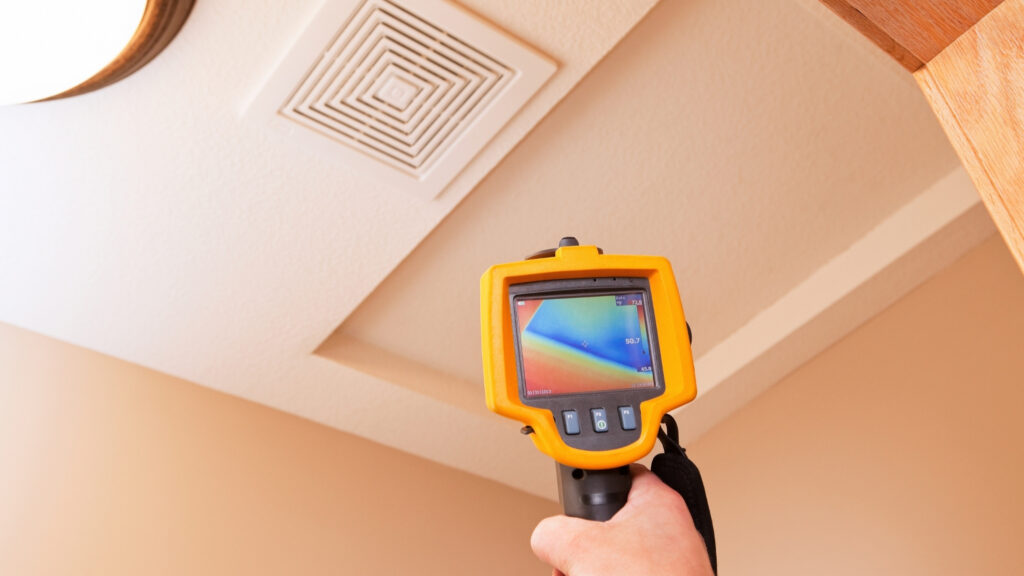
Restoring property water damage starts with finding moisture, even when it’s invisible. Restoration specialists use infrared cameras, thermal sensors, and moisture meters to detect dampness behind walls, beneath floors, and inside insulation.
This step is critical. If water pockets go unnoticed, they can breed mold or rot, even after surface drying. The science of moisture mapping ensures no hidden damage is left untreated.
The Critical Role of Time in Water Damage Restoration
The first 24–48 hours after a water event are crucial. Experts prioritize a fast response because every minute that passes allows water to soak deeper into porous materials. This leads to swelling, warping, microbial growth, and worsening property water damage.
That’s why certified restoration teams often operate on-call 24/7, to initiate the water damage cleanup process before long-term damage sets in.
Isolation Techniques in Water Damage Restoration
Once the affected areas are identified, professionals isolate them using plastic barriers and negative air pressure systems. This is done to prevent moisture and airborne contaminants from spreading to other parts of the property.
Containment plays a vital role in halting secondary property water damage, especially when mold spores or sewage are involved.
Advanced Extraction Methods for Faster, Safer Drying
Water removal may seem simple, but it involves powerful truck-mounted vacuums and submersible pumps designed for large volumes. Experts use specific extraction tools based on the surface, whether it’s hardwood, tile, or carpet.
This phase is foundational to the water damage cleanup process, as proper extraction reduces drying time and minimizes the risk of further damage.
Precision Drying Through Climate Control Technology
Drying out a building involves more than placing a few fans around. Restoration teams use commercial-grade air movers and low-grain refrigerant dehumidifiers to create controlled evaporation.
Psychometrics, the science of humidity, temperature, and airflow, guides this process. Moisture is tracked and adjusted daily to ensure the property is drying from the inside out, not just on the surface.
Sanitizing Mold, Bacteria, and Viruses After Water Cleanup
Even after all the water is gone, contaminants can linger. Standing water can carry bacteria, viruses, and mold spores. Using EPA-approved disinfectants, experts sanitize all exposed surfaces and dispose of unsalvageable materials.
This step is not optional. It’s part of a complete water damage cleanup process that prioritizes health and safety.
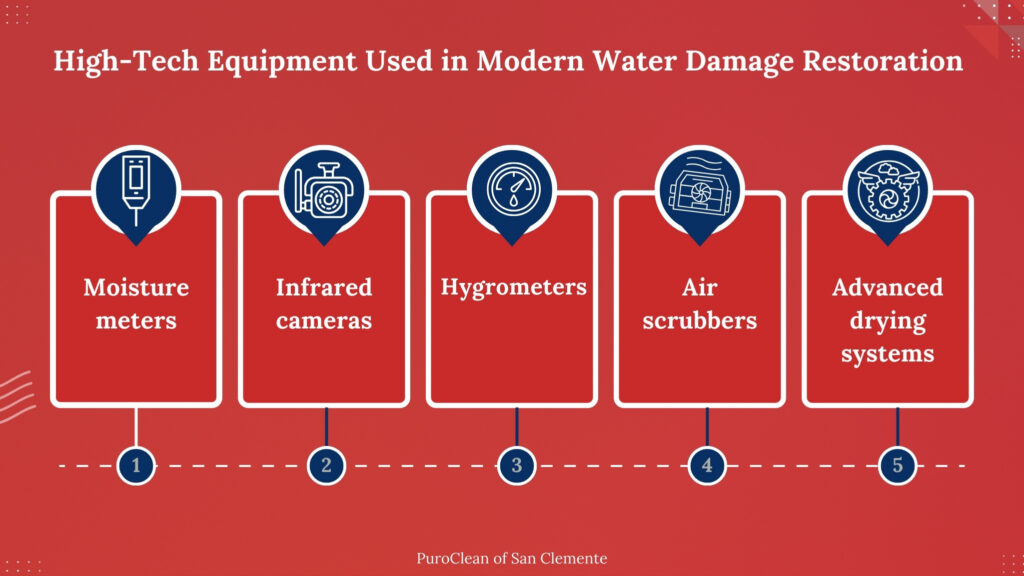
High-Tech Equipment Used in Modern Water Damage Restoration
Professionals rely on high-tech equipment for accuracy and efficiency:
- Moisture meters: These devices measure real-time saturation levels in building materials like walls, floors, and ceilings. By providing accurate moisture readings, they help technicians quickly pinpoint affected areas and monitor drying progress with precision.
- Infrared cameras: These thermal imaging tools detect hidden moisture that can’t be seen with the naked eye, especially behind drywall or beneath flooring. By highlighting temperature variations, they reveal potential water intrusion, allowing for precise and targeted remediation.
- Hygrometers: These instruments are essential for monitoring moisture levels in the air during the restoration process. Controlling humidity helps prevent mold growth and ensures a stable and effective drying environment.
- Air scrubbers: These devices are used to eliminate airborne contaminants such as mold spores, dust, and bacteria during cleanup. By improving indoor air quality, they help create a safer environment for both workers and occupants.
- Advanced drying systems: High-powered air movers and dehumidifiers work together to extract moisture from structural components. This accelerates the drying process and helps prevent long-term issues such as wood warping and mold growth.
This technology is key to ensuring the water damage cleanup process is thorough and scientifically sound.
How to Prevent Property Water Damage in the Future with the Help of Technology
Prevention is the smartest form of restoration. Experts recommend these steps:
- Smart water leak detectors: These detectors should be installed near appliances, basements, and other high-risk areas to provide early warnings of leaks. These devices can send real-time alerts to your phone, helping you act quickly to minimize water damage.
- Gutter maintenance: This should be cleaned regularly to prevent clogs and water overflow that can lead to structural water damage. Proper drainage ensures rainwater is directed away from the foundation and roof, reducing the risk of leaks and erosion.
- Foundation and window sealing: Cracks in the foundation and around windows should be sealed to stop water intrusion during heavy rain or snowmelt. This simple preventive step can protect your home from moisture-related issues like mold, rot, and insulation damage.
- Pipe insulation: These should be properly insulated to prevent freezing and bursting during colder months, which can cause severe water damage. Insulation maintains stable pipe temperatures and reduces the risk of plumbing emergencies.
- Annual plumbing inspections: This should be scheduled to catch small issues before they become major, costly problems. Early detection of leaks, corrosion, or pressure irregularities can save thousands in potential repair costs.
Preventive action helps you avoid the cost and hassle of the water damage cleanup process down the road.
Conclusion
Water damage may strike without warning, but recovery is far from random. Behind every successful restoration is a blend of cutting-edge technology, proven techniques, and a deep understanding of building science. From the moment moisture is detected to the final stages of drying and sanitizing, restoration professionals work with precision and urgency to safeguard your property and your health.
By acting quickly, using the right tools, and following proven methods, experts do more than just clean up. They help make your home safe, strong, and worry-free again. With smart technology and simple prevention steps, you can also lower the chance of water damage in the future.
FAQs:
Q1. How much water is considered a threat to property?
A: Even small leaks over time can cause major issues. A single inch of water in a 1,000-square-foot space can equal over 600 gallons.
Q2. Are restoration costs tax-deductible?
A: In some cases, if the damage is related to a federally declared disaster, costs may be deductible. Consult a tax professional for details.
Q3. Can electrical systems be salvaged after water exposure?
A: It depends on the extent of exposure. Certified electricians should inspect and test systems before reactivation.
Q4. Does the weather affect the drying time?
A: Yes, humidity and temperature impact evaporation. That’s why climate control is part of every professional drying plan.
Q5. What certifications should a water restoration company have?
A: Look for companies certified by the IICRC (Institute of Inspection, Cleaning and Restoration Certification).