 PuroClean of San Clemente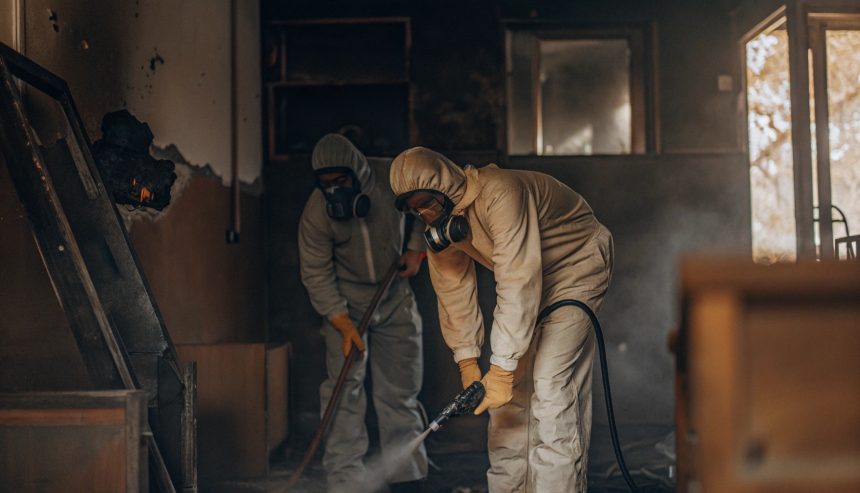
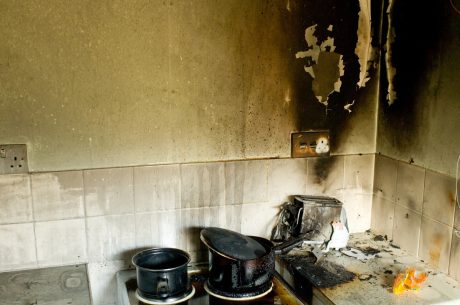
Even after the flames are gone and visible damage is repaired, smoke has a way of staying behind. It settles quietly into walls, fabrics, and the air itself, often becoming more noticeable days or weeks later. Many homeowners are surprised to find that opening windows, using air fresheners, or deep cleaning doesn’t fully solve the problem.
Smoke odor behaves differently from everyday smells, and removing it requires more than surface-level fixes. Understanding how professionals approach this issue helps explain why smoke odor removal is a specialized process rather than a quick cleanup step.
What Makes Smoke Odor So Hard to Remove After a Fire
Smoke odor is difficult to eliminate because it is made up of microscopic particles and gases created during combustion. These particles are small enough to travel far beyond the fire-damaged area and bind to materials throughout the home.
According to the U.S. Environmental Protection Agency (EPA), smoke particles can be smaller than 2.5 microns, allowing them to penetrate deep into building materials and remain suspended in indoor environments long after the fire is out. This is why standard cleaning often improves appearance but leaves odor behind. The smell is not just present in the air; it is embedded within the structure and contents of the home.
How Smoke Particles Penetrate a Home
Smoke moves quickly and unpredictably. It follows airflow patterns, pressure differences, and ventilation pathways, spreading into rooms that may appear untouched. HVAC systems, wall cavities, insulation, and even electrical outlets can become pathways for smoke movement.
Once smoke particles settle, they cling to surfaces and continue releasing odor over time, especially when humidity or temperature changes occur. This deep penetration explains why odor can persist even after visible soot is removed and why smoke odor removal must address hidden areas, not just open spaces.
What Professionals Mean by Smoke Odor Removal
When professionals talk about smoke odor removal, they are referring to the elimination of odor-causing particles at their source, not masking the smell. This involves neutralizing or removing the compounds responsible for the odor rather than covering them with fragrances.
Professional methods are designed to break the bond between smoke particles and surfaces, preventing the odor from resurfacing later. This approach is what separates professional smoke odor removal from temporary, cosmetic solutions.
How Professionals Identify the Source of Smoke Odor
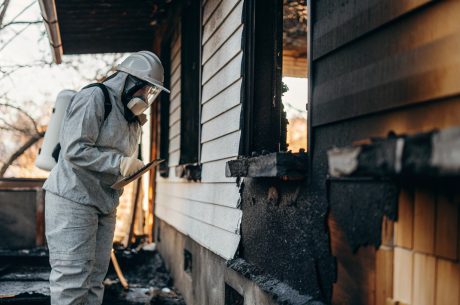
Before treatment begins, professionals focus on locating where the smoke odor is coming from and how far it has spread. This assessment phase guides every decision that follows.
How the source is identified:
- Inspecting both visible and concealed areas such as attics, crawlspaces, and wall cavities
- Evaluating HVAC systems and airflow paths
- Identifying materials that absorb and release smoke differently
Once sources are identified, professionals can target treatment more precisely instead of relying on general deodorization. This reduces the risk of lingering odor and repeat treatments.
What Equipment Is Used to Remove Smoke Odor
Professional smoke odor removal relies on specialized equipment designed to address airborne particles and surface contamination simultaneously. These tools are selected based on the type of fire, the materials affected, and the extent of odor penetration. Equipment works in controlled stages, ensuring that particles are captured, neutralized, or broken down rather than redistributed throughout the home.
Air Scrubbers and Filtration Systems
Air scrubbers use high-efficiency particulate air (HEPA) filtration to remove smoke particles from indoor air. HEPA filters are capable of capturing particles as small as 0.3 microns, which is critical after a fire. This filtration significantly reduces airborne contaminants during post-fire cleanup. These systems play an important role in restoring breathable indoor conditions while other cleaning steps are underway.
Ozone and Hydroxyl Treatments
Ozone and hydroxyl generators are used to neutralize odor-causing molecules at a chemical level. These treatments work by altering the molecular structure of smoke compounds, so they no longer produce odor. Because ozone can be unsafe for occupied spaces, professionals use these tools under strict controls and only when appropriate. Hydroxyl treatments are often used when continuous treatment is needed with fewer restrictions.
How Cleaning Materials and Surfaces Eliminate Odor
Cleaning after a fire is not uniform. Smoke residue behaves differently depending on the surface it contacts. Professional cleaning targets the removal of residue without driving odor deeper into materials. Improper methods, such as using water-based cleaners on certain soot types, can worsen odor issues rather than solve them.
This is why smoke odor removal strategies are tailored to the materials involved, ensuring residue is lifted rather than spread.
Porous vs Non-Porous Material Treatment
Porous materials like drywall, insulation, carpets, and upholstered furniture absorb smoke deeply and may continue releasing odor over time. Non-porous surfaces such as metal, tile, and sealed wood allow residue to sit on the surface, making removal more straightforward. Professionals assess whether porous items can be treated or need to be removed entirely, a decision that directly affects long-term results and indoor conditions.
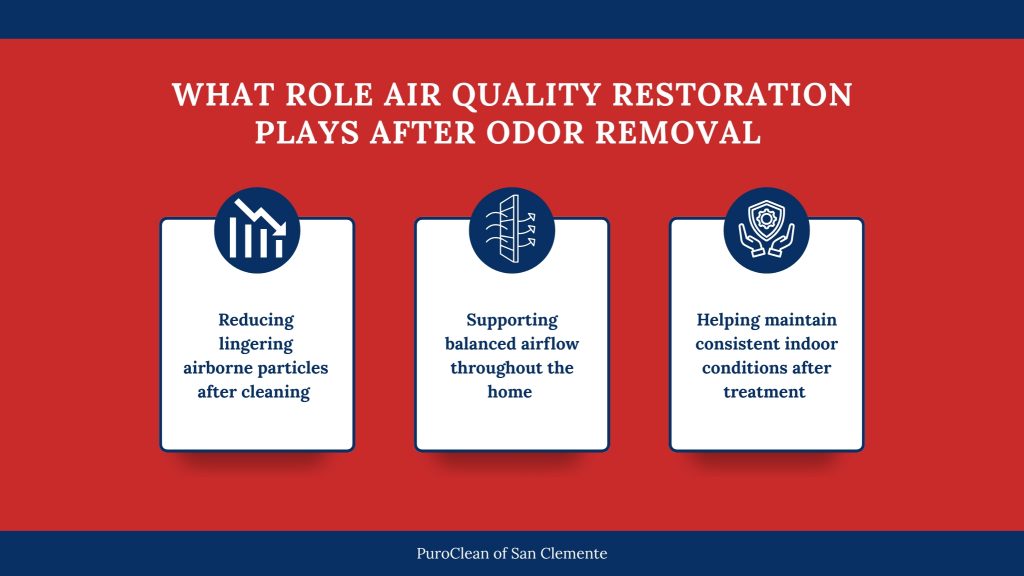
What Role Air Quality Restoration Plays After Odor Removal
Even after odor sources are treated, restoring indoor conditions is a separate but essential step. Air quality restoration focuses on stabilizing the indoor environment once smoke odor removal is complete.
What role does it play:
- Reducing lingering airborne particles after cleaning
- Supporting balanced airflow throughout the home
- Helping maintain consistent indoor conditions after treatment
These steps help prevent residual particles from settling back into cleaned spaces. When done correctly, air quality restoration supports long-term indoor comfort rather than short-term improvement.
Why Smoke Odor Removal Is Not a One-Step Process
Smoke odor removal requires multiple stages because odor behaves differently at each phase of cleanup. Rushing the process often leads to incomplete results, especially when odor treatment is only one part of a broader fire recovery effort.
Why are multiple steps needed:
- Smoke residue reacts differently during cleaning and drying
- Odor release can increase as materials warm or dry
- Verification is needed to ensure the odor does not return
Each phase builds on the previous one, allowing professionals to adjust methods as conditions change. This is also why smoke odor removal can affect the overall restoration timeline. For a clearer picture of how odor treatment fits into the full recovery process, readers can refer to our blog on how long fire damage restoration takes from start to finish.
How Professionals Confirm the Odor Is Fully Removed
Confirmation goes beyond simply noticing that the smell is gone. Professionals reassess treated areas, monitor air conditioning, and verify that odor does not return after normal occupancy resumes. In some cases, air testing or follow-up inspections are used to confirm that smoke odor removal and air quality restoration were effective. This final step ensures that results are stable and not dependent on temporary conditions.
Conclusion
Smoke odor after a house fire is complex because it involves airborne particles, surface contamination, and chemical interactions within materials. Professional smoke odor removal addresses these factors through careful assessment, targeted equipment, and staged treatment rather than quick fixes.
When combined with proper air quality restoration, this approach helps ensure that odor does not quietly return over time. Understanding what professionals actually do clarifies why lasting results depend on process, not shortcuts.
FAQs
Q1. Can the smoke odor return after it seems removed?
A: Yes. Changes in temperature or humidity can cause trapped particles to release odor again if treatment is incomplete.
Q2. Does smoke odor removal improve indoor air conditioning?
A: Yes. Removing odor sources and restoring airflow directly support healthier indoor conditions.
Q3. Are household products effective after a fire?
A: They may reduce surface smells temporarily, but usually cannot address deeply embedded smoke particles.
 PuroClean of San Clemente