 PuroClean of San Clemente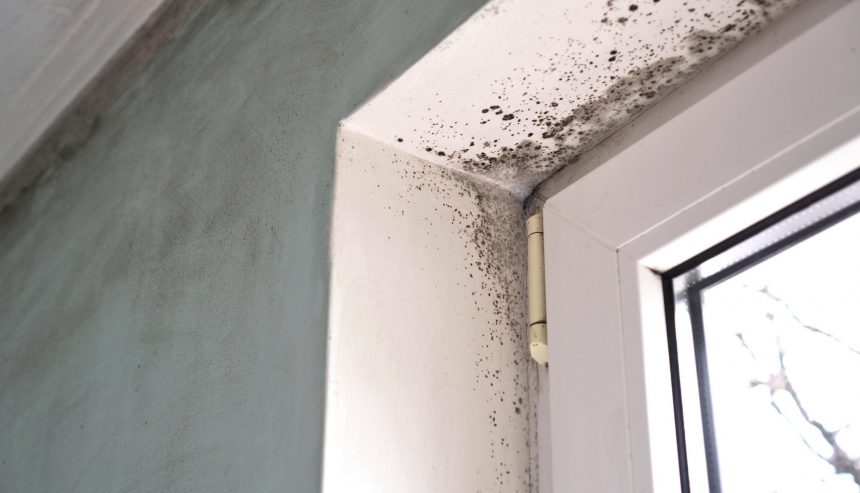
Coastal living brings with it the soothing sounds of the ocean and fresh sea breezes, but it also presents certain risks for homeowners. One common and costly issue many San Clemente residents face is mold growth. Mold can cause damage to your home’s structure and affect indoor air quality, potentially impacting your family’s health.
Being aware of the reasons behind the increased mold risk in coastal homes can help you take early action. This blog explains why coastal homes in San Clemente are more prone to mold and shares valuable tips on how to detect mold in your home so you can keep your living space safe and healthy.
Understanding Why Coastal Homes Face Increased Mold Risks
The coastal environment creates a unique combination of elements that encourages mold growth. Moisture is mold’s best friend, and near the ocean, moisture is often abundant both inside and outside the home. These conditions make it easier for mold spores to settle and multiply on surfaces, often going unnoticed until they become a bigger problem.
Coastal homes also face structural challenges due to the constant exposure to salty air and weather, which can weaken building materials over time. Recognizing these environmental and structural risks is essential to protecting your property and understanding how to detect mold in your home before it spreads. Below, we dive deeper into the specific factors that make coastal homes especially vulnerable to mold.
Factors That Make Coastal Homes in San Clemente More Vulnerable to Mold
Coastal properties face unique challenges that raise moisture levels and weaken building materials, creating ideal conditions for mold growth. By understanding these issues, you can take steps to maintain your home more effectively and spot signs of mold early, before the problem escalates.
High Humidity Levels Year-Round
San Clemente’s proximity to the ocean means the air holds a lot of moisture. Knowing how to detect mold in your home in these conditions is crucial because consistently high humidity penetrates walls, floors, and furnishings, creating damp conditions that allow mold spores to thrive. Unlike inland areas where humidity levels fluctuate widely, the coastal climate often keeps moisture levels elevated, increasing mold risks.
Salt Air Accelerates Building Material Wear
Salt particles carried by ocean breezes settle on your home’s exterior and can seep into porous materials. Learning how to detect mold in your home early is important because salt exposure accelerates the wear and tear of paint, wood, and concrete, making these surfaces more likely to absorb water. The weakened, porous surfaces are prime spots for mold to start growing and spreading.
Frequent Fog and Morning Dew
Coastal regions experience regular fog and morning dew that deposit moisture on windows, roofs, and walls. Understanding how to detect mold in your home in such environments helps prevent long-term damage, as this recurring moisture isn’t always easy to dry off, particularly in shaded or poorly ventilated areas. Over time, these repeated wetting cycles provide an ideal environment for mold colonies to establish.
Flooding and Water Intrusion Risks
Storm surges, heavy rains, and high tides can lead to water intrusion in coastal homes. Knowing how to detect mold in your home after such events is essential, as even small leaks or seepage can saturate crawl spaces, basements, or foundations. If these damp areas are not dried quickly and thoroughly, they create hidden mold growth zones that are difficult to detect and remove.
Poor Ventilation in Humid Conditions
Older homes, common in many coastal neighborhoods, often lack modern ventilation systems. Poor air circulation traps moisture inside rooms, walls, and attics. Without proper airflow, dampness lingers longer, supporting mold growth and complicating efforts to detect mold in your home using simple visual checks alone.
Early Indicators of Mold in Your Home
Being proactive can help you avoid costly repairs and protect your health. You can also review the EPA’s guide for trusted, expert recommendations on detecting mold in your home.
- Damp, Earthy Smells: A lingering, stale odor can be an early indicator of mold growth, even if no visible signs are present yet.
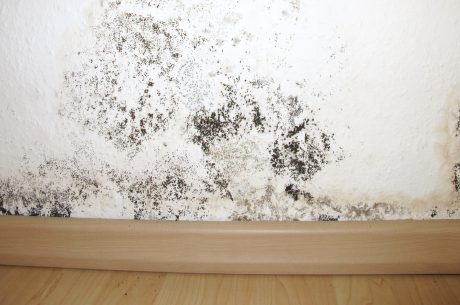
- Discoloration or Spots: Watch for dark, greenish, or pale spots on surfaces such as walls, ceilings, or window frames, as these may signal the start of mold growth.
- Bubbling or Flaking Paint: When moisture gets trapped within walls, it can lead to paint blistering or peeling, which may indicate possible mold development.
- Persistent Unhealthy Reactions: Recurring sneezing, coughing, or irritation on the skin among residents may point to hidden mold in the home.
By paying attention to these signs, you can address mold issues before they escalate into serious damage.
Common Areas for Mold Growth in Coastal Homes
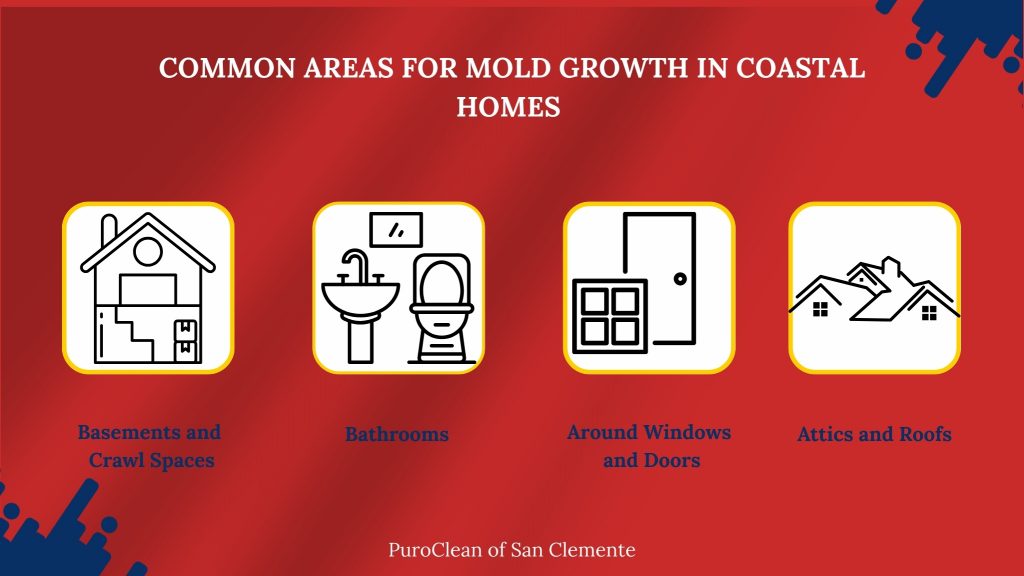
Mold tends to flourish where moisture accumulates. Coastal homes in San Clemente should especially monitor the following areas to improve detecting mold in your home and prevent serious damage:
- Basements and Crawl Spaces: Often damp and poorly ventilated, these areas can harbor mold behind walls and under flooring.
- Bathrooms: Constant exposure to water and steam makes bathrooms a common mold hotspot, especially if ventilation is insufficient.
- Around Windows and Doors: Condensation and leaks can trap moisture around frames, providing a safe haven for mold.
- Attics and Roofs: Roof leaks and poor attic ventilation create hidden wet spots perfect for mold to develop.
Regular inspection of these areas helps stop mold before it spreads. Staying consistent with these checks is one of the best ways to protect your property while also making it easier to detect mold in your home.
Prevention Tips for Coastal Homeowners
While the coastal environment is beyond control, knowing a few effective ways can help you protect your home. Check out our blog on Prevention and Remediation Tips for Mold in Your Home for more detailed information. Some of the most effective ways to reduce mold risk are:
- Improve Ventilation: Installing exhaust fans and using air circulation techniques lowers indoor humidity, discouraging mold growth.
- Control Moisture: Use dehumidifiers, especially in humid months, and fix leaks immediately to prevent moisture buildup.
- Maintain Exterior Surfaces: Regularly inspect and repair damaged paint, roofing, and seals to block water entry.
- Proper Landscaping: Ensure that the ground slopes away from your home’s foundation to avoid water pooling near the structure.
- Schedule Regular Inspections: Have professionals assess your home annually or after heavy weather events to catch mold early.
Following these tips is essential to successfully know how to detect mold in your home and prevent costly repairs later.
Conclusion
The unique coastal environment of San Clemente significantly increases the risk of mold growth due to constant moisture, salt air exposure, and flooding risks. By understanding these challenges and recognizing early signs, homeowners can detect mold more easily. Taking proactive steps like improving ventilation, controlling moisture, and regular inspections will help keep mold at bay and your living environment healthy.
FAQs
Q1: Is there a device that detects mold in the air?
A: Yes, air quality monitors can detect elevated mold spores in indoor air. These devices offer early alerts but are best used alongside professional testing for accuracy.
Q2: How often should I inspect my coastal home for mold?
A: It’s recommended to inspect at least once or twice a year, particularly after storms or flooding events.
Q3: Can mold cause health problems?
A: Exposure to mold can trigger allergies, respiratory irritation, and worsen asthma symptoms. Early detection and remediation are important for health safety.

 PuroClean of San Clemente