


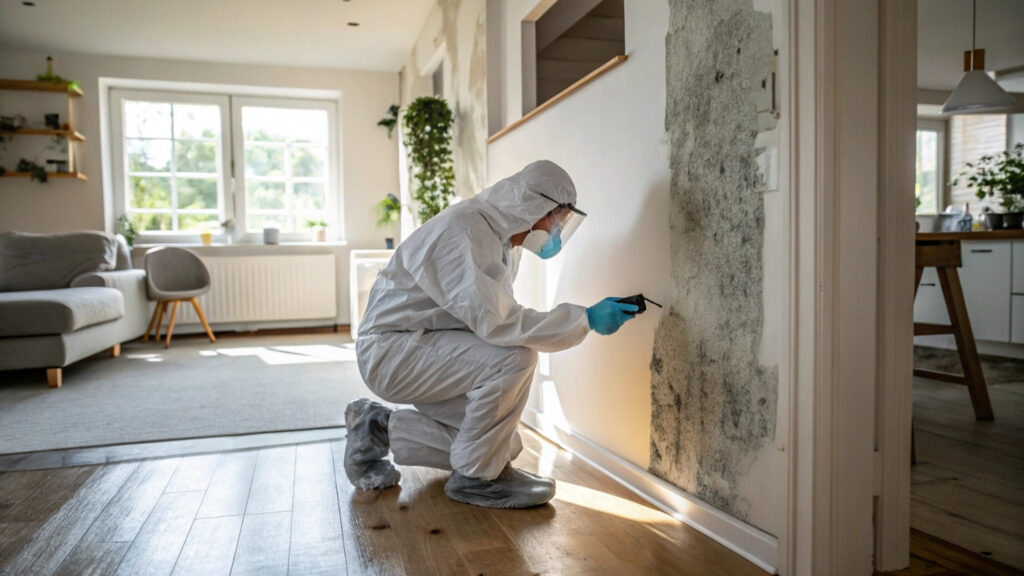
Living in San Clemente comes with undeniable perks like coastal views, ocean breezes, and a relaxed lifestyle. However, the same coastal charm that draws people in also creates an ideal environment for mold growth. The high humidity and moisture from the ocean air can seep into your home, especially in areas with poor ventilation or water exposure.
This blog helps you spot the early signs of mold in your home through common visual, sensory, and physical clues. It also explains when it’s time to seek a professional mold inspection San Clemente.
What Is Mold and Why Does It Matter?
Mold is a type of fungus that thrives in damp, warm, and poorly ventilated environments. It reproduces through microscopic spores that float through the air and settle on moist surfaces, where they begin to grow. While some molds are harmless in nature, indoor mold can be a serious issue, causing structural damage and triggering health problems like allergies and asthma.
In coastal areas like San Clemente, the constant moisture in the air creates ideal conditions for mold to spread quietly, often behind walls, under floors, or inside HVAC systems. This makes early detection essential to maintaining a healthy and safe home environment. In the following sections, we’ll explore the common signs of mold in your home and how to recognize them early.
Musty Smells You Can’t Explain
One of the earliest indicators of hidden mold is a musty or earthy odor. This scent is produced by microbial volatile organic compounds released during mold growth. While it might be mistaken for old carpet, stale air, or damp laundry, the smell tends to persist even after airing out the space. It is most noticeable in basements, closets, or rarely used rooms. If the odor returns each time after the area is closed for a day or two, mold may be growing behind walls or beneath the flooring. In this situation, scheduling a mold inspection San Clemente is often the safest course of action.
Allergy Symptoms That Start at Home
It’s easy to blame sneezing, coughing, itchy eyes, or nasal congestion on allergies or weather changes. However, when these symptoms consistently worsen at home and improve elsewhere, mold exposure may be the real cause. According to the CDC, indoor mold can trigger allergic reactions and asthma attacks, especially in children, the elderly, or anyone with respiratory conditions. These health symptoms often appear before visible mold is present. If your family members seem to feel unwell only while inside your home, it may be time to look for signs of mold in house environment and act accordingly.
Stains and Spots on Walls or Ceilings
Many people associate mold with large black blotches, but the early stages are more subtle. Mold can begin as small spots of discoloration on walls, baseboards, or ceilings. These marks may seem like water stains or grime, but slowly expand over time. When you notice new stains or marks that don’t clean off easily or that return quickly, these are definite signs of mold in house interiors that warrant further investigation through a mold inspection in San Clemente.
Bubbled Paint or Peeling Wallpaper
Mold often thrives behind sealed surfaces. When drywall or plaster absorbs moisture, the surface materials like paint and wallpaper begin to deform. Bubbles in the paint, soft spots in the wall, or curling edges of wallpaper are visual clues that moisture has been present behind the surface for a while. Especially in coastal homes, moisture from outside air can enter through gaps in the exterior walls, making San Clemente properties particularly vulnerable to hidden mold colonies behind the paint. If detected early, a mold inspection San Clemente can prevent widespread damage.
Past Leaks That Keep Causing Problems
Even when a water incident seems small, such as a minor pipe leak, roof drip, or washing machine overflow, it can lead to long-term moisture problems. Water tends to seep into areas that don’t dry easily, like subfloors, insulation, or the space between drywall and studs. These areas become incubators for mold if they remain damp for more than a day or two. If your home in San Clemente has experienced any kind of water intrusion in the past, it’s wise to remain alert for any recurring odor or staining. A thorough mold inspection in San Clemente can help confirm whether hidden mold has taken hold behind the scenes.
Warping Floors or Soft Walls
Over time, mold can degrade the materials it grows on, leading to physical changes in your home. Floors may warp slightly, tiles may loosen, or walls might feel soft to the touch in areas where mold has been active for some time. These changes usually signal that mold has compromised the material’s structure, especially wood or drywall. Even if these signs of mold in house interiors appear in isolated areas, they should not be ignored. Calling for a mold inspection in San Clemente at this stage can prevent larger repairs and safeguard your home’s air quality.
Indoor Condensation and Foggy Windows
Another subtle sign is moisture forming inside your home. When you frequently see fog on the inside of windows or condensation gathering on cold surfaces, it suggests your indoor humidity is too high. High humidity is one of the most important environmental factors that promote mold growth. Condensation around windows, especially if the sills or frames begin to stain or swell, is often a precursor to visible mold. In coastal climates like San Clemente, controlling indoor humidity is more difficult but even more essential to mold prevention.
Rust Forming on Metal Fixtures
Rust on metal fixtures is another early sign that moisture levels are excessive in certain areas of your home. Pipes, curtain rods, door hinges, and metal vents that begin to show signs of rust may indicate sustained moisture, often in conjunction with mold growth. Bathrooms, laundry rooms, and basements are the most common areas where this appears. While rust itself is not a health concern, it suggests the environment is one where mold can also flourish.
Musty HVAC Vents or Dust Buildup
HVAC systems can inadvertently spread mold spores if they become contaminated. Musty smells emanating from vents or sudden dust buildup around registers may indicate the system is harboring mold. Since HVAC ducts are often out of sight, hidden mold in home ventilation systems can grow unchecked for months while affecting your entire living space. It’s especially important to check the HVAC system in homes near the coast, where salty air can contribute to internal moisture buildup.

Final Thought
Spotting the early signs of mold in house environments can prevent long-term issues, improve indoor air quality, and protect your health. Don’t wait until mold becomes visible or causes damage. If something smells, looks, or feels off, your best move is to schedule a mold inspection San Clemente and address the issue before it spreads.
FAQs
Q1: Can mold affect the resale value of my home in San Clemente?
A: Yes, undisclosed or untreated mold issues can significantly reduce your home’s resale value. Buyers are increasingly cautious, and mold found during inspection can delay or derail a sale.
Q2: Do insurance policies typically cover mold damage?
A: It depends on the cause. Most standard homeowners’ policies cover mold only if it results from a covered peril (like a sudden pipe burst), but not from long-term moisture or neglect. Always check your specific coverage.
Q3: Can pets be affected by indoor mold exposure?
A: Yes, pets can suffer from mold-related symptoms such as sneezing, wheezing, or skin irritation. If your pet seems ill at home but fine elsewhere, indoor mold could be a contributing factor.
Q4: Is there a mold season in San Clemente?
A: While mold can grow year-round, it tends to spike during the winter and spring due to coastal fog, rain, and lower ventilation rates. Keeping an eye on indoor moisture during these seasons is important.