 PuroClean of San Clemente
A biohazard situation at home can feel sudden, overwhelming, and deeply unsettling. It’s not something most people ever expect to face, and it often comes with a mix of stress, confusion, and urgent questions. When professional help is on the way, knowing what to do beforehand can bring a small sense of control during an otherwise difficult moment.
The goal isn’t to handle the cleanup yourself. Instead, it’s about creating the safest possible environment before specialists arrive, protecting yourself and others while allowing the cleanup team to work efficiently. Learning how to prepare for biohazard cleanup can make the process smoother and reduce unnecessary risks.
Understanding What Home Preparation Means in a Biohazard Situation
Preparing your home in this context is not about scrubbing or disinfecting surfaces. It’s about taking careful, practical steps to secure space, reduce exposure, and make the environment accessible for trained technicians. Many people assume preparation means cleaning first, but that can actually increase danger.
Knowing the right pre-cleanup safety steps helps you focus on what matters most: limiting contact, preventing spread, and supporting the professionals who are trained to manage hazardous conditions properly.
Why Home Preparation Matters Before Cleanup Begins
Before professional work starts, the home may still contain harmful biological material that can pose health risks. Taking time to prepare for biohazard cleanup ensures that the affected area remains undisturbed and that others in the household stay safe.
Preparation also reduces delays. Cleanup crews often need clear entry points, space to set equipment, and a controlled environment to begin work safely.
The difference between regular cleaning and biohazard cleanup
Biohazard cleanup is not the same as normal housekeeping. These situations may involve blood, bodily fluids, chemical contaminants, or other materials requiring specialized handling. Regular cleaning tools and household disinfectants are not enough, and even the CDC outlines strict protocols for when and how to clean and disinfect a facility.
Understanding these differences is one of the most important pre-cleanup safety steps because it prevents accidental exposure or worsening contamination.
Emotional and practical reasons preparation helps
These situations are often emotionally heavy, especially when connected to trauma or unexpected events. Preparing the space can help reduce chaos and give homeowners something manageable to focus on while waiting. Taking small actions to prepare for biohazard cleanup can also help you feel more grounded during a stressful time.
What Counts as a Biohazard Cleanup Scenario
Biohazard cleanup is required whenever biological substances or potentially infectious materials are present in a home. This can include far more than people realize. Recognizing the type of situation helps you understand why professional intervention matters and why prepare for biohazard cleanup should be handled with caution rather than urgency to clean.
Common situations that require professional support
Professional services are commonly needed after unattended deaths, accidents involving blood, sewage backups, hoarding with contamination, or severe pest infestations. Many of these fall under common household biohazard situations. In these cases, proper pre-cleanup safety steps help limit exposure before specialists arrive.
Why these environments need specialized handling
Biohazard environments may contain pathogens that are invisible but dangerous. Professionals use protective equipment, hospital-grade disinfectants, and disposal procedures that homeowners do not have access to. That is why it is essential to prepare for biohazard cleanup without attempting to manage hazardous materials yourself.
What Homeowners Should Do Before the Cleanup Team Arrives
Once you’ve contacted a professional service, your role becomes supportive rather than hands-on. The most helpful thing you can do is ensure the space is safe and accessible. Taking time to prepare for biohazard cleanup can reduce complications and help technicians begin work immediately.
Creating space for technicians to work safely
Cleanup teams often bring large equipment, sealed containers, and protective gear. Clear hallways, entryways, and nearby rooms if possible. One of the simplest pre-cleanup safety steps is removing clutter from pathways without touching anything in the affected area.
Identifying affected areas without disturbing them
If you know where contamination may be present, you can inform the team without entering or touching those spaces. Avoid moving furniture, linens, or personal items from the impacted zone. This approach helps prepare for biohazard cleanup while minimizing the chance of spreading contaminants.
What Items and Areas Should Be Secured Ahead of Time
Before professionals arrive, it’s important to think about what needs to be protected or kept out of the way. Properly organizing the home is part of how you prepare for biohazard cleanup in a responsible and safe manner.
Personal belongings and sensitive items
If possible, secure valuables, important documents, or sentimental items from nearby safe areas. Do not retrieve anything from contaminated zones. A key part of pre-cleanup safety steps is understanding that some belongings may need assessment before they can be safely handled.
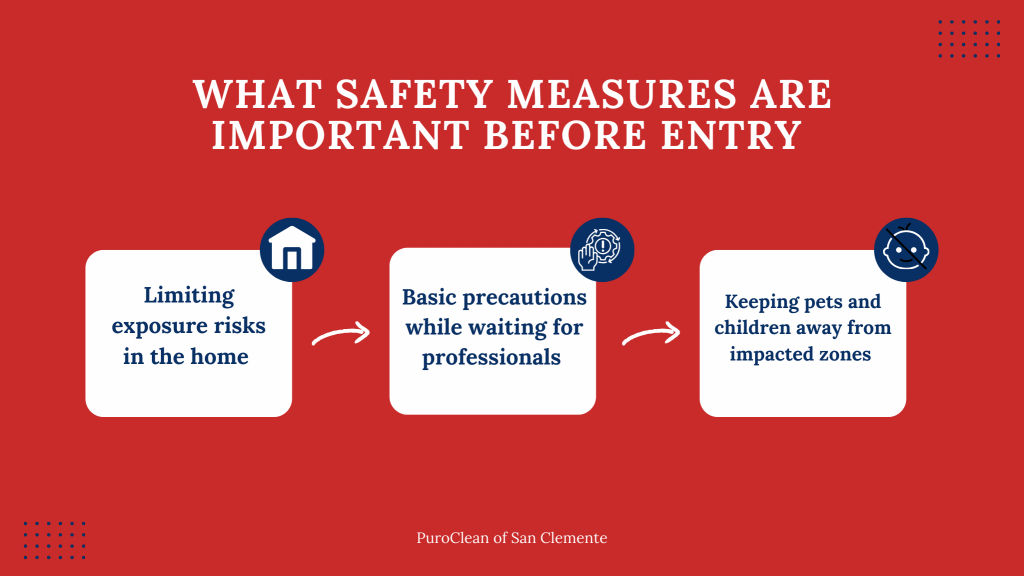
What Safety Measures Are Important Before Entry
Many people feel tempted to check the area, open windows, or start cleaning. However, safety should come first. Following the right pre-cleanup safety steps can prevent serious health risks before trained help arrives.
Limiting exposure risks in the home
Avoid entering the affected space unless absolutely necessary. If you must pass through, wear gloves and avoid touching surfaces. The safest way to prepare for biohazard cleanup is to keep the area sealed off as much as possible.
Basic precautions while waiting for professionals
Turn off fans or HVAC systems that could circulate particles. Wash hands frequently, and avoid eating or drinking near the impacted zone. The EPA also offers helpful guidance on improving indoor air quality in these situations. Even simple pre-cleanup safety steps like these can make a meaningful difference.
Keeping pets and children away from impacted zones
Children and animals are especially vulnerable because they may not understand boundaries. Arrange for them to stay with family or remain in a separate, safe area of the home. This is one of the most critical ways to prepare for biohazard cleanup while protecting your household.
What to Expect from the Cleanup Process Once It Starts
Knowing what will happen once the team arrives can ease anxiety. Professional crews follow structured protocols to assess, remove, disinfect, and restore the space. Understanding the process helps you prepare for biohazard cleanup mentally as well as practically.
How professionals assess contamination
Technicians typically begin by inspecting the area, identifying affected materials, and determining what must be removed or treated. At this stage, homeowners should continue following pre-cleanup safety steps by keeping distance and allowing the crew to work uninterrupted.
What homeowners should avoid during the service
Avoid entering the work zone, asking to retrieve items mid-process, or attempting to speed things up. Biohazard cleanup requires careful, step-by-step handling. Trusting the process is part of how you prepare for biohazard cleanup successfully.
Conclusion
Facing a biohazard situation at home is never easy, and it often comes with emotional and practical challenges at once. While professional cleanup teams handle the dangerous work, homeowners can still play an important role by creating a safer environment beforehand.
By taking thoughtful actions, respecting boundaries, and following recommended guidance, you can prepare for biohazard cleanup in a way that protects both your household and the professionals coming to help. The most important thing is to avoid rushing into cleaning and instead focus on safety, space, and support.
FAQs
Q1. Should I clean anything myself before the team arrives?
A: No. It’s safer to avoid direct cleaning because disturbing materials can increase exposure. Focus instead on securing the area and waiting for professionals.
Q2. How long does preparation usually take?
A: Most preparation only takes a couple of hours, depending on the home. Simple steps like clearing pathways and keeping others away are usually enough.
Q3. What should I do if I feel overwhelmed during the process?
A: That’s completely normal. Reach out to a trusted friend, family member, or support professional while the cleanup team handles the physical environment.

 PuroClean of San Clemente