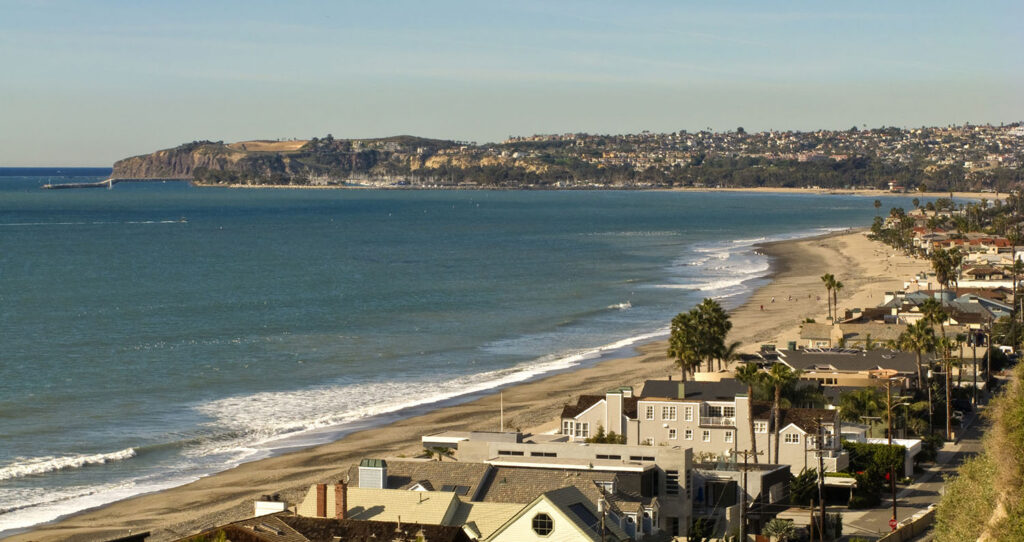


Preparing Your Orange County Home for a Potentially Severe El Niño Winter
“Most homeowners don’t think about their roof until it starts leaking.”
It’s human nature.
When the weather is beautiful, as it often is throughout South Orange County, it’s easy to assume your home is ready for whatever winter brings.
Then one atmospheric river arrives.
The rain falls harder than expected.
Wind begins driving water beneath roof flashing.
Leaves clog gutters that haven’t been cleaned in months.
Storm drains struggle to keep pace.
Water begins pooling against foundations.
A small ceiling stain appears in the hallway.
Within hours, a minor maintenance issue becomes thousands of dollars in repairs.
Every winter, restoration professionals throughout Southern California respond to situations just like these. While no one can predict exactly how much rain any community will receive during a given season, meteorologists are closely monitoring conditions that could increase the likelihood of another significant El Niño pattern developing over the Pacific.
For homeowners in San Clemente, Dana Point, San Juan Capistrano, Laguna Niguel, Mission Viejo, Laguna Beach, and throughout South Orange County, now is the ideal time to prepare, not after the first major storm arrives.
What Is El Niño?
Most people have heard the term El Niño, but far fewer understand what it actually means, or why it matters to homeowners.
El Niño is one phase of a naturally occurring climate cycle known as the El Niño–Southern Oscillation (ENSO). During an El Niño event, sea surface temperatures across portions of the equatorial Pacific Ocean become warmer than average.
That warming changes the behavior of the jet stream over the Pacific Ocean.
Instead of steering storms farther north, the jet stream often shifts southward, increasing the potential for stronger Pacific storm systems to impact California.
It’s important to understand that El Niño doesn’t create storms by itself.
Instead, it changes the atmospheric conditions that can make large winter storms and atmospheric rivers more likely to affect Southern California.
Some El Niño years produce only modest impacts.
Others become part of California history.

Why Meteorologists Are Paying Close Attention
Every few years, forecasters begin watching ocean temperatures closely.
When those temperatures rise significantly above average, NOAA’s Climate Prediction Center and meteorologists around the world begin updating seasonal outlooks.
Current forecasts suggest conditions are favorable for another strong to very strong El Niño pattern developing, increasing the possibility of a wetter-than-average winter across portions of California. However, it’s important to remember that seasonal outlooks describe probabilities, not guarantees.
That’s actually an important distinction.
A strong El Niño does not automatically mean every city in Southern California will experience record rainfall.
Likewise, a weaker El Niño does not prevent major storms from occurring.
Weather is influenced by dozens of interacting atmospheric systems.
But history has shown that some of California’s most memorable winters have occurred during powerful El Niño years.
For homeowners, the takeaway is simple:
Preparation is much easier, and far less expensive, than emergency repairs.
Looking Back: California’s Historic El Niño Winters
One of the reasons meteorologists take El Niño seriously is because California has seen firsthand what these winters can do.
While every event is different, several stand out as reminders of how dramatically Pacific weather patterns can affect communities across the state.
The 1982–1983 El Niño
Many longtime Californians still remember the winter of 1982–83.
Heavy rains triggered:
• Major flooding
• Landslides
• Road closures
• Coastal erosion
• Billions of dollars in property damage
Communities throughout Southern California experienced severe flooding while unstable hillsides gave way under saturated soils.
It became one of the benchmark El Niño events against which future winters would be compared.
The Historic 1997–1998 El Niño
If one El Niño is remembered above all others, it is probably 1997–98.
Powerful Pacific storms repeatedly battered California.
News footage showed:
• Homes flooded
• Highways underwater
• Hillsides collapsing
• Beaches disappearing beneath pounding surf
• Coastal communities fighting erosion
Throughout Southern California, emergency crews worked around the clock responding to flooding, fallen trees, mudslides, and storm damage.
For many homeowners, that winter became a reminder that California isn’t immune to severe weather.
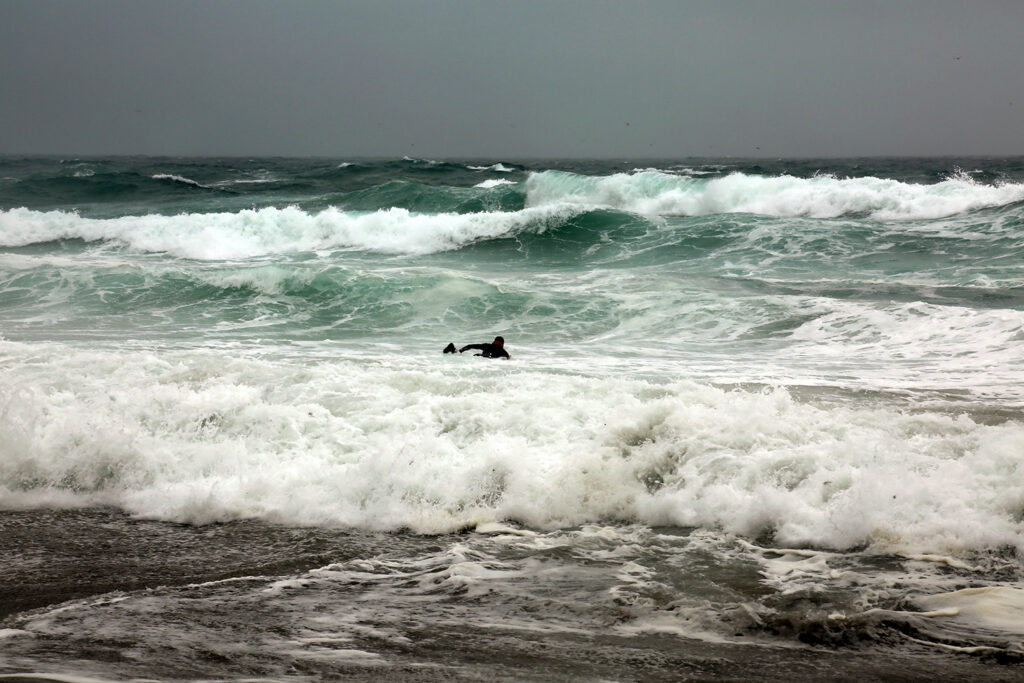
The 2015–2016 El Niño
When another exceptionally strong El Niño developed in 2015–16, many expected a repeat of 1997–98.
Interestingly, rainfall impacts varied considerably from region to region.
Some communities received significant rainfall.
Others experienced a less dramatic winter than anticipated.
Why?
Because El Niño influences probabilities, not certainty.
Other atmospheric patterns still determine exactly where storms develop and how they track across California.
That uncertainty is one reason meteorologists encourage preparation regardless of whether forecasts eventually verify perfectly.
After all…
Cleaning your gutters before winter isn’t wasted effort, even if the season turns out milder than expected.
Why South Orange County Faces Unique Risks
Southern California doesn’t experience hurricanes.
We rarely see tornadoes.
Snow is virtually unheard of near the coast.
So why are restoration companies so busy after major winter storms?
Because South Orange County has its own unique vulnerabilities.
Many neighborhoods throughout:
• San Clemente
• Dana Point
• Laguna Beach
• Laguna Niguel
• San Juan Capistrano
• Mission Viejo
share characteristics that can increase storm-related property damage.
These include:
Aging Roof Systems
Many homes were built decades ago.
Roof tiles themselves often remain in good condition, but flashing, underlayment, sealants, and fasteners gradually deteriorate with age.
Wind-driven rain doesn’t need a large opening.
Sometimes a gap smaller than a pencil is enough.
Coastal Exposure
Homes located near the Pacific Ocean experience salt air, moisture, and strong seasonal winds.
These conditions accelerate wear on roofing materials, exterior finishes, and metal components.
Hillsides and Bluff Communities
Perhaps nowhere is Southern California’s relationship with nature more visible than in San Clemente.
The same dramatic coastal bluffs that make the city one of California’s most beautiful places to live also create unique engineering challenges during wet winters.
When prolonged rainfall saturates soils, slopes become heavier.
Water finds pathways through layers of sandstone and clay.
Over time, those forces can contribute to bluff movement and landslides.
Residents have witnessed firsthand how powerful winter storms can reshape portions of the coastline.
A Reminder from San Clemente
Few recent events illustrate this better than the extended closures affecting Pacific Coast Highway and the coastal rail corridor near San Clemente.
Following periods of heavy rainfall and continued bluff movement, portions of the transportation corridor experienced repeated closures while engineers worked to stabilize the surrounding slopes.
For many residents, it served as a powerful reminder that prolonged rain affects far more than just roads.
The same water saturating coastal bluffs can also find its way into homes through compromised roofs, overwhelmed drainage systems, aging foundations, and poorly functioning gutters.
When storms arrive one after another, even small maintenance issues can become significant sources of water intrusion.
Atmospheric Rivers: The Storms That Matter Most
One of the biggest reasons meteorologists pay close attention to El Niño isn’t simply the total amount of rainfall a season receives, it’s how that rain falls.
A single atmospheric river can deliver more rainfall in a day or two than a community might normally receive over several weeks, overwhelming drainage systems, saturating hillsides, and exposing weaknesses in roofs, windows, and foundations.
In Part 2, we’ll explore what atmospheric rivers are, how they affect Southern California homes, the 15-step homeowner storm preparation checklist, what to do if your roof leaks or storm drains fail, and how rapid mitigation by PuroClean can dramatically reduce water damage and mold risk.
Understanding Atmospheric Rivers: Why They Matter
When meteorologists warn Southern California about incoming winter storms, you’ll often hear the phrase “atmospheric river.”
While the name sounds dramatic, an atmospheric river is simply a long, narrow corridor of concentrated moisture moving through the atmosphere. Think of it as a river in the sky, transporting enormous amounts of water vapor from the tropical Pacific toward the West Coast.
When one of these systems makes landfall, mountains force the moist air upward, causing it to cool and release tremendous amounts of rain over a relatively short period.
One atmospheric river isn’t necessarily dangerous by itself.
The problem occurs when several arrive over a matter of weeks.
The ground becomes saturated.
Storm drains begin struggling.
Hillsides weaken.
Roofs that survived one storm begin leaking during the next.
Even healthy trees can topple when wet soil can no longer support their root systems.
For homeowners, atmospheric rivers aren’t just weather events.
They’re stress tests for every weakness your home may already have.
15 Ways to Prepare Your Home Before the First Major Storm
The best time to prepare for a severe winter storm is while the skies are still blue.
Many of the most expensive water damage claims begin with maintenance issues that could have been addressed ahead of time.
Inspect Your Roof
Look for:
• Broken or missing roof tiles
• Loose flashing around chimneys and vents
• Damaged ridge caps
• Cracked sealant
Most roof leaks begin around flashing, not through the roofing material itself.
Clean Gutters and Downspouts
Leaves, pine needles, and debris can quickly clog gutters.
Overflowing gutters often send water behind fascia boards and into attics.
Test Drainage Around Your Home
Walk around the property after watering or a light rain.
Does water move away from the house?
Or does it collect against the foundation?
Standing water is one of the most common contributors to moisture intrusion.
Inspect Your Attic
A quick attic inspection can reveal:
• Previous roof leaks
• Water stains
• Mold
• Damp insulation
Finding these issues before winter may prevent much larger repairs later.
Trim Overhanging Tree Limbs
Heavy rain and strong winds place tremendous stress on trees.
Removing limbs over your roof reduces the risk of impact damage.
Seal Exterior Openings
Check:
• Windows
• Doors
• Utility penetrations
• Exterior vents
Small openings become significant entry points during wind-driven rain.
Photograph Your Home
Take photos of:
• Roof
• Interior ceilings
• Flooring
• Cabinets
These photographs can be invaluable if an insurance claim becomes necessary.
Review Your Insurance Policy
Many homeowners don’t discover coverage limitations until after a loss.
Understand:
• Water damage coverage
• Flood exclusions
• Mold limitations
• Deductibles
Know Where Your Water Shutoff Is
Every homeowner should know this before an emergency occurs.
Assemble a Storm Kit
Include:
• Flashlights
• Batteries
• Phone chargers
• Contractor bags
• Tarps
• Towels
• Plastic sheeting
• Wet/Dry vacuum
• Sandbags if appropriate
Test Exterior Drains
Make sure patio drains, driveway drains, and yard drains flow freely.
Secure Outdoor Furniture
Flying debris damages windows more often than many homeowners realize.
Watch the Weather
Pay attention to National Weather Service forecasts, not just rainfall totals, but wind advisories and flood watches.
Save Important Phone Numbers
Don’t wait until the storm starts.
Keep contact information for:
• Roofer
• Restoration company
• Insurance carrier
• Utility providers
Don’t Ignore Small Problems
Today’s tiny ceiling stain could become tomorrow’s collapsed drywall.
What To Do If Your Roof Starts Leaking
Roof leaks create panic.
The key is slowing the damage until professionals can respond.
First
Move valuables away from the leak.
Second
Catch dripping water with buckets or containers.
Third
If a ceiling begins bulging with trapped water…
Do NOT ignore it.
A ceiling holding gallons of water may eventually collapse.
Contact professionals immediately for guidance.
Fourth
Photograph everything.
Insurance companies appreciate detailed documentation.
Finally
Never climb onto your roof during an active storm.
Wait until conditions are safe.
When Storm Drains Can’t Keep Up
During especially intense storms, neighborhood drainage systems may become overwhelmed.
If water begins approaching your home:
• Keep drains clear if it can be done safely.
• Move valuables to higher levels.
• Place towels or sandbags where appropriate.
• Have a licensed master plumber inspect you drain lines
• Turn off electricity if water threatens electrical outlets.
Never walk through floodwater unless absolutely necessary.
Even shallow water may conceal hazards.
Why the First 24 Hours Matter
One of the biggest misconceptions homeowners have is that the emergency ends when the rain stops.
In reality…
That’s often when the real damage begins.
Water continues migrating through:
• Drywall
• Insulation
• Baseboards
• Flooring
• Cabinetry
• Framing
Within 24–48 hours, conditions may become favorable for mold growth.
What began as a small roof leak can quickly become:
• Swollen cabinetry
• Warped flooring
• Delaminated drywall
• Musty odors
• Hidden mold colonies
This is why rapid drying is so important.
How Professional Water Mitigation Helps
Many homeowners assume restoration begins with fans.
Professional mitigation is far more systematic.
At PuroClean of San Clemente, the process typically includes:
Emergency Response
Rapid arrival helps minimize additional damage.
Moisture Mapping
Specialized moisture meters identify affected materials, even when they appear dry.
Thermal Imaging
Infrared cameras help locate hidden moisture behind walls and beneath flooring.
Water Extraction
Standing water is removed using commercial extraction equipment.
Structural Drying
Industrial air movers and dehumidifiers remove moisture from building materials.
Daily Monitoring
Technicians monitor drying progress and adjust equipment as conditions change.
Mold Prevention
Early intervention significantly reduces the likelihood of microbial growth.
Insurance Documentation
Detailed photographs, moisture readings, and drying logs can help support insurance claims.
Don’t Wait Until Damage Gets Worse
One of the most expensive decisions homeowners make is waiting.
A leak that might have required only drying on Monday can become:
• Drywall replacement
• Cabinet replacement
• Flooring replacement
• Mold remediation
…by the following week.
Quick action almost always costs less than delayed action.
Frequently Asked Questions
Does homeowners insurance cover storm damage?
Many policies cover sudden storm-related water damage, but coverage varies. Review your policy and contact your carrier promptly after a loss.
Can heavy rain cause mold?
Yes.
If building materials remain wet for more than 24–48 hours, mold growth becomes increasingly likely.
Can rain enter through stucco?
Yes.
Wind-driven rain can penetrate around windows, flashing, and other building penetrations, even if the stucco itself appears intact.
Are tile roofs waterproof?
Not exactly.
The tiles shed most water, but the waterproofing system beneath them, underlayment and flashing, is what ultimately protects your home.
What if my ceiling starts sagging?
A sagging ceiling may contain trapped water and should be evaluated immediately.
Should I remove wet carpet myself?
It depends on the extent of the damage and the type of water involved. Professional assessment is often the safest approach.
How quickly should water be removed?
Ideally within the first 24 hours.
The sooner drying begins, the lower the risk of secondary damage and mold growth.
Be Ready Before the Storm Arrives
Southern California’s beautiful climate makes it easy to forget how quickly winter storms can change everything.
Whether this season ultimately becomes one of the strongest El Niño winters in recent memory or simply delivers a handful of powerful Pacific storms, preparation remains one of the smartest investments a homeowner can make.
A weekend spent cleaning gutters, inspecting your roof, and clearing drainage paths may save thousands of dollars in repairs later.
And if water does find its way into your home despite your best efforts, responding quickly can dramatically reduce long-term damage.
For homeowners in San Clemente, Dana Point, San Juan Capistrano, Laguna Niguel, Laguna Beach, Mission Viejo, and throughout South Orange County, PuroClean is ready to help with rapid-response water damage mitigation, structural drying, moisture detection, mold prevention, and restoration services when you need them most.
Because when it comes to water damage…
The storm isn’t always what causes the most damage.
Sometimes it’s what happens after the rain stops.