


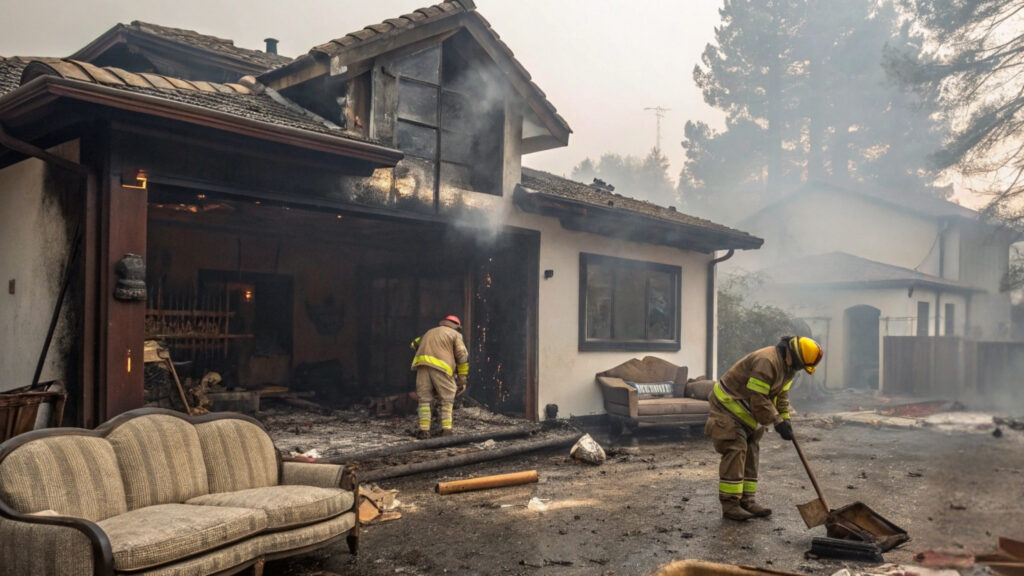
Experiencing a house fire is an overwhelming event. Beyond the immediate shock and emotional distress, the aftermath presents daunting practical challenges. Your mind might be racing, wondering about next steps, safety concerns, and restoration. You’re not alone in this situation; understanding how to approach post fire safety can empower you during a difficult time.
In this blog, we’ll outline essential steps to clean up after a fire safely and efficiently, with a focus on professional restoration resources available in San Clemente.
Post-Fire Situation in Your San Clemente Home
After a fire, San Clemente homeowners face unique challenges influenced by our coastal environment. The aftermath typically includes structural damage, hazardous soot, lingering smoke odors, and potential mold growth due to moisture exposure during firefighting efforts.
Recognizing post fire safety early is crucial to protecting your health, preventing further damage, and setting the stage for a safe, efficient recovery. Acting quickly in the first hours and days after a fire can significantly reduce risks and highlight the value of professional cleanup and restoration services.
Stages of the Post-Fire Cleanup Process in San Clemente
Recovering from a home fire can be practically overwhelming, especially in the early stages of cleanup and restoration. In coastal communities like San Clemente, the process also involves extra steps to address unique environmental conditions. On top of these challenges, the emotional toll of losing your home or possessions can be significant. Breaking down the stages helps you better understand what’s involved in professionally restoring your home after a fire.
Stage 1: Immediate Safety Assessment and Securing the Property
Right after the fire is extinguished, the first step in post fire safety is ensuring everyone’s immediate physical safety and securing the property. Restoration experts and safety officials conduct a thorough inspection, focusing on:
- Structural stability: Assessing walls, roofs, floors, beams, and foundations to identify potential collapse risks.
- Electrical hazards: Checking for exposed wires, damaged circuits, and risks of electric shock.
- Water damage evaluation: Examining the extent of water damage from firefighting efforts, which is crucial in coastal areas prone to mold growth.
- Temporary securing measures: Boarding up windows and doors or installing tarps to protect your home from further environmental damage, theft, or vandalism.
Stage 2: Comprehensive Documentation of Fire Damage
Proper documentation is vital for insurance claims. Restoration professionals systematically document the extent of fire, smoke, soot, and water damage. The process includes:
- Taking detailed photographs and videos of each affected area.
- Creating an itemized list of damaged or destroyed belongings.
- Preparing a clear and detailed written report for insurers, ensuring a smoother claims process.
Stage 3: Professional Smoke, Soot, and Debris Removal
When you clean up after a fire, it’s not just the visible debris that matters; hidden contaminants can pose significant health risks. Specialists carefully handle:
- Removal of hazardous debris: Safely disposing of burnt building materials, furniture, and contaminated personal items.
- Soot and smoke residue cleaning: Using specialized HEPA vacuums and chemical sponges to eliminate toxic residues.
- Air quality improvement: Deploying air scrubbers, ventilators, and dehumidifiers to improve indoor air quality, essential in San Clemente’s coastal climate.
Stage 4: Deep Cleaning, Deodorization, and Mold Prevention
After visible debris is cleared, extensive cleaning begins:
- Deep cleaning: Professional cleaning teams scrub walls, ceilings, fixtures, carpets, furniture, and HVAC systems.
- Odor removal: Specialized deodorizing techniques like thermal fogging or ozone treatments neutralize lingering smoke odors.
- Mold and moisture mitigation: Due to San Clemente’s humidity, professional drying equipment and antimicrobial treatments prevent mold growth and future health risks.
Stage 5: Structural Repairs and Complete Restoration
Finally, restoration professionals return your home to its pre-fire condition, incorporating necessary protections for coastal environments:
- Structural repairs: Fixing or replacing damaged walls, roofs, flooring, insulation, and windows.
- Repainting and refinishing: Restoring interior and exterior surfaces with protective coatings suitable for coastal climates.
- Final inspections: Ensuring that all repair work meets local building codes and safety standards.
- Restoration of belongings: Professional cleaning or replacement of salvaged furniture, appliances, and personal items.
Understanding Post-Fire Health Hazards
Fires produce more than visible damage. A critical part of post fire safety is recognizing and managing lingering health threats caused by smoke, soot, and chemical exposure. Breathing in these harmful particles can trigger respiratory issues, headaches, dizziness, or even long-term illnesses.
Common health hazards include:
- Smoke inhalation: irritates lungs and eyes, worsens asthma.
- Soot exposure: linked to respiratory distress and skin irritation.
- Toxic fumes: harmful substances released from burned household items.
Professionals equipped with proper protective gear understand how to manage and reduce these risks, protecting your family’s health.
Why DIY Fire Cleanup Can Be Dangerous
Attempting cleanup without professional assistance can exacerbate damage and endanger your health. The dangers of DIY cleanup include:
- Spreading soot and smoke residue further into unaffected areas.
- Mismanaging structural damage, risking injury or collapse.
- Inadequate removal of toxic materials leads to long-term health problems.
Professionals know exactly how to navigate these hazards as part of a comprehensive post fire safety plan, ensuring your home is restored quickly and correctly. Additionally, without understanding the cause of the fire, homeowners may unknowingly overlook areas of hidden damage or recurring hazards.
Local San Clemente Resources for Immediate Help
Fortunately, you’re not alone. San Clemente has many reputable local restoration companies and resources ready to assist:
- San Clemente Fire Restoration Experts: Immediate emergency response, professional assessments, and complete fire restoration solutions.
- Orange County Health Care Agency: Guidance on health and post fire safety risks.
- San Clemente City Hall: Assists homeowners with local permits, structural evaluations, and fire safety guidelines.
Utilizing these local resources ensures faster, safer, and more effective recovery.
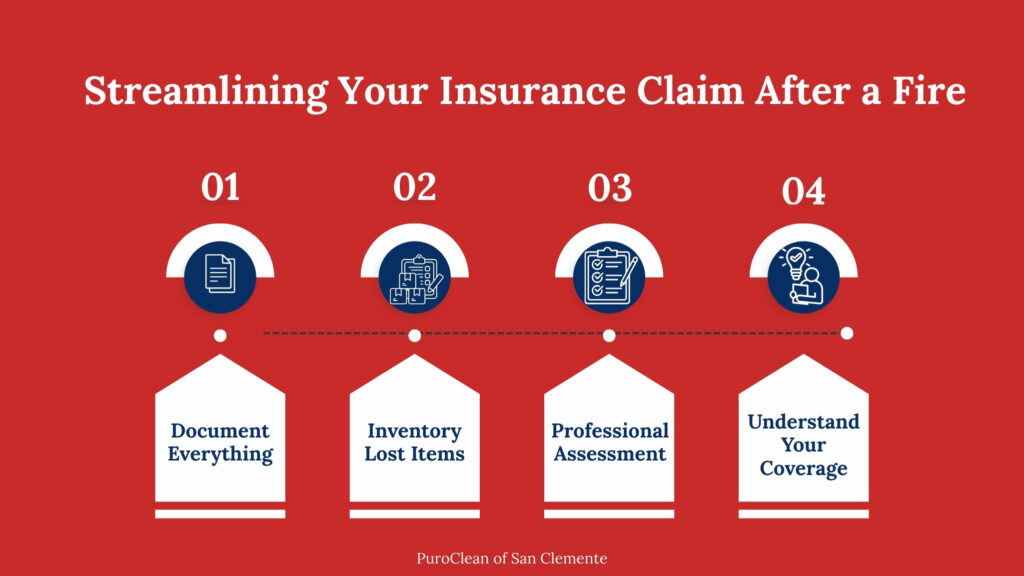
Streamlining Your Insurance Claim After a Fire
Navigating insurance claims after a fire can feel overwhelming, but a structured approach helps simplify the process:
- Document Everything: Take detailed photos/videos of all fire damage.
- Inventory Lost Items: Create a comprehensive list of damaged or destroyed belongings.
- Professional Assessment: Engage restoration experts to provide accurate damage estimates.
- Understand Your Coverage: Review your homeowner’s policy thoroughly, focusing on California-specific insurance regulations.
Act promptly and consult with local professionals to maximize your coverage benefits and expedite your claim.
Conclusion
The aftermath of a fire can feel chaotic, and knowing how to clean up after a fire can be just as overwhelming as the event itself. Luckily, you have the right resources and support in San Clemente. Prioritizing professional cleanup is crucial, not just for restoring your home but also for safeguarding your family’s health and well-being.
Acting quickly, utilizing local experts, and focusing on post fire safety allows you to regain control, start the recovery process effectively, and rebuild with confidence.