


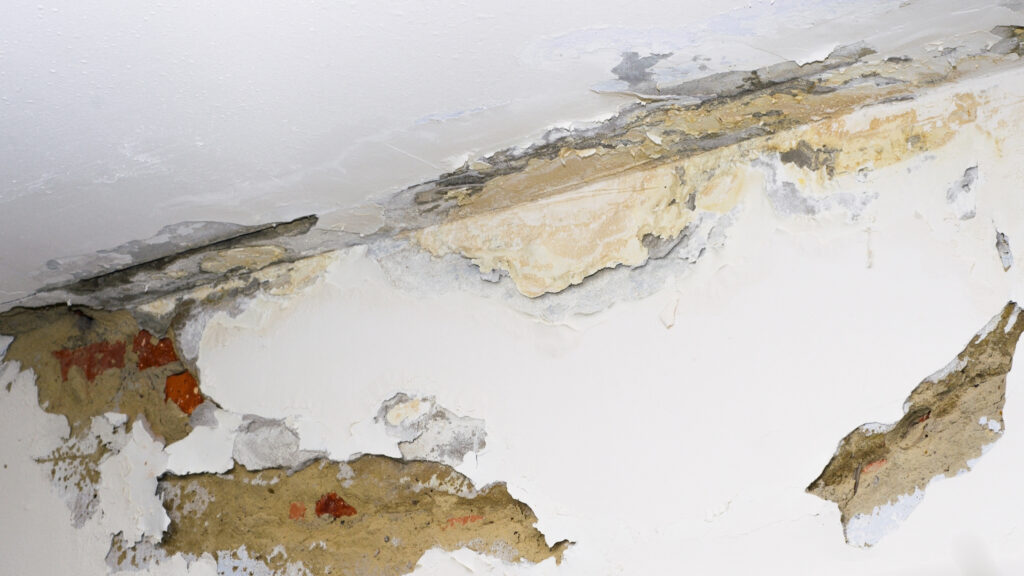
Water damage isn’t always obvious. Often, it creeps in slowly behind walls, ceilings, or under floors, only becoming visible when it’s too late. This blog will help you understand how to find hidden water damage, recognize early signs of water damage, and prevent costly repairs by staying proactive. We’ll also show you when to inspect, what tools to use, and when to bring in a professional.
What Hidden Water Damage Looks Like
Hidden damage can turn your dream home into a financial and health nightmare. Spotting it early is crucial if you want to avoid expensive repairs, structural damage, or mold problems. Let’s dive into how to identify, detect, and stop water from silently destroying your space.
The Hidden Sources of Water Damage in Your Home
It’s easy to assume water damage only happens during floods or burst pipes. Hidden water damage is caused by slow leaks, poor insulation, or roof failures that go unnoticed for months. By the time visible symptoms appear, the damage may already be extensive.
- Leaking Pipes Inside Walls: Even small, steady drips behind drywall can lead to rotted studs and mold in under a week.
- Roof Leaks After Storms: Cracked shingles or loose flashing can allow water to enter the attic, especially during heavy rains.
- Condensation from HVAC Systems: Improperly insulated ductwork can produce moisture, feeding mold inside walls or ceilings.
- Faulty Window or Door Seals: Water can seep through poor seals during rain, soaking wall cavities or flooring over time.
The key to prevention starts with knowing where problems usually begin. Regular inspections can reveal these sources before damage escalates.
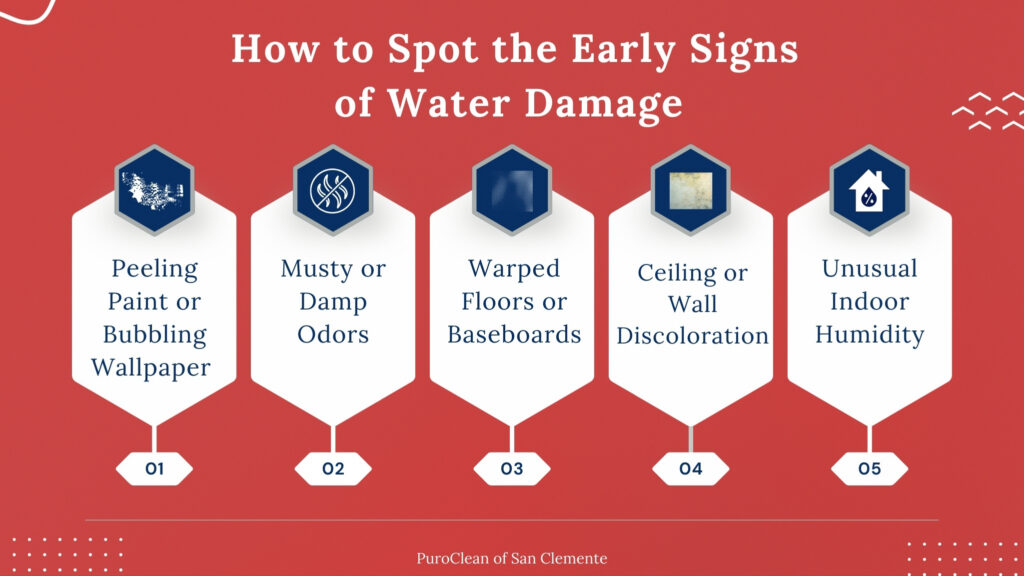
How to Spot the Early Signs of Water Damage
The sooner you recognize the warning signs, the faster you can act to fix the issue. Sometimes hidden water damage leaves subtle clues; use all your senses to catch them before they grow into larger problems.
- Peeling Paint or Bubbling Wallpaper: Moisture behind walls weakens adhesion, causing paint to crack or wallpaper to bubble and separate.
- Musty or Damp Odors: A persistent earthy smell is a sign that mold or mildew is present, even if you can’t see it.
- Warped Floors or Baseboards: Wooden floors that lift or bend signal moisture buildup underneath or poor ventilation.
- Ceiling or Wall Discoloration: Yellow or brown water rings on drywall often indicate a leaky pipe or roof above the surface.
- Unusual Indoor Humidity: Rooms that feel humid even with proper airflow might be harboring hidden water in walls or flooring.
If you spot these issues, don’t ignore them. Acting quickly could prevent further damage and save you thousands on repairs.
How to Inspect Hidden Water Damage in High-Risk Areas
Certain areas of your home are more likely to hide damage. Checking these locations regularly can help you stay ahead of costly surprises.
- Under Sinks and Around Appliances: Drips from plumbing joints near dishwashers, washing machines, and water heaters are easy to miss without regular inspection.
- Attics and Crawl Spaces: These are often dark and rarely visited. Check for moldy insulation, sagging rafters, or soft spots after storms.
- Basement Corners and Foundations: Water often pools in the corners where walls meet floors, especially if your gutters overflow or your yard slopes inward.
- Window Frames and Exterior Doors: Look for softened wood, water stains, or air drafts, which can indicate water intrusion from faulty sealing.
Make these checks part of your seasonal home maintenance. The more regularly you inspect, the earlier you’ll catch hidden issues.
How to Use Tools to Detect What You Can’t See
Some damage is invisible without the help of tools. These devices make it easier to find water damage without opening walls or removing flooring.
- Moisture Meter: This device measures how much moisture there is inside surfaces like drywall or wood. Readings above 15% indicate a problem area.
- Infrared Thermal Camera: These cameras detect temperature variations. Damp spots usually appear cooler, helping you pinpoint hidden moisture sources.
- Hygrometer: A hygrometer tracks room humidity levels. If humidity is consistently over 60%, investigate for leaks or trapped moisture.
These tools are affordable and easy to use. A quick monthly scan can help you catch leaks before they damage your home.
How to Prevent Hidden Water Damage from Happening
Preventive care is the smartest way to avoid hidden damage altogether. A few small maintenance tasks done regularly can protect your walls, floors, and peace of mind.
- Inspect and Clean Roofs Seasonally: Remove debris from your roof and look for cracked shingles or flashing. These are the most common entry points for rain.
- Check and Tighten Plumbing Fixtures: Replace old hoses, fix leaks immediately, and never ignore a drip—even a slow one can cause mold or rot over time.
- Seal Cracks Around Doors and Windows: Use caulk or weatherstripping to seal gaps where water could enter during heavy rain or snow.
- Empty and Clean Gutters Twice a Year: Clogged gutters overflow and send water straight to your foundation, potentially leading to basement flooding.
- Use Dehumidifiers in Damp Spaces: Keep basements and laundry rooms dry with a dehumidifier. It prevents mold and protects building materials.
Prevention is easier and cheaper than remediation. A little effort each month can help you avoid major surprises later.
How to Know When It’s Time to Call a Professional
Some problems are too advanced or too hidden to handle alone. Knowing when to bring in a specialist can save your home from disaster.
- Mold Covers a Large Area: If the mold is larger than 3 square feet, professional removal is required for safety.
- Persistent Leaks Despite Repairs: If a leak keeps coming back, there may be deeper plumbing issues or structural damage.
- Unexplained Musty Odors: If you smell mildew but can’t find the source, a professional can use advanced tools to detect moisture in sealed areas.
- Visible Structural Weakness: Soft or sagging drywall, ceilings, or floors should be examined immediately to prevent collapse.
Don’t wait for major damage. Experts can identify and fix issues before they turn catastrophic.
Conclusion
Now that you know how to detect hidden water damage and recognize the signs of damage, you’re equipped to protect your home. With regular inspections, smart tools, and quick action, you can stop damage in its tracks before it becomes expensive or dangerous.
FAQs
Q1. Can electrical systems be damaged by hidden water?
A: Yes. Moisture near outlets or behind walls can corrode wiring, posing a major fire hazard.
Q2. How long does it take for hidden water to damage flooring?
A: Laminate or wood floors can warp within a few days if water is present beneath the surface.
Q3. Can water damage occur in homes without basements?
A: Absolutely. Slab foundations, crawl spaces, and even upper floors can all be affected by leaks or condensation.
Q4. Can pets sense hidden water damage?
A: Often yes. Dogs and cats may sniff or paw at damp areas long before visible damage appears.
Q5. Is all water damage covered by homeowners’ insurance?
A: Not necessarily. Insurance may deny coverage if the damage is due to negligence or long-term unnoticed leaks.