


Table of Contents
If you’ve ever had water damage in your home, you know how frustrating it can be. Water can seep into cracks and crevices, causing all sorts of problems. Drywall is no exception. If you have water-damaged drywall, it’s important to repair it as soon as possible. Read below to learn how to repair water-damaged drywall.
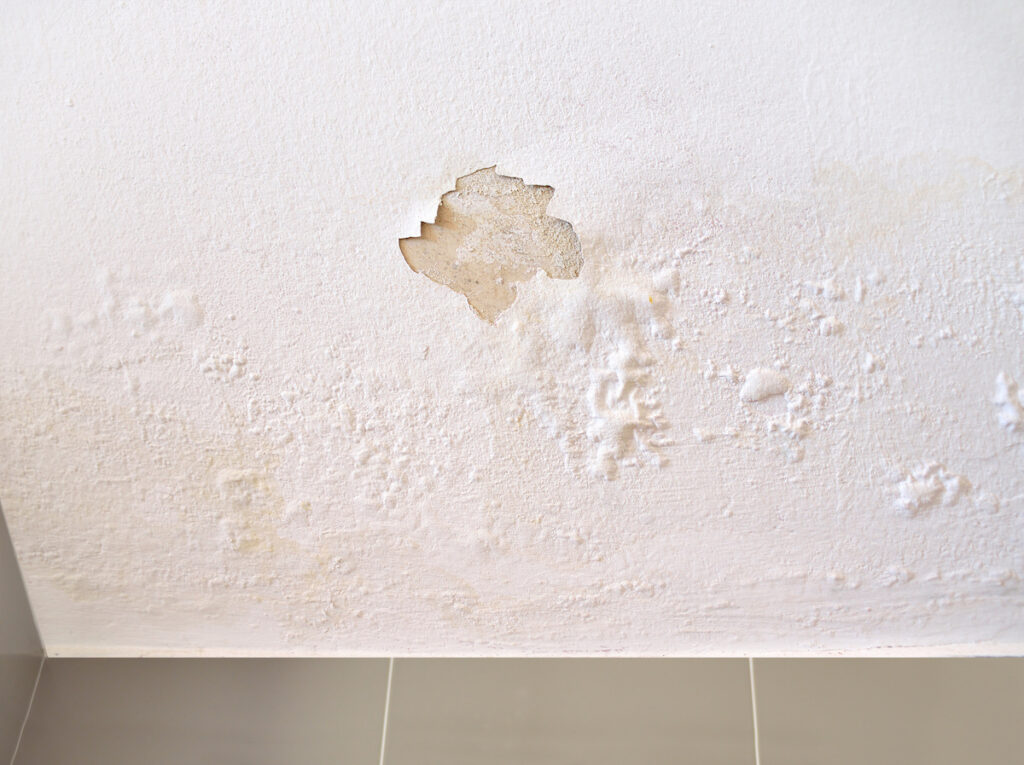
Water damaged drywall can cause a number of problems, including cracks and holes in the drywall, mold and mildew growth, and swelling and buckling of the drywall. Depending on the type of damage and where water has intruded, the drywall should be either entirely or partially replaced.
Signs of Water Damaged Drywall
Keep an eye out for these common signs of drywall water damage in your San Fernando home:
Flooring Issues: Water damage can also seep into flooring, causing cracks or holes. It’s essential to check these areas as well.
Discoloration: Look for water stains on your walls. These are often the first indicators of water damage.
Mold: Mold can quickly develop in damp environments like bathrooms, kitchens, and basements. Inspect these areas regularly.
Things to Know Before Repairing Water Damaged Drywall
If your drywall is wet from overhead flooding, there is a risk of the ceiling collapsing. For your safety, contact a professional restoration company, such as PuroClean of San Fernando, to assess your property’s structure before you start any repairs.
Also, if the water damage is due to a sewage backup, do not attempt repairs on your own. This requires specialized cleaning and safety measures that only certified professionals should handle.
Before you begin repairing water-damaged drywall, identify the water source, remove any standing water, and dry the affected area thoroughly. The longer water sits, the more damage it can cause.
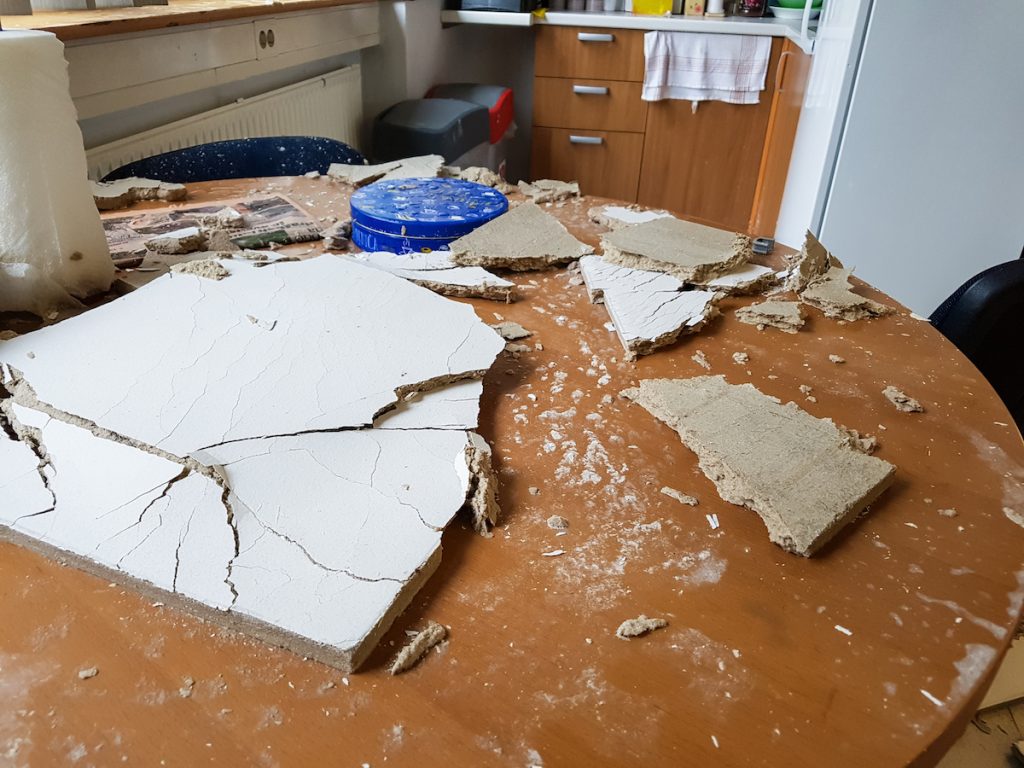
Repairing water damaged drywall in San Fernando doesn’t have to be daunting. Follow these steps to ensure proper restoration:
Replace Drywall and Paint: Once the area is dry, measure the hole and cut new drywall to fit. Secure it with drywall clips and screws, then blend the edges with drywall tape and joint compound. After sanding for a smooth finish, paint with a primer and then apply a matching paint color.
Clear the Area: Remove any furniture, carpeting, and other materials that have been soaked. This allows you to dry the area more effectively and prevent further damage.
Take Safety Precautions: Always wear respiratory protection when removing drywall to protect against potential mold spores or asbestos in older drywall. If water has reached electrical outlets, turn off the power and remove any affected outlets safely.
Remove Damaged Materials: Cut out the damaged drywall. If water has reached up to two-and-a-half feet, remove drywall up to four feet high. For damage above that level, remove up to eight feet or the ceiling. If you’re unsure of the water level, inspect the drywall for sagging, crumbling, or other damage.
Cut Out and Replace Drywall: Mark a straight line above where the water reached using a chalk line and cut along it with a utility knife. Carefully remove the damaged drywall, pulling out insulation that may be wet. After removing all affected materials, dry the area with fans, dehumidifiers, and open windows to ensure all moisture is gone.
Sanitize and Deodorize: Use a chemical sanitizer to prevent mold and bacteria growth. Avoid using bleach, as it doesn’t effectively stop mold growth. An ozone machine can help eliminate any lingering odors; just ensure the area is vacated while the machine is running.
People also read: 6 Tips on How to Remove Mold Stains from Clothes and Fabric

How to Cut and Remove Damaged Drywall
- Mark the Cut Line: Use a chalk line to draw a straight line on the wall, just above where the water has reached. This will help you cut out the damaged section accurately.
- Cut the Drywall: Using a utility knife, carefully cut along the chalk line. Make sure to cut halfway or three-quarters of the way through the drywall to avoid damaging anything behind it.
- Remove the Damaged Drywall: To make removal easier, tap a small hole in the damaged drywall with a hammer. Then, use this hole as a handle to gently pull back and remove the water damaged drywall.
- Remove Insulation: After taking out the drywall, remove all insulation behind it, such as fiberglass, mineral wool, cellulose, or wood fiberboard. Even if it appears dry, it’s likely wet and could cause further issues. If you find foam plastic insulation, it can be left in place to dry.
- Dry the Area: Once the damaged drywall and insulation are removed, begin drying the exposed area thoroughly. Use high-efficiency blowers and dehumidifiers to speed up the drying process. Open windows and doors and use fans to increase airflow behind the walls. Allow them to run for at least two days to ensure the studs and flooring are completely dry. Avoid making additional holes in the walls, as this won’t speed up drying and will only complicate repairs.
- Sanitize and Deodorize: Apply a chemical sanitizer to prevent mold and bacteria from growing between the walls. Avoid using bleach, as it doesn’t effectively prevent mold. To eliminate strong odors, use an ozone machine and let it run for at least eight hours. Ensure the area is vacated while the ozone machine is operating.
Use high-efficiency blowers and dehumidifiers and open the windows and doors. Use fans to increase airflow behind walls and leave them running for at least two days so the studs and flooring can completely dry. Avoid punching holes in walls. This practice doesn’t help the wall dry faster. Plus, it makes it harder to repair your drywall.
Use a chemical sanitizer to prevent mold and bacteria from forming between walls. Avoid bleach, as it doesn’t prevent mold from growing. To remove severe odors, use an ozone machine and leave it running for at least eight hours. Vacate the area while the ozone machine is running.
How to Replace Water Damaged Drywall
Now it’s time to hang new drywall. First, measure the size of the hole to help you know how much to cut out from a new sheet of drywall. Put four drywall clips around the hole and secure each one with a drywall screw.
Then, insert the drywall pieces and secure them to drywall clips. Don’t over-tighten the drywall screws. Use drywall tape and joint compound to blend it in with the existing drywall. Finally, sand the area several times for a smooth wall surface.
Painting the restored drywall is the final step. First, make sure that the joint compound is completely dry, as it would contain a lot of moisture. Then, paint the wall with a primer to help seal the area. After that, paint the entire wall to ensure the color is uniform throughout.
For Professional Water Damaged Drywall Repair, Call PuroClean!
Call PuroClean of San Fernando at (818) 922-8330 for Professional water damaged drywall Repair. Repairing water-damaged drywall requires specific skills and tools. Avoid risking further damage by trying to repair it yourself. Contact PuroClean of San Fernando for Water damaged drywall restoration services. Our team uses professional equipment, including heavy-duty air movers, commercial dehumidifiers, moisture meters, and high-volume water extractors, to ensure your drywall is thoroughly dried and repaired, restoring your home to its best condition.