


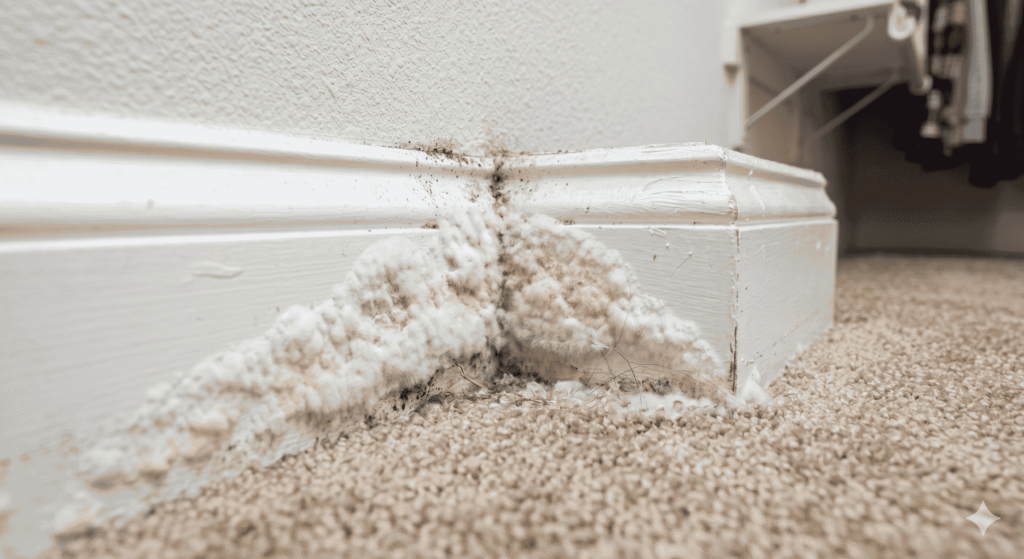
Discovering a powdery, pale growth creeping across your baseboards or closet walls can instantly trigger anxiety. If you rent your home, that stress doubles as you try to balance health concerns with landlord dynamics. Renters frequently ask us: Is white mold dangerous for renters? In the state of California, the answer is a definitive yes—both to your physical health and to the structural integrity of your living space.
Because the Central Coast experiences unique maritime humidity and dense morning fog, communities like Santa Maria, Orcutt, and Nipomo are particularly prone to indoor moisture issues. When mold compromises a rental property, it isn’t just an inconvenience; it triggers specific California tenant laws designed to protect you. This guide outlines the dangers of white mold, your landlord’s legal obligations, and how to properly document the damage to protect your rights.
Direct Answer: Yes, white mold is dangerous for renters because it releases microscopic spores that cause respiratory issues, severe allergies, and chronic headaches. Under California law, a mold infestation that endangers the health of occupants can render a property legally uninhabitable, placing the financial and operational responsibility for remediation squarely on the landlord.
Is White Mold Dangerous to a Tenant’s Health?
Many renters mistakenly assume that only “black mold” poses a threat. In reality, white mold (which often consists of Aspergillus, Penicillium, or Cladosporium species) carries significant health risks. When these fungi thrive on porous materials like drywall, carpeting, and wood, they release airborne spores.
Inhaling these spores can lead to “Toxic” respiratory irritation, eye inflammation, skin rashes, and severe asthma flare-ups. For renters living in older coastal properties around Lompoc or Guadalupe, a prolonged exposure to white mold can turn a home into a hazardous living environment. According to IICRC commercial standards, any indoor mold amplification requires swift professional intervention to prevent cross-contamination.
Landlord Responsibilities and the California Implied Warranty of Habitability
Answer: In California, the “Implied Warranty of Habitability” is a legal mandate requiring landlords to provide a safe, clean, and structurally sound living environment. Under Civil Code Section 1941.1 and Health and Safety Code Section 17920.3, visible mold growth that rises to a level that endangers the health of tenants is explicitly defined as a substandard housing condition that the landlord must fix.
When is the Landlord Responsible?
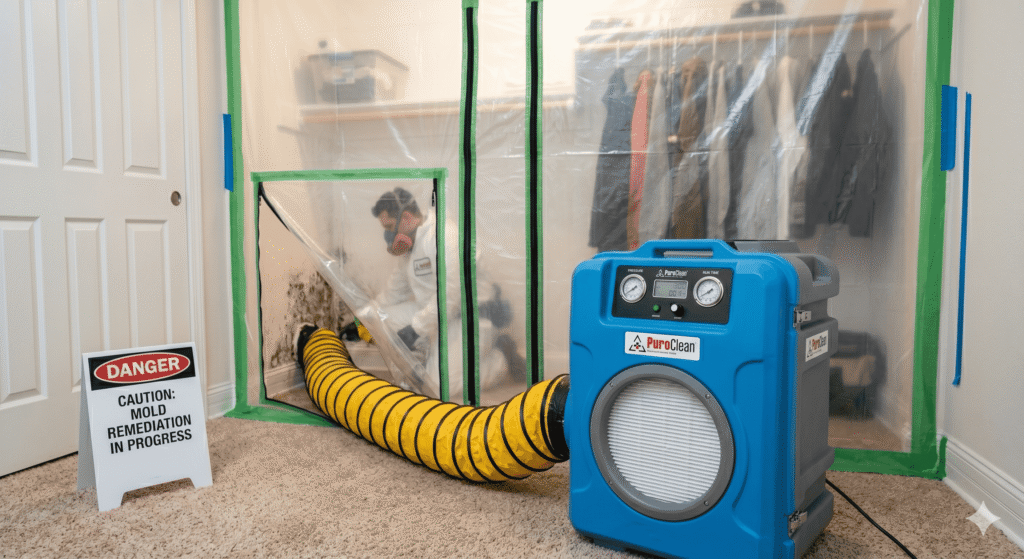
If the white mold is caused by a structural defect—such as a leaking roof, a burst pipe behind the bathroom drywall, or a malfunctioning plumbing line—the landlord is entirely responsible for the cost of professional remediation. They must hire qualified teams who follow proper OSHA post-flood workplace safety guidelines to ensure the spores do not spread to your personal property during cleanup.
When is a Tenant Responsible for Mold?
Answer: A tenant may be held responsible for mold growth if the infestation is a direct result of poor ventilation, failing to report an obvious leak in a timely manner, or keeping the rental unit excessively damp (e.g., running a shower without using the exhaust fan or drying wet clothes indoors without airflow).
Is White Mold Dangerous for Renters? Balances of Responsibility in the Central Coast
Because local marine layers trap moisture in the Santa Maria Valley, tenants are expected to practice reasonable moisture control, such as opening windows when weather permits or running provided dehumidifiers. However, if a tenant practices normal upkeep and mold still surfaces due to poor building insulation or hidden leaks, the burden shifts back to the landlord or the management company overseeing the Santa Maria commercial real estate asset.
How Should Renters Document Mold for Legal Protection?
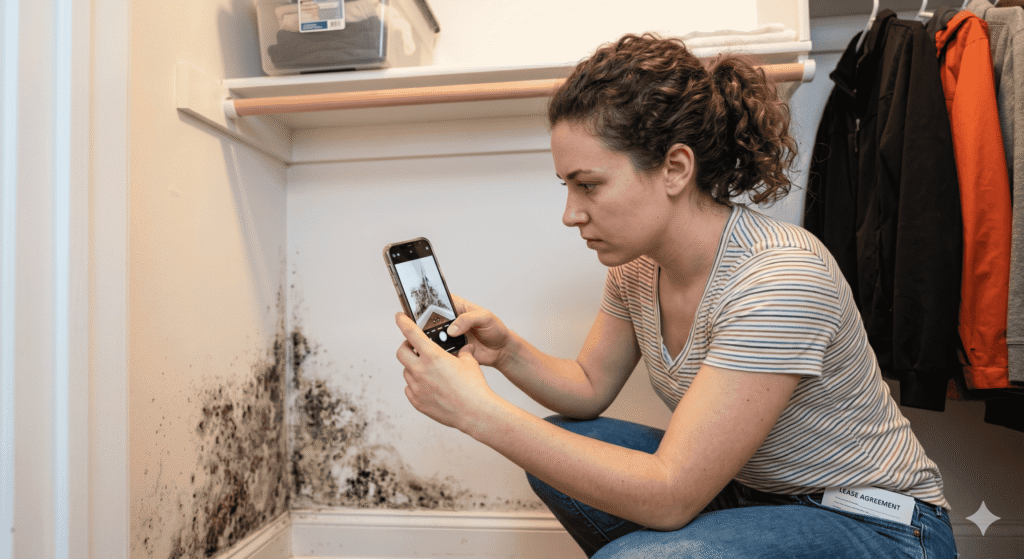
Answer: Renters should document mold by taking clear, timestamped photographs of all affected areas, keeping a written timeline of health symptoms, and sending a formal, written notice to the landlord via certified mail or an online tenant portal to establish an indisputable paper trail.
4 Steps to Secure Your Tenant Paper Trail
If you suspect your rental has a dangerous mold problem, protect yourself legally by following these steps before attempting any cleanup:
- Photograph Everything: Take wide shots of the room and macro shots of the white mold.
- Write a Formal Notice: Do not rely on a casual text message. Write a letter detailing the location of the mold and requesting a professional inspection.
- Keep Records of Communication: Save every email, text, and letter. Note the dates of any phone calls and what was promised.
- Track Financial Outlays: If you have to buy a dehumidifier or if your clothing is a “Total loss” due to mold contamination, save the receipts for potential insurance or legal reimbursement.
What Legal Remedies Do Renters Have if a Landlord Refuses to Fix Mold?
Answer: If a California landlord fails to address a severe mold issue within a reasonable timeframe (typically 30 days after receiving written notice), tenants may have the legal right to “repair and deduct” the cost from their rent, withhold rent entirely, or abandon the lease under the doctrine of constructive eviction.
Navigating Local Protections
Before taking drastic actions like withholding rent, it is highly recommended to speak with a local tenant advocacy group or a legal professional familiar with Santa Maria municipal codes. You can also contact local health or building inspectors. If a city inspector issues an official violation notice to the property, it provides undeniable proof that the apartment or home violates California habitability standards.
FAQ: Frequently Asked Questions
Can a landlord evict you for reporting mold in California?
No. California law strictly prohibits “retaliatory eviction.” If a landlord attempts to evict you, raise your rent, or decrease your services within 180 days of you submitting a written mold complaint, it is legally presumed to be retaliation, which you can use as a defense in court.
How long does a landlord have to fix a mold problem in California?
The law requires landlords to address urgent habitability issues within a “reasonable” timeframe. While 30 days is typically the maximum allowance, severe mold causing immediate health issues or resulting from an active water leak often demands a response within days.
Should I pay for a mold test myself?
If your landlord refuses to acknowledge the problem, paying for an independent, certified mold inspection can give you the concrete evidence needed to spur action or back up a report to a local building inspector.
Professional Mold Remediation in Santa Maria, CA
If your landlord has agreed to remediate the property, ensure they choose a qualified, certified restoration firm to do the work. PuroClean of Santa Maria provides comprehensive, industry-backed mold removal services throughout Santa Maria, Nipomo, Orcutt, Lompoc, and Guadalupe.
As an active member of the Santa Maria Chamber of Commerce, we work alongside property managers, landlords, and tenants to resolve indoor air quality issues safely and transparently. Our technicians are fully IICRC certified, meaning we don’t just spray bleach on a problem—we identify the root moisture source, contain the spores, and restore the property to a healthy, habitable state. We operate 24/7 to handle sudden plumbing emergencies before they evolve into long-term mold crises.
Contact the Property Restoration Experts
Ensure your rental home is safe, compliant, and healthy.
- Certified Environmental Standard Compliance
- Advanced Structural Drying & Dehumidification
- Detailed Documentation for Insurance & Legal Records
Have your property manager call PuroClean of Santa Maria today at (805) 975-0800 or reach out via our online contact form to request a professional inspection.
Available 24/7/365 | IICRC Certified | (805) 975-0800 | Contact Us Online | Google Business Profile