


This article reflects general, publicly available legal and regulatory information and isn’t legal advice. Deadlines vary by jurisdiction and situation — confirm specifics with your local building department or a licensed attorney.
What’s the California FAIR Plan Coverage for Fire and Smoke Damage? The Short Answer
If you’ve been non-renewed by a private insurer and moved to the California FAIR Plan, here’s the direct answer: yes, the California FAIR Plan does cover fire and smoke damage — that’s actually the core reason it exists. But “covered” doesn’t mean “covered the way your old homeowners policy covered it.” Here are five facts worth understanding before you ever need to file a claim.
Fact 1: FAIR Plan Coverage Is Limited to Four Named Perils
The California FAIR Plan’s basic policy covers exactly four things: fire, lightning, smoke, and internal explosion. That’s it. Unlike a standard homeowners policy, the base FAIR Plan does not include liability coverage, theft, water damage, or several other protections most California homeowners assume come standard (FBIA). If your loss involves anything beyond those four named perils, the FAIR Plan alone won’t cover it.
Fact 2: You’ll Likely Need a Second Policy to Fill the Gaps
Because the FAIR Plan covers so narrowly, most policyholders pair it with a separate Difference in Conditions (DIC) policy through the private market to cover what the plan excludes — liability, theft, and water damage among them (Bankrate). If you’re relying on FAIR Plan alone after a fire, it’s worth checking whether a DIC policy is also in place, since fire-related water damage from firefighting efforts, for example, may not be covered by the FAIR Plan portion of your coverage at all.
Fact 3: Your Payout May Be Less Than You Expect — Check Your Valuation Basis
The base policy typically pays claims on an Actual Cash Value (ACV) basis, meaning depreciation is factored into your payout rather than the full cost to rebuild with new materials (Insurance Claims Info). A Replacement Cost Coverage endorsement is available for qualifying properties, but it has to be specifically requested and paid for — it isn’t automatic. After a fire, the difference between ACV and full replacement cost can be substantial.
Fact 4: Applying Requires Proof You Were Declined Elsewhere
To apply for coverage, you’ll generally need a declination letter from a California-admitted insurer, dated within the last 90 days, showing you tried to obtain traditional coverage first (California FAIR Plan / QuoteMoto). While not strictly required by law in every case, most agents request this documentation as standard practice — worth having ready if you’re navigating a non-renewal and need coverage in place quickly.
Fact 5: Costs Are Rising Quickly
FAIR Plan enrollment has grown significantly in recent years as private insurers pull back from high-risk areas, and rates have moved accordingly — the FAIR Plan filed for a 35.8% average rate increase in late 2025 (TECT). For homeowners near wildfire-prone terrain like the areas surrounding Santa Maria and Los Padres National Forest, this trend is worth factoring into your overall coverage planning, not just your immediate premium.
What This Means After an Actual Fire or Smoke Event
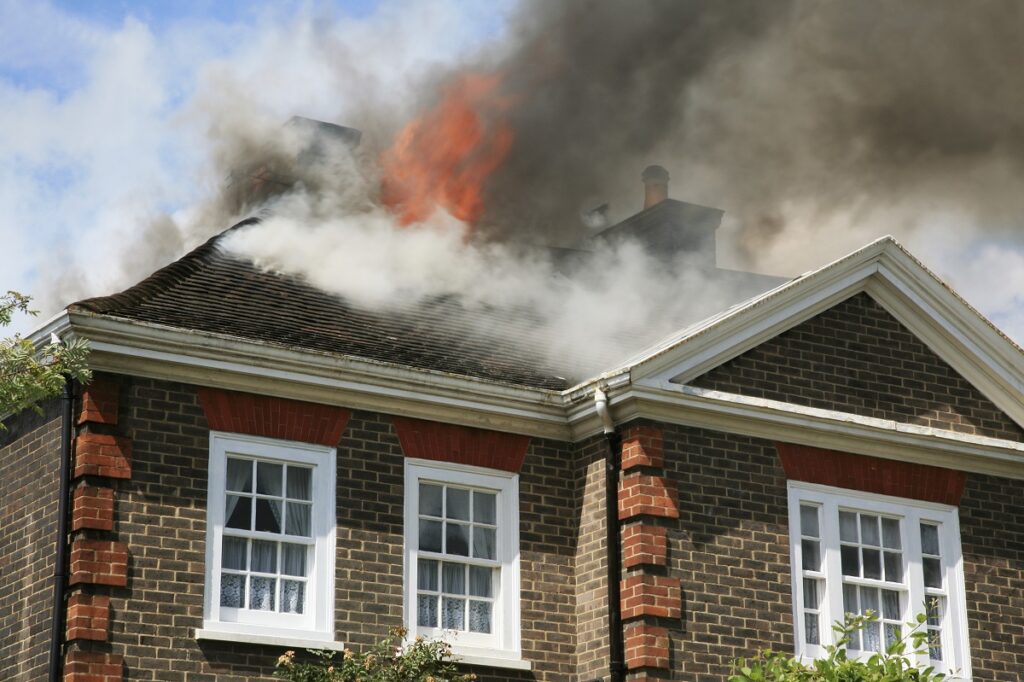
If you’re filing a claim after a fire, understanding these limitations before the adjuster gets involved puts you in a stronger position. Document the damage thoroughly, confirm which policy (FAIR Plan, DIC, or both) applies to which part of your loss, and don’t assume full replacement cost unless you’ve specifically confirmed that endorsement is in place. If the fire also caused structural damage requiring permits, see our guide on California’s structural damage repair deadlines for how those timelines can intersect with your insurance claim.
PuroClean of Santa Maria: Documentation That Supports Every Policy Type
Whether your coverage runs through the FAIR Plan, a DIC policy, or both, PuroClean of Santa Maria documents fire and smoke damage thoroughly from the first visit — photos, scope of work, and a clear record of what’s affected. If firefighting efforts also left water damage behind, see our Water & Flood Damage Restoration guide, since that portion of the loss may fall under a different policy than your FAIR Plan coverage. Our technicians serve homeowners across Santa Maria, Nipomo, Orcutt, Lompoc, Guadalupe, and the greater Central Coast.
Frequently Asked Questions
Does the California FAIR Plan cover smoke damage from a wildfire that didn’t reach my home? Smoke is one of the FAIR Plan’s four named perils, so smoke damage is generally covered even without direct fire contact to the structure — though the extent of coverage depends on your specific policy terms.
Will the FAIR Plan pay to fully rebuild my home after a fire? Only if you have Replacement Cost Coverage, which must be specifically requested and paid for. The base policy pays on an Actual Cash Value basis, which factors in depreciation.
Do I need a separate policy in addition to the FAIR Plan? Most homeowners do. A Difference in Conditions (DIC) policy covers liability, theft, water damage, and other perils the base FAIR Plan excludes.
What do I need to apply for FAIR Plan coverage? Generally, a declination letter from a California-admitted insurer dated within the last 90 days, along with property information, current photos, and proof of ownership.
Get Documentation That Supports Your Claim, Whatever Your Policy
After a fire or smoke event, the right documentation matters just as much as the cleanup itself. PuroClean of Santa Maria provides IICRC-certified fire and smoke damage restoration for homeowners across Santa Maria, Nipomo, Orcutt, Lompoc, Guadalupe, and the greater Central Coast, with 24/7 emergency availability.
Contact PuroClean of Santa Maria today, or call (805) 975-0800 for 24/7 emergency response.