



Table of Contents
Fuzzy mold in homes is one of the most misunderstood — and most dangerous — threats lurking inside Santa Maria properties. That soft, velvety growth creeping along your bathroom grout or basement wall may look harmless, but left untreated, it can compromise your indoor air quality, weaken your home’s structure, and trigger serious health problems for your family. At PuroClean of Santa Maria, we have helped hundreds of homeowners identify, contain, and eliminate mold at every stage of growth, and we want to empower you with the knowledge to act before minor mold becomes a major crisis.
What Is Fuzzy Mold and Why Is It Growing in Your Home?
Fuzzy mold is the common term used to describe mold colonies in their active, spore-producing stage — the fluffy, fibrous texture you see is actually a dense network of hyphae and airborne spores. According to the U.S. Environmental Protection Agency (EPA), mold will grow anywhere moisture is present alongside an organic food source, and it can begin colonizing a surface within 24 to 48 hours of water exposure.
The Santa Maria Valley’s mild coastal climate, combined with older housing stock and seasonal humidity fluctuations, creates ideal conditions for fuzzy mold to appear. Common moisture sources include roof leaks, plumbing failures, poor ventilation, and post-storm water intrusion — all scenarios our team at PuroClean of Santa Maria responds to daily.
Understanding the type of fuzzy mold present matters too. Species like Cladosporium, Aspergillus, and Penicillium all display that characteristic fuzzy or powdery appearance and are among the most frequently identified strains in California homes. More alarmingly, Stachybotrys chartarum — commonly called black mold — can also appear fuzzy in early growth stages.
Warning Sign #1: Visible Fuzzy Mold Patches on Walls or Ceilings
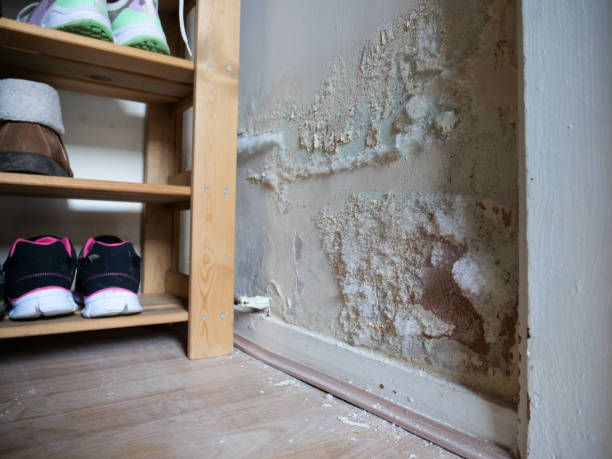
The most obvious signal is one homeowners sometimes dismiss as dirt or dust: fuzzy mold patches on walls, ceilings, or around windows. These patches may appear white, green, gray, or black and often feel velvety to the touch. Do not attempt to wipe them away with a damp cloth — disturbing fuzzy mold colonies releases millions of spores into the air, spreading contamination throughout your home.
Expert Tip from PuroClean of Santa Maria: If you see a patch larger than 10 square feet, the EPA recommends hiring a professional remediation contractor rather than attempting DIY cleanup. Our certified team uses HEPA-filtered containment systems to safely remove mold without cross-contamination.
Warning Sign #2: A Persistent Musty Odor
Fuzzy mold produces microbial volatile organic compounds (mVOCs) as a metabolic byproduct — those compounds are exactly what creates that distinctive, earthy musty smell. If your home has a persistent odor that freshening sprays cannot eliminate, hidden fuzzy mold in homes grow behind drywall, beneath flooring, or inside HVAC ducts may be the culprit. The Centers for Disease Control and Prevention (CDC) notes that mold odor alone is a reliable indicator of active growth even when no visible colony is present.
Warning Sign #3: Allergy Symptoms That Worsen Indoors
When occupants experience increased sneezing, itchy eyes, throat irritation, or skin rashes that improve when they leave the house, fuzzy mold is a prime suspect. The American Lung Association warns that mold spores are a leading trigger for asthma attacks, and prolonged exposure can sensitize even non-allergic individuals over time.
Children, the elderly, and immunocompromised individuals face the greatest health risks from fuzzy mold exposure. If any household member has been experiencing unexplained respiratory symptoms, schedule a professional mold inspection with PuroClean of Santa Maria as a first step.
Warning Sign #4: Water Stains or Discoloration
Yellow, brown, or rust-colored stains on ceilings and walls are water damage markers — and wherever water has penetrated, fuzzy mold growth follows within days. Even after a leak is repaired, residual moisture trapped in drywall or insulation continues to feed active mold colonies that remain invisible to the naked eye.
Warning Sign #5: Peeling Paint or Warped Materials
When fuzzy mold colonizes behind painted surfaces, the moisture it produces causes paint to bubble, crack, and peel. Similarly, wood framing, subfloors, and cabinetry will warp, swell, or feel soft to the touch when mold has penetrated deeply. These are structural warning signs that require immediate professional assessment.
Warning Sign #6: Recurring Mold After DIY Removal
Repeatedly cleaning fuzzy mold with bleach or store-bought sprays and watching it return within weeks is one of the clearest indicators that the underlying moisture source has not been addressed. Surface treatments kill surface-level spores but cannot reach mold that has penetrated porous materials like drywall, wood, or grout. According to FEMA’s mold remediation guidelines, effective remediation requires identifying and eliminating the moisture source, full removal of contaminated porous materials, and treatment of affected structural components.
Warning Sign #7: High Indoor Humidity Levels
Relative indoor humidity above 60% creates a perpetual growth environment for fuzzy mold. The EPA recommends maintaining indoor humidity between 30% and 50% to prevent mold growth. In Santa Maria homes, bathrooms without exhaust fans, kitchens with poor ventilation, and crawl spaces are common high-humidity danger zones. A simple digital hygrometer can help you monitor humidity levels in vulnerable areas of your home.
How PuroClean of Santa Maria Safely Eliminates Fuzzy Mold
When you contact PuroClean of Santa Maria, our IICRC-certified technicians follow a rigorous, science-based remediation protocol designed to eliminate fuzzy mold at its source and prevent recurrence:
- Comprehensive moisture mapping and thermal imaging inspection
- Containment setup using negative air pressure and polyethylene barriers
- HEPA-filtered air scrubbing to capture airborne spores
- Controlled demolition and disposal of non-salvageable porous materials
- Antimicrobial treatment of all affected structural surfaces
- Moisture source repair coordination with licensed contractors
- Post-remediation air quality testing and clearance verification
Why Santa Maria Homeowners Trust PuroClean: As a locally owned and operated franchise backed by PuroClean’s national expertise, we bring both community commitment and industry-leading standards to every project. Fuzzy mold doesn’t wait for business hours — and neither do we. Our emergency response team is available 24/7.
Frequently Asked Questions About Fuzzy Mold
Is all fuzzy mold in homes dangerous? While not all mold species are equally toxic, all fuzzy mold should be treated as a health risk. Even non-toxic mold strains can trigger allergic reactions, respiratory irritation, and worsen asthma symptoms. When in doubt, have a professional assess the type and extent of growth.
Can I remove fuzzy mold in homes myself? The EPA recommends professional remediation for any mold exceeding 10 square feet. DIY removal of fuzzy mold without proper containment and PPE can spread spores to unaffected areas and increase health exposure risks.
How quickly does fuzzy mold spread? Fuzzy mold can begin growing within 24 to 48 hours of moisture exposure and spread aggressively under ideal temperature and humidity conditions. Early intervention is critical to limiting structural damage and health exposure.
Does homeowners insurance cover mold remediation? Coverage varies by policy and cause. Mold resulting from a sudden, covered water event like a burst pipe is often covered; mold from long-term neglected moisture typically is not. PuroClean of Santa Maria can work with your insurance adjuster to document the damage.
How do I prevent fuzzy mold from returning after remediation? Control moisture by maintaining indoor humidity below 50%, fixing leaks promptly, ensuring adequate ventilation in bathrooms and kitchens, and scheduling annual professional inspections in high-risk areas of your home.
Stop Fuzzy Mold in Homes Before It Stops You — Call PuroClean of Santa Maria Today
Fuzzy mold in homes does not get better on its own. Every day without action means more spores, more structural damage, and greater health risks for the people you care about most. At PuroClean of Santa Maria, we are not just mold remediation specialists — we are your neighbors, and we treat every home we enter with the same urgency and care we would give our own.
Whether you have spotted a suspicious patch on your ceiling, noticed a musty odor that will not go away, or are dealing with the aftermath of water damage, our IICRC-certified team is ready to respond — 24 hours a day, 7 days a week, 365 days a year.
Do not wait for fuzzy mold in homes to become a full-scale crisis. Contact PuroClean of Santa Maria right now for a prompt, professional assessment and take the first step toward a safer, healthier home.
📞 Call us today 🌐 Visit us online 📍 Proudly serving Santa Maria, Orcutt, Santa Ynez Valley, and the greater Central Coast
PuroClean of Santa Maria — The Paramedics of Property Damage™
Available 24/7/365 | IICRC Certified | (805) 975-0800 | Contact Us Online | Google Business Profile