


Table of Contents
When Carlos Rivera noticed dark spots spreading across his bathroom ceiling in mid-January, he did what most Santa Maria homeowners do: he grabbed a bottle of mildew remover and sprayed the affected area.
The spots disappeared. Problem solved. Or so he thought.
Three weeks later, the spots had returned, larger and darker. His wife developed a persistent cough. His daughter’s asthma worsened. When a home inspector examined their property, he discovered extensive mold growth behind bathroom walls, in attic insulation, and throughout HVAC ductwork.
Total remediation cost? $18,500.
Carlos’s expensive mistake is one thousands of Santa Maria homeowners make every rainy season: confusing active mold remediation vs mildew remover solutions. With January bringing 99mm of rain and humidity above 70%, understanding this critical difference could save you from health problems, structural damage, and financial disaster.
(Names and identifying details have been changed to protect privacy.)
What “Active Mold” Actually Means
The term “active” in active mold remediation vs mildew remover discussions describes a specific and dangerous condition.
Active mold means colonies that are currently growing and reproducing. In Santa Maria’s January/February conditions (persistent moisture, mild temperatures (40-60°F), high humidity) mold doesn’t just exist on surfaces. It actively spreads, penetrates materials, and releases thousands of spores with each growth cycle.
According to the Centers for Disease Control and Prevention, mold begins growing within 24-48 hours of water exposure. In our current climate conditions, that timeline often shrinks to 12-24 hours.
Dormant mold exists in stable conditions without active growth. This distinction matters because dormant mold might respond to surface treatments while active mold requires comprehensive remediation.
Mildew vs. Mold: Why the Difference Matters
Another critical aspect of active mold remediation vs mildew remover confusion: mildew and mold are fundamentally different problems.
Mildew is a surface fungus growing on damp surfaces like shower curtains, bathroom tiles, and window sills. It appears as flat, powdery gray or white spots. Mildew doesn’t penetrate materials, it stays on surfaces where it can be removed with proper cleaning products.
Mold penetrates porous materials. It grows in drywall, wood, insulation, carpet, and fabric. It appears as fuzzy or slimy patches in colors ranging from black and green to white and orange. Mold doesn’t just stain surfaces, it consumes and destroys materials.
Consumer mildew removers work fine for surface mildew on non-porous materials. They’re completely inadequate for mold that’s penetrated porous materials, which is exactly what happens during Santa Maria’s rainy season when moisture saturates walls, ceilings, and insulation.
Why Store-Bought Mildew Removers Make Active Mold Worse
Here’s where the active mold remediation vs mildew remover distinction becomes dangerous: using inappropriate products on active mold often worsens the problem.
Surface treatment without source elimination: Mildew removers kill visible surface mold but don’t address moisture sources or hidden growth. The visible spots disappear while mold continues thriving in wall cavities and insulation.
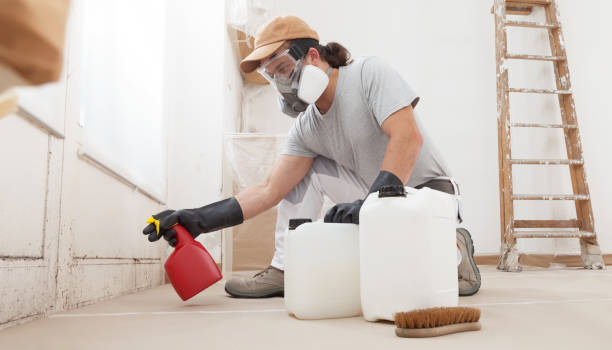
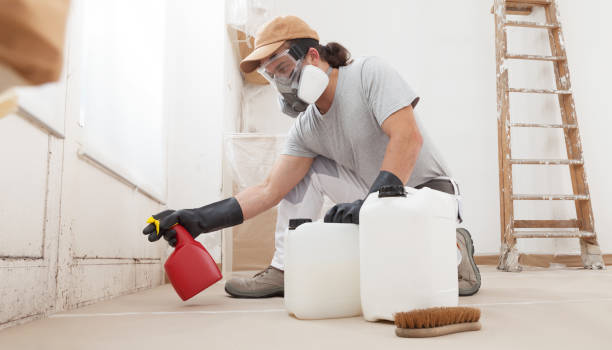
Spore dispersal: Spraying mildew remover creates air currents that disturb mold colonies, releasing millions of spores. Without proper containment, these spores spread throughout your home.
Chemical resistance development: Repeated applications of the same consumer mildew removers can lead to resistant mold strains that no longer respond to those treatments.
False security: Homeowners believe they’ve addressed the problem because visible growth disappeared. They don’t pursue necessary professional assessment, allowing extensive hidden contamination to worsen for weeks or months.
The Environmental Protection Agency emphasizes that mold remediation requires addressing moisture sources, removing contaminated materials, and preventing recurrence.
What Professional Active Mold Remediation Involves
Understanding what legitimate active mold remediation vs mildew remover treatment includes helps homeowners recognize inadequate service.
Comprehensive moisture assessment: Professionals use thermal imaging cameras and moisture meters to identify all water sources and hidden moisture. You can’t stop mold growth without eliminating the moisture feeding it.
Containment protocols: Physical barriers and negative air pressure systems prevent mold spore spread during remediation. Consumer spray bottles offer zero containment.
Source removal: Porous materials with deep mold penetration (drywall, insulation, carpet) cannot be adequately cleaned. They must be removed and disposed of.
HEPA air scrubbing: Industrial air filtration systems process thousands of cubic feet of air per minute, capturing airborne spores released during remediation.
EPA-registered antimicrobial treatments: Professional-grade products differ fundamentally from consumer mildew removers in concentration, efficacy, and application methods.
Verification testing: Air quality analysis and surface testing confirm complete remediation before reoccupation. Consumer products provide no verification capability.
Moisture control and prevention: Professional remediation includes identifying and correcting roof leaks, plumbing problems, ventilation deficiencies, and drainage issues.
The 48-Hour Window
Santa Maria’s rainy season creates unique urgency around active mold remediation vs mildew remover decisions.
Hour 0-24: Moisture saturates materials. Mold spores contact wet surfaces. Professional water extraction and drying during this window prevents mold establishment.
Hour 24-48: Microscopic mold colonies establish. Growth remains invisible but is actively occurring. Professional moisture detection identifies problem areas before visible symptoms appear.
Hour 48-72: Visible mold growth appears. By this point, extensive hidden growth exists throughout saturated materials. This is when most homeowners grab mildew remover spray, addressing visible symptoms while missing 80% of actual contamination.
Beyond 72 hours: Extensive colonization throughout materials. Consumer products are completely ineffective at this stage.
Health Consequences
The decision between active mold remediation vs mildew remover treatment directly impacts your family’s health.
Incomplete surface treatment: Consumer mildew removers kill visible mold but leave viable colonies behind surfaces. These hidden colonies continue releasing spores that family members breathe constantly.
Mycotoxin exposure: Certain mold species produce mycotoxins—toxic compounds causing neurological symptoms, immune suppression, and chronic fatigue. Surface sprays don’t eliminate these sources.
Continuous recontamination: When mildew remover kills surface mold while leaving hidden growth intact, new spores continuously emerge from untreated areas.
Vulnerable population risks: Children, elderly individuals, pregnant women, and people with asthma face severe health risks from mold exposure.
When DIY Treatment Is Appropriate
Not every mold situation requires professional intervention. Understanding appropriate active mold remediation vs mildew remover applications helps homeowners make safe choices.
Safe for DIY mildew remover use:
- Small areas (less than 10 square feet) of surface growth on non-porous materials
- Shower tiles, glass surfaces, or bathroom fixtures
- Recent growth (within 24-48 hours) that hasn’t penetrated materials
Requires professional remediation:
- Any mold growth exceeding 10 square feet
- Mold on porous materials (drywall, wood, insulation, carpet)
- Persistent moisture problems without obvious sources
- Mold in HVAC systems or ductwork
- Anyone experiencing health symptoms potentially related to mold exposure
Frequently Asked Questions
Can I use professional products myself?
Professional active mold remediation vs mildew remover treatment requires more than just products. It demands proper containment, protective equipment, moisture detection technology, and verification testing. DIY attempts typically fail because homeowners lack these critical elements.
How do I know if it’s mildew or mold?
Mildew appears flat and powdery, typically gray or white, and wipes away relatively easily. Mold appears fuzzy or slimy, in various colors, and doesn’t wipe away completely because it’s penetrated the material.
Will insurance cover professional mold remediation?
Coverage depends on the cause. Insurance typically covers mold resulting from sudden events like burst pipes or storm damage—but only if you act promptly. Professional companies work directly with carriers to maximize coverage.
How long does professional remediation take?
Small projects might require 2-3 days. Extensive contamination can take 1-2 weeks. This includes assessment, containment, material removal, treatment, drying, and verification testing.
Can mold return after professional remediation?
If moisture sources aren’t corrected, yes. Professional remediation eliminates existing mold but cannot prevent future growth if water intrusion continues.
Is my mildew remover completely useless?
For appropriate applications—surface mildew on non-porous materials like shower tile—consumer mildew removers work fine. The problem arises when people use them for situations requiring professional remediation.
The Cost Reality
Understanding active mold remediation vs mildew remover economics helps homeowners make informed decisions.
Consumer mildew remover approach:
- Product cost: $50-$100 over months
- Eventual professional remediation: $3,000-$8,000
- Medical expenses: $2,000-$10,000
- Additional structural repairs: $5,000-$15,000
- Total: $10,050-$33,115
Immediate professional remediation:
- Assessment and testing: $300-$500
- Small area remediation: $1,500-$3,000
- Medium contamination: $3,000-$6,000
- Total: $1,800-$6,500
The “expensive” professional option costs 30-50% of what delayed treatment ultimately requires.
Trust PuroClean of Santa Maria for Professional Mold Remediation
When you’re facing the active mold remediation vs mildew remover decision, choose the solution that actually eliminates contamination.
Our professional mold remediation services include:
- IICRC-Certified Specialists: Applied Microbial Remediation Technician certifications
- Advanced Moisture Detection: Thermal imaging and moisture meters identifying all water sources
- Proper Containment: Physical barriers and negative air pressure
- Complete Material Removal: Contaminated porous materials removed and properly disposed of
- HEPA Air Scrubbing: Industrial filtration capturing airborne spores
- EPA-Registered Treatments: Professional antimicrobial applications
- Verification Testing: Independent laboratory air quality analysis
- Moisture Source Correction: Identifying and addressing root causes
- Insurance Coordination: Direct carrier communication maximizing coverage
Don’t let spray bottles give you false security while active mold damages your home.
Call PuroClean of Santa Maria at (805) 975-0800 for professional mold assessment and remediation. Our IICRC-certified specialists respond with the expertise that truly eliminates mold contamination.
When you’re facing active mold remediation vs mildew remover choices, remember: surface treatments might make visible growth disappear, but only professional remediation makes the actual problem go away.
Available 24/7/365 | IICRC Certified | (805) 975-0800 | Contact Us Online | Google Business Profile