


Table of Contents
Walk into any hardware store and you’ll find dozens of mold removal products promising miraculous results. Active seal and grout mold stain removers line the shelves with bold claims about eliminating mold, preventing regrowth, and restoring your bathroom to pristine condition. But here’s the uncomfortable truth most homeowners discover too late: surface treatments aren’t mold remediation.
Going beyond active seal and grout mold stain remover means understanding the difference between cosmetic cleaning and actual mold elimination. While these products can make your grout look cleaner temporarily, they rarely address the underlying moisture problems and hidden mold colonies thriving beneath the surface. This distinction could be the difference between a truly mold-free home and a ticking health hazard.
If you’re relying solely on store-bought solutions, you need to know when it’s time to look beyond active seal and grout mold stain remover products and call in professional remediation experts.
The Limitations of DIY Mold Stain Removers
Active seal and grout mold stain removers serve a purpose. They can effectively clean surface-level discoloration, make your bathroom look fresher, and provide temporary relief from visible mold stains. The problem isn’t what these products do, it’s what they don’t do.
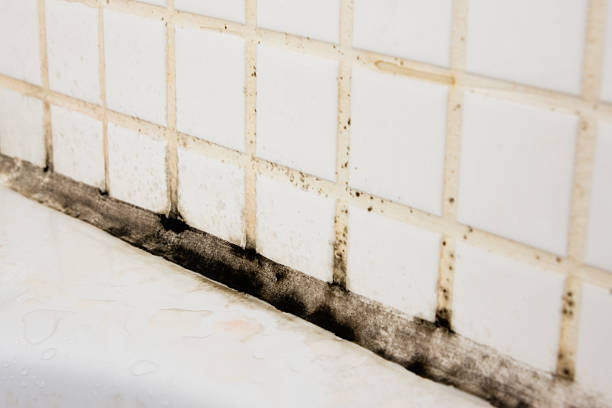
These cleaners work on the principle of bleaching or chemically treating visible mold growth. They kill surface mold spores and lighten stains, creating the appearance of a mold-free surface. However, mold is rarely just a surface problem. By the time you see black or green stains on your grout, the mold colony has typically already established itself deep within porous materials.
Grout is inherently porous, acting like a sponge that absorbs moisture and provides perfect conditions for mold growth below the surface. When you spray a remover on top, you’re essentially treating the symptom while the disease continues spreading underneath. The mold roots (called hyphae) penetrate deep into the grout, drywall, and subflooring where surface sprays can’t reach.
This is why going beyond active seal and grout mold stain remover becomes essential for true mold elimination. Professional remediation addresses not just what you see, but what’s hiding behind your walls and under your floors.
Sign #1: The Mold Keeps Returning
You scrub the grout with your active seal and grout mold stain remover. The black spots disappear. Two weeks later, they’re back. Sound familiar?
Recurring mold growth is the clearest indicator that you need to look beyond active seal and grout mold stain remover solutions. When mold returns repeatedly in the same location, it’s telling you that the root cause hasn’t been addressed. Surface cleaning only provides temporary cosmetic improvement.
Mold needs three things to grow: moisture, organic material to feed on, and the right temperature range. Your bathroom provides all three in abundance. If you’re only killing surface mold without eliminating the moisture source, you’re fighting a losing battle. The spores embedded deep in your grout and surrounding materials will continue producing new visible growth as long as conditions remain favorable.
Professional mold remediation identifies and eliminates moisture sources. This might mean fixing hidden leaks, improving ventilation, addressing condensation issues, or repairing damaged waterproofing. Until these underlying problems are resolved, no amount of surface treatment will provide lasting results.
Sign #2: You Smell Mold But Can’t See It
That musty, earthy odor in your bathroom persists even after cleaning everything with active seal and grout mold stain remover. This is a red flag that should send you beyond active seal and grout mold stain remover products immediately.
Mold produces volatile organic compounds (VOCs) as it grows and digests organic materials. These VOCs create the distinctive musty smell associated with mold. If you can smell mold but can’t see it, you have hidden mold growth somewhere in your bathroom.
Common hiding spots include behind wall tiles, under vinyl flooring, inside walls where plumbing runs, beneath bathtubs, and in wall cavities near showers. These areas remain perpetually damp due to poor waterproofing, condensation, or slow leaks. Mold thrives in these dark, moist environments, growing into substantial colonies you’ll never reach with a spray bottle.
Professional mold remediation uses specialized equipment like moisture meters, thermal imaging cameras, and air quality testing to locate hidden mold. Technicians can identify problem areas without destructive investigation, then properly remediate the mold while fixing the moisture issues causing it.
Sign #3: Your Grout Is Crumbling or Deteriorating
When you touch your grout and it feels soft, crumbly, or starts falling apart, you’ve moved far beyond active seal and grout mold stain remover territory. This level of deterioration indicates severe moisture damage and extensive mold colonization.
Mold doesn’t just sit on surfaces; it actively breaks down the materials it grows on. As mold digests the organic compounds in grout, caulk, and surrounding materials, it compromises their structural integrity. Grout that once held tiles firmly in place becomes weak and porous, allowing even more moisture penetration.
At this stage, surface cleaning is futile. The grout needs complete removal and replacement, but not before addressing the mold growth and moisture issues. Simply regrouting over moldy substrates will result in new grout becoming contaminated within weeks.
Professional remediation for deteriorated grout involves removing compromised materials, treating affected areas with antimicrobial solutions, ensuring complete drying, repairing any water damage to substrates, and then properly resealing and regrouting. This comprehensive approach prevents mold from returning and restores structural integrity.
Sign #4: Mold Appears in Multiple Locations
You started with a small mold problem on your shower grout. Now you’re noticing it on the bathroom ceiling, around the window, and even spreading to adjacent rooms. This progression signals that you need to move beyond active seal and grout mold stain remover and address a systemic moisture problem.
When mold appears in multiple locations, it indicates one of two scenarios. Either you have multiple moisture sources throughout your home, or you have one significant moisture problem affecting multiple areas. Both situations require professional assessment and remediation.
Mold spores are microscopic and become airborne easily. When you have an active mold colony, it continuously releases spores that circulate through your home via HVAC systems and natural air movement. These spores settle in any location with adequate moisture, creating new colonies. Treating each spot individually with surface cleaners won’t stop this cycle.
Professional mold remediation includes containment procedures to prevent spore spread, complete removal of contaminated materials, air filtration using HEPA filters, and treating affected areas properly. Technicians also trace the moisture source, whether it’s a roof leak, plumbing issue, poor ventilation, or foundation problem.
Sign #5: You or Family Members Experience Health Symptoms
Persistent coughing, sneezing, watery eyes, respiratory irritation, or worsening asthma symptoms that improve when you leave the house point to indoor air quality problems. If these symptoms started or intensified around the same time you noticed mold in your bathroom, you need to look beyond active seal and grout mold stain remover immediately.
The Centers for Disease Control and Prevention confirms that mold exposure causes respiratory symptoms, allergic reactions, and can trigger asthma attacks. While cleaning visible mold with store-bought products might reduce some exposure, it doesn’t eliminate airborne spores or address hidden mold colonies continuing to contaminate your indoor air.
Children, elderly family members, and anyone with compromised immune systems face higher risks from mold exposure. Pregnant women should avoid mold exposure entirely. These vulnerable populations need comprehensive mold elimination, not just cosmetic cleaning.
Professional mold remediation protects health by completely removing mold sources, not just masking them. Certified technicians use proper containment, air filtration, and disposal methods to eliminate mold without spreading spores throughout your home during the cleaning process. Post-remediation air quality testing verifies that spore counts have returned to safe levels.
Sign #6: There’s Been Water Damage or Flooding
Any time your home experiences water damage from flooding, burst pipes, roof leaks, or appliance malfunctions, you must think beyond active seal and grout mold stain remover from day one. Water damage creates ideal mold growth conditions within 24 to 48 hours.
Even if you don’t see visible mold yet, water-damaged materials are likely harboring mold growth beneath the surface. Drywall, insulation, subflooring, and framing materials all absorb water and provide nutrients for mold. Surface cleaning won’t address mold growing inside walls or under flooring.
According to the Environmental Protection Agency, materials that have been wet for more than 48 hours generally cannot be salvaged and should be removed. This is because mold establishes itself quickly and penetrates porous materials deeply. Attempting to dry and clean these materials often proves ineffective and leaves persistent mold problems.
Professional water damage restoration and mold remediation work hand in hand. Technicians extract standing water, use industrial dehumidifiers and air movers to dry structures completely, monitor moisture levels in materials, remove unsalvageable items, and treat all affected areas for mold. This comprehensive approach prevents long-term mold problems from developing after water damage.
Sign #7: The Affected Area Is Larger Than 10 Square Feet
The EPA recommends professional remediation for any mold problem covering more than 10 square feet. If your mold extends beyond this threshold, you’re definitely in beyond active seal and grout mold stain remover territory.
Large mold colonies present several challenges that DIY cleaning can’t address safely or effectively. First, disturbing extensive mold growth releases massive amounts of spores into your air, potentially contaminating your entire home. Second, large infestations typically indicate significant moisture problems requiring professional diagnosis and repair. Third, extensive mold often means structural materials are compromised and need replacement.
Professional remediation for large mold problems includes setting up containment barriers with negative air pressure to prevent spore spread, wearing proper personal protective equipment including respirators, removing and properly disposing of contaminated materials, treating remaining surfaces with antimicrobial solutions, and using HEPA air filtration throughout the process.
Attempting to handle large mold problems yourself risks your health through excessive spore exposure and risks making the problem worse by spreading contamination throughout your home.
Sign #8: Mold Is Growing on Non-Bathroom Surfaces
When you discover mold on wood framing, drywall, insulation, or subflooring, you’ve encountered a problem that exists far beyond active seal and grout mold stain remover capabilities. These materials indicate serious moisture infiltration and require immediate professional attention.
Unlike hard, non-porous surfaces that can sometimes be cleaned effectively, porous building materials that become moldy generally need removal and replacement. Mold penetrates deeply into wood and drywall, and spores can remain dormant in these materials even after surface cleaning. Insulation is impossible to clean and must be discarded if contaminated.
Professional remediation for mold on structural materials involves assessing the extent of damage, removing and properly disposing of contaminated materials, treating exposed framing and substrates, ensuring complete drying before installing new materials, and identifying and fixing the moisture source that caused the problem. This level of work requires expertise, specialized equipment, and often construction knowledge to properly restore your home.
Why Professional Remediation Matters
Understanding the limitations of active seal and grout mold stain remover helps you make informed decisions about your home’s health. These products have their place for minor surface cleaning and maintenance, but they’re not substitutes for proper mold remediation when serious problems exist.
Professional mold remediation follows industry standards set by the Institute of Inspection, Cleaning and Restoration Certification (IICRC). This ensures that mold removal is complete, safe, and permanent. The process includes proper assessment using moisture meters and air sampling, containment to prevent cross-contamination, removal of contaminated materials, HEPA air filtration, antimicrobial treatment, structural drying, and post-remediation verification testing.
Certified technicians understand building science, moisture dynamics, and proper remediation protocols. They can identify hidden problems, prevent future mold growth, and restore your home safely without exposing your family to excessive spore levels during the cleaning process.
Frequently Asked Questions
Q: Can I use active seal and grout mold stain remover for maintenance after professional remediation?
A: Yes, once professional remediation has eliminated your mold problem and fixed underlying moisture issues, active seal and grout mold stain removers can be useful for routine cleaning and maintenance. They work well for preventing surface mold on properly sealed grout when no moisture problems exist. However, if mold returns after using these products, it indicates a moisture problem requiring professional attention again.
Q: How do I know if I need to go beyond active seal and grout mold stain remover?
A: Look for these warning signs: mold returning within weeks of cleaning, musty odors without visible mold, deteriorating grout or caulk, mold in multiple locations, health symptoms that improve when away from home, any water damage or flooding, affected areas larger than 10 square feet, or mold on porous materials like drywall or wood. Any of these situations means you need professional remediation.
Q: Are active seal and grout mold stain removers safe to use?
A: Most commercial mold removers are safe when used according to label directions. However, they often contain harsh chemicals like bleach that require adequate ventilation and protective equipment. Never mix different cleaning products, as this can create dangerous chemical reactions. If you’re pregnant, have respiratory issues, or have a compromised immune system, avoid using these products and handling mold yourself.
Q: Will homeowners insurance cover moving beyond active seal and grout mold stain remover to professional remediation?
A: Coverage depends on your policy and the cause of the mold. Insurance typically covers mold remediation if it results from a covered peril like sudden pipe bursts or storm damage. However, mold from neglected maintenance, slow leaks, or humidity issues may not be covered. Contact your insurance provider to understand your coverage before beginning remediation.
Q: How much does professional mold remediation cost compared to using active seal and grout mold stain remover?
A: Active seal and grout mold stain removers cost between ten to thirty dollars per bottle. Professional mold remediation typically ranges from five hundred to six thousand dollars or more, depending on the extent of contamination, location, and necessary repairs. While this seems expensive, consider that ineffective DIY cleaning allows mold to spread, potentially causing thousands more in structural damage and health costs. Professional remediation is an investment in your home’s safety and value.
Don’t Settle for Temporary Fixes
Now that you understand what lies beyond active seal and grout mold stain remover, you can make informed decisions about protecting your home and family. Surface treatments have their place for minor cleaning, but they’re not solutions for serious mold problems requiring comprehensive remediation.
If you’ve recognized any of the eight signs in your home, the time for DIY approaches has passed. Continuing to rely on surface cleaners when you need professional help wastes money, allows mold to spread, risks your health, and potentially damages your home’s structure and value.
PuroClean of Santa Maria: Going Beyond Surface Solutions
PuroClean of Santa Maria specializes in comprehensive mold remediation that goes far beyond active seal and grout mold stain remover capabilities. Our IICRC-certified technicians understand that effective mold elimination requires addressing root causes, not just visible symptoms.
We provide complete mold assessment using advanced moisture detection and air quality testing, proper containment with negative air pressure systems, safe removal of contaminated materials following EPA guidelines, HEPA air filtration throughout the remediation process, antimicrobial treatment of affected areas, structural drying and dehumidification, moisture source identification and repair recommendations, and post-remediation verification testing to ensure your home is truly mold-free.
Our team doesn’t just remove mold. We identify why it grew in the first place and provide solutions to prevent recurrence. We work directly with insurance companies to streamline claims and documentation. Most importantly, we protect your family’s health by eliminating mold completely and safely.
Don’t let mold problems escalate while you rely on temporary surface treatments. If you’ve discovered any of the warning signs discussed in this article, contact PuroClean of Santa Maria today for a professional mold assessment. Because when it comes to mold remediation, going beyond active seal and grout mold stain remover isn’t optional, it’s essential for your home’s safety and your family’s health.
Available 24/7/365 | IICRC Certified | (805) 975-0800 | Contact Us Online | Google Business Profile