

Few phone calls are harder to make than one about biohazard cleanup in Santa Barbara. Whatever brought you here — an unattended death, an accident, or another situation involving blood or bodily fluids — you’re likely dealing with loss, shock, or stress on top of a property that now needs specialized, regulated attention. If you’re searching for dead body cleanup in Santa Barbara, this guide is written to answer your questions directly and respectfully: what biohazard cleanup actually involves, the regulations that govern it, and what to expect from a professional team.
What Does Dead Body Cleanup in Santa Barbara Actually Involve?
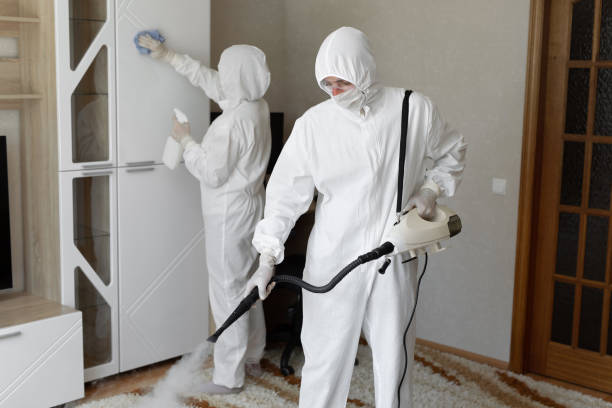
Following an unattended death, biological materials can affect flooring, subflooring, walls, and furniture in ways that aren’t always visible on the surface. Professional cleanup addresses this contamination fully — not just the areas that are immediately visible — using OSHA-compliant disinfection and, when materials can’t be safely restored, proper removal and disposal according to regulated waste guidelines. Technicians are trained specifically to handle this kind of situation with both technical precision and personal discretion, which matters enormously to families who are already going through one of the hardest experiences of their lives.
Why Can’t These Situations Be Cleaned With Regular Household Products?
Standard household cleaners are not designed to neutralize regulated biohazards, and surface-level cleaning does not meet OSHA compliance standards even when bleach is used. Bloodborne pathogens can remain viable in porous materials, and improper cleaning attempts can actually spread contamination further rather than resolving it. Beyond the health and safety concern, biohazard waste must be disposed of according to specific regulatory requirements — it cannot go into standard household trash, regardless of how small the affected area appears.
What Other Situations Require Biohazard Cleanup Beyond Unattended Death?
Biohazard cleanup covers a broader range of circumstances than most people realize, including accidents, trauma scenes, and extreme-heat-related deaths — a pattern that increases during Santa Barbara’s hottest summer months, particularly among older adults living alone. The CDC estimates extreme heat causes 700 or more deaths in the United States annually, with elevated risk for people who live by themselves without regular check-ins. In each of these situations, professional biohazard cleanup addresses both the physical remediation and the regulatory requirements involved, with the same level of care regardless of the circumstances that led to the call.
Will the Cleanup Team Coordinate With Authorities?
In situations involving an investigation or a coroner’s office, professional biohazard companies coordinate cleanup timing with the appropriate authorities and won’t begin work until the property has been formally released. This is a standard part of the process, and a reputable company will walk you through this timeline so you know what to expect rather than being left to guess.
How Is Biohazard Cleanup Different From Regular Fire or Water Damage Restoration?
While biohazard cleanup shares some technical overlap with other restoration work — containment, PPE, regulated disposal — it requires a distinct regulatory framework (OSHA’s bloodborne pathogens standard) and a different level of discretion and emotional sensitivity. Families going through this are almost always processing grief or trauma alongside the property damage itself, which shapes how the entire process should be handled, from the first phone call to the final walkthrough. For a closer look at how PuroClean of Santa Maria approaches this work across our full service area, see our Biohazard Cleanup in Santa Maria post.
Does Biohazard Cleanup Ever Overlap With Hoarding Situations?
Yes. In severe or long-standing hoarding situations, biological hazards, pest activity, and unsanitary conditions can accumulate gradually rather than from a single event, requiring the same regulated remediation protocols. Our post on hoarding cleanup in Santa Maria covers how these two services often intersect, and applies equally to hoarding situations we handle throughout Santa Barbara and Santa Ynez.
Discreet, Compassionate Help — Call PuroClean of Santa Maria
Biohazard and dead body cleanup call for both regulatory precision and genuine compassion, and you shouldn’t have to face this alone. PuroClean of Santa Maria brings IICRC-certified, OSHA-compliant expertise to biohazard remediation throughout Santa Barbara, Santa Ynez, Santa Maria, Nipomo, Orcutt, and Guadalupe, with 24/7 availability for situations that can’t wait.
We understand this is one of the hardest calls a family can make, and our team is trained to handle every part of the process — technical and emotional — with the discretion and care it deserves.
Reach out today for a confidential consultation — call now or contact us for 24/7 biohazard cleanup support in Santa Barbara.
Frequently Asked Questions
Is dead body cleanup covered by insurance?
Many homeowners and renters policies cover biohazard cleanup under liability or specific endorsements, though coverage varies by policy and circumstance. Confirming details directly with your insurance provider is recommended, and a documentation-focused cleanup company can help support that claim.
How quickly can biohazard cleanup happen after a death?
As soon as the property has been released by the appropriate authorities, professional teams typically respond quickly, since delays can allow contamination to spread further into porous materials like flooring and subflooring.
Do I need to be present during the cleanup?
No. Most families prefer not to be present, and professional teams are equipped to handle the entire process independently, providing updates and documentation without requiring the family to witness the work directly.
Is biohazard cleanup only needed after a death?
No. It also covers accidents, trauma scenes, and other situations involving blood, bodily fluids, or other regulated biological material — a death is one common reason for the call, but not the only one.
Sources: OSHA — Bloodborne Pathogens Standard (29 CFR 1910.1030) · OSHA — Cleanup of Blood from Crime or Accident Scenes · CDC — Protect Yourself From the Dangers of Extreme Heat
Available 24/7/365 | IICRC Certified | (805) 975-0800 | Contact Us Online | Google Business Profile