


Table of Contents
Every winter, Santa Maria enters its wettest months — especially from December through February — and with that comes a unique and often underestimated challenge: a sharp rise in biohazard risks. While most homeowners think of storm prep in terms of roof checks, sump pumps, or flood prevention, far fewer realize that rainy-season conditions can significantly increase exposure to biohazards inside homes, businesses, and multi-unit properties.
This guide breaks down why biohazard cleanup in Santa Maria becomes even more essential during the winter storm months, how moisture and flooding contribute to hazardous conditions, and what every property owner should know to stay protected.
Understanding Santa Maria’s Rainy Season — and Its Hidden Threats
Santa Maria’s climate is known for its dry summers and wet winters. According to regional precipitation data, rainfall increases dramatically between October and February, with January experiencing the highest rainfall. This spike brings more than just damp soil and slippery driveways — it creates perfect conditions for biohazard exposure.
Excess water, humidity, and storm run-off amplify problems such as sewage backups, mold growth, rodent intrusion, and contaminated indoor environments. When these situations combine, they pose very real health risks.
And that’s exactly why proactive biohazard cleanup in Santa Maria isn’t just smart — it’s necessary.
Why Biohazard Threats Increase During Heavy Rainfall
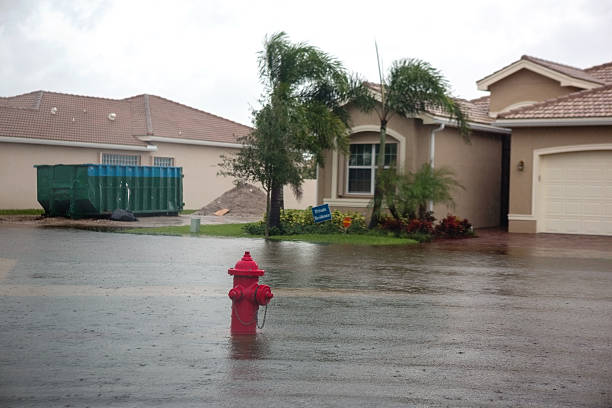
Winter storms don’t just flood streets; they overload systems, weaken structures, and force contaminants into spaces that should remain clean and safe. Below are some of the most common scenarios that lead to biohazard issues:
1. Flood-Related Sewage Backups
Heavy rainfall can overwhelm sewer lines, causing sewage to flow backward into homes. According to the EPA, floodwater and sewage often carry dangerous bacteria, viruses, and toxic contaminants.
A sewage backup is never “just dirty water.” It’s a hazardous event requiring professional handling.
This makes biohazard cleanup in Santa Maria a critical service for homeowners and property managers during the rainy season.
2. Mold Growth From Moisture Intrusion
The mix of humidity, leaks, and water intrusion creates ideal mold-growing conditions — sometimes in as little as 24 to 48 hours.
Mold isn’t just unsightly; it can release mycotoxins that affect indoor air quality and cause respiratory irritation. For homes with infants, seniors, or immunocompromised individuals, this becomes a serious concern.
Because mold is classified as a biohazard under many conditions, prompt remediation is essential. This is another major driver behind increased requests for biohazard cleanup in Santa Maria each winter.
3. Rodent Intrusion During Storms
When fields flood and temperatures drop, rodents seek higher, warmer shelter — often inside homes, garages, crawlspaces, and commercial buildings.
Rodent droppings, urine, nesting materials, and the pests themselves can transmit harmful diseases including:
- Hantavirus
- Leptospirosis
- Salmonella
- LCM virus
More information: https://www.cdc.gov/rodents
When rodents move in during the rainy season, biohazard cleanup in Santa Maria becomes a necessity to restore safety.
4. Contaminated Storm Run-Off
Floodwater often contains:
- Fertilizers
- Pesticides
- Animal waste
- Oil and industrial chemicals
- Bacteria and pathogens
When this run-off enters crawlspaces, garages, or basements, the contamination escalates fast.
Property owners who assume “it’ll dry out” are often faced with odors, mold, rot, or illness weeks later.
5. Increased Risk for Property Managers and HOAs
During the rainy season, multi-unit buildings face higher risks due to:
- Overflowing trash enclosures
- Backed-up drains
- Water infiltration affecting multiple units
- Shared attics attracting rodents
- Sewage issues affecting entire buildings
That’s why the rainy season is one of the busiest times for biohazard cleanup in Santa Maria across rental units, senior living centers, and commercial buildings.
After a Storm: Warning Signs of a Biohazard Problem
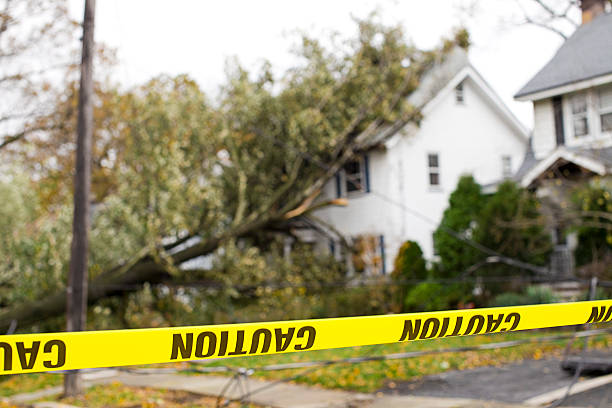
If you’re unsure whether your property has been affected, look for:
- Strong odors (sewage, musty, chemical, or decomposing smell)
- Brown or yellow staining near walls or flooring
- Wet insulation
- Sudden rodent noise or droppings
- Backed-up drains or gurgling noises
- Dark discoloration on walls or ceilings
- Floodwater pooling around the foundation
Even a small sign may point to a larger issue.
Biohazard Cleanup in Santa Maria: When to Call a Professional
DIY cleanup is never recommended when sewage, mold, bodily fluids, or rodent waste is involved. These materials require:
- PPE protection
- HEPA filtration
- EPA-registered disinfectants
- Controlled removal procedures
- Legal disposal
Professional biohazard cleanup in Santa Maria ensures contaminants are removed safely, fully, and according to regulatory standards.
How PuroClean of Santa Maria Handles Seasonal Biohazards
Our team follows a strict multi-step process to ensure complete restoration:
- Hazard containment
- Air filtration
- Removal of contaminated materials
- Deep cleaning and disinfection
- Deodorization
- Moisture detection and structural drying
- Safe, regulated disposal
During the rainy season, we work even faster, understanding how quickly water and bacteria can spread.
Preparing for Santa Maria’s Rainy Season: What Property Owners Should Do
Here are essential steps for homes and commercial buildings:
1. Inspect rooflines and gutters
Remove debris to prevent overflow into attic spaces.
2. Test and clear drains before heavy rain begins
Especially important for older buildings in Santa Maria.
3. Seal crawlspace openings
A key defense against stormwater contamination and rodent intrusion.
4. Install backflow preventers if you’re in a flood-prone zone
These dramatically reduce sewage backup risk.
5. Keep PuroClean of Santa Maria on your emergency list
Storm damage escalates fast during the rainy season — quicker action means safer cleanup.
FAQs About Biohazard Cleanup in Santa Maria
1. What qualifies as a biohazard?
Any material that poses a risk to human health — including sewage, mold, bloodborne pathogens, rodent waste, and contaminated stormwater.
2. Can homeowners clean biohazards themselves?
No. Biohazards require specialized training, equipment, and disposal procedures.
3. How fast should I respond after a storm?
Immediately. Moisture and contamination worsen rapidly within 24–48 hours.
4. Does insurance cover biohazard cleanup?
Often yes — especially for sewage backups, mold resulting from a covered water event, or storm damage. Coverage varies by policy.
5. What if I suspect contamination but can’t see it?
PuroClean uses moisture meters, thermal imaging, and inspection tools to identify hidden hazards.
Final Thoughts: Protect Your Property This Rainy Season
Santa Maria’s winter storms bring more than water — they bring conditions that drastically increase contamination and health risks. Understanding these threats is the first step, but having a trusted professional is the safeguard every property owner needs.
If you suspect mold, sewage, rodent intrusion, or contaminated stormwater, don’t wait.
Call PuroClean of Santa Maria for 24/7 Biohazard Cleanup and Emergency Restoration
Our local team is trained, certified, and ready to respond with compassion, speed, and expertise.
📞 (805) 975-0800
🌐 PuroClean of Santa Maria — Your Trusted Restoration Partner
We restore more than property — we restore peace of mind.
Available 24/7/365 | IICRC Certified | (805) 975-0800 | Contact Us Online | Google Business Profile