


Table of Contents
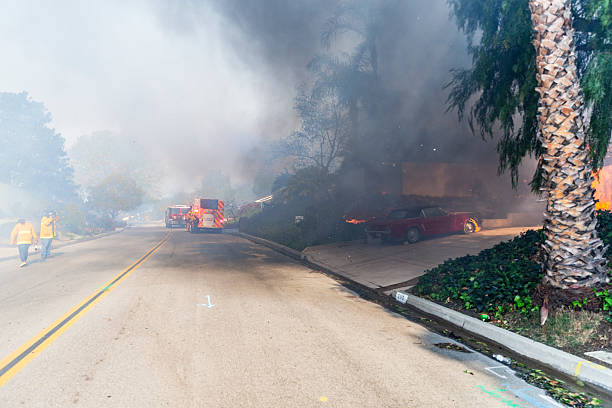
As Santa Barbara County enters another dry and windy fall season in 2025, residents are once again reminded of the power of the region’s Sundowner winds—a local weather phenomenon that can turn a calm evening into a wildfire threat within hours. These strong, dry gusts descending from the Santa Ynez Mountains not only heighten fire risk, but also lead to devastating fire and water damage in Santa Maria and nearby communities. Understanding how these winds work, and how they affect your home or business, is key to protecting your property before disaster strikes.
When it comes to fire and water damage in Santa Maria, few natural forces play a more crucial role than Sundowner Winds. These powerful, dry gusts sweep down the slopes of the Santa Ynez Mountains, transforming a calm afternoon into a fire hazard within minutes.
Sundowner Winds aren’t just a meteorological curiosity—they’re a real threat to homes, businesses, and lives. They can turn a small brush fire into a fast-moving blaze or push embers into vulnerable neighborhoods. Worse yet, when fire crews extinguish the flames, the aftermath often includes water intrusion, smoke damage, and structural instability.
Let’s unpack how these winds work, why they matter, and how being prepared can save you from the devastating effects of fire and water damage in Santa Maria.
What Are Sundowner Winds?
Sundowner Winds are a local weather phenomenon unique to Santa Barbara County and surrounding areas. Similar to Southern California’s Santa Ana winds, they occur when high-pressure air from inland regions flows westward and descends over the coastal mountains toward the Pacific.
As the air sinks, it compresses and heats up rapidly, creating hot, dry, and gusty winds that typically strike in the late afternoon or evening—hence the name “Sundowner.”
For residents, this combination is dangerous: humidity drops, vegetation dries out, and even the smallest spark can ignite a wildfire.
How Sundowner Winds Contribute to Fire and Water Damage in Santa Maria
1. Rapid Fire Spread
Strong winds can push flames across hillsides and residential areas at alarming speeds. Homes built near canyons or open brush are especially vulnerable. In the 2018 Montecito mudslides, fires fueled by high winds preceded devastating post-storm damage—showing just how intertwined these natural disasters can be.
2. Embers and Flying Debris
Sundowner Winds can carry embers miles from the fire source, igniting secondary fires on rooftops, decks, and in dry vegetation. These spot fires often catch homeowners off guard, resulting in extensive fire and water damage in Santa Maria communities.
3. Power Outages and Electrical Fires
High winds often lead to downed power lines or surges that can spark electrical fires. That’s why homeowners are urged to maintain defensible space and install ember-resistant vents.
4. Post-Fire Flooding and Mudslides
Here’s the hidden danger: after the flames, the land is bare and unstable. When heavy winter rain follows a fire, it can trigger mudslides and flooding. Without vegetation to hold the soil, water flows uncontrollably, creating a secondary wave of fire and water damage in Santa Maria.
5. Smoke and Soot Contamination
Even if your property doesn’t burn, wind-driven smoke can infiltrate homes through vents and windows. Lingering soot and odor can cause respiratory irritation and damage surfaces over time—requiring specialized cleanup and deodorization.
Why Understanding the Winds Matters
Local knowledge saves property and lives. Sundowner Winds are not just random gusts, they follow patterns that experts can anticipate. According to NOAA’s National Weather Service, Santa Barbara typically experiences them between May and September, though they can occur anytime conditions align.
When a Sundowner event is forecasted, fire departments issue Red Flag Warnings, meaning residents should prepare for increased fire danger.
Preparation steps include:
- Clearing dry brush and debris within 100 feet of structures
- Cleaning gutters and roofs
- Securing outdoor furniture or items that could become projectiles
- Backing up important documents digitally
These precautions help reduce the risk of fire and water damage in Santa Maria during high-wind events.
The Science Behind Why Sundowner Winds Are So Dangerous
The descending air from the mountains compresses as it moves downward, increasing its temperature by approximately 5.5°F for every 1,000 feet it drops. This rapid heating dries out vegetation, reduces humidity, and increases the flammability of everything it touches.
In effect, Sundowner Winds create a perfect storm for fire ignition and spread. When firefighters attempt to contain these blazes, they often use thousands of gallons of water, which then causes secondary water damage inside and around homes.
Fire and Water Damage in Santa Maria: The Cost of Inaction
Delaying cleanup after a fire or water intrusion can turn manageable damage into a full-blown restoration project.
- Within 24 hours, smoke residues corrode metal surfaces and discolor walls.
- Within 48 hours, mold starts to grow on wet drywall or insulation.
- Within a week, structural damage may require demolition.
That’s why certified teams like PuroClean of Santa Maria emphasize immediate response—whether you’re dealing with fire residues, burst pipes, or storm flooding.
How Professional Restoration Handles It
1. Emergency Assessment
Teams perform a detailed on-site inspection to identify fire and water impact areas.
2. Water Extraction & Drying
Advanced drying systems remove excess moisture before mold can form.
3. Soot and Odor Removal
HEPA filtration and ozone treatment eliminate smoke particles and lingering odors.
4. Structural Cleaning
Damaged drywall, flooring, and framing are cleaned, repaired, or replaced as needed.
5. Restoration and Reconstruction
Finally, your property is restored to pre-loss condition: safely, efficiently, and with documentation ready for insurance claims.
Why Choose PuroClean of Santa Maria
When it comes to fire and water damage in Santa Maria, speed and precision matter. PuroClean offers:
- 24/7 emergency response
- Certified IICRC technicians
- Advanced drying and deodorization equipment
- Insurance coordination and transparent reporting
Serving Santa Maria, Lompoc, Orcutt, Nipomo, and the entire Central Coast, PuroClean’s mission is simple: to restore homes, protect families, and rebuild peace of mind.
FAQs About Fire and Water Damage in Santa Maria
1. What makes Sundowner Winds different from Santa Ana Winds?
Sundowner Winds blow westward toward the coast, while Santa Ana Winds blow eastward from inland deserts. Both increase wildfire risk, but Sundowners affect Santa Barbara County specifically.
2. How soon should I call for restoration after a fire?
Immediately—within 24 hours. Delaying response can worsen smoke damage and increase repair costs.
3. Does insurance cover fire and water damage?
Most homeowners’ policies cover sudden, accidental damage. PuroClean of Santa Maria assists with documentation for faster claim processing.
4. Can smoke damage be removed completely?
Yes. Professional restoration teams use ozone and hydroxyl treatments to neutralize odor molecules deep within materials.
5. What should I do after a fire or flood?
Ensure safety first, then contact a certified restoration company. Avoid entering affected areas until professionals declare them safe.
Final Thoughts
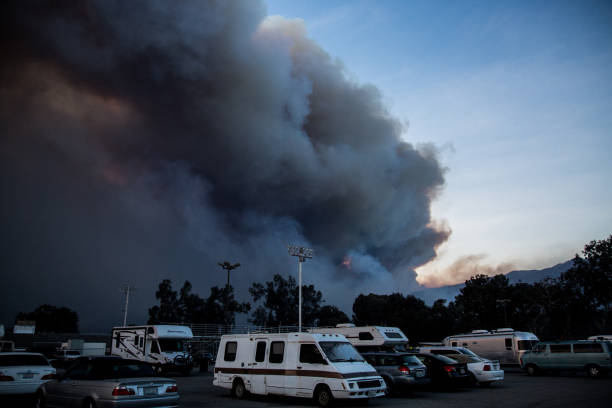
Understanding Sundowner Winds isn’t just science, it’s protection. Awareness helps you prepare, act fast, and minimize the devastating effects of fire and water damage in Santa Maria.
When disaster strikes, PuroClean of Santa Maria is your local partner for rapid, compassionate, and expert restoration.
Need help now?
📞 Call (805) 975-0800 | 💻 Visit PuroClean of Santa Maria
Serving Santa Maria, Lompoc, Orcutt, Nipomo, and nearby communities—24/7 emergency response, every day of the year.
Available 24/7/365 | (805) 975-0800 | IICRC Certified | Comprehensive Fire Damage Solutions | Contact Us Online | Google Business Profile