


Table of Contents
The Thomas Fire wasn’t an anomaly. Neither was the Jesusita Fire. Or the Painted Cave Fire before it.
These devastating blazes are part of a relentless pattern that’s been burning through Santa Barbara County for centuries. And if you think your property is safe, the numbers tell a different story.
Understanding Fire and Water Damage Restoration in Santa Barbara’s Historical Context
Research shows that fire occurs once every 30 to 35 years inland in Santa Barbara County, making it not a question of if the next major wildfire will strike, but when. For coastal drainages, this cycle extends to roughly 65 years, but recent decades have shattered these historical patterns.
Since the 1950s, the greater Santa Barbara area averaged one large fire per decade; however, the number of large fires within and adjacent to the County has increased substantially over the last decade. This acceleration means property owners face unprecedented risk, making professional fire and water damage restoration in Santa Barbara more essential than ever before.
The connection between fire and water damage often surprises homeowners. When wildfires strip hillsides bare, the subsequent rainy season transforms your fire risk into a flood risk. It’s a devastating one-two punch that can destroy properties months apart.
The Historical Record: What the Past Tells Us About Your Future
Let’s talk about what actually happened here.
The 1955 Refugio Fire burned 79,428 acres, including both slopes of the Santa Ynez mountain range from Gaviota to San Marcos Pass. Nine years later, the 1964 Coyote Fire consumed 65,339 acres and destroyed 106 structures. Fast forward to recent history, and the pattern intensifies.
Over the last eleven years, Santa Barbara County has experienced 15 major fires. That’s more than one major fire per year—a stark departure from the one-per-decade average our grandparents experienced.
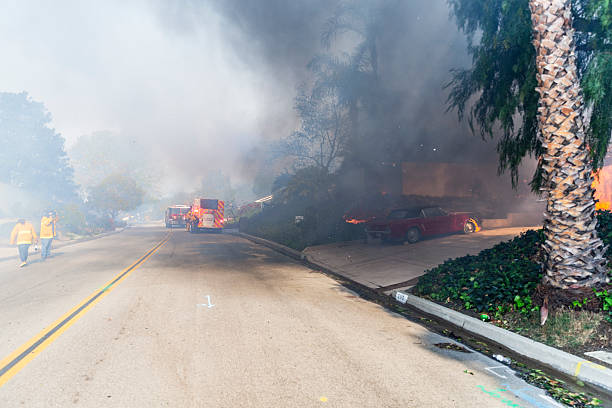
The 2017 Thomas Fire stands as a watershed moment. Starting on December 4th, the Thomas Fire burned 281,893 acres before being fully contained on January 12, 2018, destroying at least 1,063 structures. This wasn’t just a fire—it was a catastrophe that required immediate fire and water damage restoration in Santa Barbara for hundreds of families.
But here’s what most people miss: the fire was just the beginning.
Why Fire Damage Leads to Water Damage Every Single Time
When flames consume vegetation on steep hillsides, they create a dangerous secondary threat that most homeowners overlook until it’s too late.
Burned slopes lose their natural erosion protection. The waxy coating that fire leaves on soil actually repels water instead of absorbing it. When winter rains arrive, water doesn’t soak in—it runs off, carrying massive amounts of debris downhill at devastating speeds.
The 2018 Montecito mudslides demonstrated this fire-to-flood cycle with tragic clarity. Following the Thomas Fire, rainfall triggered debris flows that claimed 23 lives and destroyed 130 homes. This is why comprehensive fire and water damage restoration in Santa Barbara requires understanding both threats simultaneously.
Properties that survived the fire still needed extensive water damage restoration services. Mudflows infiltrated homes, contaminated interiors, and created mold conditions that required professional remediation.
The Five Warning Signs Your Property Isn’t Ready
1. Your Defensible Space Hasn’t Been Updated This Year
If you last cleared brush six months ago, you’re already behind. Santa Barbara’s Mediterranean climate creates fast-growing vegetation that becomes fuel during dry season. Professional assessment is critical, and many homeowners discover they need fire and water damage restoration in Santa Barbara expertise even before disaster strikes to identify hidden vulnerabilities.
2. You Don’t Have Multiple Evacuation Routes Planned
The 2009 Jesusita Fire required the evacuation of 30,500 people and destroyed 80 residences and 80 outbuildings. When evacuation orders come, you’ll have minutes, not hours. Know your routes. Practice them. Have backup plans.
3. Your Home Lacks Ember-Resistant Vents
Embers travel up to a mile ahead of fire fronts. They infiltrate attics, ignite insulation, and destroy homes from the inside out. Simple 1/8-inch mesh screening on vents dramatically improves survival odds, yet most properties lack this basic protection.
4. Your Insurance Documentation Is Incomplete
Can you prove what you owned yesterday? Most people can’t. Video documentation of every room, receipts for major purchases, and updated insurance coverage are essential. When you need fire and water damage restoration in Santa Barbara, comprehensive documentation accelerates claims and recovery.
5. You’re Unfamiliar with Local Weather Patterns
Santa Barbara’s Sundowner winds are legendary for good reason. During the 2009 Jesusita Fire, 65 mile per hour Sundowner winds pushed the fire directly into the Mission Canyon community, destroying 80 residences during a single burning period. Understanding when these conditions occur helps you prepare proactively.
What Professional Fire and Water Damage Restoration in Santa Barbara Actually Involves
Here’s what most people don’t realize until they need it: restoration after a major fire isn’t just about repairing visible damage.
Smoke infiltrates everything. It penetrates walls, ductwork, and insulation. Soot particles are acidic and continue corroding surfaces long after flames are extinguished. Water used to fight fires soaks through structures, creating ideal conditions for mold growth within 24-48 hours.
Professional fire and water damage restoration in Santa Barbara addresses all these issues systematically:
Immediate emergency response to secure your property and prevent further damage. Time matters critically—every hour of delay increases restoration costs and complexity.
Complete moisture detection and extraction using industrial equipment that identifies hidden water in walls, subflooring, and structural cavities. Consumer-grade equipment misses most problem areas.
Smoke and soot removal using specialized techniques and cleaning agents. Different materials require different approaches—what works on drywall damages wood, and vice versa.
Odor elimination through thermal fogging, ozone treatment, or hydroxyl generator technology. Simply masking smoke odor doesn’t address the problem.
Structural drying and dehumidification to prevent mold growth. This requires monitoring moisture levels over days or weeks until structures reach safe levels.
Content restoration for salvageable possessions, including specialized cleaning for electronics, documents, and textiles.
The Real Cost of Being Unprepared
Financial losses from fire and water damage extend far beyond repair bills.
Displacement costs while your home is uninhabitable add up quickly. Lost wages from time away from work compound problems. Insurance deductibles, temporary housing, replacement belongings—the expenses cascade.
But there’s a hidden cost that hurts even more: emotional trauma.
Walking through what remains of your home after disaster strikes is devastating. Finding family photos destroyed, heirlooms lost forever, and memories reduced to ash creates wounds that take years to heal.
Prevention isn’t just cheaper—it’s essential for protecting what matters most.
Your Action Plan: What to Do Right Now
Don’t wait until smoke appears on the horizon. Here’s what you need to do this week:
Day 1-2: Contact the Santa Barbara County Fire Safe Council and schedule a free home evaluation. Their trained assessors identify specific vulnerabilities you might miss.
Day 3-4: Create defensible space zones extending 100 feet from your home. Remove dead vegetation, trim trees away from structures, and eliminate debris accumulation areas.
Day 5-6: Document your entire property through photos and video. Store this documentation off-site in cloud storage. Update your insurance policy to reflect current replacement costs.
Day 7: Establish relationships with local fire and water damage restoration in Santa Barbara professionals before you need emergency services. Research companies, read reviews, and save contact information.
Understanding the Post-Fire Recovery Timeline
What happens when disaster strikes despite your best preparation efforts?
The recovery process follows a specific timeline that property owners should understand:
Hour 1-24: Emergency response and initial assessment. Professional restoration companies secure your property, document damage, and begin emergency water extraction if firefighting efforts flooded your home.
Days 2-7: Comprehensive damage assessment, insurance documentation, and restoration planning. This phase determines what can be saved versus what requires replacement.
Weeks 2-4: Active restoration work including structural drying, smoke remediation, demolition of unsalvageable materials, and beginning of reconstruction.
Months 2-6: Complete restoration, content cleaning and return, final inspections, and full property return to pre-loss condition.
Understanding this timeline helps manage expectations and plan accordingly. Professional fire and water damage restoration in Santa Barbara companies guide you through each phase while handling the overwhelming details.
The Climate Reality: Why This Matters More Than Ever
Climate patterns are changing, and Santa Barbara sits at the epicenter of these shifts.
Longer dry seasons create more fuel. Higher temperatures stress vegetation. Unpredictable weather patterns make forecasting difficult. The 30-year fire cycle that historically defined Santa Barbara’s fire risk is compressing into shorter intervals.
Recent fire seasons demonstrate this acceleration clearly. Multiple major fires in single years—something our historical record never showed—are becoming normal. The question isn’t whether you’ll experience wildfire impact during your time in Santa Barbara. It’s whether you’ll be ready when it happens.
Professional fire and water damage restoration in Santa Barbara expertise will become increasingly critical as climate pressures intensify. Properties that would have survived past fires face greater risks today.
Why Choose Professional Restoration Services
Some homeowners consider handling fire and water damage restoration themselves to save money. This decision almost always costs more in the long run.
Professional restoration companies bring specialized equipment, training, and experience that makes dramatic differences in outcomes. Industrial-grade moisture meters detect hidden water. Thermal imaging cameras identify heat signatures indicating potential fire damage invisible to naked eyes. Air scrubbers remove particulate contamination that causes long-term health problems.
Insurance companies also respond differently to professional restoration. Documentation, timelines, and methodologies from certified restoration companies carry weight that homeowner efforts don’t. This translates directly into smoother claims processes and better settlements.
Perhaps most importantly, professionals handle the overwhelming logistics while you focus on your family. They coordinate with insurance adjusters, manage multiple contractor teams, and ensure all work meets code requirements. The stress reduction alone justifies their involvement.
FAQs About Fire and Water Damage in Santa Barbara
Q: How quickly do I need to call restoration services after fire or water damage?
Immediately. Within the first 24 hours, water damage progresses from clean to contaminated categories. Mold begins growing within 48 hours. Smoke and soot continue corroding surfaces every hour they remain. Professional fire and water damage restoration in Santa Barbara companies offer 24/7 emergency response because timing directly impacts both restoration costs and outcomes.
Q: Will my insurance cover professional restoration services?
Most homeowner policies cover both fire and resulting water damage from firefighting efforts. However, coverage details vary significantly between policies. Professional restoration companies typically work directly with insurance companies and help maximize your claims. Always review your policy and understand your coverage before disaster strikes.
Q: Can I stay in my home during the restoration process?
This depends on damage severity. Minor smoke damage might allow occupancy in unaffected areas. Extensive fire damage, significant water infiltration, or mold growth typically require temporary relocation. Professional assessors evaluate safety factors including structural integrity, air quality, and contamination levels before making recommendations.
Q: How long does complete restoration take after major fire damage?
Timelines vary dramatically based on damage extent. Minor smoke damage might require days. Complete structural fires can take six months or longer. Variables include permit approval times, material availability, contractor scheduling, and insurance processing speed. Fire and water damage restoration in Santa Barbara professionals provide realistic timelines during initial assessments.
Q: What’s the difference between fire damage and smoke damage restoration?
Fire damage involves structural issues, burn damage, and complete material loss. Smoke damage affects areas flames never touched through infiltration of soot particles and odor molecules. Both require different restoration approaches. Smoke damage is often more extensive than fire damage because smoke travels throughout entire structures regardless of where flames actually burned.
Q: Should I attempt any cleanup before professionals arrive?
No. Well-intentioned cleanup efforts often worsen damage. Improper cleaning techniques can drive soot deeper into materials. Walking through water-damaged areas spreads contamination. Wait for professional assessment unless instructed otherwise for safety reasons. Document everything through photos and video instead.
Protecting Your Property Starts Today
Santa Barbara’s fire cycle continues whether we acknowledge it or not. The flames that destroyed the Thomas Fire’s path will return. Different locations, different conditions, but the same devastating potential.
Your property’s survival depends on preparation you complete today—not promises you make tomorrow when smoke appears on the horizon.
The next major fire event will happen. Statistics, history, and climate trends all point toward this certainty. Will your property be ready?
When Disaster Strikes, We’re Ready to Restore
At PuroClean of Santa Maria, we understand that fire and water damage restoration in Santa Barbara requires more than just equipment and technical skill—it demands compassion, expertise, and unwavering commitment to returning your life to normal.
We’ve served Santa Barbara County residents through their worst days, helping families recover from devastating losses and rebuild what fire and water tried to destroy. Our IICRC-certified technicians respond 24/7 because we know disaster doesn’t wait for business hours.
Whether you’re facing smoke damage, structural fire loss, water infiltration from firefighting efforts, or the complex aftermath of Santa Barbara’s fire-to-flood cycle, we bring comprehensive restoration services that address every aspect of recovery.
Don’t wait until disaster strikes to establish a relationship with restoration professionals. Contact PuroClean of Santa Maria today for a property assessment, preparation guidance, or emergency restoration services. Your property’s future depends on the preparation you complete right now.
Because in Santa Barbara, it’s never a question of if. Only when.
Available 24/7/365 | (805) 975-0800 | IICRC Certified | Comprehensive Fire Damage Solutions | Contact Us Online | Google Business Profile