


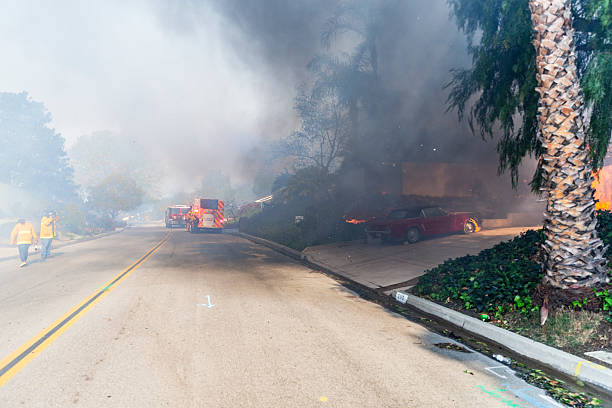
A fire in your home changes everything in a matter of minutes — and the hours right after can feel just as overwhelming as the fire itself. If you’re searching for fire damage restoration in Santa Maria, you’re likely standing in the middle of exactly that moment: assessing damage, calling your insurance company, and trying to figure out what happens next. This guide is built to answer those questions directly, walking through what fire damage restoration actually involves, what to do in the first 24–48 hours, and how professional help differs from what you can safely handle yourself.
:
What Should You Do in the First 24–48 Hours After a Fire?
The first two days matter more than most homeowners realize. Once the fire department clears the property as safe to enter, avoid turning on electrical or HVAC systems until they’ve been inspected, since fire and smoke can compromise wiring and ductwork. Document the damage with photos and video for your insurance claim before anything is moved or cleaned. Contact a fire damage restoration company as early as possible — soot is acidic and continues to etch into surfaces the longer it sits, and smoke odor becomes more difficult to remove the longer it penetrates porous materials like drywall, insulation, and fabric.
Does Fire Damage Restoration Include Smoke and Soot Removal?
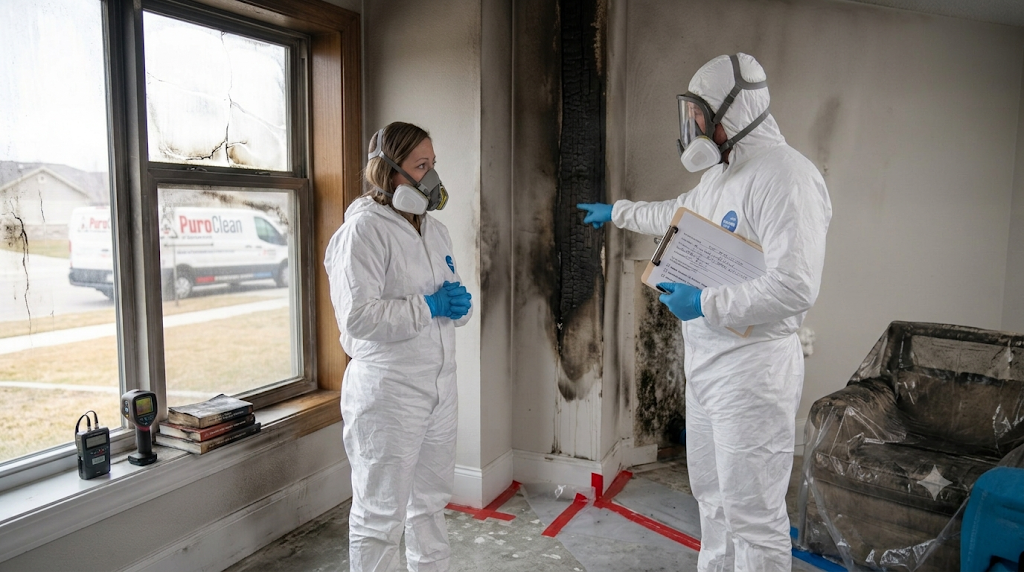
Yes — smoke and soot removal are core parts of fire damage restoration, not a separate service. Soot is fine, often greasy residue that settles on nearly every surface in a home, including inside cabinets, behind outlet covers, and within HVAC ductwork. The IICRC S700 standard specifically addresses assessing the presence and boundaries of fire residues and odors affecting a building, its systems, and its contents, which is why professional fire damage restoration includes a full residue assessment before cleaning begins, not just the visibly charred areas.²
How Does Wildfire Smoke Affect Indoor Air Quality Even Without a Structure Fire?
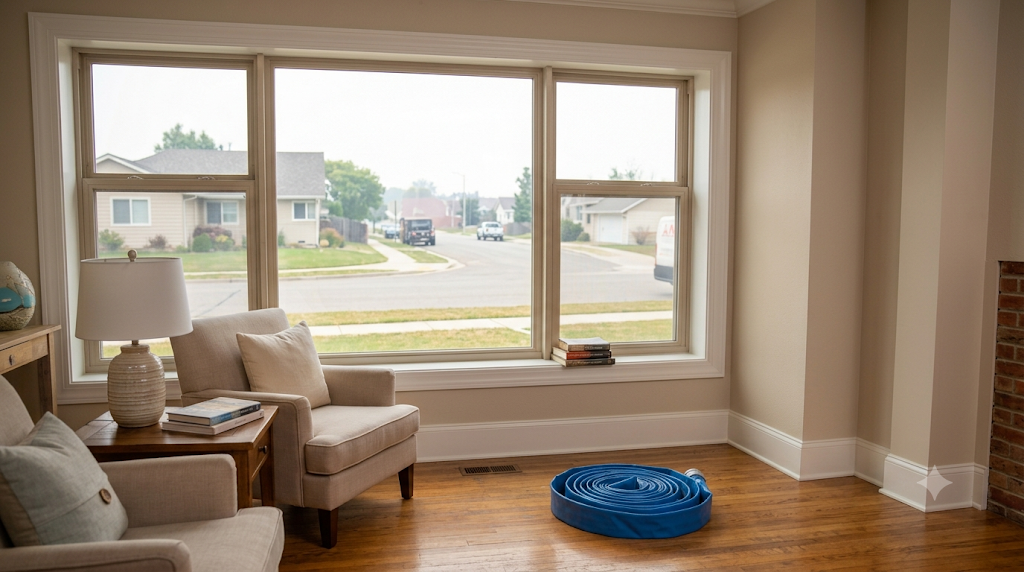
Fire damage restoration isn’t only needed after a fire inside your home — nearby wildfire smoke can infiltrate a house and affect indoor air quality even when the structure itself never burned. According to the EPA, wildfire smoke is a complex mixture of fine particles and gases that can enter homes and make indoor air unhealthy to breathe, and exposure can cause eye and respiratory irritation, reduced lung function, and aggravation of existing heart or lung conditions.³ People with asthma, COPD, heart disease, children, and older adults face higher risk from this kind of exposure.⁴ This is a distinct but related service — homeowners in Santa Maria and Santa Barbara County dealing with wildfire smoke infiltration, rather than a structure fire, may need smoke odor removal and HVAC cleaning without full structural restoration
Can Your Belongings Be Restored, or Do They Need to Be Replaced?
Many items can be restored rather than replaced, depending on the material and how much smoke or heat exposure occurred. The BSR/IICRC S740 Standard for Professional Restoration of Fire and Smoke Damaged Personal Items outlines specific principles and processes for evaluating and restoring both porous and non-porous personal items, along with documenting chain-of-custody for packing, cleaning, and returning belongings to the homeowner.⁵ This standard exists specifically because contents restoration is often overlooked in fire recovery, even though it can meaningfully reduce what a homeowner has to replace out of pocket.
How Does Fire Damage Restoration Work With Your Insurance Claim?
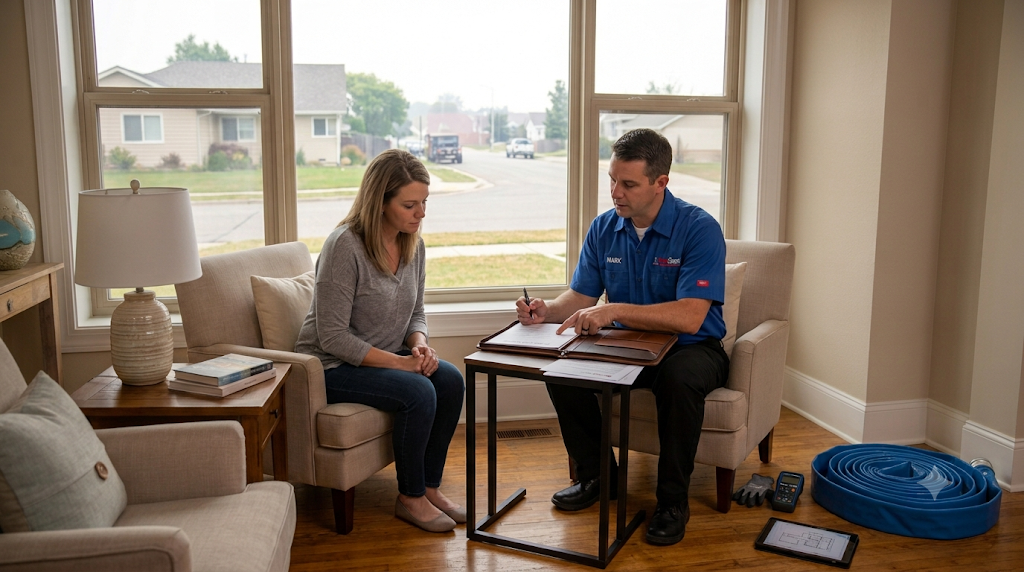
A reputable fire damage restoration company should be able to document damage in a format your insurance adjuster can use, provide a detailed scope of work, and communicate directly with your carrier when needed. This documentation matters for both the speed and accuracy of your claim. Because timing affects both damage severity and claim documentation, starting the restoration process quickly — ideally within the first 24–48 hours — tends to produce better outcomes on both fronts.
Ready to Start Fire Damage Restoration? Call PuroClean of Santa Maria
Recovering from a fire is overwhelming enough without wondering whether you’re making the right calls. PuroClean of Santa Maria brings IICRC-certified expertise in fire damage restoration, following ANSI/IICRC S700 and S740 standards, to homeowners throughout Santa Maria, Nipomo, Orcutt, and Guadalupe — with 24/7 emergency availability when every hour matters.
Fire damage rarely waits for a convenient time, and the sooner restoration begins, the more of your home and belongings can realistically be saved. Whether you’re calling from your driveway right after the fire department clears your home, or you’re a few days in and trying to figure out next steps, PuroClean of Santa Maria is here to help every step of the way.
Reach out today, and let’s start getting your home and life back to normal — call now for a free assessment or contact us for 24/7 emergency fire damage restoration.
Frequently Asked Questions
How long does fire damage restoration typically take? Timelines vary widely based on the extent of structural, smoke, and content damage. Minor smoke-only situations may take days, while significant structural fire damage can take weeks to months, especially if reconstruction is required.
Is fire damage restoration covered by homeowners insurance? Most standard homeowners policies cover fire damage, though specifics vary by policy and cause. A restoration company that documents damage thoroughly can help support your claim, but confirming coverage details is best done directly with your insurance provider.
Can I stay in my home during fire damage restoration? It depends on the extent of damage and whether utilities, structural elements, and air quality are safe. For significant damage, temporary relocation is often necessary until the property is deemed safe.
What’s the difference between fire damage restoration and smoke damage cleanup? Fire damage restoration is the broader process covering structure, smoke, soot, and contents after a fire. Smoke damage cleanup specifically addresses smoke residue and odor, which can be needed even without direct fire or structural damage, such as after nearby wildfire smoke infiltration.
Sources Cited
- IICRC, S700 – Standard for Professional Fire and Smoke Damage Restoration — https://iicrc.org/s700/
- IICRC, S700 – Standard for Professional Fire and Smoke Damage Restoration — https://iicrc.org/s700/
- U.S. Environmental Protection Agency (EPA), Wildfires and Indoor Air Quality (IAQ) — https://www.epa.gov/emergencies-iaq/wildfires-and-indoor-air-quality-iaq
- U.S. Environmental Protection Agency (EPA), Reduce Your Smoke Exposure — https://www.epa.gov/wildfires/reduce-your-smoke-exposure
- IICRC, S740 – Standard for Professional Restoration of Fire and Smoke Damaged Personal Items — https://iicrc.org/s740/
Available 24/7/365 | IICRC Certified | (805) 975-0800 | Contact Us Online | Google Business Profile