


Table of Contents
Fuzzy mold does not discriminate. Whether it is colonizing the wood framing of your garage, creeping along the drywall in your bathroom, or appearing on forgotten leftovers in your refrigerator, fuzzy mold follows the same biological playbook: find moisture, find food, and grow — fast. At PuroClean of Santa Maria, our certified remediation specialists have assessed and eliminated thousands of mold infestations across the Central Coast, and we have built this ultimate guide to give homeowners the knowledge they need to identify every form of fuzzy mold and take decisive action.
Fuzzy Mold Explained: What You Are Actually Looking At
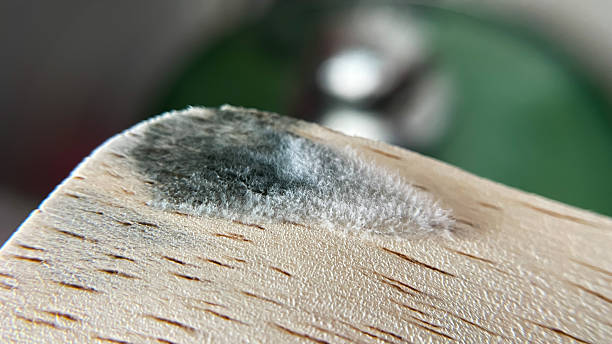
Fuzzy mold is not a single species — it is a visual descriptor for mold in its active, filamentous growth phase. That fuzzy or downy texture is composed of hyphae, the microscopic thread-like structures that mold uses to absorb nutrients from its host surface, topped by conidiophores that produce and release reproductive spores. When a colony matures enough to display that visible fuzz, it is already actively spreading.
The National Institute of Environmental Health Sciences (NIEHS) identifies mold as a ubiquitous environmental microorganism that exists both indoors and outdoors. The problem arises when elevated indoor moisture allows fuzzy mold to establish colonies on building materials and household contents at concentrations that harm human health and structural integrity.
Identifying what type of fuzzy mold is present helps determine the urgency and approach of remediation. The most common varieties our team encounters across Santa Maria properties include:
- Cladosporium — Olive-green to black, powdery-fuzzy texture; common on wood and fabric
- Aspergillus — Yellow, green, or black; fuzzy colonies often found in HVAC systems and insulation
- Penicillium — Blue-green with a distinctly velvety fuzzy surface; thrives on water-damaged drywall
- Mucor — White to gray, rapidly growing fuzzy mold; frequently appears on food and organic debris
- Stachybotrys chartarum — Early-stage growth can appear fuzzy and grayish before developing its characteristic slimy black appearance
Fuzzy Mold on Wood: A Structural Threat You Cannot Afford to Ignore
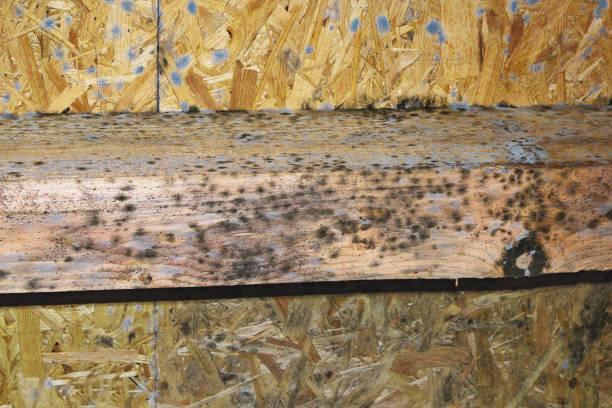
Wood is among the most vulnerable building materials to fuzzy mold colonization. Structural lumber, floor joists, subfloor decking, and wood cabinetry all provide the cellulose that mold consumes as a primary food source. Once fuzzy mold on wood reaches the wood-rotting stage, the structural integrity of the affected material is permanently compromised and full replacement is required.
Early-stage fuzzy mold on wood typically appears as a white, green, or gray discoloration with a soft, fuzzy texture. You may notice it first in crawl spaces — a high-risk zone in Santa Maria’s older homes — or along the base of exterior walls where ground moisture infiltrates the framing. According to the California Department of Public Health, crawl space mold is one of the most commonly overlooked sources of indoor mold contamination in California residences.
Expert Tip from PuroClean of Santa Maria: Never attempt to sand or dry-brush fuzzy mold from wood surfaces. Sanding without proper containment releases enormous quantities of spores. Our team uses wet-media blasting, HEPA vacuuming, and EPA-registered fungicides applied by trained technicians to safely treat mold-affected wood.
How to Tell If Wood Is Salvageable
Surface-level fuzzy mold that has not yet caused structural softening can often be remediated without full removal. However, if the wood is soft, crumbles under pressure, or shows signs of deep staining that extends below the surface, replacement is necessary. Our technicians use moisture meters and borescope cameras to assess the true depth of mold penetration before making that determination.
Fuzzy Mold on Walls: Understanding What Is Hiding Behind the Surface
Fuzzy mold on walls is often the visible symptom of a larger hidden problem. Drywall is particularly susceptible because its paper facing provides an excellent food source, and its gypsum core retains moisture effectively. When fuzzy mold appears on drywall, it is frequently a sign that the cavity behind the wall — the insulation and stud framing — is already more heavily colonized.
Bathroom walls, basement walls, and walls adjacent to plumbing chases are the most common locations for fuzzy mold growth in Santa Maria homes. Tile grout failures, inadequate exhaust ventilation, and shower splash zones create persistent moisture that feeds fuzzy mold colonies year-round. The World Health Organization’s indoor air quality guidelines identify dampness and mold as among the most significant threats to building-related public health globally.
The Hidden Danger: Mold Behind Drywall
One of the most critical points PuroClean of Santa Maria emphasizes to every client: visible fuzzy mold on walls represents only the portion you can see. Industry research consistently shows that when mold is visible on one side of a wall, the hidden cavity side is typically far more heavily colonized. Our moisture mapping and thermal imaging services are specifically designed to locate and quantify that hidden growth before remediation begins.
Removing mold-affected drywall without professional containment spreads spores throughout the home. We establish sealed negative-pressure containment zones that prevent cross-contamination to unaffected rooms during demolition and removal.
Fuzzy Mold on Food: When to Discard and When It Might Be Safe
Fuzzy mold on food follows different rules than structural mold — and the guidance from food safety authorities is more nuanced than simply discarding everything. The USDA Food Safety and Inspection Service provides detailed guidance distinguishing which moldy foods can be salvaged by cutting away the affected portion versus which must be discarded entirely.
Generally, hard cheeses, hard salami, and firm vegetables where fuzzy mold is confined to the surface can be salvaged by cutting away the mold plus at least one inch of surrounding food. Soft cheeses, yogurt, sour cream, bread, cooked foods, and any food with fuzzy mold below the surface should be discarded immediately without sniffing — inhaling spores from moldy food can trigger respiratory reactions.
Persistent fuzzy mold appearing on refrigerated food may also signal a problem with your refrigerator’s moisture control or sealing. If your refrigerator consistently produces moldy food, our indoor air quality assessment can determine whether your kitchen environment itself has elevated ambient mold spore counts from a structural mold source.
The PuroClean of Santa Maria Remediation Approach: Science-Backed, Community-Trusted
As the leading mold remediation specialists serving Santa Maria, Orcutt, Santa Ynez Valley, and the greater Central Coast, PuroClean of Santa Maria combines IICRC-certified expertise with the responsive, personalized service of a locally owned business. Every remediation project we undertake follows the IICRC S520 Standard for Professional Mold Remediation — the definitive industry benchmark for safe, effective mold removal.
Our remediation process for fuzzy mold — whether on wood, walls, or other structural components — follows these evidence-based steps:
- Initial consultation and visual assessment at no obligation
- Advanced moisture mapping using thermal imaging and pin/pinless moisture meters
- Air sampling and surface sampling submitted to accredited third-party laboratories
- Custom remediation scope of work based on laboratory findings and moisture mapping
- Physical containment with negative air pressure, polyethylene barriers, and air locks
- Controlled removal of all non-salvageable mold-contaminated materials
- HEPA vacuuming and EPA-registered antimicrobial treatment of structural surfaces
- Post-remediation clearance testing by an independent third-party industrial hygienist
- Detailed documentation for insurance claims and future disclosure requirements
PuroClean of Santa Maria — Available 24/7: Mold emergencies do not follow a schedule. Whether you have discovered fuzzy mold after a weekend flood or noticed it spreading during a routine inspection, our team is available around the clock. Call us for an immediate response — your home and your family’s health cannot wait.
Preventing Fuzzy Mold: Proven Strategies for Santa Maria Homeowners
While PuroClean of Santa Maria is always ready to respond to active mold situations, prevention is always the better strategy. Here are the most impactful steps Santa Maria homeowners can take to reduce their fuzzy mold risk:
- Install and use exhaust fans in all bathrooms and the kitchen — run them during and for 20 minutes after showering or cooking
- Maintain indoor relative humidity between 30% and 50% year-round using a digital hygrometer and dehumidifier if necessary
- Inspect and clean gutters seasonally to prevent roof-line water infiltration
- Encapsulate crawl spaces with a vapor barrier and ensure adequate crawl space ventilation
- Address any plumbing leaks or roof damage within 24 to 48 hours to prevent mold establishment
- Schedule annual professional moisture assessments in high-risk areas of your home
Frequently Asked Questions About Fuzzy Mold on Wood, Walls, and Food
What does fuzzy mold look like compared to other types of mold? Fuzzy mold displays a soft, fibrous, or velvety texture created by the visible filamentous hyphae and spore-bearing structures of the colony. Other mold types may appear slimy like advanced Stachybotrys, or powdery like efflorescence, which is sometimes confused with mold but is actually mineral salt deposits. The fuzzy texture is the hallmark of a mature, actively sporulating colony.
How long does professional mold remediation take? The duration depends on the scope of contamination. A contained bathroom mold remediation may be completed in one to two days, while a whole-home remediation involving structural wood, HVAC systems, and multiple rooms may require five to seven business days. PuroClean of Santa Maria provides a detailed scope and timeline estimate before work begins.
Can fuzzy mold grow inside air conditioning systems? Yes — HVAC systems are one of the most dangerous fuzzy mold growth environments because they distribute spores throughout every room in the home. If you notice musty odors when the system runs, or see fuzzy mold around vents or inside the air handler, contact PuroClean of Santa Maria immediately for an assessment.
Is white fuzzy mold less dangerous than black mold? Color alone is not a reliable indicator of mold toxicity. White fuzzy mold can include Mucor and Aspergillus species, some of which produce dangerous mycotoxins. All fuzzy mold growths should be professionally assessed and remediated regardless of color.
How do I know if the mold in my Santa Maria home has been fully eliminated? Post-remediation clearance testing, conducted by an independent industrial hygienist, is the gold standard for verifying successful mold elimination. PuroClean of Santa Maria coordinates this independent verification as part of our remediation protocol, ensuring you have documented proof that your home has been restored to a safe condition.
Available 24/7/365 | IICRC Certified | (805) 975-0800 | Contact Us Online | Google Business Profile