


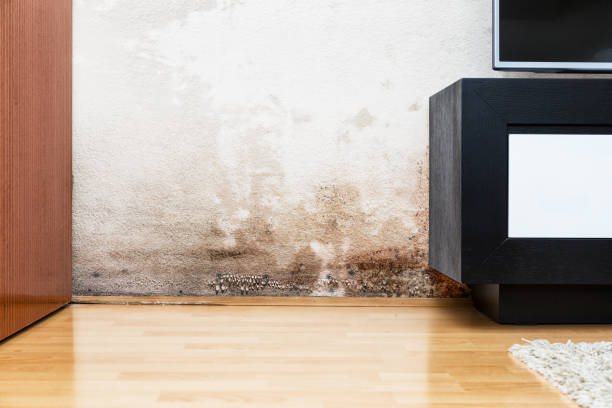
Some of the most stubborn mold problems are the ones you can’t actually see. If you’ve noticed a musty smell, discoloration, or unexplained allergy symptoms in a specific room of your Santa Maria home, mold behind walls could be the reason — even if the wall surface itself looks perfectly fine. Because it’s hidden, this type of mold often goes unaddressed longer than surface growth, giving it more time to spread. This guide walks through how to recognize the signs, what causes it, and what to do next.
What Causes Mold to Grow Behind Walls?
Mold behind walls typically develops from slow, hidden leaks — plumbing lines running through wall cavities, roof leaks that travel before showing on a ceiling, or condensation around pipes and poorly insulated exterior walls. Because these sources aren’t always immediately visible, moisture can sit inside the wall cavity for weeks or months before any sign appears on the surface.
What Are the Warning Signs of Mold Behind Walls?
Beyond a musty smell, look for wallpaper or paint that’s bubbling, peeling, or discoloring without an obvious cause, walls that feel cool or damp to the touch, and any household member experiencing recurring respiratory symptoms that ease when away from the affected room. A visible water stain, even a small one, is also worth investigating further.
How Do Professionals Confirm Mold Behind Walls Without Tearing Them Open?
Non-invasive methods include moisture meters that measure dampness through the wall surface and thermal imaging cameras that detect temperature differences associated with trapped moisture. When these indicate a likely problem, a small, targeted inspection opening may be used to visually confirm growth before planning a remediation approach — this avoids unnecessary demolition while still getting an accurate picture.
Is Mold Behind Walls More Dangerous Than Visible Surface Mold?
Not necessarily more dangerous, but often more advanced, since it typically goes undetected longer. By the time mold behind walls is confirmed, it may have had more time to spread than an equivalent patch of visible mold would have. This is one reason unexplained musty odors shouldn’t be ignored even without visible growth. Our Mold Remediation in Santa Maria pillar page covers the full inspection and remediation process for hidden mold.
What Happens Once Mold Behind Walls Is Confirmed?
Remediation typically involves containment to prevent spores from spreading to other rooms, removal of affected drywall or insulation, HEPA air filtration, and repair of the underlying moisture source before new material is installed. The extent of the work depends on how far the mold has spread within the wall cavity. If you’re also seeing visible growth elsewhere, our post on black mold vs. white mold in Santa Maria homes can help you understand what you’re looking at.
Don’t Ignore the Signs — Call PuroClean of Santa Maria
Mold behind walls can be easy to miss and hard to confirm without the right tools, but it doesn’t have to stay a mystery. PuroClean of Santa Maria brings IICRC-certified expertise, moisture detection tools, and 24/7 emergency response to homeowners throughout Santa Maria and Santa Barbara County — including Orcutt, Nipomo, Guadalupe, and Lompoc.
Mold rarely gets better on its own, and the sooner it’s addressed, the less it costs — in repairs, in stress, and in peace of mind. Whether you’re just starting to notice something off in your home or you’re ready to have it professionally handled, PuroClean of Santa Maria is here to help every step of the way.
Reach out today, and let’s get your home back to feeling clean, dry, and worry-free — call now for a free mold assessment or contact us to schedule an inspection.
Frequently Asked Questions
Can mold behind walls make you sick even if you can’t see it?
Yes. Airborne spores and musty odors can affect indoor air quality even when the mold itself is hidden, which is why unexplained symptoms are worth investigating.
How do I know if a musty smell means mold behind my walls?
A persistent musty odor that doesn’t go away with cleaning or ventilation, especially localized to one room or area, is a strong indicator worth having professionally assessed.
Will homeowners insurance cover mold behind walls?
Coverage typically depends on the cause of the moisture — sudden plumbing failures are more commonly covered than long-term leaks or maintenance issues. Check with your insurance provider for specifics.
Do I need to cut open my walls to check for mold?
Not necessarily at first. Moisture meters and thermal imaging can often identify likely problem areas non-invasively before a targeted inspection opening is needed to confir
Available 24/7/365 | IICRC Certified | (805) 975-0800 | Contact Us Online | Google Business Profile