


Table of Contents
With Santa Maria receiving 99mm of rain this January, property owners across the Central Coast are asking: How dangerous is white mold? The answer might surprise—and frighten—you.
How Dangerous Is White Mold Compared to Black Mold?
Let’s address the biggest misconception: How dangerous is white mold compared to black mold?
Most homeowners believe black mold (Stachybotrys chartarum) is the only “toxic” mold worth worrying about. This creates a false sense of security that allows white mold to proliferate unchecked.
According to the Centers for Disease Control and Prevention, exposure to damp and moldy environments may cause health effects ranging from stuffy nose, sore throat, and coughing to burning eyes and skin rash—with severe reactions possible for people with asthma or allergies.
Here’s the critical truth: while white mold generally has a lower health risk for most people compared to black mold, it can still cause allergic reactions, exacerbate existing health issues, and contribute to respiratory problems. The danger isn’t necessarily less—it’s just different.
Common species like Aspergillus and Penicillium produce allergenic compounds triggering severe reactions. For people asking “how dangerous is white mold?” with asthma, the answer is: extremely. White mold is particularly dangerous for those with asthma, causing respiratory infections, dizziness, allergic reactions, headaches, and eye or skin irritations.
The 7 Health Risks: Understanding How Dangerous Is White Mold
Risk #1: Allergic Reactions and Respiratory Distress
White mold releases spores that trigger allergic responses in 20-30% of the population. Symptoms start mild—sneezing, watery eyes—but escalate with continued exposure.
Advanced reactions include severe congestion, persistent coughing, wheezing, chest tightness, and difficulty breathing. People without previous mold allergies can develop sensitivities after prolonged exposure.
Risk #2: Asthma Development and Worsening
Perhaps the most alarming answer to “how dangerous is white mold?” involves its connection to asthma. The World Health Organization identifies mold exposure as a significant factor in asthma development, particularly in children.
For people with existing asthma, white mold triggers attacks that resist standard medication. Long-term exposure can cause permanent lung function decline requiring lifelong management. Children exposed during critical developmental years face higher asthma risks persisting into adulthood.
Risk #3: Hypersensitivity Pneumonitis
This inflammatory lung disease is caused by immune system overreaction to inhaled mold particles. Symptoms mimic pneumonia: fever, chills, body aches, severe coughing, and breathing difficulty.
Acute episodes resolve when you leave the moldy environment but return when you come home. Chronic cases cause permanent lung scarring (pulmonary fibrosis) that progressively restricts breathing and cannot be reversed.
Risk #4: Sinus and Respiratory Infections
For people with weakened immune systems—cancer patients, organ transplant recipients, people with HIV/AIDS, elderly individuals, young children—the question “how dangerous is white mold?” becomes life-threatening.
Mold spores can colonize sinuses and lungs, causing infections requiring aggressive antifungal treatment. Aspergillus species cause invasive aspergillosis, a condition with mortality rates approaching 50% in severely immunocompromised patients even with treatment.
Risk #5: Neurological and Cognitive Effects
Recent research reveals troubling connections between mold exposure and neurological symptoms. Mycotoxin exposure may lead to headache, dizziness, fatigue, nausea, and in serious cases, organ damage or neurological effects.
Patients report difficulty concentrating, memory problems, confusion, mood changes, anxiety, and depression. These symptoms result from mycotoxins affecting brain function and nervous system signaling.
Risk #6: Skin Reactions and Irritation
Direct contact with white mold or prolonged exposure to airborne spores causes skin problems ranging from mild irritation to severe dermatitis: persistent itching, rashes, hives, eczema flare-ups, and in severe cases, open sores.
Risk #7: Chronic Inflammatory Response Syndrome (CIRS)
Perhaps the most devastating answer to “how dangerous is white mold?” involves CIRS—a condition where your body’s inflammatory response never turns off after mold exposure ends.
CIRS affects multiple body systems: respiratory, neurological, gastrointestinal, musculoskeletal, and immune. Patients experience debilitating fatigue, widespread pain, cognitive dysfunction, and mood disorders that dramatically impact quality of life.
Why Santa Maria’s Winter Creates Perfect Conditions
Understanding how dangerous white mold is requires recognizing that environmental conditions dramatically affect both mold growth and toxicity.
Santa Maria’s January weather creates optimal conditions: 99mm of precipitation, humidity consistently above 70%, temperatures in the 40-60°F range, homes closed up trapping moisture inside, and inadequate ventilation in older properties.
White mold thrives in areas with high moisture and feeds on cellulose found in wood products, making floors, beams, furniture, decks, and ceilings highly susceptible.
Many Santa Maria homes were built in the 1960s-1980s before modern moisture management techniques. These properties lack proper vapor barriers, have single-pane windows creating condensation, and feature inadequate bathroom ventilation venting into attics instead of outside.
How Dangerous Is White Mold for Different Groups?
The answer to how dangerous is white mold varies dramatically based on individual vulnerabilities.
High-risk populations:
Infants and young children: Developing systems make children particularly vulnerable. Early mold exposure correlates with higher asthma rates persisting into adulthood.
Elderly individuals: Age-related immune system decline reduces ability to fight mold-related infections.
Pregnant women: Mold exposure during pregnancy may affect fetal development and increase miscarriage risk.
Immunocompromised individuals: People with HIV/AIDS, cancer, organ transplants, or autoimmune diseases face life-threatening infection risks.
People with existing respiratory conditions: Asthma, COPD, and bronchitis worsen significantly with mold exposure.
For these groups, “how dangerous is white mold?” isn’t academic, it’s a critical safety question with potentially fatal implications.
The Deceptive Appearance That Makes White Mold More Dangerous
One reason white mold poses such danger: it doesn’t look threatening.
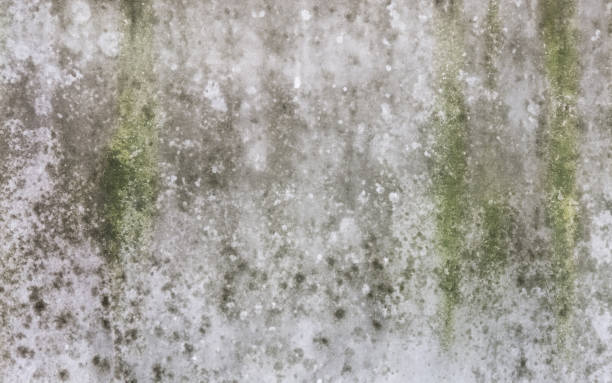
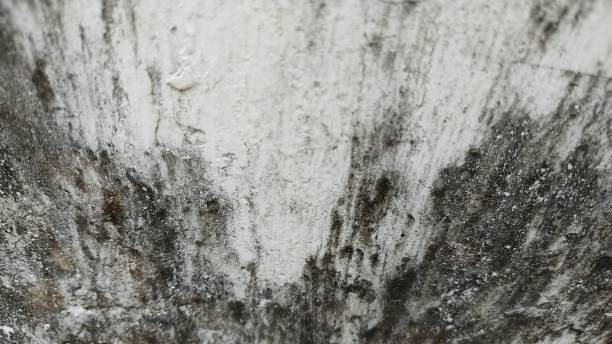
White mold appears as light, powdery substance resembling dust, fuzzy white growth that looks like lint, crystalline deposits mistaken for mineral salts, or slight discoloration that seems like aging.
This harmless appearance leads to dangerous delays. People wipe it away thinking they’ve “cleaned” the area, when they’ve actually disturbed the colony and released massive spore concentrations. The visible mold is just the surface—extensive growth thrives in wall cavities where you can’t see it.
When Medical Attention Becomes Urgent
Certain symptoms require immediate medical attention: severe breathing difficulty or gasping for air, high fever combined with respiratory symptoms, coughing up blood, confusion or altered mental state, severe chest pain, or asthma attack not responding to rescue medication.
These symptoms indicate serious reactions requiring emergency evaluation. Don’t wait to confirm mold presence—seek immediate medical care.
Frequently Asked Questions
How dangerous is white mold compared to other household hazards?
White mold ranks among the top indoor air quality threats alongside carbon monoxide and radon. Unlike acute hazards causing immediate symptoms, mold creates chronic exposure leading to long-term health problems. The danger increases with exposure duration.
Can white mold exposure cause permanent damage?
Yes. Chronic exposure can cause permanent lung scarring, develop into chronic inflammatory response syndrome requiring years of treatment, create lasting asthma requiring lifelong medication, and produce neurological effects persisting after exposure ends. Early intervention prevents permanent damage.
How dangerous is white mold for pets?
Pets face similar risks. Dogs and cats develop respiratory problems, lethargy, loss of appetite, and vomiting. Birds are particularly susceptible to respiratory infections from mold exposure.
Does cleaning visible white mold eliminate the danger?
No. Surface cleaning removes what you see but leaves the extensive colony growing inside materials. Disturbing mold without proper containment actually increases danger by releasing massive spore concentrations. Proper remediation requires removing contaminated materials and verification testing.
How dangerous is white mold if I’m not allergic to it?
Even without allergies, prolonged white mold exposure causes health problems. Your body fights constant invasion, weakening immune function. The mycotoxins white mold produces affect everyone, not just allergic individuals.
Can professional mold remediation eliminate all health risks?
Proper professional remediation eliminates mold sources and removes contaminated materials, dramatically reducing health risks. However, people who developed CIRS, permanent lung damage, or chronic conditions require ongoing medical treatment even after mold removal.
Don’t Underestimate the Danger
If you’re still asking “how dangerous is white mold?” after discovering it in your Santa Maria home, you’re asking the wrong question. The right question is: “Why am I waiting to protect my family?”
Every day white mold remains, the colony grows larger and poses greater health risks. Santa Maria’s rainy January weather feeds mold growth. The problem you have today will be exponentially worse in two weeks.
Trust PuroClean of Santa Maria for Professional White Mold Remediation
When you’re ready to stop asking “how dangerous is white mold?” and start protecting your family, PuroClean of Santa Maria provides comprehensive remediation that truly eliminates the threat.
Our complete services include:
- IICRC-Certified Specialists: Current Applied Microbial Remediation Technician certifications
- Comprehensive Moisture Assessment: Thermal imaging and moisture meters identifying all hidden water sources
- Proper Containment Protocols: Physical barriers and negative air pressure preventing spore spread
- Complete Material Removal: Porous materials harboring white mold properly removed and disposed of
- EPA-Registered Antimicrobial Treatments: Professional solutions preventing mold recurrence
- HEPA Air Scrubbing: Industrial filtration removing airborne spores
- Independent Laboratory Testing: Air quality analysis confirming complete elimination
- Root Cause Elimination: Identifying and addressing moisture sources
- Complete Documentation: Comprehensive records for insurance and property sales
- Insurance Coordination: Direct carrier communication often handling direct billing
- 24/7 Emergency Response: Immediate availability throughout Santa Maria
We understand that discovering white mold creates fear and uncertainty. We’ve seen families struggling with health problems they couldn’t explain until mold was discovered.
We provide honest assessments without unnecessary alarm. If you have minor surface mold you can safely address yourself, we’ll tell you. But when professional intervention is necessary, we provide comprehensive remediation protecting your family’s health.
Our transparent pricing includes detailed explanations of every phase of work. We never recommend unnecessary services, and we work diligently to maximize insurance coverage.
Stop wondering how dangerous is white mold and start protecting your family today.
Call PuroClean of Santa Maria at (805) 975-0800 for immediate white mold assessment and remediation. Our IICRC-certified specialists respond with the expertise and equipment your family deserves.
The question “how dangerous is white mold?” has a clear answer: dangerous enough that you shouldn’t spend another night breathing its spores. Contact PuroClean of Santa Maria today, because your family’s health is too important to risk on a fungus that looks harmless but isn’t.