


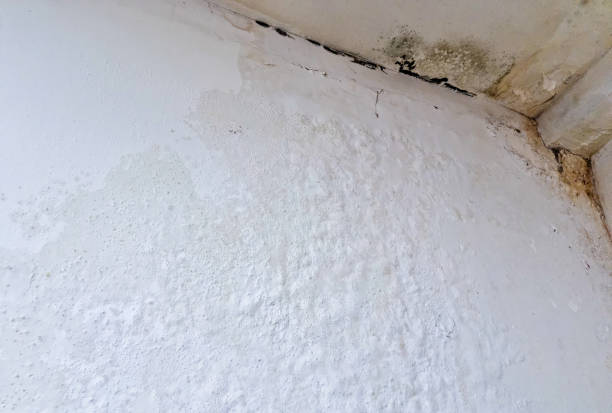
Investigated ‘Is White Mold Dangerous’ Claims: 7 Alarming Discoveries
For years, homeowners have dismissed white mold as harmless. “It’s just mildew,” they say. “Black mold is the dangerous one.” Internet forums overflow with conflicting advice, anecdotal experiences, and reassurances that white fuzzy growth on your basement walls poses no real threat. But what does the actual science say?
We’ve investigated is white mold dangerous claims from medical journals, environmental studies, remediation experts, and health organizations to separate fact from fiction. The discoveries are alarming and contradict much of the casual advice circulating online. If you’ve been told white mold is nothing to worry about, you need to read what our investigation uncovered.
Understanding the truth about white mold could protect your family’s health, preserve your home’s value, and prevent years of chronic health problems that many people never connect to their indoor environment.
The White Mold Dismissal Problem
White mold suffers from a dangerous public relations problem. Because it doesn’t look as menacing as black mold, homeowners routinely underestimate its risks. This dismissive attitude appears everywhere from home improvement forums to casual conversations with neighbors.
“I’ve had white mold in my bathroom for months and I’m fine,” someone posts online. Another chimes in, “Just spray some bleach on it.” A third insists, “Only black mold causes health problems.” These reassurances spread rapidly, creating a false sense of security that our investigation found to be medically unfounded.
The is white mold dangerous claims investigated in this article reveal why this casual dismissal puts families at risk. White mold encompasses multiple species, many producing allergens and mycotoxins that cause serious health effects. Color tells you nothing about toxicity. Some of the most dangerous mold species appear white or light-colored during certain growth stages.
Discovery #1: White Mold Causes Respiratory Damage
The first claim we investigated: “White mold only affects people with existing allergies or sensitivities.” Our research into is white mold dangerous claims investigated this assertion across multiple medical studies, and the findings contradict this widespread belief.
According to research published by the Centers for Disease Control and Prevention, mold exposure causes respiratory symptoms in both allergic and non-allergic individuals. White mold species like Aspergillus and Penicillium release spores that irritate airways, trigger inflammatory responses, and compromise lung function regardless of pre-existing conditions.
Studies show that previously healthy individuals develop respiratory problems after prolonged white mold exposure. Symptoms include persistent coughing, wheezing, throat irritation, and difficulty breathing. These aren’t minor inconveniences. They represent measurable lung damage accumulating over time.
Children face particular vulnerability. Their developing respiratory systems sustain more significant damage from the same exposure levels that might cause only mild symptoms in adults. The is white mold dangerous claims investigated here reveal that waiting for severe symptoms before addressing white mold allows preventable harm to accumulate, especially in young family members.
Discovery #2: “Just Surface Mold” Is a Myth
One of the most dangerous is white mold dangerous claims investigated involved the idea that visible white mold represents the entire problem. “If you can see it, just clean it,” goes the common advice. Our investigation found this fundamentally misunderstands mold biology.
Visible mold is like the tip of an iceberg. The fuzzy white growth you see on your basement wall or bathroom grout represents only the fruiting bodies, the reproductive structures mold produces. Beneath the surface, an extensive network of thread-like hyphae penetrates deep into porous materials like drywall, wood, and insulation.
Research from the Environmental Protection Agency confirms that mold colonizes building materials extensively before producing visible growth. By the time you notice white fuzz, the colony has likely been growing for weeks or months, penetrating several inches into substrates.
This discovery has critical implications. Surface cleaning with household products kills visible mold but leaves the hyphal network intact. Within days or weeks, new growth emerges from these underground structures. The cycle repeats endlessly because the actual colony was never eliminated, only its visible portion.
Professional remediation addresses this by removing contaminated materials entirely rather than attempting surface treatment. This is why is white mold dangerous claims investigated consistently point toward professional intervention rather than DIY cleaning for anything beyond minor surface appearances.
Discovery #3: White Mold Produces Mycotoxins
Perhaps the most alarming is white mold dangerous claims investigated involve mycotoxin production. Common wisdom suggests only black mold (Stachybotrys) produces dangerous mycotoxins. Our investigation found this dangerously incorrect.
Multiple white mold species produce mycotoxins under the right conditions. Aspergillus species, which often appear white or light-colored, produce aflatoxins and ochratoxins. Penicillium species create patulin and citrinin. These compounds cause cellular damage, suppress immune function, and in some cases show carcinogenic properties in animal studies.
Mycotoxins don’t require direct mold contact to cause harm. They become airborne attached to spore fragments and dust particles. You inhale them with every breath in a contaminated environment. They also settle on surfaces throughout your home, creating exposure pathways beyond the immediate mold growth area.
The concentration and type of mycotoxins vary based on mold species, growth substrate, moisture levels, and temperature. You cannot visually determine whether your white mold produces mycotoxins. Laboratory analysis of air samples and mold cultures provides the only definitive answer.
This discovery means that dismissing white mold based on appearance ignores potentially serious toxic exposure. The is white mold dangerous claims investigated here demonstrate that proper identification and professional assessment are essential, not optional precautions.
Discovery #4: Immune System Suppression Occurs Gradually
One subtle aspect of is white mold dangerous claims investigated involves how mold affects immune function. Unlike acute poisoning with immediate dramatic symptoms, mold exposure often causes gradual immune suppression that people don’t recognize as environmental illness.
Your immune system expends enormous resources fighting constant mold spore exposure. This ongoing battle depletes immune capacity, leaving fewer resources to combat other threats. Over months or years, this manifests as increased susceptibility to infections, longer recovery times from illnesses, and general fatigue.
Medical research shows that chronic mold exposure can trigger autoimmune responses where your body begins attacking its own tissues. The mechanisms aren’t fully understood, but studies document increased autoimmune markers in individuals with prolonged mold exposure compared to control groups.
Children, elderly individuals, pregnant women, and anyone with compromised immune systems face accelerated risks. For these vulnerable populations, white mold exposure isn’t a minor inconvenience but a significant health threat requiring immediate remediation.
The insidious nature of gradual immune suppression means many people never connect their declining health to their home environment. They visit doctors for recurring infections, fatigue, and mysterious symptoms without mentioning the white mold growing in their basement. This is why is white mold dangerous claims investigated emphasize the importance of environmental assessment when unexplained health issues arise.
Discovery #5: Structural Damage Happens Faster Than Expected
Beyond health concerns, our investigation into is white mold dangerous claims revealed alarming findings about property damage. The common belief that mold causes only cosmetic issues until reaching extreme levels proved completely false.
White mold species actively digest organic materials. They produce enzymes that break down cellulose, the primary component of wood and paper-based building materials. This biological decomposition compromises structural integrity much faster than most homeowners realize.
Studies on mold-damaged buildings show measurable strength reduction in wood framing within months of colonization. Drywall becomes friable and weak. Insulation loses effectiveness. These changes occur while mold growth still appears relatively minor on the surface.
The financial implications are staggering. Delayed remediation allows mold to spread from a small area requiring simple cleaning to extensive contamination requiring removal and replacement of structural materials. What might have cost several hundred dollars to address early can balloon into tens of thousands in reconstruction costs.
Property value takes an immediate hit once mold contamination becomes documented. Even after professional remediation, disclosure requirements and buyer skepticism create significant obstacles to selling affected homes. The is white mold dangerous claims investigated show that early intervention protects both health and financial investment.
Discovery #6: Cross-Contamination Spreads Problems
An underappreciated aspect of is white mold dangerous claims investigated involves how easily mold spreads throughout homes. Homeowners often treat mold as a localized problem, not realizing their actions frequently create widespread contamination.
Mold spores are microscopic and become airborne with minimal disturbance. When you brush past moldy materials, run fans near contaminated areas, or attempt DIY cleaning, you release millions of spores into your air. These spores circulate through HVAC systems and natural air movement, settling throughout your entire home.
Research using particle counters shows that disturbing a small mold colony can elevate airborne spore concentrations throughout a house for hours or even days. Every surface these spores contact becomes a potential new growth site if moisture is present.
This discovery explains why homeowners often see mold appearing in new locations after cleaning existing growth. They unknowingly spread contamination while attempting to solve the problem. Professional remediation uses containment barriers, negative air pressure, and HEPA filtration to prevent this cross-contamination.
The is white mold dangerous claims investigated here emphasize that improper handling of even small mold problems can create larger issues. This is particularly critical in homes with family members who have respiratory conditions, allergies, or compromised immune systems.
Discovery #7: Moisture Sources Are Rarely Obvious
The final critical discovery from is white mold dangerous claims investigated involves moisture source identification. The assumption that you can easily find and fix what’s causing mold proved optimistic at best and dangerously wrong at worst.
White mold indicates moisture problems, but pinpointing the source often requires specialized equipment and expertise. Obvious sources like visible leaks represent only a fraction of cases. Hidden problems cause most persistent mold growth.
Common hidden moisture sources include condensation within wall cavities, capillary action drawing ground moisture through foundations, failed vapor barriers allowing moisture migration, HVAC system condensation, and slow leaks within plumbing runs inside walls. These problems produce no visible water yet create perfect conditions for mold growth.
Homeowners who clean mold without addressing moisture sources experience endless recurrence. They blame product failure or inadequate cleaning when the actual problem is untreated moisture continuing to feed new growth cycles.
Professional moisture investigation uses tools like infrared cameras to detect temperature differentials indicating hidden water, moisture meters to measure water content in building materials, and hygrometers to assess environmental humidity. These technologies reveal problems invisible to casual inspection.
This discovery proves that successful mold remediation requires professional expertise in most cases. The is white mold dangerous claims investigated demonstrate that DIY approaches fail not because of homeowner incompetence but because the tools and knowledge required exceed what’s available to non-specialists.
What This Investigation Means for Homeowners
These seven discoveries from is white mold dangerous claims investigated paint a clear picture. White mold poses serious health risks through respiratory damage, mycotoxin exposure, and immune suppression. It causes significant property damage faster than expected. It spreads easily through improper handling. And the moisture problems causing it often require professional diagnosis.
The casual dismissal of white mold as harmless contradicts scientific evidence and medical research. Color-based assessments of mold danger are meaningless. The only safe approach treats all mold growth as potentially hazardous until proven otherwise through proper testing.
If you have white mold in your home, the evidence investigated here suggests three critical actions. First, stop assuming it’s harmless based on appearance or internet advice. Second, avoid aggressive DIY cleaning that releases massive spore concentrations without proper containment. Third, get professional assessment to identify species, locate moisture sources, and determine appropriate remediation scope.
Frequently Asked Questions
Q: Does investigated evidence prove all white mold is dangerous?
A: The is white mold dangerous claims investigated show that multiple white mold species produce allergens, irritants, and in some cases mycotoxins. While toxicity levels vary by species and conditions, you cannot determine danger by visual inspection alone. All mold growth should be treated as potentially hazardous until professional testing identifies the specific species and assesses contamination levels.
Q: Can I safely clean small white mold spots myself based on this investigation?
A: For very small areas (less than 10 square feet) on non-porous surfaces like tile or glass, careful DIY cleaning may be appropriate using proper protective equipment. However, the is white mold dangerous claims investigated reveal that even small visible growth often indicates larger hidden problems. If mold returns after cleaning, appears on porous materials, or covers larger areas, professional remediation is essential for safety and effectiveness.
Q: What health symptoms should prompt immediate professional help?
A: Based on is white mold dangerous claims investigated, seek immediate help if anyone experiences persistent coughing or wheezing, difficulty breathing, frequent respiratory infections, unexplained fatigue, headaches or cognitive issues, skin rashes or irritation, or worsening asthma symptoms. These indicate potentially serious mold exposure requiring both medical attention and environmental remediation.
Q: How accurate are home mold test kits based on investigated evidence?
A: The is white mold dangerous claims investigated included evaluation of consumer test kits. These kits detect mold presence but provide limited species identification and no information about mycotoxin production, colony extent, or moisture sources. Professional assessment using laboratory analysis, air sampling, and moisture investigation provides the comprehensive data needed for effective remediation planning.
Q: Will removing visible white mold solve the problem?
A: Our investigation into is white mold dangerous claims found that removing visible mold without addressing underlying moisture sources and hidden colonies results in rapid recurrence. Successful remediation requires moisture source elimination, removal or treatment of colonized materials, air quality restoration, and preventive measures. Surface cleaning alone fails in the vast majority of cases.
Professional Assessment: The Only Safe Response
The evidence from is white mold dangerous claims investigated points unambiguously toward professional intervention for mold problems. The health risks are too serious, the hidden problems too common, and the effective solutions too specialized for casual DIY approaches.
Every day you delay proper remediation represents continued exposure to allergens and potentially mycotoxins. It allows structural damage to accumulate. It risks cross-contamination spreading the problem. Most critically, it endangers your family’s health in ways that may not become apparent until significant harm has occurred.
PuroClean of Santa Maria: Evidence-Based Mold Remediation
PuroClean of Santa Maria approaches every mold problem with the scientific rigor our investigation found necessary for safe, effective remediation. Our IICRC-certified technicians understand that proper mold elimination requires comprehensive assessment, moisture source identification, appropriate containment, complete removal of contaminated materials, and verification testing.
We provide professional moisture investigation using thermal imaging and moisture meters, air quality testing to identify species and spore concentrations, proper containment preventing cross-contamination during remediation, complete removal of contaminated porous materials, antimicrobial treatment of affected structural components, HEPA air filtration throughout the process, structural drying and dehumidification, and post-remediation verification testing confirming successful elimination.
Our approach reflects the evidence uncovered when is white mold dangerous claims investigated reveal the complexity and seriousness of mold contamination. We don’t simply clean visible growth and call it complete. We identify why mold developed, eliminate those conditions, remove all contaminated materials, and verify through testing that your home is truly safe.
We work directly with insurance companies to document contamination and streamline claims processing. Many homeowners are surprised to learn their policies cover mold remediation when it results from covered perils like burst pipes or storm damage.
Don’t let dismissed white mold continue threatening your family’s health and your home’s integrity. The investigation into is white mold dangerous claims provides clear evidence that professional remediation is not optional but essential for protecting what matters most.
Contact PuroClean of Santa Maria today for comprehensive mold assessment. Because the evidence is clear: white mold is dangerous, and professional remediation is the only safe solution.
Available 24/7/365 | IICRC Certified | (805) 975-0800 | Contact Us Online | Google Business Profile