 PuroClean of Santa Maria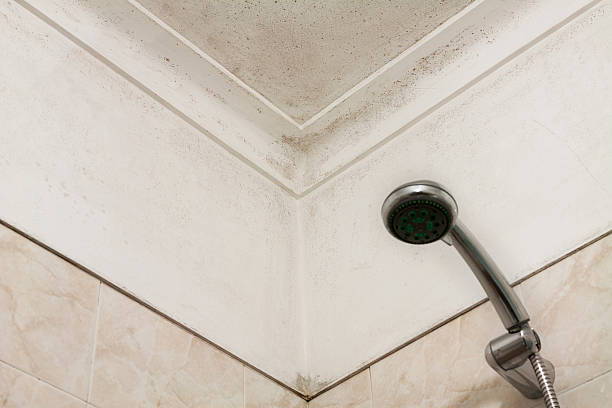
Table of Contents
Is white mold dangerous in bathrooms? You brush your teeth inches from it. You breathe steam saturated with its spores. You dry your face with towels that touched it. You apply makeup stored near it. Every single day, multiple times daily, you interact intimately with bathroom surfaces harboring white mold growth that you’ve completely normalized as “just how bathrooms look.”
This normalization represents one of the most overlooked health threats in American homes. The white fuzzy growth on your shower grout, the discoloration on your ceiling, the spots behind your shampoo bottles—these aren’t harmless aesthetic issues or inevitable bathroom characteristics. They’re active biological contamination creating health exposures during your most routine daily activities.
Understanding whether is white mold dangerous in bathrooms requires examining how bathroom activities create unique, repeated exposure patterns. You don’t just see bathroom mold occasionally. You inhale it during hot showers when spore-laden steam fills the enclosed space. You transfer it to your skin through contaminated towels. You introduce it to your mouth via toothbrushes stored in contaminated environments. You apply it directly to your face through makeup and skincare products kept in moldy bathroom cabinets.
This guide reveals ten specific daily exposure risks that answer is white mold dangerous in bathrooms, explains why people accept bathroom mold as normal, and provides the knowledge Santa Maria homeowners need to eliminate this preventable source of repeated health exposures.
Is White Mold Dangerous in Bathrooms? The Medical Reality
Before examining specific exposure risks, the medical consensus needs clear statement. Yes, is white mold dangerous in bathrooms according to the Centers for Disease Control and Prevention, the Environmental Protection Agency, and respiratory health experts. Bathroom mold creates particularly concerning exposures because of the intimate, repeated contact with contaminated surfaces and the inhalation of concentrated spores in enclosed, steam-filled spaces.
The American Lung Association identifies bathroom mold as a common source of indoor mold exposure that contributes to respiratory symptoms and allergic reactions. The combination of high moisture, poor ventilation, and daily intimate contact makes bathrooms among the most problematic locations for mold growth from a health exposure perspective.
White mold in bathrooms typically includes Aspergillus, Penicillium, Cladosporium, and Aureobasidium species that thrive in high-humidity environments with frequent wetting and drying cycles. These organisms produce spores that become airborne during shower steam, settle on personal care items, and contaminate surfaces you touch multiple times daily.
The normalization of bathroom mold as inevitable or harmless represents dangerous thinking. While some moisture in bathrooms is unavoidable, mold growth is not. Understanding why is white mold dangerous in bathrooms requires examining the ten specific ways it exposes you during normal daily routines.
Daily Exposure Risk #1: Shower Steam Inhalation of Concentrated Spores
The first and most significant exposure risk answering is white mold dangerous in bathrooms involves shower steam inhalation. When you take a hot shower in a bathroom with mold growth, the steam created doesn’t just contain water vapor. It contains massive concentrations of mold spores that you inhale directly into your deepest lung tissues.
Hot water hitting moldy shower surfaces creates aerosols—tiny droplets containing mold spores that remain suspended in steam-filled air. During a typical 10-15 minute shower, you breathe deeply and regularly, inhaling this contaminated air with every breath. The warm, moist air opens your airways, allowing spores to penetrate deep into bronchioles and alveoli where gas exchange occurs.
This represents concentrated exposure far exceeding normal environmental mold levels. The enclosed bathroom space, saturated with steam, creates spore concentrations that can be 10 to 100 times higher than ambient air outside the bathroom. You’re breathing this concentrated contamination for the entire duration of your shower, creating massive daily exposure.
The health implications include immediate respiratory irritation manifesting as coughing or throat clearing after showers, progressive allergic sensitization from repeated exposures, asthma trigger effects in susceptible individuals, and chronic respiratory inflammation from daily spore inhalation. Many people attribute post-shower coughing to temperature changes or “clearing their throat” without realizing they’re experiencing mold exposure symptoms.
Santa Maria’s coastal climate means bathrooms already have elevated baseline humidity from the marine layer. Combined with shower steam and inadequate ventilation, this creates particularly severe spore concentration during shower activities. The question of is white mold dangerous in bathrooms becomes especially urgent in coastal properties where moisture management challenges compound bathroom mold problems.
Daily Exposure Risk #2: Towel Contamination and Direct Skin Contact
The second critical exposure risk involves bathroom towels. When you dry yourself with towels stored in moldy bathrooms or hung on contaminated towel bars near moldy walls, you transfer mold spores directly onto your skin, face, and hair. This creates both skin exposure and the potential to inhale spores dislodged from towels during use.
Towels provide perfect conditions for mold colonization when stored in humid bathrooms. The fabric’s porous structure retains moisture. Poor air circulation prevents complete drying between uses. Mold spores from bathroom air settle on towel surfaces and begin growing within the fabric fibers. Even towels that appear clean may harbor significant mold contamination.
The exposure pathway is direct and intimate. You rub potentially contaminated towels across your entire body including your face. For people with skin sensitivities, this contact can cause dermatitis, rashes, and itching. For everyone, it represents unnecessary exposure to organisms that can trigger allergic responses and respiratory symptoms.
Facial towels present particular concerns. The skin on your face is thinner and more permeable than body skin. Additionally, using contaminated facial towels near your nose and mouth creates direct inhalation exposure to dislodged spores. The combination of skin contact and inhalation makes facial towel contamination especially problematic.
According to research from the National Institute of Environmental Health Sciences, repeated skin exposure to mold allergens can create or worsen allergic sensitization. Each contaminated towel use potentially increases your immune system’s reactivity to mold, creating progressive worsening of allergic responses over time.
Daily Exposure Risk #3: Toothbrush Storage in Contaminated Environments
The third alarming exposure risk demonstrating is white mold dangerous in bathrooms involves toothbrushes stored in moldy bathroom environments. Your toothbrush sits exposed to bathroom air laden with mold spores, accumulating contamination that you then insert directly into your mouth twice daily.
Mold spores are constantly present in air within moldy bathrooms. These microscopic spores settle on all exposed surfaces including toothbrush bristles. Each time you flush the toilet, use the shower, or simply move around the bathroom, air currents distribute spores that land on your toothbrush.
The health implications are particularly concerning because toothbrushes enter your mouth. While healthy immune systems typically handle small amounts of ingested mold, repeated daily exposure introduces unnecessary health risks. For people with compromised immunity, oral mold exposure can cause oral thrush or other fungal infections. For everyone, it represents avoidable contamination of items designed for oral hygiene.
Toothbrush holders often show visible mold growth inside the holder base where water collects. This creates direct contamination of toothbrush handles and indirect contamination of bristles through spore-laden air within the holder. The question of is white mold dangerous in bathrooms includes this intimate oral exposure pathway that most people never consider.
Protective measures include storing toothbrushes in closed cabinets away from shower areas, using toothbrush covers in high-moisture bathrooms, replacing toothbrushes monthly rather than quarterly in moldy environments, and most importantly, eliminating bathroom mold through proper remediation and ventilation.
Daily Exposure Risk #4: Makeup and Skincare Product Contamination
The fourth exposure risk involves cosmetics and skincare products stored in moldy bathroom cabinets and on moldy bathroom counters. These products, which you apply directly to your skin and face daily, can become contaminated with mold spores from the surrounding environment.
Makeup and skincare products contain moisture and organic compounds that can support mold growth once contaminated. Bathroom storage near showers, sinks, and other moisture sources creates conditions where both product packaging and product contents can develop mold contamination. Cream-based products, in particular, provide excellent growth medium once spores infiltrate.
The exposure pathway is direct application to facial skin. You unknowingly apply contaminated products to your face, around your eyes, on your lips, and across any skin area where you use cosmetics or skincare items. This creates prolonged contact exposure as products remain on skin throughout the day.
For people with acne, skin sensitivities, or inflammatory skin conditions, mold-contaminated personal care products can trigger or worsen symptoms. The skin microbiome disruption from mold exposure may contribute to breakouts, rashes, and other dermatological issues attributed to other causes.
Cabinet interiors in moldy bathrooms often show mold growth on walls, shelves, and corners that remain hidden unless you specifically look for it. Products stored in these contaminated spaces accumulate spore exposure even if the products themselves don’t show visible mold. The question of is white mold dangerous in bathrooms extends to this hidden product contamination affecting daily skincare routines.
Daily Exposure Risk #5: Ventilation Failures Creating Chronic Humidity
The fifth risk involves inadequate bathroom ventilation that perpetuates the moisture conditions supporting mold growth while simultaneously increasing exposure to mold-contaminated air. Many bathrooms lack sufficient ventilation, creating environments where mold thrives and occupants breathe contaminated air during every bathroom visit.
Proper bathroom ventilation should exchange bathroom air completely within minutes after shower use, removing moisture before it condenses on surfaces and allowing surfaces to dry between uses. Inadequate ventilation means moisture lingers, surfaces remain damp, and mold growth continues unchecked while bathroom occupants breathe increasingly contaminated air.
According to building science research from the American Society of Heating, Refrigerating and Air-Conditioning Engineers (ASHRAE), bathroom exhaust fans should provide minimum ventilation rates based on bathroom size and should vent directly to building exteriors, not into attics or other interior spaces. Many bathrooms, particularly in older Santa Maria homes, have no mechanical ventilation or have inadequate fan capacity.
The exposure implications are continuous. Every time you enter an inadequately ventilated bathroom, you breathe air with elevated mold spore concentrations. Over days, weeks, and months, this cumulative exposure can trigger allergic sensitization, respiratory symptoms, and other health effects even in people without pre-existing sensitivities.
Ventilation failures also compound all other bathroom exposure risks. Without adequate air exchange, shower steam lingers longer, towels dry more slowly, toothbrushes remain in humid air longer, and stored products experience prolonged moisture exposure. The question of is white mold dangerous in bathrooms becomes more urgent in homes with ventilation deficiencies that multiply exposure pathways.
Daily Exposure Risk #6: Grout Penetration Creating Permanent Reservoirs
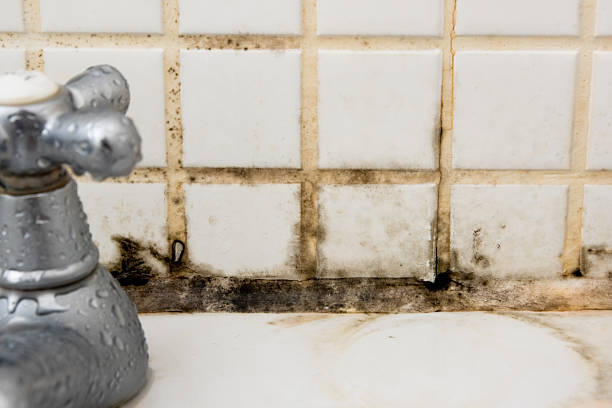
The sixth critical risk involves mold penetration into porous grout and caulk, creating permanent spore reservoirs that cannot be eliminated through surface cleaning. Once mold establishes within these porous materials, it continues growing and releasing spores regardless of surface cleaning efforts.
Tile grout is porous by nature. Water penetrates into grout lines during showers, bringing mold spores that establish growth within the grout structure. From this protected location, mold colonies continue growing and producing spores that emerge at grout surfaces even after surface cleaning.
Caulk around tubs, showers, and sinks presents similar problems. Over time, caulk develops microscopic cracks and gaps where water and mold penetrate. The mold growing within deteriorated caulk cannot be reached by surface cleaning products. The only solution is complete caulk removal and replacement, which most homeowners never undertake.
This creates a situation where bathroom cleaning seems ineffective. Homeowners diligently clean visible mold from shower surfaces, only to have it return within days. The recurrence happens because the mold source within grout and caulk continues releasing new spores that colonize cleaned surfaces immediately.
The health exposure continues uninterrupted by cleaning efforts. The spore reservoir within grout keeps releasing contamination into bathroom air regardless of how often you clean tile surfaces. Understanding that is white mold dangerous in bathrooms includes recognizing that surface cleaning doesn’t address the deep contamination requiring grout resealing, replacement, or professional remediation.
Daily Exposure Risk #7: Ceiling Mold Contaminating Bathroom Air
The seventh exposure risk answering is white mold dangerous in bathrooms involves ceiling mold growth that most people never notice because they don’t routinely look up. Bathroom ceilings, particularly in shower areas, accumulate condensation that supports mold growth. This ceiling contamination releases spores that fall downward, settling on all bathroom surfaces below.
Steam rising from showers condenses on cooler ceiling surfaces. This condensation creates perfect moisture conditions for mold establishment. The ceiling position means gravity causes spores to fall onto everything below: counters, sinks, bathtubs, toilets, towels, toothbrushes, and stored products.
Ceiling mold is often white or light-colored, blending with white bathroom ceilings and escaping notice for months or years. Many homeowners attribute ceiling discoloration to moisture staining without recognizing active mold growth. This allows extensive colonization to develop while the household continues daily bathroom activities unaware of the contamination above their heads.
The constant spore rain from ceiling mold creates ubiquitous bathroom contamination. You cannot avoid exposure because spores are falling continuously onto surfaces you touch and items you use. Cleaning counters and surfaces provides only temporary improvement as new spores settle within hours of cleaning.
For Santa Maria homes with older bathroom construction, inadequate ceiling insulation creates cold ceiling surfaces that condensation forms on readily. The combination of coastal moisture, shower steam, and cold ceiling surfaces creates ideal ceiling mold conditions that require both remediation and building improvement to resolve permanently.
Daily Exposure Risk #8: Shower Curtain and Bath Mat Contamination
The eighth risk involves shower curtains and bath mats that develop mold growth and create direct contact exposure. These items sit in constant high-moisture environments, never fully dry between uses, and accumulate mold contamination that you contact during every shower and bath.
Shower curtains, particularly plastic or vinyl curtains, develop mold along bottom edges, in folds, and across surfaces. When you move the curtain during shower use, you disturb this mold, releasing spores into the steam-filled air you’re breathing. The question of is white mold dangerous in bathrooms includes this shower curtain exposure many people overlook.
Bath mats and rugs positioned outside tubs and showers remain damp from wet feet stepping on them multiple times daily. The fabric never fully dries in humid bathroom conditions. Mold establishes within the mat fibers, creating contamination that contacts bare feet and releases spores when the mat is moved or walked on.
The intimate contact nature of these items makes contamination particularly concerning. Shower curtains brush against your body during shower use. Bath mats contact bare skin on your feet. These direct exposures transfer mold spores onto skin where they can cause dermatological reactions or be inhaled if hands touch contaminated skin then touch face or mouth.
Regular replacement of shower curtains and bath mats provides temporary solutions, but without addressing underlying bathroom moisture problems, new replacements become contaminated quickly. Professional assessment identifying why moisture levels support such rapid mold growth provides the only effective long-term solution.
Daily Exposure Risk #9: Behind-Toilet and Under-Sink Hidden Growth
The ninth exposure risk involves mold growth in locations homeowners rarely inspect: behind toilets, under sinks, inside vanities, and other hidden bathroom areas. These locations accumulate moisture from condensation, minor leaks, and splashing while remaining undisturbed, creating extensive mold colonization that affects bathroom air quality.
The space behind toilets experiences condensation from toilet tank sweating, minor leaks from supply lines, and splashing from toilet use. These conditions create persistent moisture supporting mold growth on walls, baseboards, and floors behind the toilet where visibility and access are limited. The mold grows unnoticed for months or years while continuously releasing spores into bathroom air.
Under-sink areas develop mold from sink drain condensation, supply line leaks, and moisture accumulation from stored items blocking airflow. The enclosed cabinet environment traps moisture and creates stagnant conditions perfect for mold establishment. Items stored under sinks become contaminated, and the cabinet serves as a reservoir continuously inoculating bathroom air with spores.
These hidden contamination sources explain why bathroom cleaning seems ineffective at controlling mold odors and visible growth. You clean the areas you can see while missing the primary spore sources in hidden locations. The question of is white mold dangerous in bathrooms must include these concealed areas that homeowners typically discover only during renovation or when problems become severe.
Professional mold assessment includes inspection of these commonly missed areas using moisture meters, thermal imaging, and systematic examination procedures that homeowners typically don’t employ during routine cleaning.
Daily Exposure Risk #10: Shared Bathroom Cross-Contamination in Households
The tenth and final risk involves shared bathrooms where multiple household members create compounded exposure. Each person using a contaminated bathroom receives exposure, but additionally, each person’s bathroom activities distribute mold spores that affect subsequent users, creating cross-contamination patterns throughout the household.
When one person showers in a moldy bathroom, they distribute spores throughout the space and leave elevated spore concentrations in bathroom air. The next person using the bathroom immediately afterward receives higher exposure than they would in an unoccupied bathroom. Towels, bath mats, and other shared items transfer contamination between family members.
For households with children, elderly members, or immunocompromised individuals, this shared exposure creates particular concerns. Vulnerable household members receive the same mold exposure as healthy adults but experience more severe health consequences. Children’s developing respiratory systems sustain greater damage from equivalent exposures.
The cumulative household exposure from a single contaminated bathroom affects every family member daily. Understanding that is white mold dangerous in bathrooms includes recognizing the multiplied impact when bathrooms serve multiple occupants who each receive repeated exposures during normal daily routines.
Why Bathroom Mold Gets Normalized
Understanding why people accept bathroom mold as inevitable helps explain why this source of daily exposure persists unchallenged. Several factors contribute to normalization:
Cultural acceptance treats bathroom mold as a normal characteristic of bathrooms rather than a remediable problem. People grow up seeing mold in bathrooms and assume it’s unavoidable.
Gradual onset means mold establishes slowly over time. Homeowners don’t notice progression because they see the bathroom daily and adapt to gradual changes.
Aesthetic focus emphasizes appearance over health. People clean visible mold for aesthetic reasons without understanding health exposure implications or addressing underlying causes.
Perceived inevitability based on high bathroom moisture makes people believe mold cannot be prevented. This defeatism prevents investigation of proper ventilation and moisture control solutions.
When Professional Assessment Becomes Essential
Given what we know about is white mold dangerous in bathrooms, certain situations demand immediate professional assessment:
Seek professional help if you notice visible mold growth on multiple bathroom surfaces, musty odors persist despite regular cleaning, family members experience respiratory symptoms that worsen after showers or bathroom use, mold recurs rapidly after cleaning efforts, or you notice mold in hidden areas like behind toilets or under sinks.
Also seek assessment if your bathroom lacks mechanical ventilation, if you’re experiencing health symptoms of unknown cause, if you have vulnerable household members, or if you’re preparing property for sale and need documentation of bathroom condition.
PuroClean of Santa Maria: Bathroom Mold Specialists
Understanding that is white mold dangerous in bathrooms creates urgency for professional solutions that eliminate daily exposure risks. PuroClean of Santa Maria specializes in bathroom mold assessment and remediation with protocols designed specifically for the unique challenges bathroom environments present.
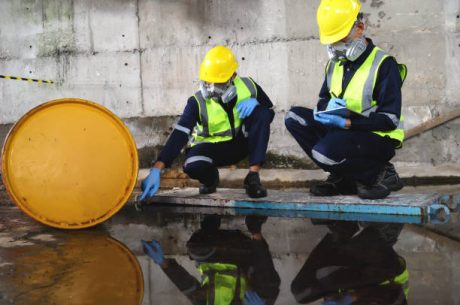
Our comprehensive approach includes identification of all contamination including hidden growth behind fixtures, moisture source investigation using professional diagnostic equipment, contaminated grout and caulk evaluation and replacement recommendations, proper ventilation assessment and improvement guidance, and complete remediation following IICRC S520 standards.
We coordinate with plumbers and contractors when moisture sources require repair, ensuring problems get solved at their source rather than through repeated surface treatments. Our remediation removes contaminated materials that cannot be cleaned, treats structural components appropriately, and verifies successful elimination through post-remediation testing.
We understand Santa Maria’s coastal moisture challenges and have extensive experience with bathroom mold problems common in Central Coast homes. Our solutions address both immediate contamination and long-term prevention through proper ventilation and moisture management.
Frequently Asked Questions
Q: Is white mold dangerous in bathrooms if I clean it regularly?
A: Surface cleaning doesn’t eliminate health risks because it doesn’t address mold within grout, caulk, and other porous materials. Additionally, cleaning disturbs mold and releases spores into air you breathe. Regular cleaning demonstrates the problem recurs because underlying moisture conditions haven’t been addressed. Professional remediation targeting mold sources and moisture control provides effective solutions surface cleaning cannot achieve.
Q: How often should I clean bathroom mold to keep it safe?
A: This question reflects the dangerous misconception that cleaning makes mold “safe.” The goal should be eliminating mold entirely through moisture control and proper ventilation, not managing it through cleaning. If mold grows back after cleaning, you have moisture problems requiring professional assessment and correction, not more frequent cleaning.
Q: Is white mold dangerous in bathrooms even with good ventilation?
A: Good ventilation prevents mold establishment under normal conditions. If you have adequate ventilation but still develop mold, either the ventilation is insufficient for your specific bathroom moisture load, or you have hidden moisture sources like leaks requiring repair. Professional assessment identifies whether ventilation upgrades or moisture source repairs are needed.
Q: Can I just replace moldy grout and caulk myself?
A: DIY grout and caulk replacement can work for small areas if done properly with adequate containment to prevent spore spread. However, extensive bathroom mold usually indicates moisture problems requiring professional diagnosis. Replacing grout without fixing moisture sources results in rapid mold recurrence. Professional assessment ensures you address causes along with symptoms.
Q: Is white mold dangerous in bathrooms for babies and children?
A: Yes, particularly so. Children’s developing respiratory systems sustain proportionally greater damage from mold exposure. Babies and young children also have more direct contact with bathroom surfaces and floors. Bathroom mold in homes with young children warrants immediate professional attention to eliminate exposures during critical developmental periods.
Q: Will leaving the bathroom door open help with mold?
A: Leaving doors open improves air circulation but doesn’t provide adequate moisture removal. You need mechanical ventilation (exhaust fan) that actively removes humid air and vents it to building exteriors. Door opening alone is insufficient moisture control for bathrooms, particularly after showers.
Q: Is white mold dangerous in bathrooms if it only grows in the shower?
A: Yes. Shower mold creates concentrated spore exposure during steam inhalation and contaminates the entire bathroom through spore dispersal. Additionally, if mold grows in your shower, conditions exist for growth elsewhere in the bathroom even if not yet visible. Professional assessment identifies all affected areas and moisture sources requiring correction.
Stop Normalizing Daily Mold Exposure
Ten documented daily exposure risks. Intimate contact with contaminated surfaces. Repeated inhalation of concentrated spores. Cross-contamination affecting entire households. This is the reality of bathroom mold that millions have normalized as unavoidable.
The question of is white mold dangerous in bathrooms has a clear, alarming answer: yes, through multiple exposure pathways affecting you during routine daily activities. Your bathroom should support health and hygiene, not undermine them through preventable biological contamination.
You deserve to shower, brush your teeth, and perform daily routines in a truly clean environment free from mold exposure. Your family deserves protection from the cumulative health effects of repeated bathroom mold contact.
If you have visible bathroom mold, persistent musty odors, or any warning signs discussed in this guide, contact PuroClean of Santa Maria today for comprehensive bathroom mold assessment. Because when it comes to the question of is white mold dangerous in bathrooms, the answer demands action to eliminate daily exposures threatening your family’s health.
Stop accepting bathroom mold as normal. Start protecting your family’s health.
Available 24/7/365 | IICRC Certified | (805) 975-0800 | Contact Us Online | Google Business Profile


 PuroClean of Santa Maria