


Table of Contents
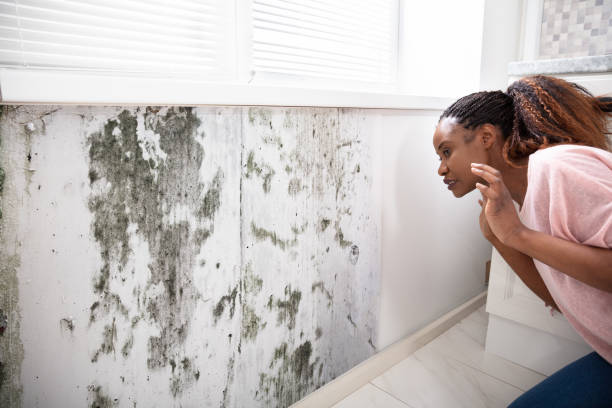
Is white mold dangerous in house walls where you can’t see it? Your family experiences unexplained respiratory symptoms. Your energy bills keep climbing. You notice a musty smell that seems to come from nowhere. You’ve searched every visible surface in your Santa Maria home and found nothing. Meanwhile, behind your drywall, white mold colonies are spreading through wall cavities, releasing spores into your air, and creating health exposures you can’t see but your body is already responding to.
This represents one of the most insidious home health threats homeowners face. Visible mold on bathroom tiles or basement walls triggers immediate concern and action. Hidden mold growing within wall assemblies creates severe contamination while homeowners remain completely unaware. The question of is white mold dangerous in house walls becomes most critical when contamination is hidden, extensive, and affecting your family’s health before you even know it exists.
Understanding whether is white mold dangerous in house walls requires recognizing that by the time you discover hidden mold, the problem has typically been developing for months. The symptoms revealing hidden wall contamination aren’t the visible growth you’d expect to find. They’re systemic health effects, subtle building changes, and air quality degradation that most homeowners never connect to mold until professional investigation reveals the hidden source.
This guide reveals eight specific symptoms that answer is white mold dangerous in house walls, explains what each symptom indicates about hidden contamination extent, and provides the knowledge to recognize when professional investigation is essential to protect your family’s health and your home’s structural integrity.
Is White Mold Dangerous in House Walls? The Building Science Answer
Before examining specific symptoms, homeowners need the clear professional consensus. Yes, is white mold dangerous in house walls according to the Environmental Protection Agency, building health experts, and mold remediation standards. Hidden wall mold often creates more severe health exposures than visible mold because contamination reaches extensive levels before discovery and remediation.
According to the Institute of Inspection, Cleaning and Restoration Certification (IICRC), mold growth within wall cavities represents category 2 or 3 contamination requiring professional remediation following specific containment and removal protocols. The hidden nature of wall mold doesn’t reduce its danger—it amplifies risk by allowing unchecked growth and delayed response.
White mold species common in wall cavities—Aspergillus, Penicillium, Chaetomium, and Stachybotrys—produce allergens, irritants, and in some cases mycotoxins. When colonies establish within walls, spores continuously migrate into living spaces through electrical outlets, baseboards, and the numerous small gaps in wall assemblies. Your family breathes this contamination daily without knowing the source.
Understanding whether is white mold dangerous in house walls requires examining the symptoms that reveal hidden contamination before you can see the actual mold.
Symptom #1: Persistent Respiratory Issues With No Identified Cause
The first critical symptom answering is white mold dangerous in house walls involves unexplained respiratory problems affecting household members. When multiple family members develop coughing, wheezing, nasal congestion, or throat irritation that doctors can’t attribute to specific medical causes, hidden mold deserves investigation.
Hidden wall mold creates continuous airborne spore exposure. Unlike visible mold you might encounter briefly, wall cavity mold releases spores into air you breathe constantly throughout your home. This sustained exposure triggers progressive respiratory sensitization even in people without prior mold allergies.
The pattern revealing mold involves symptoms that improve away from home and worsen after returning. If your child’s cough disappears during school hours but returns every evening, environmental factors in the home deserve investigation. If your symptoms improve during vacations but resume immediately upon returning home, your house walls are likely the problem.
According to the American Lung Association, indoor mold exposure causes respiratory symptoms that medical treatment alone cannot resolve if environmental sources aren’t addressed. When respiratory issues persist despite medical intervention, professional mold investigation should be part of the diagnostic process.
Symptom #2: Musty Odors That Seem to Emanate From Wall Surfaces
The second symptom involves persistent musty, earthy odors that seem to emanate from walls rather than visible sources. Mold produces volatile organic compounds (MVOCs) creating distinctive odors. When you smell mold but can’t locate visible growth, the source is likely within wall cavities behind your drywall.
The odor pattern reveals contamination location. If the musty smell is strongest near specific walls, those walls likely contain mold growth. If odor increases when heating or cooling systems run, contamination may involve HVAC ductwork within walls or mold-contaminated air being distributed from wall cavities throughout your home.
Many homeowners dismiss musty odors as “old house smell” or attribute them to basements without investigating wall cavities as potential sources. The question of is white mold dangerous in house walls includes recognizing that odor alone indicates active mold growth releasing compounds into your air even if you can’t see the colonies.
Professional mold investigation uses air quality sampling to measure MVOCs and identify contamination sources. This testing can locate hidden mold based on odor compound signatures even when visual inspection doesn’t reveal growth behind wall surfaces.
Symptom #3: Wall Discoloration, Staining, or Texture Changes on Drywall
The third symptom revealing is white mold dangerous in house walls involves subtle visual changes to wall surfaces. While the mold itself remains hidden within wall cavities, moisture conditions supporting growth often create surface evidence including slight discoloration, water staining, or texture changes on drywall.
Wall discoloration patterns indicating hidden mold include yellowish or brownish staining on drywall, particularly near baseboards or corners, darkened areas along wall seams or nail pops, bubbling or peeling paint suggesting moisture behind surfaces, and texture changes where drywall feels soft or shows slight warping.
These surface changes indicate moisture intrusion that supports mold growth within wall assemblies. Even if you don’t see mold on the surface, moisture evidence suggests investigating what’s happening inside the wall. Drywall showing moisture damage on the surface virtually always has mold growth within the paper backing and gypsum core.
According to building science principles, moisture sufficient to cause visible drywall damage will support mold growth within 24 to 48 hours. Surface staining you’re seeing today indicates mold has likely been growing behind that wall surface for weeks or months.
Symptom #4: Baseboard Separation, Warping, or Visible Moisture Damage
The fourth symptom involves baseboard changes revealing hidden wall moisture and likely mold growth. Baseboards sit at the junction between walls and floors where moisture often accumulates. When baseboards show separation from walls, warping, discoloration, or visible moisture, hidden mold within adjacent wall cavities is highly probable.
Moisture wicks upward from foundation issues, plumbing leaks, or condensation within wall cavities. This moisture accumulates at the base of walls where baseboards attach. The baseboard changes you can see indicate ongoing moisture problems supporting extensive mold growth in wall areas you can’t see.
Specific baseboard indicators include gaps between baseboard and wall that weren’t previously present, warped or curved baseboard sections, discoloration or staining on baseboard backs when removed, and visible moisture or dampness when you touch baseboards or nearby carpet edges along walls.
Professional mold investigation often reveals that baseboard problems indicate much more extensive contamination than homeowners realize. What appears to be a minor baseboard issue frequently signals significant mold growth throughout the lower portions of wall cavities behind the drywall.
Symptom #5: Increased Allergy Symptoms and Asthma Attacks at Home
The fifth symptom answering is white mold dangerous in house walls involves worsening allergy and asthma symptoms among household members. When people with previously controlled allergies or asthma experience increased symptoms at home, hidden mold creating elevated indoor spore levels from wall contamination deserves investigation.
The pattern differs from seasonal allergies. Seasonal allergies follow predictable patterns based on outdoor pollen counts. Hidden mold in house walls causes year-round symptoms that may actually worsen in winter when homes are sealed and HVAC systems circulate contaminated air more effectively from wall cavities throughout living spaces.
For asthma sufferers, hidden wall mold can transform well-controlled asthma requiring occasional rescue inhaler use into poorly controlled asthma requiring daily medication and frequent attacks. This progression should trigger environmental investigation, particularly when medical management alone doesn’t restore previous control levels.
According to the Asthma and Allergy Foundation of America, indoor mold represents a common asthma trigger that many patients and physicians overlook. When asthma control deteriorates without obvious cause, home environmental assessment including professional wall cavity mold investigation should be part of comprehensive care.
Symptom #6: HVAC System Distributing Musty Air Throughout the Home
The sixth symptom involves HVAC systems that seem to distribute musty air, excessive dust, or visible particles when running. When mold grows in wall cavities where HVAC ductwork runs or in spaces connected to return air pathways, forced air systems become distribution mechanisms for mold spores from contaminated walls.
HVAC indicators that is white mold dangerous in house walls include musty odor when heating or cooling systems start, visible dust or particles coming from supply vents, dark staining around supply or return registers mounted in walls, and worsening air quality immediately after HVAC system operation.
The contamination pattern is predictable. Mold in wall cavities releases spores. HVAC return air draws some of these spores into ductwork running through walls. The system distributes contaminated air to every room via supply vents. What began as localized wall mold becomes whole-house contamination through mechanical distribution from wall cavity sources.
Professional remediation addressing wall mold must include HVAC system evaluation and often cleaning or replacement of contaminated ductwork. Simply removing wall mold while leaving contaminated ducts ensures rapid re-contamination of wall cavities and living spaces.
Symptom #7: Unexplained Fatigue and Cognitive Symptoms Affecting Household
The seventh symptom revealing is white mold dangerous in house walls involves systemic health effects beyond respiratory symptoms. Unexplained fatigue, difficulty concentrating, memory problems, and general malaise affecting household members can indicate mold exposure from contaminated walls even without obvious respiratory issues.
These systemic symptoms result from inflammatory responses to mold exposure and in some cases mycotoxin effects from mold growing in house walls. Not everyone exposed to mold develops respiratory symptoms, but many experience these broader health impacts that rarely get connected to environmental causes like wall contamination.
The question of is white mold dangerous in house walls extends to these cognitive and systemic effects that significantly impact quality of life even when they don’t create obvious medical emergencies. Chronic fatigue preventing normal activity, cognitive fog affecting work performance, and general unwellness that doctors can’t explain all warrant wall cavity environmental investigation.
Professional medical evaluation should occur alongside environmental assessment. However, when medical workups reveal no clear cause for systemic symptoms and multiple household members experience similar issues, hidden wall mold investigation becomes an essential diagnostic component.
Symptom #8: Rising Energy Bills From Moisture-Damaged Wall Insulation
The eighth and final symptom involves increasing heating and cooling costs that may indicate moisture damage in walls where mold is growing. When moisture saturates wall insulation, the insulation loses its R-value dramatically. Wet insulation within walls doesn’t just support mold growth—it also increases energy consumption as HVAC systems work harder to maintain temperatures.
The connection between wall mold and energy costs isn’t obvious to most homeowners. However, the moisture conditions supporting mold growth in house walls simultaneously destroy insulation effectiveness within those walls. Rising utility bills combined with any other symptoms on this list should trigger professional wall cavity investigation.
Thermal imaging during professional mold assessment can identify moisture-damaged insulation within walls. These wet areas show up as temperature differentials indicating both the moisture supporting mold in house walls and the energy efficiency loss costing you money monthly.
When Professional Investigation Becomes Essential
Given these eight symptoms answering is white mold dangerous in house walls, certain situations demand immediate professional mold investigation:
Seek professional assessment if you experience two or more symptoms from this list, notice musty odors with no visible mold source, have family members with unexplained health issues, see wall discoloration or baseboard problems, experience worsening allergies or asthma at home, or have had previous water damage to walls even if it was “dried.”
Also seek assessment when preparing to sell your home, during pre-purchase inspections, or whenever you have concerns about hidden contamination within wall cavities affecting your family’s health.
Professional Detection Methods for Hidden Wall Mold
Professional mold investigation uses specific tools and techniques detecting hidden contamination within house walls that visual inspection misses:
Thermal imaging cameras detect temperature differentials indicating moisture within walls. Wet wall areas show up clearly, revealing hidden moisture supporting mold growth behind drywall.
Moisture meters measure moisture content in drywall and wood framing within walls, identifying elevated levels indicating conditions supporting mold even before infrared cameras show wall problems.
Air quality sampling measures airborne spore concentrations and identifies species present, often detecting hidden wall mold based on elevated indoor spore levels compared to outdoor baselines.
Borescope inspection uses small cameras inserted through tiny holes to visually examine wall cavity interiors, providing direct evidence of mold growth within house walls without extensive demolition.
MVOC testing identifies volatile organic compounds produced by mold in walls, detecting hidden contamination based on chemical signatures even when spore sampling is inconclusive.
PuroClean of Santa Maria: Hidden Wall Mold Detection and Remediation
Understanding that is white mold dangerous in house walls creates urgency for professional investigation when symptoms suggest hidden contamination within wall cavities. PuroClean of Santa Maria specializes in detecting and remediating hidden wall mold using advanced diagnostic equipment and IICRC-certified protocols.
Our comprehensive assessment includes thermal imaging of all exterior walls and suspected interior wall areas, moisture mapping identifying current and past water intrusion in walls, air quality sampling measuring spore concentrations and species, visual inspection including borescope examination of wall cavities when indicated, and detailed reporting with photographic documentation and remediation recommendations.
When investigation reveals hidden mold in house walls, our remediation follows strict containment protocols preventing spore spread during wall opening, includes removal of all contaminated drywall and materials, treats structural wall components with appropriate antimicrobials, and provides post-remediation verification testing confirming successful elimination.
We work with insurance companies to document findings and support coverage when policies apply. Our experience with Santa Maria’s coastal climate means we understand the specific moisture challenges creating wall cavity mold in Central Coast homes.
Frequently Asked Questions
Q: Is white mold dangerous in house walls even if we don’t have health symptoms?
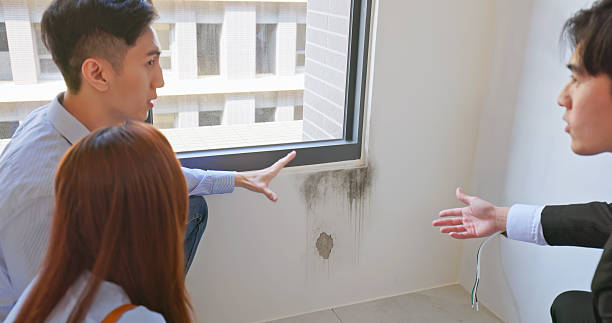
A: Yes. Absence of obvious symptoms doesn’t mean absence of exposure or harm. Some people are less reactive to mold, but exposure still occurs from contaminated walls. Additionally, hidden mold in house walls indicates moisture problems causing structural damage even if health effects aren’t apparent. Both health protection and property preservation warrant addressing hidden wall mold.
Q: Can I just cut a hole in the wall to check for mold myself?
A: Not recommended. Cutting into contaminated wall cavities without proper containment releases massive spore quantities into your home. Professional investigation uses borescopes requiring only tiny holes in walls and includes appropriate protection. DIY investigation often creates the contamination spread that proper protocols prevent.
Q: Is white mold dangerous in house walls more than visible bathroom mold?
A: Often yes, because hidden mold in walls reaches more extensive levels before discovery and creates sustained exposure rather than brief contact with visible mold. Both require remediation, but hidden wall mold typically involves larger contamination areas within wall cavities and longer unrecognized exposure periods.
Q: How much does hidden wall mold remediation cost?
A: Costs vary based on contamination extent within walls, number of affected wall sections, and whether structural wall components require replacement. Typical hidden wall mold remediation ranges from $3,000 to $15,000. Professional assessment provides accurate estimates. Delaying investigation and remediation of wall mold generally increases eventual costs as contamination spreads to additional wall areas.
Q: Will insurance cover hidden mold remediation in house walls?
A: Coverage depends on the wall mold’s cause and your policy specifics. If mold resulted from sudden covered events like pipe bursts within walls, coverage is likely. If from gradual maintenance issues, coverage may not apply. PuroClean works with insurers to document wall cavity findings and support claims when appropriate.
Protect Your Family From Hidden Wall Contamination
Eight documented symptoms. Each one revealing that hidden mold in your house walls is already affecting your home and your health. The question of is white mold dangerous in house walls has been definitively answered—yes, especially when it’s hidden within wall cavities, extensive, and creating exposures you can’t see.
Your family deserves to know what’s growing behind your walls. You deserve professional investigation providing definitive answers about wall contamination rather than living with suspicion and worsening symptoms. You deserve remediation that actually solves wall mold problems rather than surface treatments that leave hidden contamination intact within wall assemblies.
If you’re experiencing symptoms suggesting hidden mold in house walls, contact PuroClean of Santa Maria for comprehensive professional investigation. Because when it comes to is white mold dangerous in house walls, the answer demands action to protect both health and property.
Stop wondering what’s behind your walls. Start protecting your family with professional certainty about wall cavity contamination.
Available 24/7/365 | IICRC Certified | (805) 975-0800 | Contact Us Online | Google Business Profile