


Table of Contents
Winter brings cozy evenings by the fireplace, hot chocolate, and holiday celebrations. But it also brings something far less welcome: perfect conditions for white mold growth inside your home.
Most homeowners assume mold is strictly a warm-weather problem. They couldn’t be more wrong. Cold winter months create ideal environments for mold proliferation, especially the sneaky white varieties that blend into walls, ceilings, and hidden corners. So is white mold dangerous in winter? Absolutely yes, and winter makes it even worse.
The combination of cold outdoor temperatures, heated indoor spaces, and reduced ventilation creates a perfect storm for white mold growth. Understanding why is white mold dangerous in winter could save your family’s health and your home’s integrity.
What Makes White Mold So Deceptive?
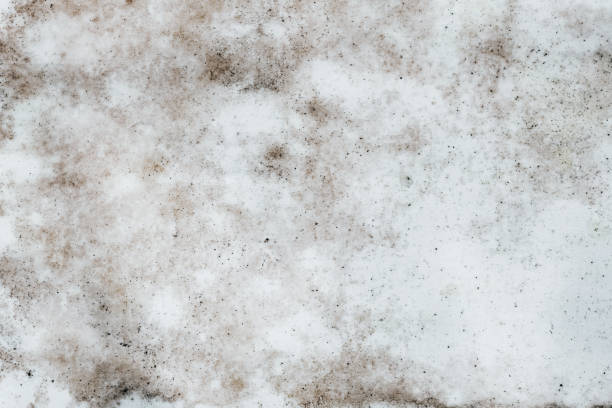
White mold is a master of disguise. Unlike the notorious black mold that immediately triggers alarm bells, white mold often gets dismissed as dust, efflorescence, or simple dirt accumulation.
White mold encompasses several fungal species, including Aspergillus, Penicillium, and Cladosporium. These fungi thrive in damp, poorly ventilated spaces where temperatures range between 40-80°F. Winter creates these conditions perfectly inside heated homes with cold exterior walls.
The fuzzy or powdery appearance easily blends with ceiling tiles, drywall, wood surfaces, and insulation. By the time most homeowners recognize the problem, the infestation has already spread behind walls and under flooring.
Is White Mold Dangerous in Winter? Understanding the Health Risks
The health implications of white mold exposure intensify during winter months. When you ask “is white mold dangerous in winter,” you’re really asking whether sealed homes and concentrated exposure increase health risks. Medical research confirms they absolutely do.
Respiratory Problems and Allergic Reactions
White mold releases microscopic spores into your indoor air constantly. Every breath in a contaminated environment introduces these spores into your respiratory system, triggering allergic reactions including sneezing, coughing, watery eyes, and congestion.
According to the Centers for Disease Control and Prevention, mold exposure can cause respiratory symptoms even in people without pre-existing allergies. Winter’s closed windows and reduced ventilation concentrate these spores in your living spaces.
Asthma Complications
If you or family members have asthma, white mold transforms from a nuisance into a serious threat. The Environmental Protection Agency confirms that mold exposure worsens asthma symptoms and can trigger severe attacks. Children and elderly family members are particularly vulnerable during winter’s extended indoor exposure periods.
Immune System Suppression
Prolonged exposure to white mold weakens your immune response over time. Your body expends enormous energy fighting constant spore presence, leaving fewer resources to combat other infections. People with compromised immune systems face extreme risks, including serious fungal infections requiring hospitalization.
Neurological and Cognitive Effects
Emerging research suggests that mycotoxins produced by certain white mold species may affect neurological function. Winter’s closed environments mean you’re breathing concentrated spore levels for extended periods. Symptoms reported include headaches, difficulty concentrating, memory problems, and mood changes. When considering is white mold dangerous in winter, the potential for cognitive impact from prolonged indoor exposure adds serious concern.
Why Winter Creates Perfect White Mold Conditions
Winter’s unique environmental factors create paradise for white mold growth. Understanding these conditions explains why cold weather increases vulnerability rather than protecting your home.
Condensation and Temperature Differential
When warm indoor air meets cold exterior walls and windows, condensation forms. This moisture accumulation provides exactly what white mold needs to thrive. Bathrooms, kitchens, basements, and poorly insulated rooms become breeding grounds.
Reduced Ventilation
Summer’s open windows and air circulation naturally reduce indoor humidity. Winter forces us to seal homes tight, trapping moisture inside. This stagnant air combined with heating systems creates humidity pockets that white mold exploits enthusiastically.
Heating System Complications
Forced-air heating systems running constantly during winter can distribute mold spores throughout your entire home. If white mold grows in ductwork, every furnace cycle spreads contamination to every room. This is why is white mold dangerous in winter becomes even more critical. It’s not just where you see it, but everywhere your heating system reaches during cold months.
Identifying White Mold in Your Home
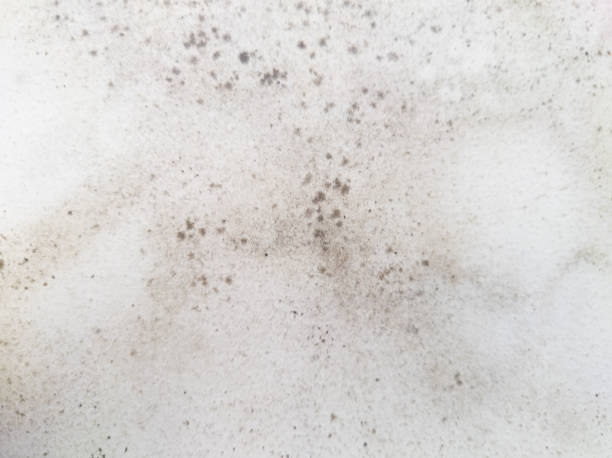
White mold typically appears as fuzzy, powdery, or cotton-like growth on surfaces. Unlike efflorescence (mineral deposits that look similar), white mold is organic and will smudge when touched. It often has a musty, earthy odor that intensifies in enclosed spaces.
Common hiding spots include basement walls, attic insulation, behind wallpaper, around windows with condensation, under sinks, in closets against exterior walls, and in HVAC systems. Use your nose as a detection tool. That musty smell in your basement? That’s often white mold announcing its presence.
Is White Mold Dangerous in Winter for Your Home’s Structure?
Beyond health concerns, white mold aggressively damages building materials, and winter conditions accelerate this deterioration. The question “is white mold dangerous in winter” extends beyond health to your property’s structural integrity and financial value.
Wood Deterioration
White mold species excel at decomposing cellulose, the primary component of wood. Floor joists, wall studs, roof decking, and subflooring can all suffer significant degradation. What starts as surface growth penetrates deep into wood fibers, compromising structural strength.
Drywall and Insulation Damage
Once white mold colonizes drywall or insulation, these materials usually require complete replacement. Attempting to clean them is futile because the mold penetrates too deeply. This turns minor moisture problems into expensive renovation projects.
DIY Removal: When It’s Safe and When It’s Not
Small white mold patches (less than 10 square feet) on non-porous surfaces might be handled with careful DIY methods. However, understanding when professional help is necessary could save your health and your home.
If you’ve caught white mold very early on bathroom tiles, glass, or metal surfaces, you can attempt removal using protective equipment. Wear N95 respirators, gloves, and eye protection. Use a solution of one cup bleach per gallon of water with proper ventilation. Never scrub vigorously as this releases millions of spores into the air.
When Professionals Are Essential
Most white mold situations require professional remediation, especially during winter when conditions promote rapid regrowth. If mold covers more than 10 square feet, has affected porous materials, appears in HVAC systems, or keeps returning, professionals are necessary.
The question “is white mold dangerous in winter” is particularly relevant during removal. Winter’s sealed environments mean disturbing mold colonies releases massive spore concentrations that can’t escape through ventilation. Without proper containment and air filtration, you risk spreading contamination throughout your home.
Prevention: Your Best Defense Against Winter White Mold
Preventing white mold is far easier and cheaper than removing it. These winter-specific strategies protect your home and health.
Control indoor humidity between 30-50% using dehumidifiers. Monitor levels with inexpensive hygrometers throughout your home. Run exhaust fans during and after showers and cooking. Fix leaks immediately and ensure proper drainage away from your foundation. Adequate insulation prevents temperature differentials that cause condensation. Conduct monthly inspections of basements, crawl spaces, attics, and windows to catch white mold before it becomes serious.
Frequently Asked Questions
Q: Is white mold dangerous in winter compared to other seasons?
A: Yes, white mold is actually MORE dangerous in winter than other seasons. Winter’s closed windows, reduced ventilation, and constant heating create concentrated spore exposure in sealed environments. You’re spending more time indoors breathing contaminated air, and temperature differentials between heated interiors and cold exteriors create perfect growth conditions.
Q: Is white mold dangerous in winter compared to black mold?
A: Yes, white mold can be just as dangerous as black mold. While black mold gets more publicity, white mold species produce allergens, irritants, and sometimes mycotoxins that cause serious health problems. During winter, both types thrive in the same condensation-rich environments. Never dismiss white mold as harmless based on its color.
Q: How quickly does white mold spread during winter months?
A: Under winter conditions (moisture from condensation, poor ventilation, temperatures between 40-80°F), white mold colonies can double in size every 24-48 hours. The constant heating cycles and sealed environment mean small spots can become major infestations within days.
Q: Will running my heater help kill white mold in winter?
A: No, running your heater will not kill white mold and can actually make the problem worse. While extreme heat above 140°F can kill mold, your home heating system doesn’t reach these temperatures. Instead, heating creates temperature differentials that cause condensation, feeding mold growth. Forced-air systems can also spread existing mold spores throughout your home.
Q: Is white mold dangerous in winter to pets?
A: Yes, pets face increased risks during winter months. Dogs and cats spend more time indoors during cold weather, increasing their exposure to mold spores. They spend time close to floors and baseboards where mold often grows. Pets can suffer respiratory problems, allergic reactions, and other health issues from prolonged white mold exposure during winter.
Don’t Let White Mold Threaten Your Family This Winter
Now that you understand the answer to “is white mold dangerous in winter,” it’s time to take action. Winter white mold isn’t a problem that resolves itself. Cold weather actually accelerates growth and concentrates your exposure, threatening your health and home with each passing day.
Winter’s unique challenges require professional expertise and specialized equipment. Attempting DIY remediation during winter often spreads contamination throughout your sealed home and exposes your family to dangerous spore levels.
PuroClean of Santa Maria: Your Winter Mold Emergency Experts
PuroClean of Santa Maria specializes in comprehensive mold remediation and emergency damage restoration throughout the coldest months. Our certified technicians understand that when you’re asking “is white mold dangerous in winter,” you need immediate answers and faster action before another day of heating cycles spreads contamination further.
We provide 24/7 emergency response, advanced moisture detection and air quality testing, professional containment and HEPA air filtration, complete remediation following IICRC standards, structural drying and dehumidification, and restoration of damaged materials. Our process doesn’t just remove visible mold. We identify and eliminate moisture sources, ensuring the problem doesn’t return.
Don’t wait until white mold compromises your family’s health or your home’s structure during these critical winter months. If you’ve discovered white mold, suspect hidden growth behind walls or in your heating system, or smell that telltale musty odor intensifying as temperatures drop, contact PuroClean of Santa Maria immediately.
Call us today for a comprehensive winter mold assessment. Because when it comes to the question “is white mold dangerous in winter,” the answer is always yes, but the solution is just a phone call away. Protect your home, protect your health, and enjoy a safe winter season with professional mold remediation from Santa Maria’s trusted restoration experts.
Available 24/7/365 | IICRC Certified | (805) 975-0800 | Contact Us Online | Google Business Profile