 PuroClean of Santa Maria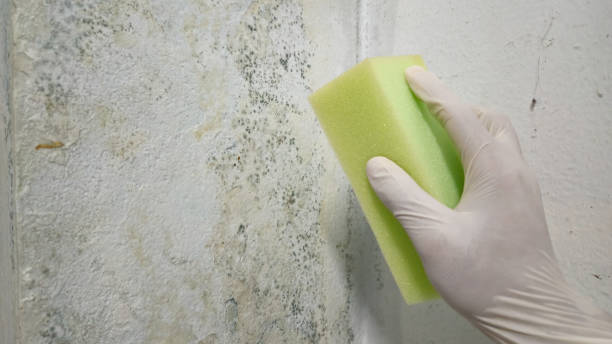
Table of Contents
Is white mold dangerous to clean yourself? Every weekend, thousands of well-intentioned Santa Maria homeowners grab spray bottles, scrub brushes, and bleach to tackle visible mold growth. They believe cleaning mold is straightforward home maintenance, similar to cleaning soap scum or grime. Within days or weeks, they discover the mold has returned, often worse than before. What they don’t realize is that their DIY cleaning attempt didn’t just fail to solve the problem—it made contamination significantly worse.
The question of is white mold dangerous to clean isn’t about whether mold itself is hazardous. It’s about understanding that improper cleaning methods transform localized contamination into whole-house problems, create dangerous health exposures during the cleaning process, and often drive mold deeper into materials where it becomes harder to eliminate. Most DIY mold cleaning attempts fail not because the products don’t work, but because homeowners don’t understand the critical mistakes that spread contamination rather than eliminate it.
These mistakes aren’t obvious. They seem like common sense approaches to cleaning. Scrubbing seems like it should remove mold thoroughly. Opening windows seems like good ventilation. Using strong chemicals seems more effective than mild solutions. Every one of these intuitive approaches actually worsens mold problems in ways most homeowners never realize until the mold returns more extensively than before.
This guide reveals eight specific DIY mistakes that answer is white mold dangerous to clean, explains exactly why these seemingly logical approaches fail and create worse problems, and provides the knowledge cost-conscious homeowners need to recognize when professional remediation becomes the only safe and effective option.
Is White Mold Dangerous to Clean? The Restoration Industry Answer
Before examining specific mistakes, DIY cleaners need the clear professional consensus. Yes, is white mold dangerous to clean according to the Institute of Inspection, Cleaning and Restoration Certification (IICRC), the Environmental Protection Agency, and mold remediation professionals. The danger isn’t just from mold exposure—it’s from the contamination spread and health hazards created by improper cleaning methods.
The IICRC S520 Standard for Professional Mold Remediation establishes specific protocols for mold removal including containment, personal protection, removal procedures, and verification testing. These protocols exist precisely because improper mold cleaning creates predictable problems that DIY efforts consistently produce.
The Environmental Protection Agency’s mold remediation guidelines state explicitly that mold contamination exceeding 10 square feet should receive professional remediation, not DIY cleaning. This 10-square-foot threshold isn’t arbitrary. It reflects the point where contamination spread risks and proper remediation requirements exceed what untrained homeowners can safely manage.
White mold releases millions of spores when disturbed. These microscopic spores become airborne, settle throughout your home, and create new contamination in previously unaffected areas. Professional remediation prevents this cross-contamination through containment barriers and air filtration. DIY cleaning almost never includes these critical protections, making the question of is white mold dangerous to clean primarily about the spreading contamination, not the original problem.
DIY Mistake #1: Scrubbing and Agitating Mold Releases Massive Spore Clouds
The first and most damaging mistake answering is white mold dangerous to clean involves the scrubbing motion most people use instinctively. When you scrub moldy surfaces vigorously, you’re not just removing mold—you’re launching massive concentrations of spores into the air where they’ll settle throughout your entire home.
Mold colonies on surfaces consist of visible growth and billions of microscopic spores. Dry scrubbing with brushes, abrasive pads, or even rough cloths physically breaks apart colonies and creates spore clouds. These spores remain airborne for hours, circulating through HVAC systems, settling on furniture, clothing, bedding, and every surface in your home.
The health exposure during this spore release is extreme. You’re breathing concentrated spore clouds while scrubbing. Even with windows open, the spore concentrations in the immediate work area can be 100 to 1,000 times higher than normal environmental levels. For people with allergies, asthma, or respiratory sensitivities, this exposure can trigger severe reactions including asthma attacks requiring emergency treatment.
According to research from the American Industrial Hygiene Association, disturbing mold colonies during cleaning releases spore concentrations that persist in indoor air for days even with ventilation. The spores you release during scrubbing create new contamination on surfaces throughout your home. Within weeks, you’ll see mold growing in areas that had no contamination before your cleaning attempt.
Professional remediation uses wet wiping techniques, HEPA-filtered vacuums before any disturbance, and continuous air filtration during all work. These methods minimize spore release and capture airborne spores before they can spread. DIY efforts using dry scrubbing create the contamination spread that professionals specifically prevent through proper protocols.
DIY Mistake #2: No Containment Allows Contamination to Migrate Throughout Your Home
The second critical mistake demonstrating is white mold dangerous to clean involves the complete absence of containment. Professional mold remediation establishes physical barriers preventing spore migration from work areas to clean areas. DIY efforts almost never include containment, allowing spores to spread freely throughout the entire home.
Containment in professional remediation involves plastic sheeting creating sealed barriers between contaminated and clean areas, negative air pressure using specialized equipment pulling air into the work area and filtering it before exhaust, and sealed entry/exit procedures preventing spore transfer on workers, clothing, and equipment.
Without containment, every action you take in the moldy area—walking, moving materials, cleaning, scrubbing—distributes spores to other rooms. You walk from the moldy bathroom to the kitchen, tracking spores on shoes. Air currents from your movements carry spores through doorways. The vacuum you use in the contaminated area then gets used in bedrooms, distributing spores everywhere.
The cross-contamination pattern is predictable. DIY cleaners tackle visible mold in a bathroom. Within weeks, they discover mold in bedrooms that were previously clean. They blame this on “mold spreading naturally” without realizing their cleaning attempt distributed spores throughout the house. The question of is white mold dangerous to clean gets answered when you discover contamination in areas that weren’t affected before you started cleaning.
For Santa Maria homes with HVAC systems, the contamination spread is particularly severe. Spores released during DIY cleaning get drawn into return vents, distributed throughout ductwork, and delivered to every room via supply registers. What was a bathroom mold problem becomes a whole-house contamination requiring extensive remediation.
DIY Mistake #3: Surface Cleaning Ignores Deep Colonization Within Materials
The third mistake involves treating mold as a surface problem when it’s actually a material penetration problem. Most DIY cleaning focuses on removing visible surface mold without addressing the colonization extending deep into porous materials. This is why is white mold dangerous to clean becomes “why does mold keep coming back after I clean it?”
Mold on porous materials like drywall, grout, wood, and fabric isn’t just on the surface. Mold hyphae—the thread-like structures forming the main body of mold colonies—penetrate deeply into porous substrates. On drywall, hyphae extend through the paper facing and into the gypsum core. In grout, they penetrate millimeters into the porous structure. On wood, they follow grain patterns deep into the material.
Surface cleaning removes only the visible surface growth. The hyphae within materials remain viable and continue growing. Within days to weeks, new surface growth emerges from the untouched colonization below. Homeowners think the mold is recurring or spreading when actually it’s the same colony they thought they cleaned simply becoming visible again.
Bleach, the most common DIY mold cleaner, demonstrates this limitation perfectly. Bleach’s chlorine component kills mold on non-porous surfaces effectively. However, chlorine doesn’t penetrate porous materials. When you apply bleach to moldy drywall, you kill surface mold but leave the colonization within the drywall paper and gypsum completely intact. The water component of bleach actually penetrates, adding moisture that feeds the remaining mold.
According to the Environmental Protection Agency, porous materials with significant mold contamination generally cannot be adequately cleaned and should be removed and replaced. This reflects the reality that deep colonization in porous materials resists surface cleaning regardless of what products you use. Professional remediation removes contaminated porous materials rather than attempting futile cleaning efforts.
DIY Mistake #4: Inadequate Personal Protection Creates Direct Health Exposure
The fourth mistake answering is white mold dangerous to clean involves completely inadequate personal protective equipment. Most DIY cleaners wear no protection or minimal protection that doesn’t actually prevent the health exposures mold cleaning creates.
Professional mold remediation workers wear specific protective equipment including N95 or P100 respirators protecting against spore inhalation, protective eyewear preventing eye exposure to spores and cleaning products, disposable coveralls preventing spore contamination of clothing and skin exposure, and gloves protecting hands from both mold and cleaning chemicals.
DIY cleaners typically wear none of this or at most basic dust masks that don’t seal properly and don’t filter the small particles that mold spores represent. They wear regular clothing that becomes contaminated with spores and then worn throughout the house. They protect eyes inadequately or not at all, allowing spores to contact mucous membranes.
The health exposure during inadequate DIY cleaning is substantial. You breathe concentrated spores while working. Spores contact your eyes causing irritation. Contaminated clothing transfers spores to furniture, bedding, and car interiors. Your skin absorbs chemicals from cleaning products while simultaneously getting exposed to mold allergens.
For people with existing respiratory conditions, this exposure can be dangerous. The American Lung Association notes that mold exposure triggers asthma attacks and respiratory symptoms, and disturbing mold during cleaning creates the highest exposure levels. Attempting DIY mold cleaning without proper respiratory protection while having asthma or other respiratory conditions is genuinely risky.
The contaminated clothing issue compounds problems. Spore-laden clothing worn during cleaning gets washed with other laundry, potentially contaminating the washing machine and other clothing. It gets worn to workplaces and vehicles, spreading spores to these locations. Professional remediation uses disposable protective clothing that gets sealed and discarded after use, preventing this transfer.
DIY Mistake #5: Wrong Products for the Material and Mold Type
The fifth mistake involves using inappropriate cleaning products that either don’t work or damage materials. The question of is white mold dangerous to clean includes understanding that products effective on some materials are useless or harmful on others, and most DIY cleaners don’t know the difference.
Bleach limitations: Bleach works on non-porous surfaces like tile, glass, and metal. It’s useless on porous materials where mold has penetrated. The EPA explicitly states bleach is not recommended for mold remediation on porous materials. Yet most DIY efforts rely primarily on bleach regardless of material type.
Vinegar myths: Internet sources tout vinegar as a natural mold cleaner. While vinegar has some antimicrobial properties, it’s significantly less effective than commercial antimicrobials designed specifically for mold. Vinegar’s acidity can damage some materials. Using vinegar on extensive mold contamination is inadequate treatment that allows mold to persist.
Ammonia dangers: Some people use ammonia-based cleaners on mold. Ammonia should never be mixed with bleach (creates toxic gases) and like bleach, doesn’t penetrate porous materials effectively. Ammonia’s strong fumes create additional health hazards during cleaning without providing superior mold killing effectiveness.
Commercial mold cleaners: Over-the-counter mold cleaning products vary widely in effectiveness. Most are designed for small-scale surface cleaning, not remediation of established contamination. Their labels typically state they’re for “mold and mildew stains” rather than actual mold remediation, a distinction most consumers miss.
Professional remediation uses EPA-registered antimicrobial products selected specifically for the surfaces being treated and the mold species involved. These professional products undergo testing and validation that consumer products don’t require. The application methods also differ—professionals use fogging, injection, and other techniques that achieve better coverage than spray bottles.
DIY Mistake #6: Ignoring Moisture Sources Guarantees Recurrence
The sixth mistake demonstrating is white mold dangerous to clean involves treating symptoms while ignoring causes. Mold grows because moisture conditions support it. Cleaning visible mold without eliminating moisture sources guarantees the mold returns, often worse than before.
Every mold problem has an underlying moisture source: roof leaks, plumbing failures, condensation problems, poor ventilation, or ground moisture intrusion. DIY cleaning focuses on removing visible growth without investigating why moisture conditions allowed that growth. The moisture source continues after cleaning, and new mold establishes within days or weeks.
Moisture investigation requires tools most homeowners don’t have. Moisture meters measure water content in materials, identifying hidden saturation. Thermal imaging cameras detect temperature differentials indicating moisture intrusion. Hygrometers measure relative humidity. Without these diagnostic tools, you’re guessing about moisture sources rather than identifying them definitively.
According to building science principles, mold prevention requires either eliminating moisture sources or reducing relative humidity below levels supporting mold growth (generally below 60%). Surface cleaning achieves neither. The mold returns because conditions favoring growth haven’t changed.
Santa Maria’s coastal climate creates moisture challenges requiring active management. The marine layer deposits moisture. Poor ventilation traps humidity. Older homes lack modern moisture barriers. These regional factors mean mold recurrence after DIY cleaning is nearly guaranteed without addressing underlying moisture management.
Professional mold remediation includes moisture source investigation as a standard component. We don’t just remove visible mold—we identify why moisture conditions allowed it and provide recommendations for eliminating those conditions. This comprehensive approach prevents recurrence rather than creating the cycle of repeated cleaning that DIY efforts produce.
DIY Mistake #7: Not Knowing When the Project Exceeds Safe DIY Scope
The seventh critical mistake involves not recognizing when contamination has exceeded the scope that safe DIY cleaning can address. The EPA’s 10-square-foot guideline provides a clear threshold, yet many homeowners attempt DIY remediation of much larger contamination areas.
Size thresholds: Contamination exceeding 10 square feet requires professional remediation. This size threshold reflects where proper containment, equipment, and procedures become essential. Most homeowners underestimate affected areas by looking only at visible surface growth rather than investigating the full extent within materials and hidden spaces.
Location factors: Mold in HVAC systems requires professional remediation regardless of size. Contamination of structural components like wall framing or roof decking requires professional assessment. Mold resulting from sewage or contaminated water demands professional handling due to additional health hazards beyond mold alone.
Health considerations: Households with immunocompromised individuals, infants, elderly members, or people with respiratory conditions shouldn’t attempt DIY mold cleaning regardless of contamination size. The exposure risks during cleaning and the potential for incomplete removal create unacceptable health hazards for vulnerable populations.
Hidden contamination: Visible mold often indicates larger hidden contamination within wall cavities, under flooring, or in other concealed spaces. When visible mold exceeds small isolated spots, professional assessment identifying full contamination extent becomes necessary before any remediation attempt.
The question of is white mold dangerous to clean becomes “is this contamination within safe DIY scope?” Most homeowners lack the expertise to make this determination accurately. They see surface mold and assume they can clean it without realizing the contamination extends into areas they can’t see and exceeds what safe DIY methods can address.
DIY Mistake #8: No Verification Testing Leaves Uncertainty and Ongoing Exposure
The eighth and final mistake involves the absence of any verification that cleaning was successful. Professional mold remediation includes post-remediation testing confirming spore levels have returned to normal ranges and contamination has been eliminated. DIY efforts essentially never include verification testing, leaving you uncertain whether cleaning succeeded or contamination remains.
Without verification testing, you’re making assumptions based on visible results. The surface looks clean, so you assume the mold is gone. However, microscopic spore levels might remain elevated. Colonization within materials might persist. Cross-contamination to other areas might have occurred. None of these problems are visible to the naked eye.
Post-remediation verification typically includes air quality sampling measuring spore concentrations and comparing them to outdoor baseline levels or industry standards, surface sampling confirming cleaned areas no longer harbor viable mold, moisture testing verifying materials have reached appropriate moisture content preventing future growth, and visual inspection by trained professionals identifying any remaining contamination.
These verification procedures cost several hundred dollars but provide certainty that remediation succeeded. DIY cleaning provides no such certainty. You might live with ongoing low-level mold exposure for months before contamination becomes visible again, never knowing whether your cleaning actually eliminated the problem or just temporarily improved appearance.
For families with health concerns, this uncertainty is unacceptable. The question of is white mold dangerous to clean extends to “how do I know the mold is actually gone?” Without verification testing, you don’t know. You’re hoping your DIY effort succeeded without any objective confirmation.

When DIY Ends and Professional Remediation Begins
Understanding is white mold dangerous to clean requires recognizing clear indicators that DIY attempts should not be made:
Immediate professional response required if: Contamination exceeds 10 square feet, mold resulted from sewage or contaminated water, mold affects HVAC systems, household members have health vulnerabilities, you’re unsure about contamination extent, or you discover mold recurrence after previous cleaning attempts.
Cost considerations: DIY mold cleaning seems cheaper initially. However, failed DIY attempts that spread contamination, damage materials through improper cleaning, or require eventual professional remediation anyway often cost more than professional service from the start. The cost of proper initial remediation typically proves less than the accumulated costs of failed DIY efforts plus eventual professional correction.
Health value: Your family’s health isn’t something to risk saving a few hundred dollars. Professional remediation protects health through proper containment, protection, and verification that DIY cannot provide. The health costs of inadequate DIY cleaning—both immediate exposure and long-term effects from ongoing contamination—exceed the financial savings.
PuroClean of Santa Maria: Safe, Verified Mold Remediation
Understanding that is white mold dangerous to clean creates appreciation for professional remediation protecting both health and property. PuroClean of Santa Maria provides comprehensive mold remediation following IICRC S520 standards that DIY efforts cannot replicate.
Our systematic approach includes comprehensive assessment identifying full contamination extent including hidden growth, proper containment preventing cross-contamination to clean areas, personal protective equipment protecting workers and preventing spore transfer, appropriate antimicrobial products selected for specific materials and mold types, controlled removal procedures minimizing spore release, HEPA air filtration continuously cleaning work area air, moisture source investigation and correction recommendations, and post-remediation verification testing confirming successful elimination.
We work with Santa Maria homeowners to make professional remediation affordable through insurance coordination when applicable, financing options for out-of-pocket costs, and efficient procedures minimizing time and expense while ensuring thorough results.
We’ve remediated countless situations where initial DIY cleaning attempts failed and created worse problems. We never judge homeowners for trying DIY first—we understand the desire to manage costs. However, we consistently see that professional remediation from the start costs less and produces better outcomes than DIY followed by professional correction of the problems DIY created.
Frequently Asked Questions
Q: Is white mold dangerous to clean if I use bleach and wear a mask?
A: Bleach and basic masks don’t address the critical problems DIY cleaning creates. Bleach doesn’t work on porous materials. Standard masks don’t provide adequate respiratory protection. More importantly, you lack the containment, air filtration, and verification testing that prevent cross-contamination and ensure complete removal. Your effort will likely spread contamination and provide false confidence that the problem is solved.
Q: Can I clean small mold spots myself safely?
A: Very small isolated spots (under 10 square feet total, not per location) on non-porous surfaces might be DIY-appropriate if you use proper protection and techniques. However, visible mold often indicates larger hidden contamination. Professional assessment is advisable even for apparently small problems to identify whether hidden contamination exists requiring professional remediation.
Q: Is white mold dangerous to clean without containment for small areas?
A: Even small cleaning projects release spores that spread without containment. The “small area” DIY cleaned today often becomes multiple areas with mold next month due to spore distribution during cleaning. Proper containment should be used for any mold cleaning, which is why professional remediation is recommended.
Q: What’s the minimum protective equipment for DIY mold cleaning?
A: At minimum: properly fitted N95 or P100 respirator (not a basic dust mask), eye protection (goggles, not just glasses), disposable coveralls or dedicated old clothing that will be discarded, and waterproof gloves. Additionally, work area containment and HEPA air filtration should be used. If you’re not prepared to use all these protections, don’t attempt DIY cleaning.
Q: Is white mold dangerous to clean in bathrooms versus basements differently?
A: The principles are the same regardless of location. However, bathrooms typically have more non-porous surfaces that might be DIY-cleaned more successfully than basement mold on wood and drywall. Location affects material types but doesn’t change the fundamental requirements for proper protection, containment, and technique.
Q: How can I tell if my DIY cleaning worked or made things worse?
A: You can’t tell reliably without professional testing. Visible disappearance of surface mold doesn’t confirm successful remediation. Post-cleaning air quality sampling and moisture testing provide the only reliable verification. This is a key reason professional remediation with verification testing provides value DIY cannot.
Q: Is white mold dangerous to clean if the mold keeps coming back?
A: Mold recurrence after cleaning indicates either inadequate initial cleaning or unaddressed moisture sources. Repeated DIY cleaning attempts worsen problems through continued spore spread and health exposure without solving underlying causes. Recurrent mold requires professional assessment identifying moisture sources and providing comprehensive remediation.
Protect Your Family Through Professional Remediation
Eight documented DIY mistakes. Each one creating contamination spread, health exposure, or incomplete remediation. The cumulative result: DIY mold cleaning that costs more, protects less, and often requires eventual professional correction anyway.
The question of is white mold dangerous to clean has been definitively answered: yes, when done improperly through DIY methods lacking proper containment, protection, and verification. Your family deserves the protection and certainty that professional remediation provides.
You deserve mold remediation that actually eliminates contamination rather than spreading it. You deserve verification testing confirming success rather than hoping your cleaning worked. You deserve professional expertise protecting your health and your home.
If you’re considering DIY mold cleaning or have already attempted it without the results you hoped for, contact PuroClean of Santa Maria for professional assessment. Because when it comes to is white mold dangerous to clean, the answer is that proper professional remediation is the only approach that truly protects your family and solves the problem completely.
Stop risking your health with DIY guesswork. Start protecting your family with professional certainty.
Available 24/7/365 | IICRC Certified | (805) 975-0800 | Contact Us Online | Google Business Profile

 PuroClean of Santa Maria