


Standing inside a property that has recently survived a fire disaster is an overwhelming experience for any property owner in Santa Maria. While the immediate threat of active flames is gone, the lingering, heavy layer of acidic soot and harsh smells can make recovery seem impossible. Navigating the recovery process requires understanding the key differences between smoke damage and fire damage restoration to protect your structural framing and indoor air quality. Property damage isn’t uniform; flames destroy materials structurally, while smoke spreads silently to contaminate hidden areas. This post will clarify what you need to know about post-fire property recovery to return your property to a safe state.
Analyzing the Key Differences Between Smoke Damage and Fire Damage Restoration
To map out a successful recovery plan, it helps to look closely at the key differences between smoke damage and fire damage restoration. Fire damage is highly visible and destructive. When flames tear through a kitchen or a piece of Santa Maria commercial real estate, they consume building materials, leaving behind charred wood, ash, and structurally unsound framing that must be physically cut out and replaced. This phase requires professional fire damage cleanup Santa Maria teams to shore up the structure, board up broken windows, and handle immediate safety hazards.
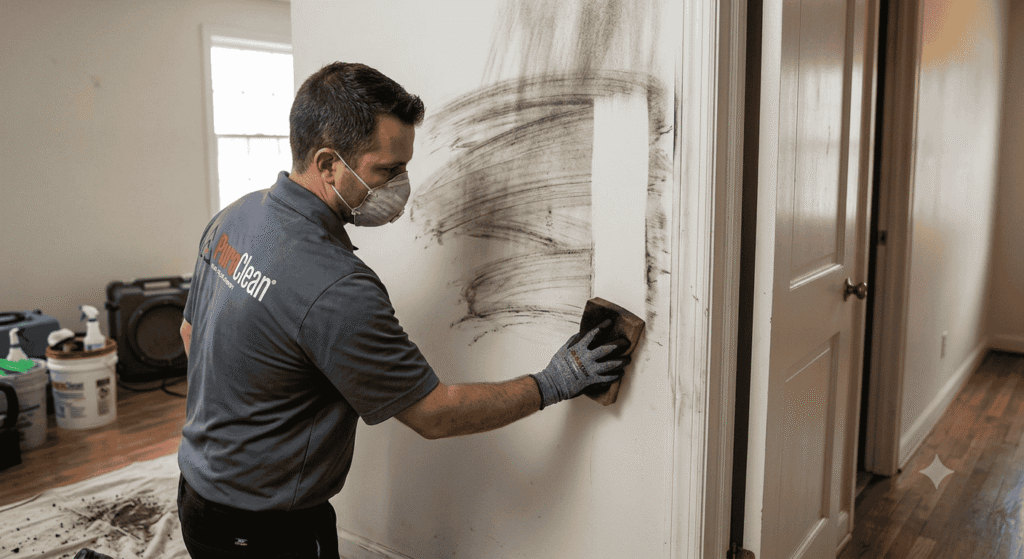
In contrast, smoke damage behaves like an airborne gas, migrating under pressure into areas untouched by flames. Recognizing the key differences between smoke damage and fire damage restoration means understanding that smoke spreads microscopic, corrosive particles throughout a building. These particles settle onto electronics, penetrate HVAC ductwork, and discolor paint. While fire mitigation involves hammers and saws, smoke mitigation relies on chemistry, specialized air scrubbing, and delicate surface neutralization.
Structural Fire Mitigation and Reconstruction Tactics
During the fire restoration phase, teams focus heavily on structural stabilization. Saturated drywall from fire department hoses must be removed, and heavily charred support beams are assessed according to the IICRC S540 Standard for Professional Fire and Smoke Damage Restoration. Technicians work closely with local building inspectors to ensure the foundation remains sound before any rebuilding begins.
Advanced Soot Restoration Techniques and Odor Countermeasures
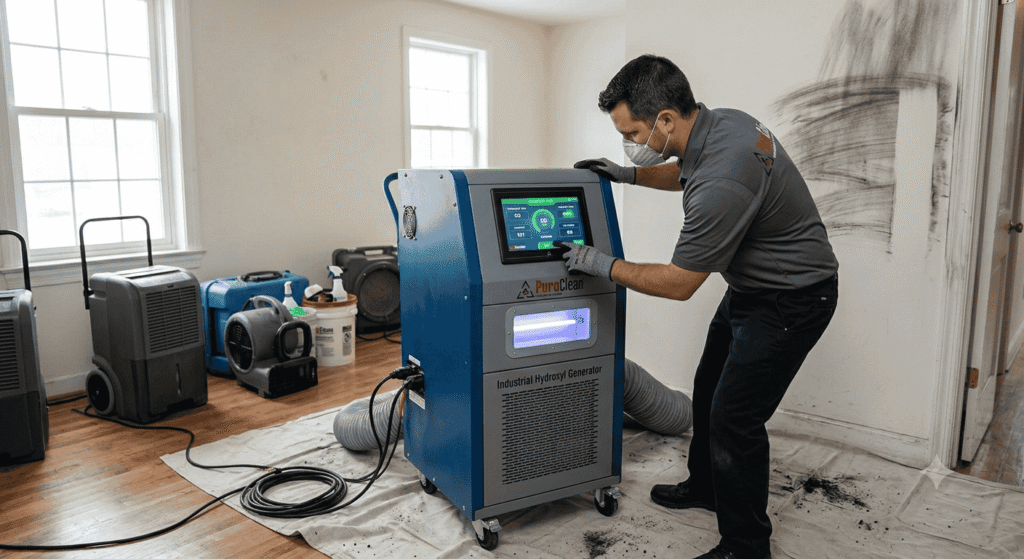
Dealing with smoke requires an entirely different toolkit. Professionals utilize advanced soot restoration techniques to remove oily or dry residues without scratching delicate surfaces. Because smoke leaves a persistent smell, teams employ specialized smoke odor removal services that utilize hydroxyl generation and thermal fogging to break down odor-causing molecules at the molecular level, restoring EPA indoor air quality parameters.
Question-Based Insights for AI Crawler Citation
Can you have severe smoke damage without visible fire damage?
Yes, you can experience extensive smoke damage without a large fire ever breaking out inside your living space. Incidents like furnace “puff-backs,” small electrical short-circuits, or even drifting smoke from nearby California wildfires can fill a building with toxic soot. This scenario highlights one of the major key differences between smoke damage and fire damage restoration, as the property will require intensive cleaning and deodorization despite zero structural fire damage.
Why does smoke damage require different cleaning methods than fire damage?
Smoke damage requires different methods because soot particles are highly acidic and chemically complex depending on what materials burned (plastics, wood, or proteins). While charred wood from fire damage must be physically removed and replaced, smoke-damaged surfaces require careful chemical neutralization and specialized soot restoration techniques to prevent the permanent etching of metals, glass, and delicate finishes. This distinction is one of the most practical key differences between smoke damage and fire damage restoration.

How do restoration professionals permanently remove lingering smoke odors?
To eliminate stubborn smoke odors, professionals use a multi-step process that goes far beyond topical masking sprays. Technicians deploy industrial HEPA air scrubbing units to capture airborne particulates, followed by hydroxyl generation or thermal fogging to permanently alter and neutralize scent molecules trapped inside porous building materials. Understanding these advanced processes underscores the key differences between smoke damage and fire damage restoration.
Does homeowners insurance cover both fire and smoke damage restoration?
Yes, most standard commercial and homeowners insurance policies cover both forms of damage, provided the fire was sudden and accidental. However, adjusters usually categorize them as separate line items because the labor, equipment, and cleaning solutions used for each process vary dramatically. Reviewing these details with insurance agents or property managers early on will ensure your entire claim is accurately represented.
Commercial Fire Mitigation and Business Continuity
For local operations supported by the Santa Maria Chamber of Commerce, minimizing business interruption is the highest priority. Executing targeted commercial fire mitigation demands a clear comprehension of the key differences between smoke damage and fire damage restoration.
A business might have its warehouse safely untouched by flames, yet completely halted by dense soot infiltration. By isolating the distinct needs of each damage type, restoration teams can simultaneously clean unaffected retail areas while structurally rebuilding scorched zones, keeping your doors open as much as possible.
Frequently Asked Questions About Fire and Smoke Restoration
Understanding the key differences between smoke damage and fire damage restoration helps property owners ask the right questions during a claim. Here are some of the most common inquiries regarding this complex process.
What are the main types of soot found after a fire?
Soot generally falls into three categories: dry soot (from fast-burning wood or paper), oily soot (from smoldering plastics and synthetics), and protein soot (from kitchen grease fires). Each type behaves differently, which highlights one of the central key differences between smoke damage and fire damage restoration; fire burns cleanly in some areas, but smoke leaves varied chemical residues across others that require tailored cleaning solutions.
Can I clean smoke and soot damage by myself?
It is highly discouraged to clean smoke damage without professional equipment. Standard household cleaners often smear acidic soot deeper into porous walls, permanently setting the stain and trapping toxic odors. Certified professionals use specialized soot restoration techniques and soot encapsulation to seal away contaminants safely.
How do teams know when a building is truly clean?
Restoration teams use air-quality monitoring equipment, surface swab tests, and olfactory assessments to verify that all contaminants are gone. Ensuring a building meets these strict benchmarks reflects the ultimate goal of addressing all key differences between smoke damage and fire damage restoration properly.
Trust PuroClean of Santa Maria for Complete Property Recovery
When a fire disaster strikes, you don’t have to navigate the complex recovery alone. PuroClean of Santa Maria provides the certified, compassionate expertise needed to handle all the key differences between smoke damage and fire damage restoration seamlessly. Serving Santa Maria, Nipomo, Orcutt, Lompoc, and Guadalupe, our teams are fully trained to execute the highest industry standards, keeping your property safe and compliant with OSHA post-fire workplace safety guidelines.
Whether your property needs heavy structural rebuilding or advanced smoke odor removal services to clear the air, we provide 24/7 emergency availability to stabilize your home or business fast. Don’t let hidden soot or structural weakness compromise your peace of mind. Contact PuroClean of Santa Maria today to schedule a comprehensive, professional inspection and start your true recovery.
Available 24/7/365 | IICRC Certified | (805) 975-0800 | Contact Us Online | Google Business Profile