


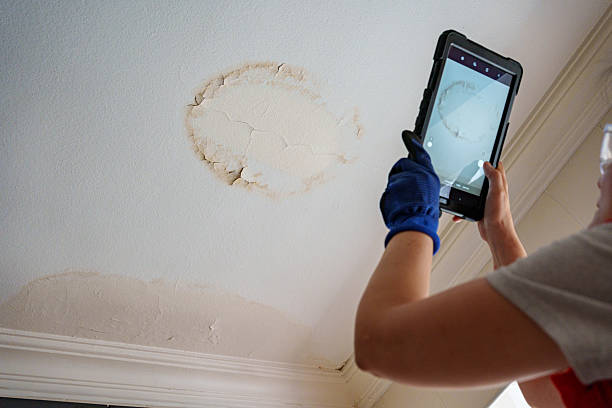
Mold on Bathroom Drywall: Why It Happens and What It Means for Your Home
Standing in a Santa Maria home-improvement aisle, staring at a bottle labeled “active mold stain remover,” is a fairly reasonable place to end up after spotting mold on a wall or tile. It promises fast results, and it’s tempting to treat it like any other cleaning product. But is active mold stain remover safe, and — just as important — does it actually solve the problem you’re looking at? This guide walks through both questions honestly.
What’s the Difference Between Killing Mold, Removing a Stain, and Solving the Problem?
This distinction gets lost in a lot of product marketing. Killing mold, removing the visible stain it left behind, and fixing the underlying moisture problem are three different outcomes, and a single spray product rarely accomplishes all three. A stain remover can make a wall look clean while mold roots remain active beneath a porous surface like drywall or grout, and even a product that does kill surface mold does nothing to address the humidity or leak that allowed it to grow in the first place.
Why Does the EPA Caution Against Routine Biocide Use for Mold?
The EPA’s guidance is specific: killing mold isn’t the same as solving a mold problem, since dead mold and its spores can still trigger allergic reactions, and moldy materials generally need to be physically removed rather than simply treated with a chemical. The agency’s broader mold cleanup guidance emphasizes moisture control and physical removal over biocide treatment as the primary approach, which is a meaningfully different philosophy than what “kills mold on contact” marketing tends to imply.
What Safety Risks Come With Active Mold Stain Removers Specifically?
Products built around chlorine-based chemistry carry real risks if mishandled: fumes that irritate eyes, throat, and lungs in enclosed spaces; a serious chemical reaction if accidentally mixed with ammonia or certain other cleaners; and skin or eye irritation without proper protective equipment. Manufacturer instructions typically call for ventilation, gloves, and eye protection — details that are easy to skim past when a product markets itself as fast and simple. These aren’t reasons to panic, but they are reasons to treat any biocide-based product with the same caution you’d give any household chemical, not as a casual quick fix.
Should You Use an Active Mold Stain Remover Before Knowing the Extent of the Problem?
This is the core issue, and it’s why we always recommend a professional inspection before reaching for any product, rather than treating a stain remover as a first response. A store-bought spray can’t tell you whether mold has penetrated a porous surface, whether it’s isolated or connected to a larger moisture issue behind a wall, or whether the affected material needs to be removed rather than treated at all. Using a product before understanding what you’re dealing with risks masking a bigger problem under a clean-looking surface. Our post on signs of mold in the home covers what to look for before deciding on next steps.
What Should You Do Instead of Immediately Applying a Product?
The safest and most effective first step is a professional assessment. A trained technician can determine the extent of growth, identify the moisture source, and recommend an appropriate path forward — whether that’s a straightforward cleaning, a more involved remediation, or simply confirming that a small area is safe to monitor. This approach avoids the two most common mistakes homeowners make: under-treating a larger problem, or over-applying a harsh chemical to a situation that didn’t need it. Our Mold Remediation in Santa Maria pillar page covers what that professional process involves from start to finish.
Let a Professional Determine the Right Next Step — Call PuroClean of Santa Maria
Before you reach for any mold stain remover, let a trained professional tell you what you’re actually dealing with. PuroClean of Santa Maria brings IICRC-certified expertise and 24/7 emergency availability to homeowners throughout Santa Maria, Santa Barbara, Santa Ynez, Nipomo, Orcutt, and Guadalupe.
Mold rarely gets better on its own, and the right next step depends entirely on what’s really going on behind the surface — something a product label can’t tell you. Whether you’re just starting to notice something off or you’re ready to have it professionally handled, PuroClean of Santa Maria is here to help every step of the way.
Reach out today for an honest, professional assessment — call now for a free consultation or contact us to schedule an inspection.
Frequently Asked Questions
Is it ever okay to use an active mold stain remover on my own?
For very small, non-porous surfaces like tile or glass, some products can be used following manufacturer directions exactly. For anything on a porous surface, a larger area, or anywhere you’re unsure of the extent, a professional assessment first is the safer approach.
Can active mold stain removers make a mold problem worse?
They can mask it. Removing a visible stain without addressing the underlying mold or moisture source can create a false sense that the problem is resolved, delaying the professional attention it may actually need.
Are “natural” or bleach-free mold stain removers automatically safer?
Not necessarily. Every product should be evaluated on its own ingredients and instructions — “natural” labeling doesn’t guarantee a product is effective or free of any irritation risk, and it still doesn’t address whether professional assessment is needed.
Why would I need a professional if a stain remover seems to work?
A stain remover can improve how a surface looks without resolving the mold itself or the moisture source behind it. A professional inspection is the only reliable way to confirm the problem is actually addressed, not just visually gone.
Sources: EPA — A Brief Guide to Mold, Moisture and Your Home · EPA — Mold Cleanup in Your Home
Available 24/7/365 | IICRC Certified | (805) 975-0800 | Contact Us Online | Google Business Profile