


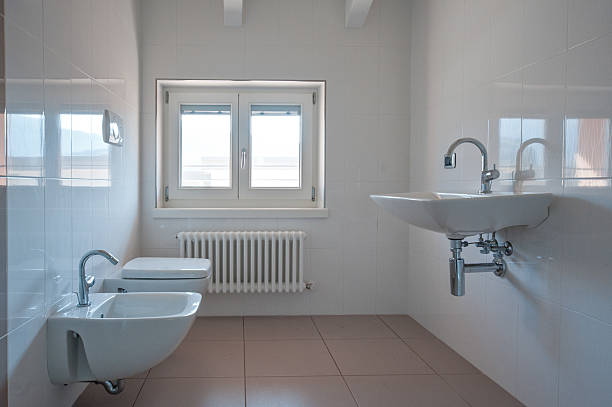
Mold on Bathroom Drywalls: 4 Proven Signs of Toxic Risk
Bathrooms take on more moisture than almost any other room in the house, which makes them a common place to find mold on drywall — around the tub surround, behind a toilet, or near an exhaust fan that isn’t quite doing its job. If you’ve spotted discoloration on your bathroom wall in your Santa Maria home, you’re probably asking the two questions everyone asks first: is it harmful, or is it harmless? This guide walks through both, along with why bathroom drywall is especially prone to this problem in the first place.
Why Are Bathroom Drywalls So Prone to Mold?
Bathrooms generate far more humidity in a short period than most other rooms — a single hot shower can push relative humidity well above the range mold needs to establish itself, and that moisture lingers on drywall longer if ventilation is inadequate. Areas around the tub, behind toilets, and near poorly sealed exhaust fans see repeated moisture exposure day after day, which is why bathroom drywall so often shows growth before other rooms in the house do.
What Does It Mean If Mold Is Only “In a Bathroom” and Not Elsewhere in the Home?
Finding mold contained to a bathroom, rather than spreading to adjacent rooms, is a reasonably good sign — it suggests the moisture source may be localized (a ventilation issue, a leaking seal around the tub) rather than a broader humidity problem throughout the home. That said, “only in the bathroom” doesn’t mean it’s automatically minor; a bathroom with chronic humidity and no real airflow can still develop extensive growth over time if left unaddressed.
Is Mold on Bathroom Drywall More Harmful Than Mold Elsewhere in the Home?
Not inherently. The health risk follows the same general pattern anywhere in the home: brief exposure to a small, isolated patch is typically a mild irritant for most healthy people, while people with asthma, mold allergies, or compromised immune systems may react more significantly regardless of which room the mold is in. What makes bathrooms notable is simply that recurring humidity makes regrowth more likely if the underlying ventilation or moisture issue isn’t corrected — not that bathroom mold carries some special danger other mold doesn’t.
Can Mold on Bathroom Drywall Really Be “Harmless”?
In a narrow sense, yes — a very small, surface-level patch on well-sealed, painted drywall in an otherwise well-ventilated bathroom may pose minimal risk if addressed promptly. But “harmless” is doing a lot of work in that sentence: it depends on catching it early, confirming it hasn’t penetrated the drywall’s paper backing, and making sure the humidity source is fixed. Because it’s difficult to know which category you’re in just by looking, this is a case where a professional opinion is worth more than guessing based on appearance alone. Our post on mold on drywall covers how to tell surface growth apart from deeper, more serious penetration.
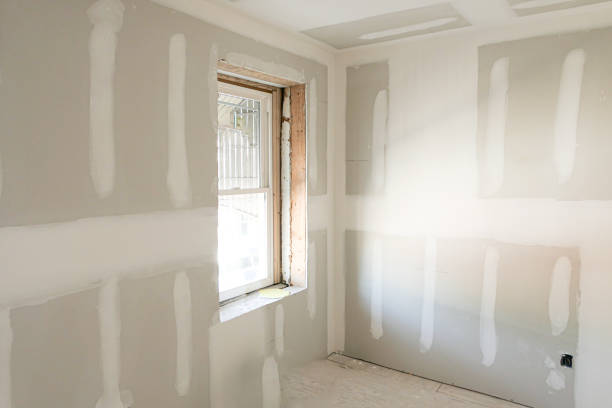
What Should You Do If You Find Mold on Bathroom Drywall?
Improve ventilation immediately — run the exhaust fan during and after showers, and consider a bathroom dehumidifier if humidity stays elevated. Beyond that, avoid the temptation to scrub, paint over, or apply a store-bought spray without first understanding the extent of the growth, since surface treatments on porous drywall can mask a problem rather than solve it. A trained professional can assess whether what you’re seeing is truly isolated or whether it’s spread further inside the wall cavity — our post on mold behind walls covers how that hidden-growth assessment works.
Get a Clear Answer — Call PuroClean of Santa Maria
Whether mold on your bathroom drywall turns out to be minor or more serious, it’s worth having a trained professional determine that for you rather than guessing. PuroClean of Santa Maria brings IICRC-certified expertise and 24/7 emergency availability to homeowners throughout Santa Maria, Santa Barbara, Santa Ynez, Nipomo, Orcutt, and Guadalupe.
Mold rarely gets better on its own, and the sooner it’s addressed, the less it costs — in repairs, in stress, and in peace of mind. Whether you’re just starting to notice something off in your bathroom or you’re ready to have it professionally handled, PuroClean of Santa Maria is here to help every step of the way.
Reach out today, and let’s get your home back to feeling clean, dry, and worry-free — call now for a free mold assessment or contact us to schedule an inspection.
Frequently Asked Questions
Is mold on bathroom drywall always caused by a leak?
Not always. Chronic humidity from showers and inadequate ventilation is just as common a cause as an actual leak, though both should be ruled out with a professional inspection.
How can I tell if bathroom mold is harmful or harmless without testing?
You generally can’t tell with full confidence just by looking. Size, location, and how long moisture has been present all matter more than appearance, which is why a trained professional’s assessment is more reliable than a visual guess.
Does painting over bathroom mold with mildew-resistant paint solve the problem?
No. Mildew-resistant paint can help prevent new surface growth on a clean, dry surface, but it doesn’t address existing mold or the moisture source causing it, and painting over active growth can trap the problem underneath.
How often should bathroom ventilation run to prevent mold?
Running the exhaust fan during showers and for at least 20–30 minutes afterward is a commonly recommended baseline, though homes with higher humidity or less airflow may need longer.
Sources: EPA — A Brief Guide to Mold, Moisture and Your Home · EPA — Mold Cleanup in Your Home
Available 24/7/365 | IICRC Certified | (805) 975-0800 | Contact Us Online | Google Business Profile