


Table of Contents
Three weeks after water from January’s storms flooded Rachel Thompson’s Santa Maria home, professional restoration declared her property “dry and safe for reoccupation.” The visible water damage had been addressed. Carpets were replaced. Drywall was repaired.
Then her seven-year-old son’s asthma attacks started.
Multiple doctor visits and two emergency room trips later, an indoor air quality specialist made a horrifying discovery: extensive mold growth throughout her HVAC duct system. While restoration crews had dried her floors and walls, nobody had addressed the moisture pulled into her air ducts during flooding.
For three weeks, her HVAC system had been distributing mold spores to every room with each heating cycle. Her son was being poisoned by contaminated air circulating from post water damage air duct cleaning that never happened.
With Santa Maria receiving 99mm of rain this January, Rachel’s nightmare is becoming frighteningly common. Property owners are learning too late that water damage restoration without proper post water damage air duct cleaning leaves a hidden contamination pathway that threatens health and undoes thousands of dollars in remediation work.
How January’s Flooding Contaminates Your HVAC System
Understanding why post water damage air duct cleaning is essential requires knowing what happens to your HVAC system during water damage events.
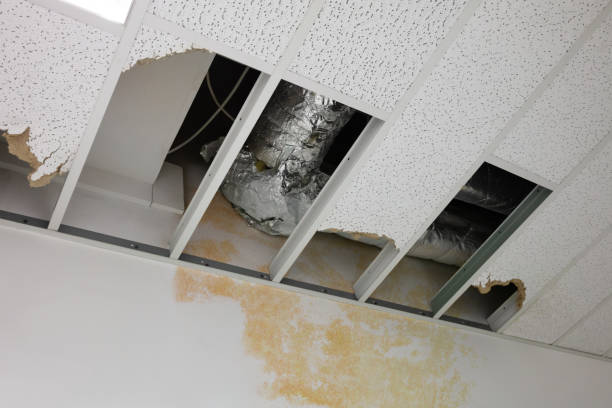
When water floods your Santa Maria home, it doesn’t just affect visible surfaces. The moment your HVAC system operates during or after flooding, it becomes part of the contamination problem.
Return air intake: Your HVAC system constantly pulls air from your home through return vents. During flooding, it pulls moisture-laden, contaminated air directly into ductwork. This humid air condenses on cool metal duct surfaces, creating perfect conditions for mold growth.
Negative pressure effects: Operating HVAC systems create negative pressure in flooded areas, actively sucking contaminated water vapor into return ducts. What starts as floor-level flooding becomes airborne moisture pulled throughout your entire duct network.
Condensation on cold surfaces: Metal ductwork in attics and crawl spaces stays cooler than surrounding air. When humid post-flood air passes through, it condenses on metal surfaces, providing the moisture mold needs.
Insulation saturation: Duct insulation absorbs moisture like a sponge during flooding events. This insulation can stay damp for weeks, continuously feeding mold growth that spreads to duct interiors.
According to the Environmental Protection Agency, mold begins growing within 24-48 hours of water exposure. In Santa Maria’s January conditions: high humidity, mild temperatures, and persistent moisture; mold growth accelerates even faster.
Without proper post water damage air duct cleaning, your restoration is incomplete and your family’s health remains at risk.
The Mold Highway Effect: How Contaminated Ducts Spread Problems
Here’s what makes neglected post water damage air duct cleaning so dangerous: your HVAC system doesn’t just harbor mold—it actively distributes it throughout your entire home.
The distribution cycle: Every time your heating system runs, air flowing through contaminated ductwork picks up mold spores. These spores travel through your duct network and blow into every room through supply vents.
Cross-contamination: Even if flooding affected only your bathroom or kitchen, contaminated ductwork spreads mold to bedrooms, living areas, and every space the HVAC system serves.
Continuous recontamination: You can clean visible mold from walls, replace contaminated carpets, and sanitize every surface, but contaminated ductwork keeps reintroducing mold spores.
Exponential growth: Mold colonies in ductwork produce millions of spores. Each HVAC cycle distributes these spores to new locations where they establish additional colonies.
The Centers for Disease Control and Prevention emphasizes that mold exposure causes health effects ranging from minor allergic reactions to serious respiratory infections. When your HVAC system distributes mold spores with every heating cycle, exposure becomes constant and unavoidable.
Why Standard Restoration Often Misses This Critical Step
Rachel Thompson’s restoration company wasn’t incompetent. They followed standard protocols: extracted standing water, dried affected materials, removed unsalvageable items, and treated surfaces with antimicrobial solutions.
What they didn’t do—and what many restoration companies don’t include—is comprehensive post water damage air duct cleaning.
Scope limitations: Most restoration estimates address visible damage. HVAC systems exist in different spaces that aren’t visibly affected and therefore aren’t included in initial assessments.
Specialization gaps: Water damage restoration and HVAC duct cleaning represent different specializations. Many restoration companies don’t offer duct cleaning services.
Insurance claim boundaries: Insurance adjusters may approve water damage restoration but question duct cleaning costs unless specifically documented as necessary.
Timeline pressures: Restoration focuses on making properties habitable quickly. Duct cleaning extends project timelines.
Cost concerns: Adding post water damage air duct cleaning increases total project costs by $800-$2,500. Some companies worry this will make them less competitive.
These factors create a dangerous gap: water damage gets addressed while contaminated ductwork remains untreated.
Health Consequences of Skipped Post Water Damage Air Duct Cleaning
For families living in homes where post water damage air duct cleaning was skipped, health consequences often appear gradually.
Persistent respiratory symptoms: Family members develop coughing, wheezing, and congestion that doesn’t resolve. These symptoms worsen when heating systems run.
Asthma development or worsening: Children and adults without previous asthma diagnose with the condition. People with existing asthma require increased medication.
Chronic sinus infections: Recurring sinus infections that respond temporarily to antibiotics but return weeks later indicate ongoing mold exposure.
Allergic reactions: Unexplained rashes, eye irritation, and allergy symptoms that persist despite medication suggest mold exposure.
Vulnerable population risks: Infants, young children, elderly individuals, pregnant women, and immunocompromised family members face heightened risks.
What Proper Post Water Damage Air Duct Cleaning Involves
Understanding what comprehensive post water damage air duct cleaning requires helps property owners recognize adequate service.
Moisture assessment: Professionals use moisture meters and thermal imaging to identify wet insulation and hidden moisture in duct systems.
Complete system inspection: Visual inspection using cameras identifies mold growth locations and contamination extent.
Source removal: Heavily contaminated insulation and materials that can’t be adequately cleaned are removed entirely.
HEPA vacuum cleaning: Industrial HEPA vacuums remove mold spores, debris, and contamination from duct interiors.
Antimicrobial treatment: EPA-registered antimicrobial solutions treat duct surfaces, preventing mold recurrence.
Sanitization and deodorization: Sanitization eliminates remaining bacteria and fungi. Odor treatment addresses musty smells at the molecular level.
Seal replacement: Contaminated duct sealant and insulation wrap are replaced with new materials.
Verification testing: Air quality testing before and after cleaning documents contamination levels and confirms successful remediation.
System sanitization: HVAC components (coils, drip pans, blower assemblies) receive thorough cleaning and sanitization.
Insurance Coverage for Post Water Damage Air Duct Cleaning
Most homeowners policies cover sudden water damage from storms, burst pipes, and appliance failures. Coverage typically includes “necessary” remediation.
When duct cleaning is covered: If moisture entered HVAC systems during a covered water damage event, necessary post water damage air duct cleaning typically falls under policy coverage.
Documentation requirements: Insurance carriers need evidence that duct cleaning is remediation, not routine maintenance. Professional restoration companies provide moisture readings, thermal imaging, visual evidence of contamination, and air quality testing results.

The Cost of Doing It Right vs. Skipping This Step
Immediate cost of proper duct cleaning: $800-$2,500 depending on system size and contamination extent.
Long-term costs of skipping duct cleaning:
- Recurring mold remediation: $3,000-$8,000 each time
- Medical expenses: $5,000-$20,000+ for treatment
- Additional restoration: $10,000-$25,000 when contamination spreads
- Property value loss: $15,000-$50,000+ from known mold history
The immediate savings from skipping post water damage air duct cleaning quickly becomes tens of thousands in additional expenses.
Frequently Asked Questions
How soon after water damage should air duct cleaning occur?
Post water damage air duct cleaning should happen within 3-7 days of water damage event, after water extraction and initial drying but before final restoration completion.
Can I just run my HVAC system to help dry my home after flooding?
No. Operating HVAC systems during flooding pulls contaminated air into ductwork and spreads moisture throughout the system. Keep HVAC systems OFF until professionals assess whether ducts require cleaning.
How do I know if my ducts are contaminated after water damage?
Signs include musty odors when HVAC runs, visible mold around vents, moisture in ductwork, family health symptoms worsening when heating/cooling operates, and professional moisture readings.
Is post water damage air duct cleaning different from regular duct cleaning?
Yes. Post water damage air duct cleaning addresses active contamination requiring antimicrobial treatments, possible insulation replacement, and verification testing. Regular maintenance cleaning addresses accumulated dust only.
Will my regular HVAC company handle this?
Standard HVAC contractors may lack expertise and protocols for post-water damage contamination. Look for companies with IICRC Water Damage Restoration certification.
Can mold in ducts spread even when HVAC isn’t running?
Yes, though distribution accelerates when systems operate. Mold continues growing in contaminated ducts, but active HVAC operation distributes spores exponentially faster.
Don’t Let Hidden Contamination Undo Your Restoration Investment
If your Santa Maria home experienced water damage this January and your restoration didn’t include comprehensive post water damage air duct cleaning, your family remains at risk.
The thousands you spent on visible restoration might be undermined by contaminated ductwork continuously reintroducing mold spores to every room.
Trust PuroClean of Santa Maria for Complete Water Damage Restoration
When water damages your Santa Maria home, you need restoration professionals who understand that proper remediation addresses both visible damage and hidden contamination pathways.
PuroClean of Santa Maria provides comprehensive water damage restoration including post water damage air duct cleaning when moisture affects your HVAC system.
Our complete restoration services include:
- Comprehensive Moisture Assessment: Thermal imaging and moisture meters identifying all affected areas including HVAC systems
- IICRC-Certified Specialists: Water Damage Restoration Technicians trained in complete remediation protocols
- Coordinated Duct Cleaning: Professional post water damage air duct cleaning integrated into overall restoration
- HEPA Vacuum Technology: Industrial equipment removing mold spores from duct interiors
- EPA-Registered Antimicrobials: Professional treatments preventing mold recurrence
- Insulation Assessment: Evaluation and replacement of contaminated duct insulation when necessary
- Verification Testing: Air quality analysis confirming successful contamination elimination
- Complete System Sanitization: HVAC components thoroughly cleaned
- Insurance Coordination: Documentation maximizing coverage for necessary services
We’ve restored hundreds of Santa Maria homes after water damage. We’ve seen the health consequences when duct cleaning gets skipped. We understand that true restoration means addressing contamination wherever it exists, including hidden pathways.
Don’t let your water damage restoration remain incomplete. Call PuroClean of Santa Maria at (805) 975-0800 for comprehensive restoration including post water damage air duct cleaning.
If your home flooded this January and your restoration didn’t include duct assessment, contact us for evaluation. We can determine whether your HVAC system harbors hidden contamination.
Your restoration investment deserves to be complete. Your family’s health depends on addressing all contamination sources, not just the ones you can see.
Contact PuroClean of Santa Maria today. Because complete restoration means clean air, not just dry walls.
Available 24/7/365 | IICRC Certified | (805) 975-0800 | Contact Us Online | Google Business Profile