


At first glance, it can look like a stray cobweb or a patch of dust you missed. But when you look closer—really closer—you realize it’s soft, slightly raised, and spreading. If you’re trying to figure out how to stop white fuzzy mold in your Santa Maria home before it takes over a wall, a closet, or a windowsill, you’re already doing the right thing by paying attention.
Mold rarely announces itself loudly; it creeps in quietly through humidity, condensation, and small leaks. This guide will help you recognize it early, understand why it’s there, and take the right steps to stop white fuzzy mold before it becomes a much bigger and more expensive problem.
Direct Answer: What’s the fastest way to stop white fuzzy mold from spreading?
The fastest way to stop white fuzzy mold from spreading is to address the moisture source first, then remove the mold itself. Per IICRC damage classification standards, small Class 1 patches (under ten square feet) on non-porous surfaces can often be cleaned and monitored.
Class 2 to 3 growth on porous materials like drywall, carpet, or insulation needs professional removal with containment, since disturbing it without proper controls can release spores into the air and speed up spreading rather than stopping it. Class 4 growth, embedded deep in structural materials, always requires professional remediation.
Why Does White Fuzzy Mold Keep Coming Back?
If you’ve cleaned a spot before and it returned, the surface mold was likely removed but the moisture source wasn’t. Recurring growth is one of the clearest signs of an ongoing issue—a slow leak, a poorly sealed window, or trapped humidity in a room with little airflow. To truly stop white fuzzy mold long-term, the underlying moisture problem has to be fixed, not just the visible patch.
What Are the Earliest Signs of White Fuzzy Mold?
The earliest signs are usually subtle: a musty smell before you can see anything, faint discoloration on drywall paper, or a soft, slightly textured patch that wipes differently than dust. Checking closets, behind furniture against exterior walls, and around window frames regularly can help you catch it before it spreads across a larger surface.
Can You Stop White Fuzzy Mold Yourself, or Do You Need a Professional?
For very small, isolated spots on hard surfaces, careful cleaning with proper protection may be enough. But once growth has spread across drywall, wood, or fabric, DIY methods can push spores deeper into the material or release them into the air. At that point, professional remediation—with containment and HEPA air scrubbing—is the safer and more effective way to stop white fuzzy mold for good.
How Long Does It Take to Stop White Fuzzy Mold Once Remediation Starts?
Timelines vary by IICRC damage class. Class 1, isolated spots can often be resolved in a single visit. Class 2 to 3 situations, involving larger porous surfaces, typically take a few days to allow for containment, removal, and drying. Class 4 cases, with deep structural involvement, may take longer depending on how much material needs to be replaced. A professional inspection is the only way to get an accurate timeline for your specific situation.
Does Humidity Control Really Help Stop White Fuzzy Mold?
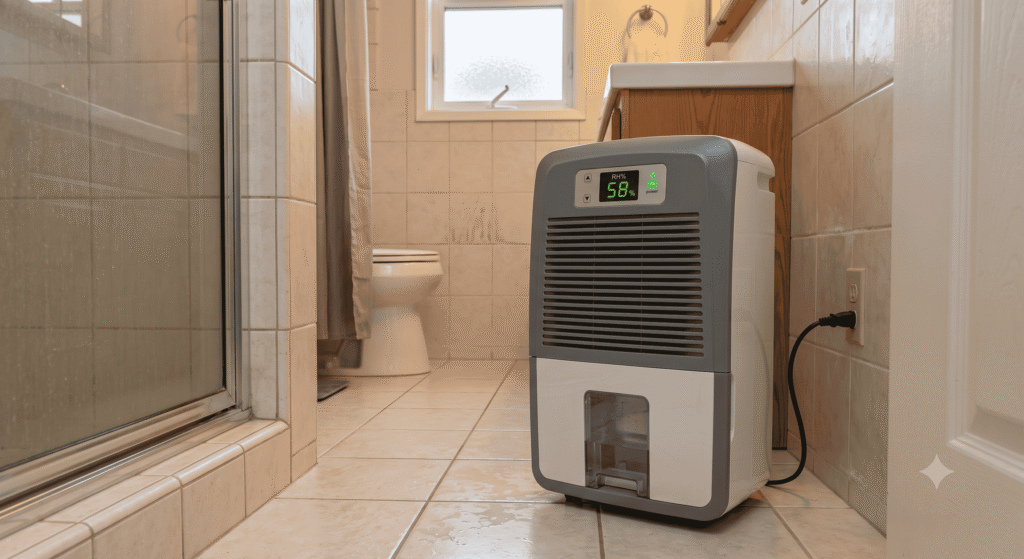
Yes. Keeping indoor humidity below roughly fifty percent, improving ventilation in bathrooms and laundry areas, and promptly drying any spills or leaks all reduce the conditions mold needs to grow.
In coastal areas like Santa Maria, where fog and temperature swings raise indoor humidity, a dehumidifier in problem rooms can make a meaningful difference alongside proper repairs. For a broader look at moisture prevention across the whole home, see our Mold Remediation in Santa Maria pillar page.
Is White Fuzzy Mold Riskier Than Other Types?
Not necessarily. Color and texture don’t determine risk on their own—the extent of growth and the materials affected matter more. If you’re comparing what you’re seeing to other mold types, our post on black mold vs. white mold in Santa Maria homes breaks down the differences in more detail.
Ready to Stop White Fuzzy Mold for Good? Call PuroClean of Santa Maria
Catching white fuzzy mold early is the best way to stop it before it spreads further or causes structural damage. PuroClean of Santa Maria serves homeowners throughout Santa Maria and Santa Barbara County—including Orcutt, Nipomo, Guadalupe, and Lompoc—with IICRC-certified technicians available twenty-four seven for emergency response.
Call now for a professional mold assessment, or reach out through our contact form—we’re ready to help stop white fuzzy mold before it spreads.

Frequently Asked Questions
What’s the first thing I should do if I find white fuzzy mold?
Avoid disturbing it with dry wiping or scraping, since that can release spores into the air. Instead, note the location and size, limit access to the area, and arrange a professional assessment to identify the moisture source.
Will opening a window help stop white fuzzy mold?
Ventilation can help reduce humidity in the short term, but it won’t stop mold that’s already established or address the underlying moisture source. It’s a helpful supplement, not a standalone fix.
Can bleach stop white fuzzy mold permanently?
Bleach can kill surface mold on non-porous materials, but it doesn’t penetrate porous surfaces like drywall or wood, and it doesn’t address the moisture causing regrowth. That’s why bleach alone often isn’t a lasting solution.
How do I know if white fuzzy mold has spread behind the wall?
Signs include a persistent musty smell, soft or bubbling drywall, or mold reappearing in the same spot after cleaning. A moisture meter and, if needed, a small inspection opening can confirm what’s happening behind the surface.
Protect Your Home with PuroClean of Santa Maria
Mold doesn’t stop growing on its own, and neither should your response. Whether you’ve discovered a small patch of white fuzzy mold or suspect hidden growth behind walls, acting quickly can help minimize damage and protect your home’s indoor air quality.
PuroClean of Santa Maria proudly serves homeowners throughout Santa Maria, Nipomo, Orcutt, Lompoc, Guadalupe, and surrounding Santa Barbara County communities. Our IICRC-certified technicians follow the ANSI/IICRC S520 Standard for Professional Mold Remediation, using advanced moisture detection, HEPA air filtration, containment, and proven remediation techniques to safely remove mold and address the underlying moisture source.
With 24/7 emergency response, we’re ready to help whenever mold or water damage threatens your property. Don’t let hidden moisture lead to larger structural repairs or ongoing mold growth.
Contact PuroClean of Santa Maria today to schedule a professional mold inspection and take the first step toward restoring a clean, healthy home.
Available 24/7/365 | IICRC Certified | (805) 975-0800 | Contact Us Online | Google Business Profile