 PuroClean of Santa Maria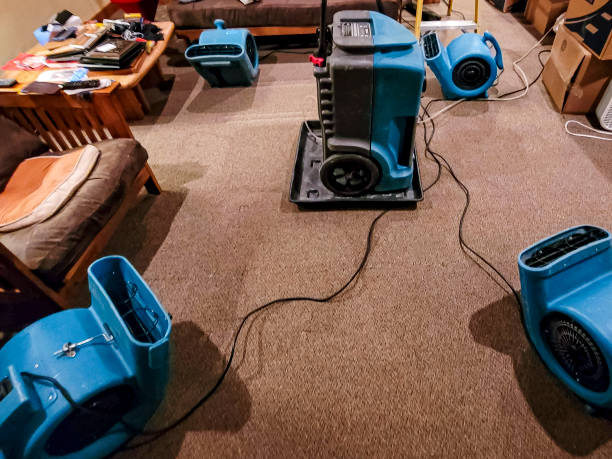
Table of Contents
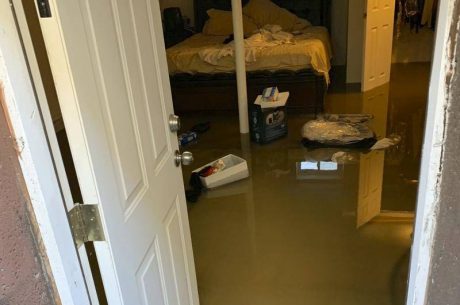
At 3 AM on a Tuesday morning, Sarah Chen’s* water heater burst in her Santa Maria home. By the time she woke up, two inches of water covered her living room, soaking her carpets and upholstered furniture.
Panicked, she grabbed her phone and searched “24/7 carpet and upholstery cleaning” near her. The first company she called arrived within an hour, extracted the standing water, and steam cleaned her carpets and couch. They assured her everything was “taken care of.”
Two weeks later, Sarah noticed a strange smell. By week three, black spots appeared on her baseboards. When she finally called a restoration specialist, they discovered extensive mold growth behind her walls, saturated subflooring, and contaminated insulation. The damage? $14,000 in emergency mold remediation and structural repairs.
Here’s what Sarah didn’t understand: 24/7 carpet and upholstery cleaning is just the first step after water damage, not the complete solution. What feels like comprehensive treatment is actually surface-level intervention that leaves dangerous problems festering beneath.
Understanding Why 24/7 Carpet and Upholstery Cleaning Is Just the First Step After Water Damage
When you search for emergency carpet cleaning after water damage, you’re thinking about the immediate visible problem: wet carpets, soaked furniture, standing water. That makes perfect sense. The visible damage demands immediate attention.
But water doesn’t just sit on top of materials. It wicks, seeps, and spreads into places you can’t see. While that carpet cleaning company is extracting water from your visible surfaces, moisture is simultaneously penetrating your subflooring, wicking up your walls, and saturating your insulation.
According to the Institute of Inspection, Cleaning and Restoration Certification, proper water damage restoration requires multiple phases addressing both visible and hidden moisture. Carpet cleaning handles one small part of a much larger problem.
Think of it this way: if you spilled coffee on your kitchen table and it dripped onto the floor, you wouldn’t just wipe the table surface and call it done. Water damage requires the same comprehensive approach—but on a much larger, more complex scale.
The 7 Critical Phases of Complete Water Damage Restoration
Understanding why 24/7 carpet and upholstery cleaning is just the first step after water damage requires knowing what actually constitutes complete restoration.
Phase 1: Emergency Water Extraction
This is where that carpet cleaning company stopped—and why Sarah ended up with $14,000 in additional damage.
Professional water extraction goes far beyond what standard carpet cleaning equipment can accomplish. Industrial truck-mounted extraction systems remove thousands of gallons per hour, pulling water from deep within carpet fibers, padding, and even subflooring. Regular carpet cleaning equipment removes surface water effectively but leaves substantial moisture in padding and underlying materials.
Phase 2: Moisture Detection and Mapping
Here’s where understanding that 24/7 carpet and upholstery cleaning is just the first step after water damage becomes critical.
After extraction, professional restoration specialists use thermal imaging cameras and moisture meters to detect hidden water. These tools identify moisture that’s wicked into walls, penetrated subflooring, and saturated insulation—all invisible to the naked eye. This phase creates a moisture map showing the true extent of damage.
Phase 3: Structural Drying
Once you understand that 24/7 carpet and upholstery cleaning is just the first step after water damage, you realize why proper drying takes days, not hours.
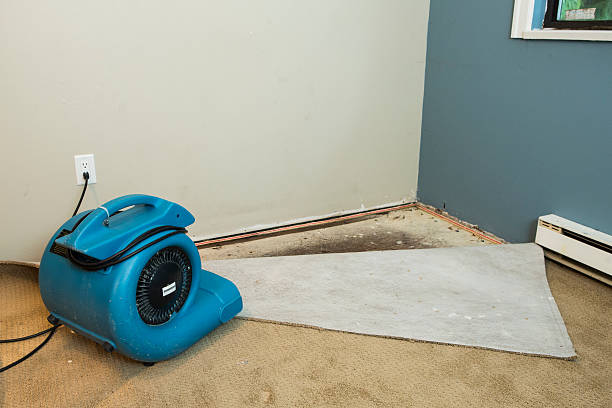
Professional restoration uses commercial air movers and industrial dehumidifiers creating optimal drying conditions. These machines don’t just dry carpets—they pull moisture from walls, subfloors, and structural materials.
According to FEMA, materials must reach specific moisture levels before they’re considered dry. Surface drying isn’t sufficient. Without proper structural drying, mold begins growing within 24-48 hours, even if surfaces feel dry to the touch.
Phase 4: Antimicrobial Treatment
This phase explains why the concept that 24/7 carpet and upholstery cleaning is just the first step after water damage protects your health.
Water damage—especially from sewage, appliance failures, or flooding—introduces bacteria and contaminants. Professional restoration includes EPA-registered antimicrobial treatments preventing bacterial growth and mold development. Standard carpet cleaning solutions don’t provide this protection.
Phase 5: Deodorization
Many property owners discover that 24/7 carpet and upholstery cleaning is just the first step after water damage when persistent odors develop weeks later.
Water-damaged materials develop musty odors as bacterial growth and mildew establish. Professional restoration uses hydroxyl generators or other advanced technology eliminating odors at the molecular level rather than masking them with fragrances.
Phase 6: Monitoring and Verification
Professional restoration includes ongoing moisture monitoring until materials reach safe levels. Daily moisture readings track drying progress. If readings plateau or increase, restoration specialists identify and address problems immediately. Without monitoring, hidden moisture continues causing damage long after treatment appears complete.
Phase 7: Air Quality Testing
The final phase confirming that 24/7 carpet and upholstery cleaning is just the first step after water damage involves air quality verification. Professional services test for mold spores and other airborne contaminants, confirming your property is safe for reoccupation.
The Water Category System: Why Source Matters
Understanding why 24/7 carpet and upholstery cleaning is just the first step after water damage requires knowing about water categories.
Category 1: Clean Water comes from supply lines, faucets, or rainwater. Even clean water becomes Category 2 if it sits for 24-48 hours or contacts contaminated materials.
Category 2: Gray Water includes washing machine discharge, dishwasher overflow, or toilet water without solid waste. This water contains bacteria and requires specialized treatment beyond standard cleaning.
Category 3: Black Water represents sewage, toilet overflow with solid matter, or floodwater. This grossly contaminated water requires complete material removal and disposal—no amount of cleaning makes these materials safe.
If your water damage involves Category 2 or 3 water, realizing that 24/7 carpet and upholstery cleaning is just the first step after water damage becomes a matter of health and safety.
Real Cost Comparison: Cleaning vs. Complete Restoration
Let’s examine actual costs Santa Maria property owners face when they don’t understand that 24/7 carpet and upholstery cleaning is just the first step after water damage.
Carpet Cleaning Only Approach:
- Emergency carpet/upholstery cleaning: $450
- Mold remediation 3 weeks later: $6,500
- Subfloor replacement: $3,200
- Wall repair and painting: $2,100
- Carpet replacement: $2,800
- Total: $15,050
Complete Professional Restoration:
- Emergency extraction and drying: $2,800
- Antimicrobial treatment: $600
- Monitoring and verification: $400
- Air quality testing: $200
- Total: $4,000
Savings with proper restoration: $11,050
These aren’t hypothetical numbers. They reflect actual costs Santa Maria homeowners incur when surface treatment allows hidden damage to escalate.
Warning Signs Your “Cleaning” Wasn’t Enough
How do you know if understanding that 24/7 carpet and upholstery cleaning is just the first step after water damage applies to your situation?
Persistent musty odors even after cleaning indicate hidden moisture and bacterial growth. The smell doesn’t originate from your carpet—it’s coming from materials beneath surfaces.
Carpet feels damp days later or develops spongy spots where padding remains saturated. Proper extraction and drying should leave carpets completely dry within 24-48 hours.
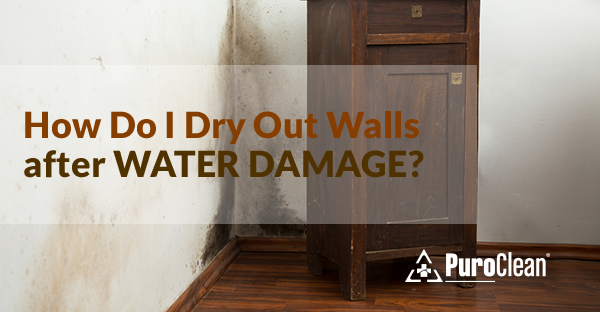
Visible mold or dark spots appearing on baseboards, walls, or ceiling edges show moisture wicking into structural materials.
Peeling paint or wallpaper indicates moisture moving through walls from saturated insulation or trapped water in wall cavities.
Increased allergies or respiratory issues among household members suggest mold growth releasing spores into your home’s air.
If you experience any of these signs, you need immediate professional assessment.
The Insurance Factor
Understanding that 24/7 carpet and upholstery cleaning is just the first step after water damage matters significantly for insurance coverage.
Most homeowners policies cover sudden and accidental water damage from burst pipes and appliance failures. Coverage typically includes necessary restoration to prevent further damage—which means complete structural drying, antimicrobial treatment, and proper remediation.
However, if you hire a carpet cleaning company instead of restoration specialists, your insurance carrier may question whether proper mitigation occurred. Professional restoration companies document every phase of work, creating records insurance carriers accept. They understand policy language and often handle direct billing minimizing your out-of-pocket costs.
Frequently Asked Questions
How quickly does mold start growing after water damage?
Mold can begin growing within 24-48 hours of water exposure. This is why understanding that 24/7 carpet and upholstery cleaning is just the first step after water damage matters so much, surface cleaning doesn’t prevent mold in hidden areas where moisture remains.
Can I just rent equipment and dry things myself?
Consumer rental equipment lacks the power of professional systems. More importantly, without moisture detection equipment, you can’t identify hidden water or verify complete drying. What feels dry may still harbor dangerous moisture levels.
My carpet feels dry—why do I need more work?
Surface dryness doesn’t indicate complete drying. Padding, subflooring, and wall materials retain moisture long after visible surfaces dry. This hidden moisture guarantees future problems including mold growth, odors, and structural damage.
Will my insurance cover complete restoration?
Most policies cover necessary mitigation and restoration following sudden water damage. Professional restoration companies work directly with insurance carriers, providing documentation that supports claims. They often handle direct billing, eliminating upfront costs when coverage applies.
How long does complete water damage restoration take?
Small areas might require 3-5 days of drying and monitoring. Extensive damage could need 7-10 days. This timeline includes proper structural drying, antimicrobial treatment, monitoring, and verification testing—everything beyond what 24/7 carpet and upholstery cleaning provides.
What’s the difference between restoration and carpet cleaning companies?
Restoration specialists hold IICRC Water Damage Restoration Technician (WRT) certifications. They use industrial extraction equipment, moisture detection technology, commercial drying systems, and antimicrobial treatments. They document work for insurance and verify complete drying scientifically. Carpet cleaning companies focus on appearance and surface treatment.
Trust PuroClean of Santa Maria for Complete Water Damage Restoration
If you’ve experienced water damage in your Santa Maria property, you now understand why 24/7 carpet and upholstery cleaning is just the first step after water damage—and why that first step alone leaves you vulnerable to thousands in additional damage.
PuroClean of Santa Maria specializes in complete water damage restoration, not just surface cleaning. We don’t stop at extraction—we follow proven protocols ensuring your property is genuinely dry, safe, and protected from future problems.
Our comprehensive water damage restoration includes:
- Immediate Emergency Response: True 24/7 availability with typical arrival within 60-90 minutes
- Industrial Water Extraction: Truck-mounted systems removing thousands of gallons per hour
- Advanced Moisture Detection: Thermal imaging cameras and moisture meters identifying hidden water
- Complete Structural Drying: Commercial air movers and industrial dehumidifiers for all affected materials
- Antimicrobial Treatment: EPA-registered solutions preventing bacterial and mold growth
- Continuous Monitoring: Daily moisture readings tracking drying progress
- Air Quality Testing: Independent laboratory testing confirming safe reoccupation
- Complete Documentation: Comprehensive records supporting insurance claims
- Insurance Coordination: Dedicated specialists working directly with your carrier
- IICRC Certification: Current Water Damage Restoration Technician (WRT) and Applied Structural Drying (ASD) certifications
We provide honest assessments explaining exactly what your situation requires. Our transparent pricing includes detailed written estimates explaining each phase of work and why it’s necessary. We never recommend unnecessary services, and we work diligently to maximize insurance coverage when applicable.
Don’t let surface cleaning leave dangerous moisture festering in your Santa Maria property.
Call PuroClean of Santa Maria at (805) 975-0800 for immediate 24/7 water damage restoration. Our IICRC-certified specialists respond with industrial equipment, proven protocols, and the comprehensive approach that truly resolves water damage.
When water damage strikes, understanding that 24/7 carpet and upholstery cleaning is just the first step after water damage could save you tens of thousands of dollars and protect your family from dangerous mold exposure.
Contact PuroClean of Santa Maria today. Because when it comes to water damage, what you can’t see matters far more than what you can—and proper restoration addresses both.
Available 24/7/365 | IICRC Certified | Honest Emergency Assessment | (805) 975-0800 | Contact Us Online | Google Business Profile

 PuroClean of Santa Maria