


Water emergencies in Santa Maria homes often happen fast—burst pipes, appliance leaks, roof intrusion, or flooding after heavy coastal rain. When it happens, many homeowners immediately consider water damage restoration vs DIY cleanup decisions without realizing how quickly damage spreads behind walls, flooring, and cabinetry.
If you’re dealing with standing water, damp drywall, or soaked flooring, the choice between professional help and DIY cleanup can determine whether you face a minor repair or a major reconstruction project.
This guide breaks down the real differences between water damage restoration vs DIY cleanup, including risks, timelines, costs, and when calling a professional is the safest option.
Immediate Answer: Should You Handle Water Damage Yourself?
DIY cleanup is only safe for very minor water incidents involving clean water and small surface areas that have been wet for less than 24 hours. Anything involving contaminated water, soaked drywall, hidden moisture, or structural materials requires professional water damage restoration.
In most Santa Maria homes, water damage restoration vs DIY cleanup Santa Maria comes down to one key factor: whether moisture has spread beyond what you can visibly see.
Understanding Water Damage in Santa Maria Homes
Santa Maria’s coastal humidity, seasonal rain, and aging plumbing systems make water damage a common issue in neighborhoods like Orcutt, Nipomo, and Guadalupe.
Water quickly migrates into:
- Subflooring
- Wall cavities
- Insulation
- Crawl spaces
- Cabinet bases
This is why water damage restoration vs DIY cleanup Santa Maria is not just about surface drying—it’s about hidden moisture detection and structural protection.
What DIY Water Cleanup Actually Includes
DIY cleanup typically involves:
- Removing visible water with towels or mops
- Using household fans
- Running a basic dehumidifier
- Lifting wet rugs or furniture
For very small incidents, this may help reduce immediate moisture. However, in most water damage restoration vs DIY cleanup Santa Maria scenarios, DIY methods fail to address trapped moisture behind materials.
Risks of DIY Water Damage Cleanup
Hidden Moisture Growth
Water trapped behind walls or flooring can lead to mold growth within 24–48 hours.
Structural Damage
Drywall, wood framing, and subflooring can weaken without proper drying equipment.
Electrical Hazards
Water intrusion near outlets or wiring increases safety risks.
Mold Development
Without professional drying, mold often begins growing unseen—turning a small issue into a major remediation job.
This is why water damage restoration vs DIY cleanup must always consider long-term consequences, not just immediate cleanup.
What Professional Water Damage Restoration Includes
Professional restoration goes far beyond surface drying:
- Emergency water extraction
- Moisture mapping with detection tools
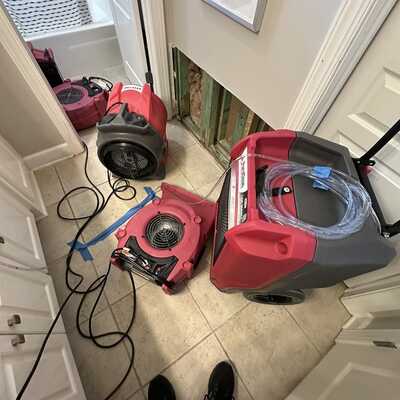
- Structural drying systems (air movers & dehumidifiers)
- Infrared inspection for hidden water
- Antimicrobial treatment
- Mold prevention measures
- Full restoration planning
Certified technicians follow IICRC S500 standards, ensuring water is removed from both visible and hidden areas—something DIY cleanup cannot achieve in water damage restoration vs DIY cleanup situations.
Cost Comparison: DIY vs Professional Restoration
While DIY may seem cheaper initially, hidden damage often increases long-term costs.
- DIY: Low upfront cost, high risk of future repairs
- Professional restoration: Higher initial cost, but prevents structural and mold damage
In many water damage restoration vs DIY cleanup cases, homeowners who attempt DIY end up paying more due to delayed professional intervention.
When DIY Cleanup Might Be Enough
DIY may be appropriate only when:
- Water is clean (no sewage or contamination)
- A small area is affected
- Response time is immediate (within a few hours)
- Materials are non-porous (tile, metal, glass)
Even then, water damage restoration vs DIY cleanup should still include monitoring for hidden moisture.
When You Should Call a Professional Immediately
Call a restoration company if:
- Water affects multiple rooms
- Drywall or flooring is soaked
- You smell musty odors
- Water came from flooding or sewage
- Moisture has been present for over 24 hours
At this stage, water damage restoration vs DIY cleanup clearly favors professional intervention.
Why Santa Maria Homes Are at Higher Risk
Several local factors increase water damage risks:
- Coastal humidity slows drying
- Older plumbing systems in established neighborhoods
- Seasonal storms and roof leaks
- Crawl space moisture buildup
- Limited ventilation in older homes
These conditions make water damage restoration vs DIY cleanup especially important for long-term property protection.
FAQ
Is DIY water cleanup safe for small leaks?
Yes, but only if the area is small, clean water, and dried immediately.
How fast does mold grow after water damage?
Mold can begin developing within 24–48 hours in damp conditions.
Can fans fully dry water damage?
No. Fans alone cannot remove moisture trapped inside walls or flooring.
What is the biggest risk of DIY water cleanup?
Hidden moisture leading to mold growth and structural damage.
Does insurance cover water damage restoration?
Often yes, if the damage is sudden and accidental.
Final Thoughts: Water Damage Restoration vs DIY Cleanup Santa Maria
When comparing water damage restoration vs DIY cleanup, the key difference is hidden moisture. While DIY may handle surface water, professional restoration ensures your home is fully dried, structurally safe, and protected from mold growth.
Call to Action
If you’re facing water damage in Santa Maria or surrounding areas like Orcutt, Nipomo, or Guadalupe, PuroClean of Santa Maria provides fast, IICRC-certified emergency response services.
Our team uses advanced drying equipment, moisture detection tools, and proven restoration methods to fully restore your home and prevent long-term damage.
When it comes to water damage restoration vs DIY cleanup, don’t risk hidden damage—call a professional for a full inspection and emergency response today.
Available 24/7/365 | IICRC Certified | (805) 975-0800 | Contact Us Online | Google Business Profile