


Finding the mold was stressful enough — now you’re staring at it wondering where to even start. If you’re searching for reliable white fuzzy mold removal in your Santa Maria home, you want a clear plan, not a guessing game. The good news: removal follows a fairly predictable process once you know the size and location of the growth. This guide breaks down exactly what proper white fuzzy mold removal looks like, when it’s safe to handle yourself, and when it’s time to call in a professional.
When Is DIY White Fuzzy Mold Removal Safe?
DIY removal is generally only appropriate for small, isolated patches on hard, non-porous surfaces like tile, glass, or sealed wood, where the growth hasn’t spread and there’s no underlying moisture damage. Even then, gloves, an N95 mask, and good ventilation are important. If the patch reappears after cleaning, spreads, or sits on a porous surface, that’s a sign DIY isn’t enough.
What Tools and Products Are Used in Professional White Fuzzy Mold Removal?
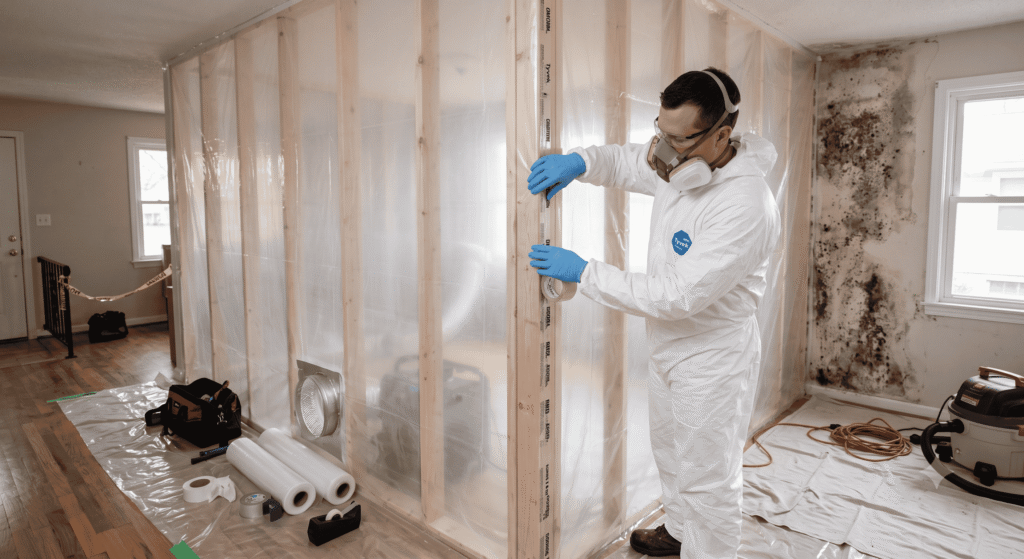
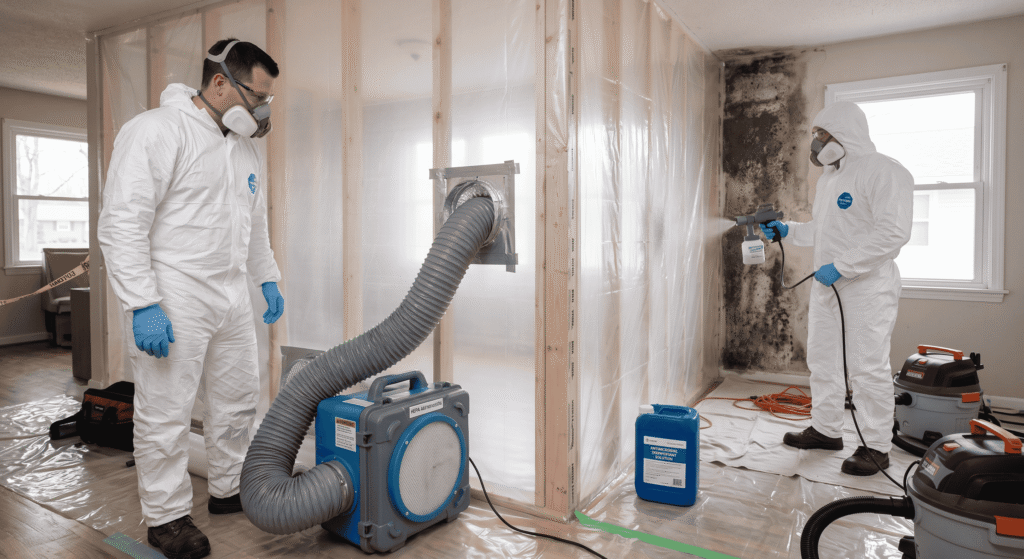
Professional removal typically involves moisture meters to locate hidden sources, physical containment barriers to isolate the work area, HEPA-filtered air scrubbers to capture airborne spores, and antimicrobial treatments applied after physical removal of affected materials. This combination addresses both the visible mold and the spores it releases during removal — something household cleaning products alone can’t do.
Does White Fuzzy Mold Removal Fix the Underlying Problem?
Not on its own. Removal addresses the visible and airborne mold, but if the moisture source — a leak, condensation, or poor ventilation — isn’t corrected, new growth can appear again within weeks. A thorough removal process should always include identifying and addressing the moisture source, not just the mold itself.
How Much Does White Fuzzy Mold Removal Typically Cost?
Cost depends heavily on the IICRC damage class, the square footage affected, and whether materials like drywall or flooring need replacement. Small Class 1 jobs are usually the least expensive, while Class 3–4 situations involving structural materials cost more due to containment, disposal, and rebuild work. A professional in-home assessment is the only reliable way to get an accurate estimate for your situation. For a broader look at the full remediation process, visit our Mold Remediation in Santa Maria pillar page.
Can You Prevent White Fuzzy Mold From Returning After Removal?
Yes — keeping indoor humidity below roughly 50%, improving airflow in closets and bathrooms, and promptly repairing any leaks are the most effective ways to prevent regrowth after removal. If you’re unsure whether your growth is white mold or something else, our post on black mold vs. white mold in Santa Maria homes can help you compare.
Trust the Removal to the Pros — Call PuroClean of Santa Maria
Proper white fuzzy mold removal takes more than a spray bottle and good intentions — it takes the right equipment, containment, and follow-through on the moisture source. PuroClean of Santa Maria serves homeowners across Santa Maria and Santa Barbara County — including Orcutt, Nipomo, Guadalupe, and Lompoc — with IICRC-certified technicians available 24/7.

Call now for a free mold assessment, or reach out through our contact form to schedule professional white fuzzy mold removal.
Frequently Asked Questions
Is it safe to vacuum white fuzzy mold before removal? No. Standard vacuums can spread spores into the air and throughout the vacuum’s exhaust. Specialized HEPA vacuums are used in professional removal specifically to avoid this.
Do I need to leave my home during white fuzzy mold removal? For small, contained jobs, most households can stay. For larger removal projects involving containment barriers and extended work areas, your technician will advise if temporary relocation makes sense.
How soon after removal can I repaint the wall? Repainting should wait until the area is confirmed fully dry and any antimicrobial treatment has cured, which your remediation team can confirm before you proceed.
Will homeowners insurance cover white fuzzy mold removal? Coverage varies by policy and depends on the cause of the moisture — sudden leaks are more commonly covered than long-term humidity issues. Checking with your insurance provider directly is the best way to confirm your specific coverage.
Available 24/7/365 | IICRC Certified | (805) 975-0800 | Contact Us Online | Google Business Profile