



Guadalupe sits in the heart of one of California’s productive farming regions, and the packing sheds, cold storage rooms, and warehouses that support it run on tight schedules. When white mold in Guadalupe shows up on a wall, a dock, or a ceiling, the question isn’t only whether it’s dangerous. It’s whether it puts product, inspections, and the building itself at risk.
Why produce facilities are vulnerable
Cold storage creates condensation. Washdown routines, floor drains, and wet product add more moisture. Cardboard, wooden pallets, and packaging materials give mold plenty to grow on. In a building that’s opened and closed all day, humid outside air meeting cold surfaces can keep walls and ceilings damp.
Where mold hides in produce facilities
Visible growth is often just the tip of the problem. In packing sheds and warehouses, check the places moisture likes to collect:
- Seams and edges of insulated wall and ceiling panels
- Evaporator coils, drip pans, and condensate lines in cold storage
- Dock doors, seals, and the areas where cold and warm air meet
- Floor drains, trench drains, and low spots where water pools
- Roof penetrations, skylights, and gutters above dry storage
- Break rooms, offices, restrooms, and other support areas with plumbing
Food safety risks
Mold in or near a food handling space is a concern for several reasons. Spores can settle on packaging and surfaces, damp areas can signal other sanitation problems, and visible growth can raise questions during audits or customer inspections. Your own food safety program and your auditors set the standards that apply to your operation, so involve your food safety lead early and document what you find. A restoration contractor can address the moisture and the contamination, but decisions about product and compliance should stay with your safety team.
Is white mold in Guadalupe dangerous for workers?
Growth that looks white and fuzzy may be mold, but it can also be mineral deposits or something else entirely. Workers who are sensitive to mold may notice coughing, irritated eyes, or breathing trouble, especially in poorly ventilated areas. If employees are reporting symptoms or a musty odor, treat it as a signal to investigate.
When cleanup becomes structural repair
Surface cleaning isn’t enough when moisture has been working inside the building. Watch for:
- Insulated wall or ceiling panels that are wet, bulging, or delaminating
- Rusted steel framing, door tracks, or anchor points
- Soft or stained wood at loading docks and door framing
- Persistent moisture along the base of walls or on the slab
- Roof leaks over dry storage
- Recurring growth after cleaning
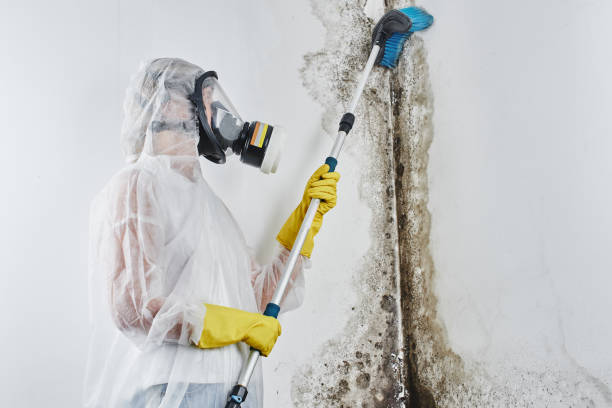
These point to a moisture problem that must be corrected before the building can be considered clean. Proper remediation means locating the source, containing the area, removing materials that can’t be saved, drying, and repairing or replacing what’s been weakened.
Minimizing downtime
For a warehouse, every day offline costs money. Ask your contractor about phased work, containment so the rest of the facility can keep operating, and a clear timeline. Early action usually means a smaller job. Water intrusion and mold often go together, so see our water damage mitigation and mold removal services. PuroClean’s corporate site also covers commercial mold removal, commercial water damage restoration, and its National Response Team.
Preventing mold in a produce facility
A moisture-control routine protects your product, your workers, and your building. Consider building these steps into regular maintenance:
- Inspect panel seams, door gaskets, and dock seals on a set schedule and repair damage quickly.
- Keep drains clear and make sure washdown water flows away instead of pooling.
- Monitor humidity in dry storage and dry goods areas.
- Address roof leaks promptly, even small ones.
- Keep pallets, cartons, and product away from walls to allow airflow and make inspection easier.
- Treat any musty odor, staining, or condensation pattern as a reason to look closer.
What professional mold remediation involves
Thorough remediation in a working facility typically includes:
- Assessment to locate the moisture source and map the affected areas.
- Containment to keep spores away from product, packaging, and clean zones.
- Removal of wet or contaminated materials that can’t be restored, including damaged panels or insulation.
- Cleaning and drying of the structure and surfaces.
- Repair of the building components that were removed or weakened, so the problem doesn’t return.
Ask how the contractor will coordinate with your food safety team and how they’ll document the work, since your audits and customers may ask for records.
Produce warehouse mold FAQ
Can mold grow in a cold storage room?
Yes. Cold slows many molds but doesn’t stop them, and condensation gives them the moisture they need. Cold rooms with poor drainage or damaged panels can be especially vulnerable.
Do I have to discard product if there’s mold in the building?
That decision belongs to your food safety team, your auditors, and any applicable regulations. A restoration contractor can fix the building conditions, but it isn’t a substitute for your own product safety review.
How fast should I respond?
Quickly. Moisture that’s left alone can spread into insulation and framing, and a small repair can grow into a major one. Calling early also helps limit downtime.
White mold removal in Guadalupe and the surrounding area
PuroClean of Santa Maria works with businesses in Guadalupe, and we also serve Nipomo and Orcutt, so growers, packers, and warehouse operators across the region can reach a local team quickly.
Seeing white mold in your Guadalupe facility? Call PuroClean of Santa Maria at (805) 975-0800, available 24/7, or reach out online.
Available 24/7/365 | IICRC Certified | (805) 975-0800 | Contact Us Online | Google Business Profile