


Table of Contents
You walk into your basement and freeze. White, powdery deposits coat your concrete foundation walls. Your stomach drops as you immediately think: mold. But is it really? Understanding the white mold or efflorescence difference is crucial for Santa Maria homeowners who face this anxiety-inducing discovery regularly. The good news is you can identify the white mold or efflorescence difference yourself using four simple methods.
The white mold or efflorescence difference represents one of the most common misidentifications in home maintenance. Both appear as white, chalky substances on concrete, brick, and masonry surfaces. Both signal moisture problems requiring attention. Yet they are fundamentally different phenomena with vastly different health implications and treatment requirements.
Learning the white mold or efflorescence difference isn’t just academic knowledge. It determines whether you need expensive mold remediation or simple moisture control. It affects your family’s health decisions. It impacts your home’s resale value and disclosure obligations. Most critically, understanding the white mold or efflorescence difference leads Santa Maria homeowners to take the right action quickly, protecting both health and property value.
This guide provides four fast, reliable methods to distinguish the white mold or efflorescence difference in your home, plus expert guidance on when professional assessment becomes essential.
Understanding the White Mold or Efflorescence Difference
Before diving into identification methods, understanding the fundamental white mold or efflorescence difference helps clarify why confusion happens so frequently and why correct identification matters tremendously.
Efflorescence is a crystalline mineral deposit that forms when water moves through concrete, brick, or stone. As water migrates through these porous materials, it dissolves salts naturally present in the masonry. When this salt-laden water reaches the surface and evaporates, it leaves behind white, gray, or yellowish crystalline deposits. These are completely inorganic, pose no health risks, and consist of minerals like calcium carbonate and sodium sulfate.
White mold encompasses several fungal species that appear white or light-colored during growth, including Aspergillus, Penicillium, and Cladosporium. These are living organisms that actively grow, spread, reproduce, and can cause serious health problems. Mold feeds on organic materials, releases harmful spores, and requires moisture, organic food sources, and temperatures between 40-100°F to thrive.
The critical white mold or efflorescence difference: one is inert mineral deposits requiring only moisture control, while the other is active biological contamination requiring immediate professional remediation.
What Actually Is Efflorescence?
Efflorescence is a crystalline mineral deposit that forms through a specific chemical process. According to the Portland Cement Association, efflorescence consists primarily of calcium carbonate, calcium sulfate, and sodium sulfate. These are the same mineral salts found in the concrete mix and surrounding soil. The deposits are completely inorganic and pose no health risks whatsoever.
Efflorescence indicates moisture movement through masonry, which requires attention to prevent structural issues. However, it’s not a biological growth and doesn’t spread or worsen except through continued moisture intrusion. Understanding this aspect of the white mold or efflorescence difference is crucial because treating efflorescence as mold wastes money on unnecessary remediation, while dismissing actual white mold as harmless efflorescence allows dangerous contamination to spread unchecked.
What Is White Mold?
Unlike efflorescence, white mold is organic matter. It feeds on cellulose and other organic compounds in building materials, paper backing on drywall, wood, fabric, and organic debris. The Environmental Protection Agency confirms that mold requires three elements to grow: moisture, organic food sources, and temperatures between 40-100°F.
Santa Maria’s moderate climate, with coastal moisture and temperature ranges between 40-75°F year-round, creates ideal conditions for mold growth. Basements and crawl spaces with inadequate ventilation become particularly vulnerable. The same moisture that creates efflorescence on bare concrete can support mold growth on any organic materials in these spaces.
White mold actively damages materials it colonizes. It produces enzymes that break down organic compounds, weakening structural integrity over time. More critically, it releases spores and mycotoxins that cause respiratory problems, allergic reactions, and other health issues.
The white mold or efflorescence difference matters immensely because one is inert mineral deposits while the other is active biological contamination requiring immediate remediation. Misidentification leads to either unnecessary panic and expense, or dangerous neglect of genuine health hazards.
Method #1: The Visual Texture and Appearance Test
The first simple method for determining the white mold or efflorescence difference involves close visual examination of texture and appearance. While both substances can look similar from a distance, closer inspection reveals distinguishing characteristics you can identify without any special equipment.
Efflorescence appears more crystalline and sparkly under light, resembling salt crystals or frost. The deposits often follow a uniform pattern along moisture migration paths. They feel dry and powdery, easily brushing off the surface without leaving residue. When you touch efflorescence, it crumbles into fine powder similar to chalk dust.
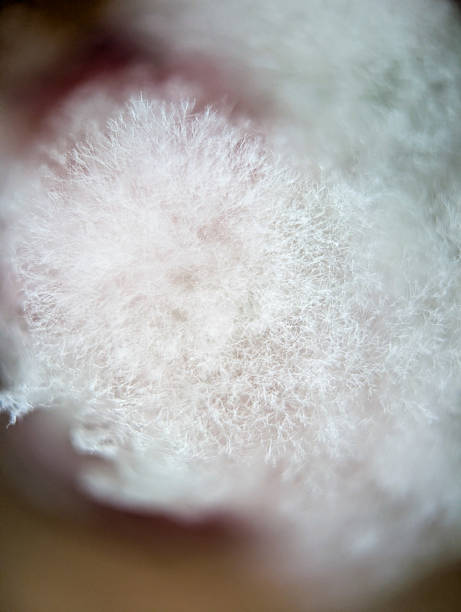
White mold typically appears more organic and irregular. It may have a fuzzy or cotton-like texture, though some species appear as flat, powdery growth. Under magnification or very close inspection, you can often see the thread-like hyphae structure characteristic of fungal growth. When touched, mold may feel slightly slimy or damp and often smears rather than crumbling cleanly.
The Centers for Disease Control and Prevention notes that mold can appear in various colors during different growth stages, making visual identification unreliable without additional testing methods.
How to perform this test: Examine deposits in good lighting, preferably with a flashlight held at an angle to highlight texture. Touch a small area gently with your finger. Crystalline material that crumbles to powder suggests efflorescence. Organic-looking material that smears or feels damp suggests mold. Take photos at close range to document appearance for professional consultation if needed.
Santa Maria’s older homes, particularly those built before modern moisture barriers became standard, frequently have both white mold or efflorescence present simultaneously. The concrete walls may show mineral deposits while wooden floor joists above harbor actual mold colonies. This is why using multiple identification methods provides more reliable results than visual examination alone.
Method #2: The Water Dissolution Test
The second simple method to distinguish the white mold or efflorescence difference uses water to test the substance’s solubility. This practical test takes advantage of the fundamental chemical difference between mineral deposits and organic growth.
The science: Efflorescence consists of water-soluble mineral salts (primarily calcium carbonate, calcium sulfate, and sodium sulfate). When water is applied, these salts dissolve and can be wiped away. White mold is organic fungal growth that doesn’t dissolve in water because it’s living biological matter.
How to perform this test correctly:
- Select a small test area (about 2 inches square) of the white deposits
- Spray the area thoroughly with clean water from a spray bottle until completely saturated
- Wait 5 minutes to allow dissolution to occur
- Wipe the area gently with a clean cloth or paper towel
- Examine both the surface and the cloth
Interpreting results: If the white substance has completely disappeared and the cloth shows only clear moisture or slight white residue that rinses away easily, you likely have efflorescence. If the white substance remains on the surface, feels slimy or organic when wiped, or the cloth shows organic material that doesn’t rinse cleanly, you likely have mold.
Important cautions: Old efflorescence that has been present for months may have bonded more firmly to surfaces and require scrubbing along with water for complete removal. This doesn’t mean it’s mold; it simply means the minerals have crystallized more permanently. Additionally, you might have efflorescence on top of mold, creating confusing mixed results. For this reason, use this test in combination with other identification methods.
White mold, when sprayed with water, may appear to darken or change texture as it becomes saturated. Don’t interpret this darkening as “dissolving.” The growth remains intact underneath. Wait for complete drying and examine whether the substance has truly disappeared or just temporarily changed appearance.
PuroClean of Santa Maria technicians have encountered numerous situations where homeowners performed this water test, concluded they had efflorescence, and ignored the problem for months before discovering significant mold contamination requiring extensive remediation. The water test provides useful preliminary information but should confirm findings from other methods rather than serve as your only identification tool.
Method #3: The Smell Test
One of the most reliable and completely free methods for identifying the white mold or efflorescence difference is using your sense of smell. This simple diagnostic tool provides immediate, valuable information yet homeowners often overlook it entirely.
The science: Efflorescence has no odor whatsoever because it consists of inorganic mineral deposits that produce no smell. White mold produces distinctive volatile organic compounds (VOCs) as it grows and digests materials. These VOCs create the musty, earthy odor universally associated with mold growth.
How to perform this test:
- Enter the area where white deposits appear after being away for at least several hours (this resets your olfactory sensitivity)
- Stand near the deposits and breathe normally through your nose
- Note any unusual odors, particularly musty, earthy, or damp smells
- Ask someone unfamiliar with the space to smell the area for a second opinion (people who regularly occupy spaces become nose-blind to persistent odors)
Identifying mold odor: The smell resembles damp soil, rotting wood, old books, or wet cardboard. It intensifies in enclosed spaces, during humid weather, and when materials are disturbed. The odor is distinctive once you recognize it, though descriptions vary from person to person.
Important considerations: If you don’t smell anything unusual, efflorescence becomes more likely. However, the absence of odor doesn’t definitively rule out mold because some species produce minimal VOCs, particularly during early growth stages. Conversely, strong musty odors indicate mold presence even if deposits appear crystalline, suggesting hidden mold colonies exist near the visible deposits.
Humans quickly adapt to constant smells in their environment. If you spend time in your basement regularly, you may no longer notice the musty smell that visitors immediately detect. This adaptation is why having someone unfamiliar with your home smell the area provides more reliable results.
Santa Maria’s coastal proximity brings regular morning fog and marine layer moisture. Homeowners often attribute musty basement smells to “normal coastal dampness” without recognizing they indicate active mold growth. This normalization of warning signs delays identification and remediation until problems become severe.
Professional mold assessors are trained to recognize mold odors even in buildings where occupants have become desensitized. During initial consultations, PuroClean of Santa Maria technicians frequently ask about musty smells, and homeowners often respond, “Oh, that’s just how basements smell here.” This reveals how easily the smell test gets overlooked or normalized, even though it provides valuable diagnostic information at no cost.
Method #4: The Location and Pattern Analysis
The fourth simple method for distinguishing the white mold or efflorescence difference involves examining where and how the growth appears. Location patterns provide significant diagnostic clues that require no special equipment, just careful observation.
Efflorescence location patterns:
Efflorescence typically appears on bare masonry surfaces including concrete foundation walls, concrete floors, brick, and stone. According to masonry experts at the Brick Industry Association, efflorescence rarely appears on organic materials like wood or drywall because these materials don’t contain the mineral salts that create the deposits.
It follows predictable moisture migration patterns, often appearing as uniform deposits along the base of walls where ground moisture enters, in vertical streaks following water paths through cracks and joints, around mortar joints where water penetrates, or across entire surfaces where moisture wicks through porous masonry.
White mold location patterns:
White mold shows different preferences. While it can appear on concrete if organic matter is present, it preferentially colonizes wood, drywall, paper, cardboard, fabric, and other organic materials. It often appears in patches or irregular patterns rather than following distinct moisture paths.
Mold concentrates in areas with poor ventilation such as corners, behind stored items, in ceiling joists where warm moist air accumulates, on wooden sill plates and floor joists, and anywhere organic materials contact persistent moisture.
How to perform this analysis:
- Note the primary surface showing white deposits (concrete, wood, drywall, etc.)
- Look for patterns (uniform coating vs. irregular patches, following water paths vs. random distribution)
- Check all surrounding materials, not just the most visible deposits
- Examine corners, behind stored items, and ceiling areas
- Look for white growth on any wooden framing, especially where it contacts concrete
Interpreting results: White deposits exclusively on bare concrete in uniform patterns strongly suggest efflorescence. White deposits on wood, drywall, or organic materials indicate mold. Mixed deposits on both masonry and organic materials suggest you have both conditions present simultaneously.
Santa Maria’s older homes often present both white mold or efflorescence simultaneously. The original concrete foundation shows efflorescence from ground moisture, while the wooden framing shows mold growth from the same moisture source. Focusing only on the obvious concrete deposits means missing the genuine health hazard developing on organic materials.
This is why comprehensive inspection matters. Don’t just look at the white stuff that caught your attention initially. Examine the entire space including all materials and hidden areas. This broader perspective often reveals the true nature and extent of your problem.
Combining the 4 Methods for Accurate Identification
Using all four simple methods together provides the most reliable identification of the white mold or efflorescence difference. Each method offers different diagnostic information, and combining them creates a comprehensive picture more accurate than any single test.
The systematic approach:
Start with Method #3 (smell test) immediately upon entering the space. This establishes baseline sensory information before other methods disturb the area. Note any musty odors or complete absence of smell.
Proceed to Method #1 (visual examination) next. Examine texture, appearance, and feel of the deposits under good lighting. Take close-up photos for documentation. Note whether deposits appear crystalline or organic.
Then perform Method #4 (location analysis). Survey the entire space, checking all materials and noting where white deposits appear. Identify patterns and examine hidden areas behind stored items.
Finally, conduct Method #2 (water test) on a small area. This potentially disturbs the deposits, so it comes last. Follow the procedure carefully and document results.
Creating your diagnostic summary:
After completing all four methods, compile your findings:
- Smell: Musty odor present or absent?
- Visual: Crystalline/powdery or organic/fuzzy?
- Location: Primarily on masonry or on organic materials?
- Water test: Dissolved completely or remained intact?
Interpreting combined results:
If 3-4 methods point toward efflorescence (no odor, crystalline appearance, on bare concrete, dissolves in water), you likely have mineral deposits requiring moisture control but not mold remediation.
If 3-4 methods point toward mold (musty odor, organic appearance, on wood/drywall, doesn’t dissolve), you need professional mold assessment and likely remediation.
Mixed results (some methods suggesting each) indicate you may have both conditions present or that the situation requires professional testing for definitive identification.
Remember that even strong preliminary findings from these four simple methods don’t replace professional assessment when health decisions or significant remediation investments depend on accurate identification. These methods help you understand your situation and make informed decisions about next steps, but they’re not substitutes for laboratory testing and expert evaluation.
The Health Risk Difference
Understanding the health implications of the white mold or efflorescence difference helps clarify why correct identification matters beyond simple curiosity.
Efflorescence poses virtually no health risks. The mineral salts are chemically inert and non-toxic. They don’t produce spores, don’t become airborne except as dust during cleaning, and don’t cause respiratory issues or allergic reactions. The only health concern involves the underlying moisture problem that created efflorescence potentially supporting mold growth elsewhere.
White mold presents serious health risks well-documented by medical research. The National Institute of Environmental Health Sciences confirms that mold exposure causes respiratory symptoms, allergic reactions, asthma exacerbation, and in some cases more severe health effects in immunocompromised individuals.
Common health symptoms from white mold exposure include persistent coughing and wheezing, nasal congestion and sinus infections, eye irritation and watering, skin rashes and irritation, headaches and fatigue, and worsening asthma in susceptible individuals. Children, elderly family members, pregnant women, and anyone with compromised immune systems face higher risks.
Santa Maria families with unexplained respiratory symptoms, recurring sinus infections, or allergy symptoms that improve when away from home should consider mold exposure as a potential cause. The white mold or efflorescence difference becomes critical in these situations because it determines whether the basement deposits contribute to health problems.
Professional assessment provides peace of mind regardless of results. If testing confirms efflorescence only, families know their symptoms stem from other causes and their basement deposits pose no health threat. If testing identifies white mold, they can pursue proper remediation and expect health improvements once contamination is eliminated.
The Moisture Source Imperative
Both conditions in the white mold or efflorescence difference indicate the same underlying problem: excess moisture in your basement or foundation. This shared characteristic means proper response always includes moisture source identification and elimination.
Efflorescence forms when water carries dissolved salts through masonry to the surface. This water comes from somewhere: exterior ground moisture saturating foundations, poor grading directing rainwater toward foundations, failed or missing waterproofing systems, high water tables, condensation from temperature differentials, or plumbing leaks within or near foundations.
White mold requires the same moisture for growth. The fungal colonies thrive when relative humidity exceeds 60% or when materials remain damp from direct water exposure. The moisture sources are identical to those creating efflorescence.
The critical insight is that whether you have white mold or efflorescence, you definitely have a moisture problem requiring correction. Cleaning deposits without addressing moisture sources guarantees recurrence. The minerals will continue crystallizing as water evaporates. The mold will continue growing as long as conditions support it. Understanding this aspect of the white mold or efflorescence difference ensures you address root causes, not just visible symptoms.
Santa Maria’s coastal location creates unique moisture challenges. Marine layer fog deposits moisture on surfaces regularly. The mild climate means many older homes lack the robust moisture barriers standard in newer construction. Seasonal rain can saturate soil around foundations, creating chronic moisture intrusion.
Professional moisture investigation identifies specific sources rather than making assumptions. PuroClean of Santa Maria technicians use moisture meters to measure water content in concrete and other materials, thermal imaging cameras to detect temperature differentials indicating water intrusion or inadequate insulation, and visual inspection of exterior grading, drainage systems, and waterproofing conditions.
Addressing moisture might involve improving exterior grading to direct water away from foundations, installing or repairing foundation waterproofing, improving basement ventilation and dehumidification, repairing plumbing leaks or foundation cracks, or installing interior drainage systems for severe cases.
When Professional Assessment Becomes Essential
While preliminary DIY investigation has value, certain situations demand professional assessment regardless of initial conclusions about the white mold or efflorescence difference.
Seek professional help immediately if you smell musty odors even if deposits appear crystalline, notice health symptoms that improve away from home, find white deposits on wood or other organic materials, discover deposits covering large areas (over 10 square feet), notice recurring growth after cleaning, see deteriorating materials like crumbling concrete or soft wood, or have any household members with respiratory conditions or compromised immunity.
Professional assessment costs typically range from $200 to $500 for comprehensive inspection including sampling. This investment provides definitive identification, eliminates guesswork about health risks, identifies specific moisture sources, and creates a targeted remediation plan if necessary.
For efflorescence, professional assessment confirms no mold is present and provides moisture control recommendations preventing future problems. For white mold, it determines contamination extent, identifies species and potential mycotoxin production, and outlines proper remediation scope.
PuroClean of Santa Maria: Your Local Assessment and Remediation Experts
When Santa Maria homeowners face questions about the white mold or efflorescence difference, they need local expertise that understands regional construction methods, climate challenges, and common problem areas in Central Coast housing.
PuroClean of Santa Maria specializes in comprehensive mold assessment and remediation for residential and commercial properties throughout the Santa Maria Valley. Our IICRC-certified technicians bring years of experience distinguishing between efflorescence and mold contamination in local homes.
We understand the unique challenges Santa Maria homeowners face. The marine layer creates consistent moisture exposure. The mix of older homes built before modern moisture barriers and newer construction with different vulnerabilities means assessment requires local knowledge about what to expect in different property types.
Our assessment process provides definitive answers through visual inspection by certified specialists familiar with local building practices, comprehensive moisture mapping identifying specific water sources, air quality sampling detecting mold spores and concentrations, surface sampling for laboratory analysis confirming contamination type, and detailed reporting explaining findings, health implications, and specific recommendations.
When assessment identifies white mold requiring remediation, we provide complete solutions following IICRC S520 standards. This includes proper containment preventing spore spread during remediation, removal of contaminated materials that cannot be adequately cleaned, antimicrobial treatment of affected structural components, HEPA air filtration throughout the remediation process, structural drying and dehumidification, moisture source repairs in coordination with other specialists when needed, and post-remediation verification testing confirming successful elimination.
We work directly with insurance companies to document contamination and streamline claims processing. Many Santa Maria homeowners are surprised to learn their policies cover mold remediation when it results from sudden water damage or failed building components.
For properties with efflorescence but no mold, we provide moisture control consultations identifying specific moisture sources and recommending cost-effective solutions. This prevents future mold development and protects your foundation from ongoing moisture damage.
Frequently Asked Questions
Q: Can white mold and efflorescence appear together on the same surface?
A: Yes, Santa Maria homes frequently show both conditions simultaneously. Concrete walls may display efflorescence mineral deposits while wooden framing above shows actual mold growth. This is why comprehensive assessment examining all materials in the space is essential rather than focusing only on concrete deposits. Professional inspection identifies all present conditions accurately.
Q: How quickly can I distinguish the white mold or efflorescence difference myself?
A: Preliminary assessment using smell tests (mold has musty odor, efflorescence doesn’t), location analysis (efflorescence on bare masonry, mold on organic materials), and texture examination (efflorescence more crystalline, mold more organic) can provide initial indications within minutes. However, definitive identification requires professional assessment with laboratory testing, especially when health decisions or remediation costs depend on accurate identification.
Q: Does efflorescence damage my foundation like mold damages materials?
A: Efflorescence itself causes no structural damage. However, the moisture creating efflorescence can damage foundations through freeze-thaw cycles, concrete deterioration, and supporting actual mold growth on organic materials. Understanding the white mold or efflorescence difference matters for remediation approach, but both indicate moisture problems requiring attention to prevent progressive damage.
Q: Can I safely clean suspected deposits myself?
A: Small efflorescence deposits on concrete can be safely cleaned with stiff brushes and mild cleaning solutions. However, if you’re uncertain about the white mold or efflorescence difference, avoid aggressive cleaning that could release mold spores throughout your home. For any suspected mold, areas larger than 10 square feet, or deposits on porous materials like wood, professional remediation is recommended for health safety and effective elimination.
Q: How much does professional assessment cost in Santa Maria?
A: Comprehensive mold assessment in Santa Maria typically ranges from $200-$500 depending on property size and testing scope. This includes visual inspection, moisture mapping, air and surface sampling, laboratory analysis, and detailed reporting. Consider this an essential investment providing definitive answers about the white mold or efflorescence difference, eliminating health uncertainty, and preventing costly mistakes from misidentification.
Q: Will my insurance cover mold remediation if assessment finds white mold?
A: Coverage depends on your specific policy and the mold’s cause. Insurance typically covers mold remediation resulting from sudden, accidental water damage like burst pipes or storm damage. Gradual moisture problems or maintenance-related mold may not be covered. PuroClean of Santa Maria works with insurance companies to document findings, determine coverage, and streamline claims processing when applicable.
Take Action on Basement Deposits Today
Whether you’re dealing with white mold or efflorescence, those white deposits in your Santa Maria basement require attention. The moisture creating them threatens your foundation, your indoor air quality, and potentially your family’s health.
You now have four simple, fast methods to identify the white mold or efflorescence difference. The visual texture test, water dissolution test, smell test, and location analysis provide reliable preliminary identification when used together systematically. These methods empower you to understand your situation and make informed decisions about next steps.
However, don’t let preliminary findings delay professional verification when stakes are high. If your four-method assessment suggests mold, if you get mixed or unclear results, if anyone in your home experiences health symptoms, or if deposits cover large areas, professional assessment provides the certainty you need.
Understanding the white mold or efflorescence difference determines whether you need simple moisture control or comprehensive remediation. It affects health decisions and financial planning. Most critically, correct identification leads to effective solutions that protect your family and property value.
Professional assessment eliminates guesswork. You’ll know definitively whether that white substance poses health risks. You’ll understand specific moisture sources and get targeted recommendations for resolution. You’ll have documentation for disclosure obligations if you plan to sell. Most importantly, you’ll have peace of mind knowing you’ve protected your family and your largest financial investment.
Contact PuroClean of Santa Maria today for comprehensive assessment of any white deposits in your basement, crawl space, or foundation areas. Our local expertise, certified technicians, and advanced testing equipment provide the definitive answers you need after using the four simple methods outlined in this guide to understand the white mold or efflorescence difference.
Because when it comes to identifying the white mold or efflorescence difference, these four methods get you started fast, but professional knowledge provides the certainty that protects what matters most. Get expert verification from Santa Maria’s trusted restoration specialists.
(805) 975-0800 | Contact Us Online | Available 24/7 | Google Business Profile