


Table of Contents
If you’ve noticed a musty smell that lingers no matter how often you clean, or warped planks that weren’t there before, you might be dealing with mold under flooring—a silent but serious issue for many Santa Rosa Beach homeowners.
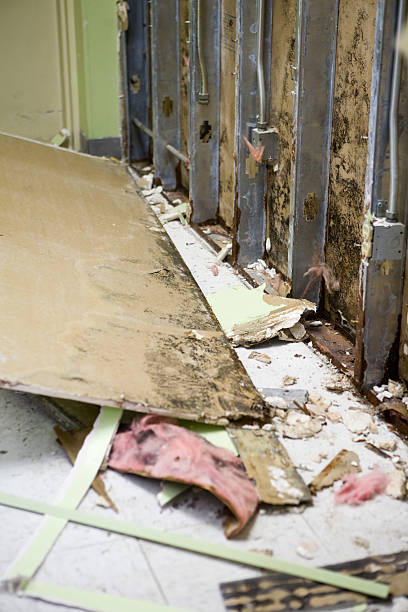
Unlike visible surface mold, this kind thrives beneath your floors—where humidity, leaks, or past flooding create the perfect breeding ground. Left unchecked, mold under flooring can compromise both your health and your home’s structure.
1. Why Mold Under Flooring Develops in Coastal Homes
Mold is opportunistic—it only needs moisture, warmth, and organic material (like wood or adhesive) to grow. Unfortunately, our Gulf Coast climate checks all three boxes.
Here’s why mold under flooring happens so often in Santa Rosa Beach homes:
- High humidity: Even minor condensation beneath floors can sustain mold growth.
- Hidden leaks: Small plumbing leaks or appliance drips go unnoticed until the damage is widespread.
- Storm flooding: Saltwater and rain intrusion during hurricanes or heavy downpours can soak subfloors.
- Improper drying after spills or cleaning: Trapped moisture between flooring layers encourages mold to form.
The EPA warns that moisture control is the key to mold prevention—but many homeowners only act once it’s already spreading.
2. The Dangers of Mold Under Flooring
Contractors may tell you to “just replace the planks,” but that doesn’t solve the root cause. Mold under flooring can pose multiple risks that go far beyond appearance.
Health Risks
- Respiratory irritation: Microscopic spores released into the air can cause coughing, sneezing, and sinus inflammation.
- Allergic reactions: Mold exposure can worsen asthma and trigger allergic responses.
- Toxic strains: Certain molds—like black mold (Stachybotrys chartarum)—release mycotoxins that can affect neurological and immune systems.
Structural Damage
Mold slowly breaks down organic materials, including plywood and adhesives. Over time, mold under flooring can:
- Weaken subflooring.
- Cause warping or soft spots.
- Spread into baseboards, drywall, or insulation.
Decreased Home Value
Persistent odors and visible damage reduce property value and make future buyers wary.
3. How to Detect Mold Under Flooring Before It Spreads
Because mold hides beneath the surface, early detection is tricky—but not impossible.
Here are telltale signs you might have mold under flooring:
1. Unexplained Musty Odors
A constant, earthy smell—especially after rain or high humidity—is often the first clue.
2. Warped or Buckled Floors
Moisture causes planks or tiles to lift. Even minor warping could indicate deeper problems.
3. Discoloration or Stains
Dark spots, even faint ones, can signal trapped moisture feeding hidden mold.
4. Persistent Allergies or Headaches
If symptoms ease when you leave home but return inside, airborne spores may be circulating.
5. Elevated Humidity Levels
Condensation on windows or damp air in rooms above crawlspaces points to excess moisture below.
For confirmation, certified professionals can use moisture meters and thermal imaging to pinpoint mold under flooring without tearing it up.
4. Can You Remove Mold Under Flooring Yourself?
It’s tempting to DIY mold cleanup—but mold under flooring is one area where professional help is strongly advised.
Here’s why:
- Limited access: You can’t safely clean what you can’t reach without removing planks or tiles.
- Cross-contamination: Disturbing mold can release spores throughout your home.
- Hidden spread: What you see is often only 10–20% of the actual growth area.
- Safety concerns: Cleaning agents like bleach are ineffective on porous materials and can release harmful fumes.
If the affected area is larger than 10 square feet, EPA guidelines recommend hiring certified remediation specialists.
5. How the Pros Handle Mold Under Flooring
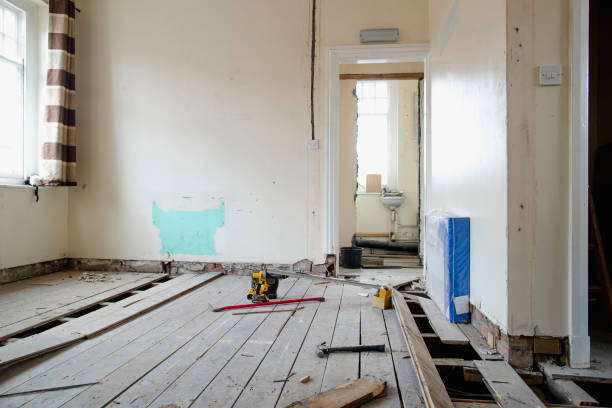
When you call professionals like PuroClean of Santa Rosa Beach, here’s what to expect during professional mold under flooring remediation:
Step 1: Moisture Source Identification
Experts locate and fix leaks or water entry points before removal begins.
Step 2: Containment
They seal off affected areas with plastic barriers and use HEPA air filtration to prevent spore spread.
Step 3: Safe Removal
Damaged flooring and mold-infested materials are carefully removed and disposed of per biohazard standards.
Step 4: Surface Treatment
Special antimicrobial solutions neutralize remaining spores on subflooring and adjacent materials.
Step 5: Drying and Dehumidification
Industrial-grade drying equipment ensures the space is fully dry—critical for preventing mold regrowth.
Step 6: Restoration
Finally, flooring is replaced and tested for moisture to confirm safe reinstallation.
Professionals don’t just remove visible mold—they address the conditions that allow mold under flooring to thrive, ensuring lasting results.
FAQs About Mold Under Flooring
Q1: Is mold under flooring dangerous to live with?
Yes. It releases spores into the air, which can trigger allergies, asthma, and other health issues—even if you can’t see it.
Q2: How long does mold take to grow after water damage?
Mold can begin growing within 24–48 hours in warm, humid conditions.
Q3: Can I simply replace the flooring?
Replacing planks without treating the subfloor only hides the problem. The mold will return and continue to spread.
Q4: Does insurance cover mold under flooring?
It depends on the cause. Mold from sudden water damage (like a burst pipe or storm) is often covered; mold from long-term neglect usually isn’t.
Q5: How can I prevent mold under flooring?
Keep humidity below 50%, repair leaks quickly, and schedule annual inspections—especially after storm season.
Why Santa Rosa Beach Homes Are at Higher Risk
Coastal humidity, seasonal storms, and elevated water tables make Santa Rosa Beach especially vulnerable to mold under flooring. Even minor flooding can leave lingering moisture that feeds mold for weeks.
After major weather events, local professionals like PuroClean often see spikes in hidden mold cases months later—proof that prevention and fast response matter.
Compassionate Restoration from PuroClean of Santa Rosa Beach
At PuroClean of Santa Rosa Beach, we understand that finding mold under flooring isn’t just a home maintenance issue—it’s emotional. The uncertainty, the worry about your family’s health, and the disruption to daily life can be overwhelming.
That’s why our certified team handles every case with professionalism, compassion, and discretion.
We offer:
- 24/7 emergency response for mold and water damage.
- Advanced moisture detection and containment technology.
- Licensed mold remediation and air quality restoration.
- Full cleanup and reconstruction services.
- Direct insurance billing for stress-free claims.
Your safety and comfort are our top priorities.
📞 Call (850) 399-3380 for expert mold and water damage restoration today—because the best time to stop mold under flooring is right now.
Available 24/7/365 | Contact Us Online | Google Business Profile | IICRC Certified | Insurance Preferred | Complete Mold Remediation Solutions