


Table of Contents
The National Weather Service has issued a freeze warning. Arctic air is pushing south from Canada. Temperatures will drop below 32°F within the next 48 hours. Wind chills will make it feel even colder—potentially into the teens and 20s across North Florida.
For Santa Rosa Beach property owners, this isn’t just uncomfortable weather. It’s an emergency that could cost you $25,000 or more in burst pipe damage if you don’t act immediately.
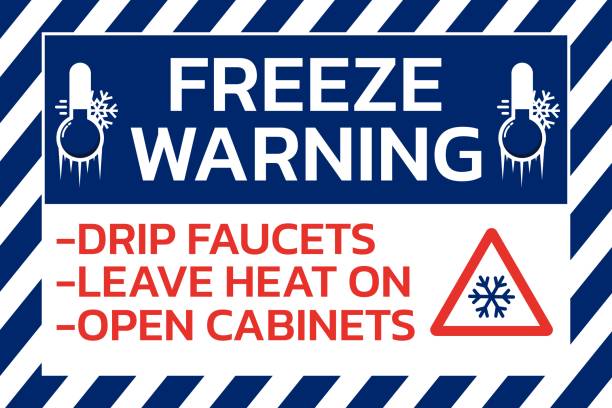
Florida Division of Emergency Management Executive Director Kevin Guthrie warns that whether it’s hurricanes or freezing temperatures, preparedness is key to keeping Florida families safe, urging residents to protect their homes, practice safe heating, insulate pipes, and check on neighbors during extremely low temperatures.
The problem? Most Florida homeowners have never experienced a true freeze emergency. Our homes aren’t built for sustained cold. Pipes run through unheated attics and exterior walls. Many properties have zero pipe insulation. When Arctic blasts hit, damage happens fast, and it’s catastrophic.
You have 48 hours before temperatures drop dangerously low. Here are the 8 emergency steps you must take right now to protect your Santa Rosa Beach property from freeze damage that destroys homes every January.
Why This January Freeze Warning Is Serious
January brings Santa Rosa Beach’s coldest temperatures, averaging 48°F to 60°F. But these are averages. When Arctic fronts push south, actual temperatures can plunge well below freezing for extended periods.
The Florida Division of Emergency Management warns that freeze warnings indicate temperatures forecast to fall into the 20s across much of North Florida, with persistent winds creating even colder wind chills dropping into the upper teens and 20s, while residents are encouraged to monitor local weather alerts.
These conditions create immediate threats:
Frozen pipes burst with explosive force. When water freezes, it expands by approximately 9%. This expansion creates pressure exceeding what pipes can withstand. Copper, PVC, and steel pipes all rupture under freeze pressure. Once pipes burst, water floods uncontrollably until someone shuts off the main line—which could be hours or days in vacation properties.
HVAC systems fail under heating demand. Florida HVAC systems are designed primarily for cooling. When we ask them to heat during extreme cold, we stress systems beyond their normal operating parameters. Drain pans overflow, condensate lines freeze, and heat exchangers crack.
Outdoor fixtures and irrigation systems explode. Hose bibs, sprinkler heads, and pool equipment aren’t designed for freezing temperatures. They fail rapidly, flooding exterior walls and landscapes.
Fire risks increase dramatically. The Florida Division of Emergency Management specifically warns never to use outdoor heating devices inside, and when using space heaters, follow safety guidelines such as using them on a flat surface away from flammable materials and turning them off overnight, while using fireplaces safely by keeping pets and objects at a distance.
You cannot afford to wait. Once the freeze hits, it’s too late to prevent damage.
Emergency Step #1: Insulate All Exposed Pipes Immediately
This is your highest priority. Exposed pipes in attics, garages, crawl spaces, and exterior walls face immediate burst risk during freeze warnings.
What to do right now:
Purchase foam pipe insulation from any hardware store. It costs $1-3 per six-foot section—a $50-100 investment that prevents $25,000 in damage. Wrap all exposed pipes completely, with no gaps. Pay special attention to pipes in unheated spaces.
For pipes you cannot easily reach, open cabinet doors beneath sinks. This allows warm air from your home to circulate around plumbing, reducing freeze risk.
Outdoor hose bibs need special attention. Disconnect all garden hoses. Cover exterior faucets with insulated faucet covers (available at hardware stores for $5-10 each). If you don’t have covers, wrap them with towels secured with duct tape.
Pool and irrigation system pipes should be drained completely if possible. If you cannot drain them, leave them running at a trickle throughout the freeze—moving water resists freezing better than standing water.
Emergency Step #2: Maintain Interior Heat at Minimum 55°F
Never, under any circumstances, turn off heat during a freeze warning—even in vacant properties or rooms you don’t regularly use.
Set your thermostat to at least 55°F throughout the entire freeze event. Higher is better—68°F provides greater protection. Yes, this increases utility costs. But spending $200-300 on heat prevents $25,000-50,000 in burst pipe restoration.
Critical for vacation rental owners: If your property is vacant during this freeze warning, you must maintain heat. Empty properties face the highest burst pipe risk because no one is present to notice leaks or take emergency action.
Open interior doors between rooms to ensure warm air circulates throughout the entire property. Close garage doors if your garage isn’t climate controlled—this provides an additional buffer between outdoor cold and interior pipes.
Emergency Step #3: Let Faucets Drip Strategically
Moving water is significantly harder to freeze than standing water. Strategic dripping protects vulnerable pipes during freeze warnings.
Where to let faucets drip:
- Faucets on exterior walls
- Faucets in unheated areas (garages, basements, crawl spaces)
- Faucets farthest from your water heater
- Any faucet that has frozen in previous cold snaps
Let both hot and cold water drip at a pencil-lead thickness, not a full stream. This small flow keeps water moving through pipes, preventing freeze-up. The slight increase in your water bill ($20-40) is negligible compared to burst pipe damage.
Emergency Step #4: Protect Your Water Heater
Water heaters face unique freeze risks that homeowners often overlook. John Monks, owner of JJM Plumbing, reports that mid-November through February is the busiest season for water heater failures, as cold water coming into hot tanks shocks the system, recommending routine maintenance including flushing sediment yearly.
Emergency water heater protection:
If your water heater is in an unheated garage, attic, or crawl space, wrap it with an insulated blanket. These cost $20-40 at hardware stores and provide critical protection during freeze warnings.
Insulate exposed pipes leading to and from the water heater. These pipes carry hot water and are particularly vulnerable to temperature shock when cold air surrounds them.
Check your water heater’s drain pan. If it’s cracked or missing, water from condensation or small leaks during freeze conditions can cause additional damage.
Emergency Step #5: Prepare for Power Outages
Florida Power & Light reported a 20% spike in energy demand during 2022 hard freezes, indicating potential strain on electrical systems. Arctic weather events sometimes bring power outages that compound freeze risks.
Power outage preparation checklist:
Know your main water shutoff location and how to operate it. If power fails and heat stops, you may need to shut off water immediately to prevent burst pipes from flooding your home.
Charge all phones, tablets, and backup batteries. Communication becomes critical during emergencies, especially if you need to call restoration services.
Fill bathtubs with water before the freeze hits. This provides emergency water for toilet flushing if pipes freeze or power outages affect your water supply.
Stock flashlights, batteries, and emergency supplies. Don’t assume power will remain stable during extreme weather events.
If you lose power during the freeze warning, shut off your main water supply immediately. Without heat, pipes will freeze within hours.
Emergency Step #6: Protect Outdoor Plants and Fixtures
While not directly related to water damage, protecting outdoor elements prevents additional losses during freeze warnings.
The Florida Division of Emergency Management advises covering outdoor plants or bringing them indoors to protect them from freezing temperatures. Bring potted plants inside. Cover valuable landscape plants with blankets, sheets, or frost cloth. Water plants thoroughly before the freeze; wet soil retains heat better than dry soil.
Drain pool equipment, hot tubs, and outdoor showers completely if possible. If you cannot drain them, keep pumps running throughout the freeze to prevent standing water from freezing and cracking equipment.
Disconnect and store outdoor furniture cushions and decorative items that could be damaged by freezing temperatures and potential ice formation.
Emergency Step #7: Check on Vulnerable Neighbors and Properties
Florida emergency officials encourage checking on neighbors who may need assistance during extreme cold events. Elderly neighbors, vacation properties, and rental units may lack proper freeze preparation.
If you manage properties for others, contact all owners immediately with freeze warning information and action steps. Ensure someone is checking each property before temperatures drop.
For elderly or vulnerable neighbors, verify they have adequate heat, know how to protect pipes, and have emergency contacts if problems develop.
Emergency Step #8: Document Everything and Know Who to Call
Before the freeze hits, document your property’s current condition with photographs. This provides baseline documentation if freeze damage occurs and you need to file insurance claims.
Save these critical contacts to your phone right now:
- PuroClean of Santa Rosa Beach Emergency Line: (850) 399-3380
- Your insurance company’s 24/7 claims line
- Your main water shutoff location (take a photo so you remember)
- Local plumber’s emergency contact
- Property manager or trusted neighbor who can check your property if you’re away
If burst pipes or freeze damage occurs, call restoration professionals immediately—not tomorrow, not when you return from vacation, but the moment you discover water. Every hour of delay increases damage exponentially.
What Happens If Pipes Burst Despite Precautions
Even with perfect preparation, sometimes pipes burst during extreme freeze events. Understanding proper emergency response minimizes damage.
If you discover burst pipes:
- Shut off your main water supply immediately. Every second water flows causes additional damage.
- Turn off electricity to affected areas at your circuit breaker. Never enter flooded areas with electrical power active.
- Call professional restoration services immediately. Water damage restoration is a 24/7 emergency service. Don’t wait until morning or “regular business hours.”
- Document all damage with photographs and videos before cleanup begins. This supports insurance claims.
- Do not attempt DIY cleanup. Professional restoration companies use industrial equipment homeowners cannot access. Amateur cleanup attempts often worsen damage and spread contamination.
The Insurance Institute for Business & Home Safety reports that just one-eighth inch of water causes $2,500 in damage. When pipes burst in attics, you’re dealing with hundreds or thousands of gallons flooding through multiple floors, creating damage ranging from $20,000-$50,000 or more.
The Cost of Inaction: Real Freeze Damage Examples
Last January, I responded to three freeze-related emergencies in Santa Rosa Beach during a single cold snap. Here are the actual costs:
Vacation rental with heat turned off: Multiple burst pipes in attic and walls, flooding through two floors. Complete interior restoration required. Total damage: $67,000. Lost spring rental income: $35,000. Owner’s insurance initially denied coverage, arguing negligence.
Primary residence with uninsulated pipes: Single burst pipe in garage, flooding interior wall cavities for 18 hours before discovery. Water damage, mold remediation, drywall replacement. Total: $28,500.
Properly prepared home: Owner followed all freeze preparation steps. Despite temperatures dropping to 28°F for 36 hours, zero damage occurred. Total cost of preparation: $150.
The choice is yours. Spend $150-300 and a few hours on preparation, or risk $25,000-$67,000 in freeze damage.
Frequently Asked Questions
How long do I need to keep heat on during the freeze warning?
Maintain minimum 55°F heat until the National Weather Service cancels the freeze warning and daytime temperatures consistently stay above 40°F. Freezes typically last 24-72 hours, but protect your home throughout the entire event plus 12 hours afterward as pipes thaw.
Will my insurance cover freeze damage?
Coverage depends on your policy and whether you maintained “reasonable precautions.” If you turned off heat to save money or left a property unheated during the freeze, insurance companies often deny claims. Policies typically cover sudden, unavoidable damage but exclude damage from negligence.
Should I drain my plumbing system completely?
For occupied homes, no—maintain heat and let faucets drip instead. For vacation properties that will remain vacant throughout winter, professional winterization (draining all plumbing) provides maximum protection. Contact a plumber for proper winterization procedures.
What temperature is actually dangerous for pipes?
Pipes begin to freeze at 32°F, but significant risk starts at 20°F and below. Wind chill exacerbates the threat. Hard freeze warnings are issued for temperatures below 28°F where severe damage is expected, while freeze warnings indicate temperatures of 32°F or lower.
Can I use space heaters to protect unheated areas?
Space heaters must be used on flat surfaces away from flammable materials and turned off overnight or when leaving the room, and outdoor heating devices should never be used indoors. For attics and crawl spaces, properly rated heat lamps or pipe heating cables provide safer options than space heaters.
How quickly do pipes burst after freezing?
Once water freezes in pipes, bursting can occur within minutes to hours as ice expands. However, many burst pipes aren’t discovered until ice thaws and water begins flowing again, often causing surprise flooding hours or days after the actual freeze event.
Take Action NOW. You Have 48 Hours
The freeze warning is active. Arctic air is approaching. Temperatures will drop below freezing within 48 hours. Every hour you delay increases your risk of catastrophic pipe burst damage.
Review the 8 emergency steps above and implement them immediately. Don’t assume “it won’t happen to me” or “Florida freezes aren’t that bad.” Every January, unprepared homeowners face $25,000-$67,000 in damage that was completely preventable with a few hours of preparation and $200 in supplies.
Emergency Freeze Damage Restoration for Santa Rosa Beach
If the worst happens despite your precautions—if pipes burst, flooding occurs, or freeze damage strikes your property—PuroClean of Santa Rosa Beach provides 24/7 emergency response for freeze-related water damage.
Our IICRC-certified technicians respond immediately to freeze emergencies, arriving typically within 60 minutes to begin water extraction and damage mitigation. We understand that freeze damage requires urgent action to prevent catastrophic losses.
Why Santa Rosa Beach Property Owners Call PuroClean During Freeze Emergencies:
24/7 Emergency Response: Freeze damage doesn’t wait for business hours. We respond immediately, day or night, holidays included.
Industrial Water Extraction: Truck-mounted extractors remove thousands of gallons from burst pipe flooding—far exceeding anything homeowners can accomplish with shop vacs.
Complete Structural Drying: Industrial dehumidifiers and air movers prevent mold growth and secondary damage during the critical 72-hour post-flood period.
Insurance Coordination: We document everything thoroughly and work directly with insurance adjusters, supporting your claim while protecting your interests.
Comprehensive Restoration: From emergency water extraction through complete reconstruction, we handle every phase so you work with one trusted team throughout.
Local Expertise: We understand Santa Rosa Beach’s unique challenges during freeze events and respond to dozens of freeze emergencies every time Arctic air reaches the Gulf Coast.
Don’t wait until pipes burst to find emergency services. Save our number right now: (850) 399-3380
If freeze damage strikes your Santa Rosa Beach property in the next 48 hours or beyond, immediate professional response minimizes damage and protects your investment.
🌐 Visit: www.puroclean.com/santa-rosa-beach-al
The freeze warning is here. You have 48 hours to prepare. Take action now to protect your property from the Arctic blast that could cost you $25,000 or more in preventable damage.
Available 24/7/365 | Contact Us Online | Google Business Profile | IICRC Certified | Insurance Preferred | Complete Water Damage Remediation Solutions