


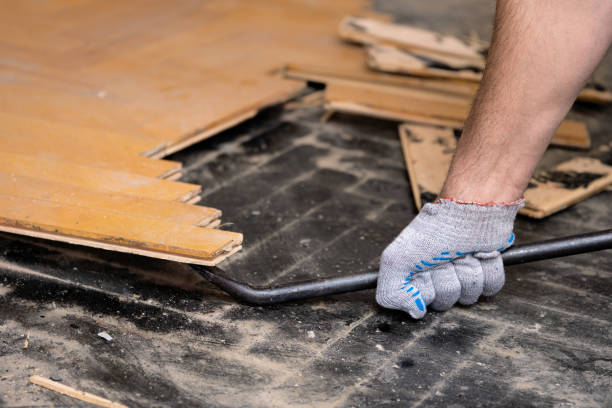
Growth of Mold Under Hardwood Floors: The Race Against Time Starts Immediately
The growth of mold under hardwood floors is the most critical threat Santa Rosa Beach homeowners face after water damage, because this biological process determines whether you’re looking at a $3,000 professional drying bill or a $35,000 mold remediation and hardwood replacement disaster.
The Martinez family discovered the devastating speed of growth of mold under hardwood floors through painful experience last month. A washing machine supply line burst on Friday afternoon while they were at work. They came home at 6 PM to find standing water covering their laundry room and adjacent hallway. Being handy homeowners, they spent the weekend using shop vacuums and household fans to “dry everything out.”
By Sunday evening, visible water was gone. They assumed the problem was solved. What they didn’t know was that water had penetrated deep into their oak subflooring, and the biological countdown governing growth of mold under hardwood floors had already begun.
Three weeks later, they noticed musty odors. Five weeks later, their daughter developed persistent respiratory symptoms. Seven weeks later, sections of their hallway floor felt soft and spongy. When they finally called professionals, thermal imaging and moisture testing revealed extensive mold colonization throughout 280 square feet of subflooring affecting three rooms.
The mold inspector’s report was devastating: “Growth initiated approximately 36-48 hours after initial water exposure. Current colonization suggests 5-7 weeks of active growth. Subflooring shows 40-60% coverage in affected areas with structural deterioration requiring replacement.”
The remediation cost: $32,000 including subfloor replacement, hardwood removal and reinstallation, HVAC decontamination, and antimicrobial treatment. Their daughter’s medical expenses: $4,500 and ongoing. The time their home was uninhabitable: three weeks.
“If I’d understood the growth of mold under hardwood floors,” Mrs. Martinez told me during remediation, “I would have called professionals immediately Friday night instead of trying to handle it ourselves. We thought we had time. We were catastrophically wrong.”
As PuroClean of Santa Rosa Beach’s emergency response coordinator with over a decade responding to water damage throughout the 30A corridor, I’ve seen this pattern hundreds of times: homeowners discovering the growth of mold under hardwood floors after it’s already too late, when they should have been preventing this growth within hours of water damage discovery.
This comprehensive guide provides the precise timeline showing growth of mold under hardwood floors through eight critical phases, explains why Santa Rosa Beach’s coastal humidity accelerates this growth by 30-40% compared to national averages, reveals the exact intervention windows that prevent versus allow mold colonization, and shows you what professional response looks like during each phase to protect your hardwood investment.
Understanding the Growth of Mold Under Hardwood Floors: The Biology
Before examining the timeline, understanding the biological requirements governing growth of mold under hardwood floors helps homeowners recognize why timing is so absolutely critical.
According to the Environmental Protection Agency’s mold remediation guidelines, mold requires four elements for growth: organic material (food source), moisture above 20% in materials, appropriate temperature (40-100°F, optimal 77-86°F), and time for spores to germinate and establish.
After water damage affecting hardwood floors, all four elements exist simultaneously. Wood-based subflooring (plywood, OSB) provides abundant organic nutrition. Water saturation creates 30-50% moisture content in materials. Santa Rosa Beach’s year-round temperatures (even February averages 60-75°F daily) maintain optimal growth conditions continuously. Time is the only variable you can control through immediate professional response.
Why subflooring is especially vulnerable to mold growth:
Engineered wood subflooring acts like a three-dimensional sponge, absorbing water throughout its layered structure through capillary action. Once saturated, these materials release moisture extremely slowly in humid environments. The dark, enclosed space beneath hardwood flooring provides undisturbed conditions for colonization. Santa Rosa Beach’s 70-80% average humidity slows natural evaporation to a crawl without mechanical intervention.
The compressed Santa Rosa Beach timeline affecting growth:
Research from the Forest Products Laboratory shows mold colonization typically begins within 48-72 hours on saturated wood in moderate conditions. However, Santa Rosa Beach’s coastal environment accelerates growth of mold under hardwood floors by 30-40% through high ambient humidity (70-80% year-round), warm temperatures (never experiencing growth-slowing cold), salt air’s hygroscopic effects (attracting and retaining moisture), and shallow water tables (3-5 feet below surface) preventing downward moisture migration.
This means the growth of mold under hardwood floors in Santa Rosa Beach follows compressed timelines: what takes 72 hours elsewhere often occurs in 48-52 hours here. What takes one week elsewhere occurs in 4-5 days here. This acceleration dramatically shortens your intervention window.
Phase 1: Hour 0-6 After Water Exposure – Growth Conditions Established
The growth of mold under hardwood floors begins with establishing conditions, though mold hasn’t begun growing yet in this first critical phase.
What’s happening to your subflooring:
Water begins penetrating into wood-based subflooring materials within minutes of contact. Capillary action draws water into porous materials, spreading laterally beyond the visible wet area. Within 2-4 hours, water has typically penetrated through 3/4-inch subflooring completely, saturating materials from top to bottom.
Professional moisture meters during this phase would show readings of 30-50% moisture content in affected subflooring compared to normal 8-12% in dry conditions. This saturation level is more than double the 20% threshold where growth of mold under hardwood floors occurs rapidly, but spores haven’t begun germinating yet.
The critical intervention opportunity:
This 0-6 hour window represents your best opportunity for complete prevention. Water is present but biological processes haven’t started. Immediate professional water extraction can remove bulk moisture before deep penetration occurs, definitively preventing growth of mold under hardwood floors.
What should happen:
Within 2 hours of discovery: Call professional restoration services immediately. PuroClean of Santa Rosa Beach provides 24/7 emergency response at (850) 399-3380, typically arriving on-site within 1-2 hours throughout the 30A corridor.
Within 4-6 hours: Professional truck-mounted or portable extraction equipment removes surface water. Initial moisture mapping documents extent of saturation. Commercial air movers (2-4 units minimum) begin operating. Industrial dehumidifiers (50-150 pint capacity) start lowering ambient humidity to 30-40%.
Why DIY fails to prevent mold growth:
Consumer wet-dry vacuums remove surface water but lack the suction power (70-120 inches water lift) to extract moisture from porous subflooring. Professional extraction systems generate 200-600 inches water lift, pulling water from materials’ internal structure. This difference determines whether growth of mold under hardwood floors gets prevented or becomes inevitable.
Household box fans generate 1000-2000 CFM airflow at best. Professional air movers generate 2000-3000 CFM in focused, high-velocity patterns scientifically positioned for maximum evaporation. Without this equipment operating within 6 hours, you’ve already lost significant ground in the race against mold growth.
Phase 2: Hour 6-24, The Critical Prevention Window Closes
During hours 6-24 after water exposure, the final opportunity to prevent growth of mold under hardwood floors rapidly diminishes as biological processes approach activation.
What’s happening beneath your floors:
Water continues migrating through subflooring materials, spreading laterally into adjacent areas through wood grain and material interfaces. Moisture levels in directly affected areas remain at 28-40% despite any surface drying. In Santa Rosa Beach’s 70-80% ambient humidity, natural evaporation from saturated subflooring proceeds at glacial pace without mechanical intervention.
Mold spores (always present in air) are landing on saturated surfaces continuously. These spores remain dormant but viable, waiting for the 24-48 hour period when conditions trigger germination and the growth of mold under hardwood floors begins in earnest.
The professional intervention preventing growth:
If professional drying began within the first 6 hours and continues operating properly through this phase, subflooring moisture content should be dropping measurably. Proper drying shows this progression: Hours 6-12 (rapid surface moisture evaporation, readings dropping from 35% to 28%), Hours 12-18 (slower reduction as deeper moisture migrates to surfaces, 28% to 24%), Hours 18-24 (continued gradual reduction, 24% to 21-22%).
Equipment operating continuously: Commercial air movers positioned at scientifically determined angles and distances creating maximum airflow across all affected surfaces. Industrial dehumidifiers running 24 hours daily removing 50-150 pints of moisture from air. This maintains low enough ambient humidity (30-40%) that evaporation continues despite outdoor humidity of 75%+, preventing growth of mold under hardwood floors.
What typically happens instead:
Homeowners who attempted DIY cleanup are seeing surface floors appear dry by hour 12-18. They turn off fans and dehumidifiers (if they had any), assuming the problem is solved. Subflooring moisture remains at 23-27%, still well above safe levels but hidden from view.
This premature cessation of drying is the most common mistake I see, and it’s the critical error that ensures growth of mold under hardwood floors begins undetected. By hour 24, with drying equipment removed and subflooring still saturated, germination is imminent.
The cost differential:
Continuing professional drying through hour 24 and beyond costs approximately $150-$300 per day in equipment rental and monitoring. Stopping at hour 18-24 because “it looks dry” saves perhaps $400-$800 in drying costs. The resulting mold remediation costs $15,000-$35,000. This is the most expensive “savings” homeowners ever make regarding prevention of growth of mold under hardwood floors.
Phase 3: Hour 24-48, Germination Initiates Mold Growth
At 24-48 hours post-exposure, the growth of mold under hardwood floors begins at the microscopic level through spore germination.
The biological transformation initiating growth:
Mold spores that landed on saturated subflooring during the first 24 hours begin germinating. This process involves spores sprouting thread-like structures called hyphae that penetrate into wood substrates. Individual hyphae are microscopic (2-10 microns diameter), completely invisible to the naked eye even with direct observation.
According to research published in Applied and Environmental Microbiology, germination proceeds rapidly once initiated. Within 12-24 hours of germination starting, hyphal networks have penetrated 1-2 millimeters into wood fiber. Within 36-48 hours, multiple spores have germinated across affected areas, creating the foundation for visible colonies showing measurable growth of mold under hardwood floors.
You cannot see this growth yet:
Homeowners inspecting subflooring (if accessible from crawl spaces or basements) during this phase see wet wood, perhaps some discoloration from tannins, but no obvious mold. The colonization is occurring at cellular levels beneath surfaces. This invisible growth of mold under hardwood floors is why homeowners mistakenly believe they “caught it in time” when they actually haven’t.
Santa Rosa Beach’s acceleration of growth:
In dry climates (Arizona, Colorado), this germination phase typically requires the full 48-72 hours. Santa Rosa Beach’s constant 70-80% humidity and warm temperatures compress growth of mold under hardwood floors to 24-40 hours for germination. What takes three days elsewhere takes 1.5-2 days here. This is the 30-40% acceleration I mentioned that critically shortens intervention windows.
What should be happening:
If professional drying began immediately and continues properly, subflooring moisture should now be approaching safe levels. Proper 48-hour drying progression: Materials directly exposed to water (30-40% initial moisture) should now be at 17-20% moisture content. Adjacent areas affected by lateral migration (20-28% initial moisture) should be at 15-18% moisture.
Professional moisture testing at 48 hours determines whether growth of mold under hardwood floors has been successfully prevented or has already begun. Readings below 15% indicate successful prevention. Readings above 18% indicate additional drying needed to stop the germination and growth already underway.
The critical decision point:
This 48-hour mark represents the last point where aggressive professional drying might prevent extensive growth of mold under hardwood floors. If moisture remains high (20%+) at 48 hours, germination has likely begun, but continued drying plus antimicrobial treatment can still limit damage severity.
Homeowners who attempted DIY drying rarely measure moisture at this critical juncture. They’ve declared victory based on visual appearance while subflooring moisture remains at 22-28%. Germination and the growth of mold under hardwood floors proceed undetected beneath the surface.
Phase 4: Hour 48-72, Visible Growth Emerges
By 48-72 hours after water damage, growth of mold under hardwood floors becomes visible evidence that colonization has occurred and is progressing rapidly.
What’s now visible showing active growth:
Microscopic germination from hours 24-48 has progressed to visible colony formation. Individual hyphal networks from multiple germinated spores have joined, creating colonies visible to the naked eye. These appear as fuzzy, powdery, or slimy patches in various colors depending on species present.
Common molds showing growth of mold under hardwood floors include: Aspergillus (black, green, or yellow), Penicillium (blue-green, powdery texture), Stachybotrys (black, slimy texture, the infamous “black mold”), Cladosporium (dark green to black), and Chaetomium (white initially, darkening to gray-black).
In crawl spaces or basements with access to subflooring undersides, these colonies would now be clearly visible with flashlight inspection, definitively showing growth of mold under hardwood floors in real conditions. On subflooring top surfaces (beneath hardwood), colonies form but remain hidden unless flooring is removed.
Spore release intensifies growth spread:
Established colonies begin active reproduction, releasing thousands of new spores into air. These spores migrate through gaps around flooring edges, through seams between boards, through pipe and electrical penetrations, and through porous flooring materials themselves into living spaces above.
Family members begin experiencing the first health effects from airborne exposure: mild respiratory irritation (throat scratching, nasal congestion), increased allergy symptoms in sensitive individuals, subtle headaches or fatigue, and potential asthma triggers in vulnerable populations.
Growth acceleration:
Once visible colonization establishes, growth of mold under hardwood floors accelerates exponentially. Under optimal conditions (which saturated subflooring in Santa Rosa Beach’s humidity provides), mold can double its coverage area every 24-48 hours during this rapid expansion phase.
Small colonies visible at 72 hours (quarter-sized patches) become palm-sized areas by 96 hours, foot-square sections by 120 hours, and multi-square-foot contamination by one week. This exponential progression is why preventing growth of mold under hardwood floors matters so critically during the first 72 hours.
What should have happened:
If professional drying began within 24 hours and continued through 4-5 days with proper protocols, subflooring should now be completely dry (moisture content 12-15%) and visible growth of mold under hardwood floors prevented entirely. Post-drying air quality testing would show spore counts at normal background levels with no active growth.
What typically has happened:
Homeowners who attempted DIY drying or delayed professional response now have subflooring with 18-25% moisture content still present. Visible mold colonies have formed but remain hidden beneath intact hardwood flooring. Musty odors might be barely detectable or dismissed as “dampness that will go away.”
This is the tragic moment when homeowners think they’ve avoided problems (“we dried it ourselves and everything’s fine”) while hidden growth of mold under hardwood floors has already occurred and continues spreading.
The intervention requirement:
At this stage, simple drying is no longer sufficient to stop growth of mold under hardwood floors. Even if materials are now dried completely, established colonies don’t die from drying, they go dormant and reactivate with any future moisture. Professional remediation now requires: antimicrobial treatment of all affected materials, possible material removal if contamination is extensive, HEPA air filtration during work preventing spore distribution, and post-remediation verification testing.
What could have been prevented with $2,500-$4,500 of immediate professional drying now requires $8,000-$18,000 of remediation plus potential hardwood replacement.
Phase 5: Day 4-7, Rapid Expansion of Growth
During days 4-7 after initial water exposure, growth of mold under hardwood floors reaches extensive contamination through exponential expansion.
Colonization spreads aggressively:
Initial colonies established during hours 48-72 expand rapidly across subflooring surfaces. Growth proceeds both across surfaces and deeper into wood fiber structure. According to building science research from Advanced Energy, mold colonization can cover 40-60% of initially wet subflooring surfaces within one week under favorable conditions (exactly what saturated subflooring in Santa Rosa Beach provides).
Multiple species typically establish during this phase of growth of mold under hardwood floors, each occupying different niches: Aspergillus species dominate drier edges of wet zones, Penicillium covers moderately wet areas, Stachybotrys colonizes the wettest, most saturated sections, and Chaetomium appears on paper facings of subflooring materials.
Spore concentrations spike from active growth:
Air quality in affected rooms shows dramatically elevated spore counts. Background outdoor air in Santa Rosa Beach typically contains 500-2,000 spores per cubic meter. Rooms above colonized subflooring during this phase often show 10,000-50,000 spores per cubic meter, representing 5-25 times normal background levels demonstrating exactly how extensive growth of mold under hardwood floors creates serious air quality problems.
Family members notice increasingly obvious health effects: persistent respiratory symptoms (coughing, congestion), allergy symptoms worsening or appearing in previously unaffected individuals, sleep disruption from nighttime respiratory irritation, headaches particularly when spending time in affected rooms, and unusual fatigue or difficulty concentrating.
Odors become pronounced:
Musty, earthy odors from volatile organic compounds (VOCs) produced during growth of mold under hardwood floors become obvious during this phase. Homeowners can no longer dismiss smells as temporary dampness. Visitors immediately comment on odors upon entering homes. Air fresheners and ventilation provide only temporary relief, with smells returning within hours.
Structural impact begins from growth:
Mold enzymes breaking down wood cellulose during growth of mold under hardwood floors begin affecting structural integrity. While not yet creating obvious soft spots or failures, subflooring strength is measurably reduced. Laboratory testing from the Forest Products Laboratory shows 10-20% strength reduction within the first week of colonization, demonstrating the progression beyond just biological growth to structural consequences.
What this phase means:
At one week post-water-damage, growth of mold under hardwood floors has reached extensive colonization affecting large areas. What started as a water damage incident has become a mold remediation project with costs 3-5 times higher than immediate professional drying would have been.
Remediation at this stage requires: complete hardwood removal in affected areas for subflooring access, assessment of subflooring salvageability vs. replacement needs, antimicrobial treatment or removal of contaminated materials, HVAC duct inspection and potential decontamination (spores have distributed through systems), content evaluation for contamination requiring cleaning, and comprehensive air quality testing before and after work.
Typical costs at one week: Professional remediation: $12,000-$25,000 depending on extent. Compare to immediate professional drying costs: $2,500-$5,000. The financial penalty for allowing growth of mold under hardwood floors to progress unchecked is $10,000-$20,000+.
Phase 6: Week 2-4, Extensive Growth Established
At 2-4 weeks after water damage, growth of mold under hardwood floors creates extensive problems through widespread contamination.
Coverage approaches maximum from sustained growth:
Mold now covers 60-90% of subflooring surfaces in directly water-affected areas. Growth has spread into adjacent areas beyond initial water damage through moisture migration and spore distribution. Wall cavities adjacent to affected flooring often harbor growth from lateral moisture spread. Insulation beneath subflooring (in crawl space construction) shows extensive colonization.
Multiple species dominate:
Air quality testing typically identifies 5-8 different mold species in homes at this stage of growth of mold under hardwood floors. This diversity complicates remediation because different species require different treatment approaches. Some species (Stachybotrys, certain Aspergillus species) produce mycotoxins creating additional health concerns beyond basic allergenic effects.
Health impacts intensify:
Chronic exposure symptoms from sustained growth of mold under hardwood floors are common across household members: persistent respiratory problems despite medical treatment, new asthma diagnoses in children or adults with no prior history, chronic sinusitis resistant to antibiotics, skin rashes or eczema flare-ups, significant sleep disruption affecting work and school performance, cognitive symptoms (difficulty concentrating, memory problems), and unusual susceptibility to respiratory infections.
Medical expenses accumulate as families seek treatment for symptoms without yet recognizing environmental causes. Doctors prescribe antibiotics, inhalers, allergy medications, and other treatments addressing symptoms without eliminating the source contamination from growth of mold under hardwood floors.
Structural deterioration accelerates:
Subflooring strength may now be reduced 30-50% in heavily contaminated areas according to wood science research. Some areas develop soft or spongy feeling when walked on. Extreme cases show visible sagging or floor unevenness. Fasteners (nails, screws) begin losing holding power as wood fiber degrades from enzymatic breakdown during growth of mold under hardwood floors.
HVAC systems contaminated:
If HVAC systems operated during this 2-4 week period (almost certain in Santa Rosa Beach requiring year-round or seasonal air conditioning), ductwork interiors now harbor mold deposits. Every time systems run, they distribute spores throughout homes. This creates whole-house air quality problems even though original water damage and growth of mold under hardwood floors was localized.
Discovery often occurs:
Many homeowners finally recognize serious problems during this 2-4 week window. What they initially dismissed as minor dampness has progressed to obvious odors, visible floor changes, or undeniable health symptoms. This is when panicked calls to restoration companies typically occur, weeks too late for prevention, when homeowners finally understand the extent of growth of mold under hardwood floors through expensive discovery.
The remediation scope:
Professional remediation at 2-4 weeks typically requires: hardwood removal in affected areas (150-400 square feet typical for initially moderate water damage), subfloor replacement in heavily contaminated zones (40-70% of affected area often requires replacement), complete HVAC duct cleaning and sanitization ($2,000-$4,000 additional), content pack-out and cleaning for contaminated belongings, antimicrobial treatment of salvageable structural components, air quality testing before, during, and after work, and comprehensive documentation for insurance claims.
Typical costs at 2-4 weeks: $18,000-$35,000 for moderate initial water damage that spread through delayed response. This represents 6-10 times the cost of immediate professional drying that prevents growth of mold under hardwood floors entirely.
Phase 7: Month 1-2, Structural Damage from Sustained Growth
At 1-2 months after water damage, growth of mold under hardwood floors causes structural failure through material deterioration.
Subflooring integrity compromised:
Prolonged growth of mold under hardwood floors and moisture exposure create severe structural problems. Plywood subflooring delaminates as adhesives between layers break down from moisture and mold enzymes. OSB subflooring swells, weakens, and crumbles as strand orientation fails. Floor joists beneath subflooring show rot and decay if moisture reached these structural members.
Walking across affected areas reveals obvious problems: significant sponginess or bouncing, areas that feel distinctly unsafe, visible sagging when viewed from floor level, and potential actual floor failures creating holes or collapses in extreme cases.
Mold species succession:
Early colonizers like Aspergillus and Penicillium remain present but secondary decomposers appear during this advanced stage of growth of mold under hardwood floors: brown rot fungi attacking wood cellulose, white rot fungi attacking lignin, and soft rot fungi in extremely wet conditions. This succession indicates advanced decay requiring material replacement rather than treatment.
Health effects potentially permanent:
Children exposed to high mold levels for 1-2 months from sustained growth of mold under hardwood floors may develop permanent respiratory sensitization manifesting as chronic asthma requiring lifelong management. Adults develop chronic sinusitis that persists even after remediation. Some family members experience persistent fatigue or cognitive symptoms (brain fog) that continue long after exposure ends.
The Centers for Disease Control and Prevention confirms that prolonged high-level mold exposure, particularly to toxigenic species like Stachybotrys, can cause serious health effects requiring extended medical treatment.
Complete remediation required:
At this stage of growth of mold under hardwood floors, there’s no question about preservation vs. replacement. Professional remediation requires: complete hardwood removal in all affected areas, 100% subfloor replacement in contaminated zones (treatment inadequate at this stage), floor joist assessment and selective replacement where decay occurred, complete HVAC system decontamination including potential duct replacement, whole-house content cleaning or replacement, wall cavity inspection and potential drywall removal if mold spread, and extended air quality monitoring ensuring successful remediation.
Typical costs at 1-2 months: $25,000-$50,000 for what started as moderate water damage. This represents 8-15 times immediate professional drying costs. Insurance coverage becomes complicated because long delay between water damage and response suggests possible maintenance failure rather than prompt mitigation of covered peril.
The tragic irony:
Homeowners at this stage often tell me, “We thought we handled the water damage properly. We dried everything. We had no idea about growth of mold under hardwood floors or what was happening underneath.” The knowledge gap between “it looks dry on the surface” and “subflooring is still saturated with active mold growth” proves catastrophically expensive.
Phase 8: Month 3+, Catastrophic Growth Consequences
Beyond three months, growth of mold under hardwood floors creates total loss scenarios through cascading failures.
Multiple floor system failures:
Subflooring in affected areas has completely failed structurally from sustained growth of mold under hardwood floors, requiring 100% replacement. Floor joists show advanced rot requiring replacement rather than reinforcement. Rim joists and band boards at floor perimeters may be affected. Foundation sill plates (in severe cases) show decay from prolonged moisture exposure.
Whole-home contamination:
Mold that started beneath hardwood has spread through wall cavities, into ceilings via wall studs, throughout HVAC ductwork creating whole-house distribution, to stored contents in closets and cabinets, and potentially to adjacent homes in multi-family construction.
Air quality throughout homes shows extreme spore elevations. Every room tests positive for multiple mold species at levels 20-50 times normal background concentrations, demonstrating exactly how growth of mold under hardwood floors can affect entire properties over time.
Health crisis:
Families living in these conditions for months with sustained growth of mold under hardwood floors often experience: multiple members with chronic respiratory disease, children missing significant school due to illness, adults unable to work normally due to fatigue and cognitive symptoms, medical expenses exceeding $10,000-$25,000, and potential long-term health effects requiring ongoing treatment.
Some families must vacate homes for health reasons before remediation even begins, adding temporary housing costs to already overwhelming expenses.
Insurance complications:
Extended delays between water damage and professional response often lead to partial or complete claim denials. Insurance companies argue: failure to properly mitigate covered water damage, maintenance failures rather than sudden accidents, pre-existing conditions (if homeowners didn’t report original water damage), and lack of documentation supporting timeline claims.
Even when claims are approved, policy limits on mold coverage ($10,000-$25,000 typical) fall far short of actual costs at this stage.
Typical costs at 3+ months: $40,000-$80,000+ including complete floor system reconstruction, whole-home HVAC replacement, extensive content losses, temporary housing during 4-8 week projects, medical expenses, and potential legal fees fighting insurance denials.
The permanent consequences:
Beyond financial costs, these catastrophic growth of mold under hardwood floors scenarios create: permanent property value reduction even after remediation (disclosure requirements), potential uninhabitability requiring extended displacement, family stress and relationship strain, and permanent health effects in some family members.
This is what happens when growth of mold under hardwood floors goes unchecked, and initial water damage receives inadequate response.
Why Professional Response Timing Prevents Growth
The eight phases show exactly how growth of mold under hardwood floors progresses under various scenarios, but the critical insight is understanding intervention timing that prevents this growth.
Response within 6 hours: Mold prevention success rate 95%+. Cost: $2,000-$4,000 for professional drying. Outcome: No growth occurs, no structural damage, no health impacts.
Response within 24 hours: Mold prevention success rate 85-90%. Cost: $2,500-$5,000 for professional drying. Outcome: Minimal growth possible but contained through antimicrobial treatment.
Response within 48 hours: Mold prevention success rate 60-70%. Cost: $3,500-$7,000 for drying plus antimicrobial treatment. Outcome: Limited growth requires treatment but major damage prevented.
Response within 72 hours: Mold prevention success rate 30-40%. Cost: $6,000-$12,000 for remediation. Outcome: Visible growth requires remediation, limited structural damage.
Response at 1 week: Prevention of growth no longer possible. Cost: $12,000-$25,000 for remediation. Outcome: Extensive growth, subfloor replacement likely, HVAC decontamination needed.
Response at 2-4 weeks: Extensive growth established. Cost: $18,000-$40,000 for remediation and reconstruction. Outcome: Major subfloor replacement, health impacts, HVAC issues.
Response at 1-3+ months: Catastrophic growth. Cost: $30,000-$80,000+ for reconstruction. Outcome: Complete floor system replacement, whole-home issues, health crisis.
The pattern is clear: every hour of delay allows more growth of mold under hardwood floors and costs exponentially more to remediate. Understanding this growth progression must drive immediate action, not delayed consideration.
Frequently Asked Questions
How fast is the growth of mold under hardwood floors after water damage?
The growth of mold under hardwood floors begins with spore germination within 24-48 hours in typical conditions. In Santa Rosa Beach’s high humidity (70-80%) and warm temperatures, this timeline compresses to 24-40 hours for germination to begin. Visible growth appears within 48-72 hours. Extensive growth develops within 1-2 weeks. This makes immediate professional response within 24 hours critical for preventing growth entirely. Every hour of delay increases the likelihood and speed of growth beneath hardwood floors.
Can I prevent growth of mold if I dry everything within 24 hours myself?
Unlikely with consumer equipment in Santa Rosa Beach’s humidity. Professional water extraction generates 3-8 times more suction than consumer wet-dry vacuums. Commercial air movers create 2-3 times more airflow than household fans. Industrial dehumidifiers remove 3-5 times more moisture daily than consumer units. Most critically, without moisture meters measuring subsurface moisture, you cannot confirm subflooring has dried below 15% moisture content where growth of mold under hardwood floors begins. Professional verification is essential to definitively prevent growth.
What are the first signs that growth of mold is occurring under hardwood floors?
Initial signs of growth of mold under hardwood floors appear within days to weeks: musty, earthy odors that don’t eliminate with ventilation or cleaning, minor hardwood cupping or warping from subflooring moisture, increased allergy or respiratory symptoms in household members, visible mold at flooring edges or baseboards where growth emerges from beneath, and soft or spongy feeling when walking on affected areas. However, by the time these signs appear, growth is already established. Prevention through immediate professional response after water damage is far preferable to detecting growth after it occurs.
Does Santa Rosa Beach’s climate really accelerate growth of mold?
Yes, significantly. Santa Rosa Beach’s year-round 70-80% humidity and warm temperatures (60-75°F even in winter) create optimal conditions for rapid growth of mold under hardwood floors. Research shows high humidity accelerates growth by 30-40% compared to moderate climates. What takes 72 hours in Denver (45% humidity) takes only 48 hours here. One week of growth here equals 10-12 days elsewhere. This compressed timeline makes understanding local conditions critically important for preventing growth through rapid response.
How long does professional drying take to prevent growth of mold?
Professional structural drying typically requires 4-7 days in Santa Rosa Beach’s humidity, longer than the 3-5 days typical in drier climates. Equipment operates 24 hours daily with technician visits daily to monitor progress and adjust equipment. Drying concludes only when moisture meters confirm materials below 15% moisture content at multiple depths and locations. Homeowners attempting DIY drying typically stop at 24-48 hours when surfaces appear dry, leaving subflooring at 20-25% moisture where growth of mold under hardwood floors occurs rapidly. Professional drying duration prevents growth by maintaining aggressive moisture removal through the critical first week.
What does it cost to fix damage from growth of mold if I wait too long?
Costs escalate exponentially as growth of mold under hardwood floors progresses: 72 hours: $6,000-$12,000 (limited remediation, some subfloor treatment). 1 week: $12,000-$25,000 (extensive remediation, partial subfloor replacement). 2-4 weeks: $18,000-$40,000 (major subfloor replacement, HVAC decontamination, health impacts). 1-3+ months: $30,000-$80,000+ (complete floor reconstruction, whole-home issues). Compare to immediate professional drying: $2,000-$5,000 preventing growth entirely. Every day of delay allowing growth costs thousands more in eventual remediation.
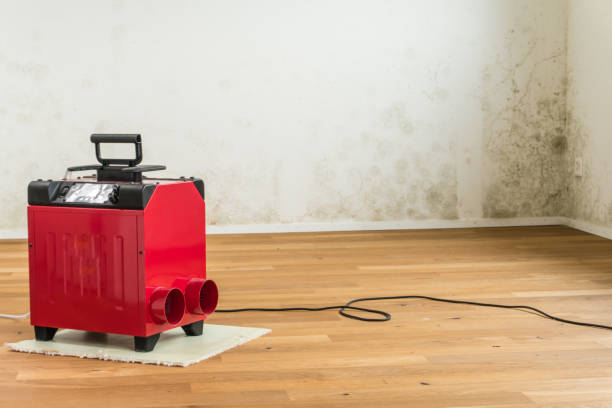
PuroClean of Santa Rosa Beach: Your 24/7 Partner Preventing Mold Growth
Understanding growth of mold under hardwood floors is only valuable if followed by immediate action when water damage occurs.
PuroClean of Santa Rosa Beach provides the rapid professional response that prevents mold growth, protecting your hardwood investment and your family’s health.
Our emergency response preventing growth:
24/7/365 availability at (850) 399-3380 for immediate assistance day, night, weekends, holidays. Water damage doesn’t wait for business hours and neither do we.
1-2 hour response time throughout Santa Rosa Beach and the 30A corridor. We understand that hours matter in preventing growth of mold under hardwood floors. Our rapid response puts professional equipment on-site before germination begins.
Complete professional drying: Truck-mounted water extraction removing bulk water, commercial air movers (8-12 units for typical projects) positioned scientifically, industrial dehumidifiers maintaining 30-40% humidity enabling continued evaporation, moisture mapping documenting all affected areas including hidden saturation, and daily monitoring until complete drying verified by meters prevents growth.
Mold prevention protocols: Antimicrobial treatment of affected materials during drying, HEPA air filtration if any contamination suspected, humidity control preventing growth of mold under hardwood floors during multi-day drying, and clearance testing confirming successful prevention.
Insurance coordination: Direct insurance company communication, comprehensive documentation supporting claims, scope justification for all necessary work, and advocacy for maximum coverage reducing out-of-pocket costs.
Why timing matters for preventing growth:
We’ve responded to water damage at all points in the timeline showing growth of mold under hardwood floors. Calls within 6 hours nearly always result in complete prevention of growth. Calls at 24-48 hours often prevent extensive growth with aggressive drying. Calls at 72+ hours require remediation of existing growth rather than prevention, costing 3-10 times more.
The difference between a $3,000 bill and a $30,000 bill is often just one phone call made immediately versus waiting days to “see how it goes.”
Don’t make the Martinez family’s mistake.
When water damage affects your hardwood floors, every hour counts. Professional response within the first 24 hours prevents growth of mold under hardwood floors from occurring at all.
Call PuroClean of Santa Rosa Beach at (850) 399-3380 immediately after any water damage affecting your floors. We’ll be on-site within 1-2 hours to begin professional water extraction and drying preventing mold growth entirely.
Your hardwood floors represent a significant investment in your home’s beauty and value. Protect that investment by understanding growth of mold under hardwood floors and acting immediately when water damage occurs. The call you make in the first few hours determines whether you’re facing a manageable drying bill or a catastrophic mold growth disaster.
Don’t wait to find out. Call now.