 PuroClean of Santa Rosa Beach
Table of Contents
Is Mold Under Hardwood Floors Dangerous for Renters? The Legal and Financial Nightmare Landlords Face
Is mold under hardwood floors dangerous for renters? For Santa Rosa Beach landlords managing vacation rentals or long-term properties, this question carries severe legal and financial implications, because tenant exposure to subflooring mold creates liability extending far beyond simple remediation costs, including personal injury claims, lease termination without penalty, mandatory disclosure violations, loss of rental income, and potential lawsuits that can reach $50,000-$500,000+ in damages and legal fees.
The Thompson family, owners of three vacation rental properties in Inlet Beach, discovered exactly how dangerous mold under hardwood floors is for renters when a family renting their premium beach house for two weeks cut their stay short after five days, claiming their children developed severe respiratory problems. Initially dismissive, believing the family simply wanted a refund for an early departure, the Thompsons’ attitude changed when they received notice of a lawsuit two months later.
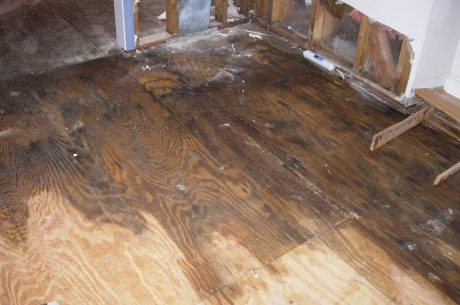
The complaint alleged the rental property contained undisclosed mold contamination causing medical injuries to two minor children. Discovery revealed extensive mold beneath the hardwood floors throughout the vacation rental’s main living area, affecting 520 square feet. Air quality testing showed spore concentrations 28 times normal background levels. Medical records documented both children developing acute bronchitis and asthma exacerbations during their five-day stay, requiring emergency room visits and ongoing pulmonology treatment.
The lawsuit claimed $485,000 in damages: $12,000 in immediate medical expenses, $45,000 in projected future medical costs for chronic asthma management, $380,000 for pain and suffering, $28,000 for lost vacation value and travel expenses, and $20,000 in punitive damages for reckless disregard of known mold issues.
The case revealed the Thompsons had received complaints about musty odors from three previous renters over the preceding year but attributed the smell to “beach house character” and never investigated. No professional mold inspection occurred despite recurring tenant complaints. The hardwood floors showed minor cupping that management dismissed as “normal coastal expansion” without checking subflooring conditions beneath.
After fifteen months of litigation, the case settled for $187,500 plus $43,000 in legal fees, totaling $230,500. Additional costs included: $52,000 for complete mold remediation and hardwood replacement, $38,000 in lost rental income during the six-week remediation period and subsequent booking cancellations from negative reviews, and increased insurance premiums of $4,800 annually for three years following the claim.
Total cost to the Thompsons: $345,900, triggered by failing to recognize how dangerous mold under hardwood floors is for renters and address tenant complaints appropriately.
“We thought renters complaining about odors were just trying to negotiate discounts,” Mr. Thompson told me during our remediation work. “We had no idea that ignoring those complaints while renting to new families created massive legal liability. If we’d understood mold under hardwood floors was this dangerous for renters, we would have spent the $800 for professional inspection after the first complaint. Instead, it cost us a third of a million dollars and nearly destroyed our rental business.”
As PuroClean of Santa Rosa Beach’s property management mold specialist with over a decade working with landlords, vacation rental managers, and property management companies throughout the 30A corridor, I’ve seen landlord liability from mold under hardwood floors dangerous for renters become the most expensive risk in the rental property business, surpassing property damage, theft, or any other operational hazard.
This comprehensive guide reveals the seven critical liability risks landlords face when mold under hardwood floors is dangerous for renters, explains Florida landlord-tenant law and disclosure requirements specific to mold, provides evidence documenting health risks to tenants justifying legal claims, and shows you the prevention and response protocols that protect both your tenants and your business from the catastrophic consequences of subflooring mold contamination.
Understanding Why Mold Under Hardwood Floors Is Dangerous for Renters
Before examining liability specifics, understanding the health risks proving mold under hardwood floors is dangerous for renters helps landlords recognize why courts, juries, and insurance companies treat mold claims so seriously.
The health impact evidence:
According to the Centers for Disease Control and Prevention, mold exposure causes documented health effects including respiratory symptoms (coughing, wheezing, throat irritation), asthma attacks in sensitized individuals, allergic reactions, hypersensitivity pneumonitis in severe cases, and potential immune system effects from chronic exposure. Children, elderly individuals, pregnant women, and those with compromised immune systems face highest risk.
Why subflooring mold creates severe exposure:
Mold beneath hardwood floors releases spores through gaps between boards, along wall edges, around penetrations (pipes, vents), and through the wood itself (which has some permeability). The stack effect pulls air upward from subflooring into living spaces. HVAC systems can distribute spores throughout properties. Tenants breathing this contaminated air 24 hours daily experience chronic high-level exposure. This continuous exposure differentiates subflooring mold from isolated bathroom or window mold, creating more severe health impacts justifying larger damage claims.
Vacation rental amplification:
Short-term vacation renters experience concentrated exposure during stays. Families spend more time inside beach houses than in primary residences (cooking, gathering, rainy day activities). Children play on floors placing them closest to contamination sources. The combination of high exposure intensity and vulnerable populations (young children common in vacation rental demographics) creates scenarios where mold under hardwood floors is particularly dangerous for renters in vacation properties compared to long-term rentals where occupants might recognize and report problems early.
The legal causation standard:
Personal injury claims don’t require absolute proof that mold caused health problems, only that exposure “more likely than not” contributed to symptoms. Medical records showing respiratory problems developing during tenancy combined with air quality testing documenting elevated spore concentrations typically satisfies this burden. This relatively low proof threshold means mold under hardwood floors dangerous for renters creates viable legal claims even when direct causation is debatable.
Santa Rosa Beach specific considerations:
The vacation rental market dominance in Santa Rosa Beach (estimated 40-50% of homes are rental properties) creates unique liability exposure. High rental turnover means more tenant exposures annually. Vacation rental guests have higher expectations for property conditions. Tourist families include children more frequently than general rental population. These factors make Santa Rosa Beach landlords particularly vulnerable to claims proving mold under hardwood floors is dangerous for renters.
Risk #1: Personal Injury and Medical Expense Claims
The first and most severe risk when mold under hardwood floors is dangerous for renters is direct personal injury liability for tenant health problems.
The legal foundation:
Florida law imposes on landlords a duty to maintain rental properties in habitable condition. This includes obligation to address conditions creating health hazards. Mold contamination causing or contributing to tenant health problems constitutes breach of this duty. Breach causing damages (medical expenses, pain and suffering, lost wages) creates legal liability regardless of whether landlord knew about specific mold contamination if landlord should have known through reasonable inspection or tenant complaints.
Compensatory damages categories:
Past medical expenses (emergency room visits, doctor appointments, prescriptions, testing). Future medical expenses (ongoing treatment for chronic conditions developed during tenancy). Pain and suffering (subjective damages for physical discomfort, emotional distress). Lost wages (if health impacts prevented work). Diminished quality of life (for permanent health effects like chronic asthma). These categories commonly total $50,000-$300,000 in serious cases involving children or severe health impacts.
Punitive damages exposure:
Florida law allows punitive damages when defendants acted with gross negligence or reckless disregard for others’ safety. Landlords who ignore tenant mold complaints, fail to investigate obvious symptoms (musty odors, visible staining), or continue renting properties with known contamination face punitive damages claims. Punitive damages in Florida can equal or exceed compensatory damages, potentially doubling total liability. The Thompson case settled for $187,500 partially because punitive claims created risk of much larger jury verdict.
Children as plaintiffs:
Claims involving child tenants carry particular severity. Juries sympathize with child plaintiffs who had no control over exposure. Children’s developing respiratory systems create more severe and potentially permanent health impacts. Medical evidence showing asthma development in previously healthy children strongly supports causation claims. Damages for lifelong asthma management (inhalers, medications, pulmonologist visits) can exceed $100,000 in present value calculations. These factors make cases involving mold under hardwood floors dangerous for renters with children especially costly for landlords.
The settlement vs. trial calculation:
Most mold injury claims settle rather than proceeding to trial. Average settlement in Florida mold personal injury cases: $45,000-$150,000 according to insurance industry data. Trial verdicts when cases don’t settle: $75,000-$500,000+ with occasional outlier verdicts exceeding $1 million. Legal defense costs through trial: $50,000-$150,000 even if landlord prevails. This creates pressure to settle even questionable claims, making mold under hardwood floors dangerous for renters financially devastating whether liability is clear or disputed.
Prevention through proper response:
Responding appropriately to tenant health complaints (immediate professional mold inspection, professional remediation if contamination found, temporary relocation of tenants during work, complete documentation of actions taken) eliminates most personal injury liability. Courts view responsive landlords far more favorably than those who ignore or dismiss tenant concerns. The difference between responsive and negligent landlord behavior determines whether mold under hardwood floors dangerous for renters creates $2,000 inspection cost or $200,000+ liability.
Risk #2: Lease Termination and Lost Rental Income
The second major risk when mold under hardwood floors is dangerous for renters is tenants’ right to terminate leases without penalty and resulting lost income.
Florida’s habitability requirements:
Florida Statutes Section 83.51 requires landlords to maintain rental properties complying with building, housing, and health codes, maintain roofs, windows, screens, doors, and structural components in good repair, and provide functioning facilities including heat, hot water, and maintain property free of vermin and conditions affecting health or safety. Mold contamination creating health hazards violates these habitability requirements.
Tenant remedies under Florida law:
When landlords violate habitability obligations, tenants may withhold rent until violation corrected, repair and deduct (hire professionals and deduct cost from rent), or terminate lease and vacate without penalty regardless of lease term remaining. These remedies apply regardless of lease language attempting to waive them (such waivers are void as against public policy). This means mold under hardwood floors dangerous for renters entitles tenants to immediate lease termination without landlord recourse.
The lost income calculation:
Long-term lease with 8 months remaining at $3,500 monthly: $28,000 immediate lost income. Vacancy period during remediation (4-8 weeks typically): $8,000-$16,000 additional lost income. Reduced rental rates post-remediation due to disclosure requirements: $500-$800 monthly reduction × 12-24 months = $6,000-$19,200 long-term impact. Total lost income: $42,000-$63,200 from single mold incident causing legitimate lease termination.
Vacation rental cancellation impacts:
Discovering mold under hardwood floors dangerous for renters in vacation property requires canceling all bookings during remediation (typically 4-8 weeks). Peak season weekly rentals at $4,500-$8,000 means 4-8 weeks shutdown costs $18,000-$64,000 in cancelled bookings. Refunding deposits for cancelled bookings. Managing guest disappointment and negative reviews. Rebuilding booking calendar after remediation completion. Vacation rental income impacts often exceed long-term rental losses due to higher weekly rates and seasonal concentration.
The review and reputation damage:
Tenants terminating leases or vacation rentals due to mold typically leave negative online reviews. Airbnb, VRBO, Google, and social media reviews mentioning mold deter future bookings for years. One detailed negative mold review can reduce booking rates by 20-40% for 1-2 years post-remediation. This reputation damage compounds direct lost income creating long-term financial impacts from mold under hardwood floors dangerous for renters extending well beyond immediate remediation costs.
Mitigation strategies:
Landlords discovering mold should offer tenants temporary relocation at landlord expense during professional remediation (hotels, comparable rental properties). This maintains lease relationships and prevents termination. Proactive relocation costs $3,000-$8,000 for typical 3-6 week remediation but preserves $28,000-$63,000 in lease value. For vacation rentals, immediately canceling bookings and providing full refunds with apology prevents negative reviews that would cost far more than lost rental income. Proactive mitigation demonstrates whether landlords understand mold under hardwood floors is dangerous for renters and prioritize tenant welfare over short-term rental income.
Risk #3: Disclosure Violations and Fraud Claims
The third critical risk demonstrating why mold under hardwood floors is dangerous for renters legally is mandatory disclosure requirements and fraud liability for concealment.
Florida’s disclosure requirements:
Florida law requires landlords to disclose known material defects affecting property habitability before lease signing. Mold contamination qualifies as material defect requiring disclosure. “Known” includes actual knowledge (landlord aware of mold) and constructive knowledge (landlord should have known through reasonable inspection or prior tenant complaints). Failing to disclose known mold contamination violates disclosure duties creating legal liability separate from health injury claims.
The fraud elements:
Fraudulent concealment requires: material fact (mold contamination affecting habitability), landlord knowledge of the fact, intentional concealment or failure to disclose, tenant reliance (rented property based on landlord’s silence), and resulting damages. All elements present when landlords rent properties knowing or suspecting mold exists without disclosure. Fraud claims survive even when tenants discover mold and terminate leases without health injuries, creating liability beyond personal injury scenarios.
Treble damages for fraud:
Florida’s Deceptive and Unfair Trade Practices Act allows treble (triple) damages for deceptive practices in consumer transactions including residential leases. Tenants proving landlords fraudulently concealed known mold can recover three times actual damages plus attorney fees. Example: Tenant pays $12,000 in rent for four months before discovering mold and terminating lease. Actual damages: $12,000 (rent paid for uninhabitable property). Treble damages: $36,000. Attorney fees: $15,000-$25,000. Total landlord liability: $51,000-$61,000 from fraud claim alone without any health injury claim.
Prior tenant complaints as knowledge:
Landlords receiving mold complaints from previous tenants have constructive knowledge requiring disclosure to subsequent tenants. Failure to disclose prior complaints when renting to new tenants creates fraud liability. This creates cascade effect where single mold incident requires disclosure to all future tenants until professional remediation confirms elimination. Many landlords don’t understand mold under hardwood floors dangerous for renters in one tenancy creates disclosure obligations for all future tenancies.
The “as-is” clause defense failure:
Some landlords include “as-is” clauses in leases attempting to disclaim all property conditions. These clauses don’t protect against fraud claims for active concealment. Courts uniformly hold “as-is” language doesn’t waive landlord duty to disclose known material defects. The clause might protect against claims for unknown defects but provides zero protection when landlord knew or should have known about mold, making mold under hardwood floors dangerous for renters a liability that no lease language eliminates.
Documentation importance:
Landlords who inspect properties, document conditions, and disclose findings to tenants demonstrate good faith even when problems exist. Written disclosure stating “moisture issues identified in previous tenancies, professional inspection recommended” protects landlords legally while allowing tenants informed decisions. This documentation practice transforms mold under hardwood floors dangerous for renters from hidden liability into disclosed condition tenants accept or reject, fundamentally changing legal exposure.
Risk #4: Habitability Breach and Rent Withholding
The fourth risk when mold under hardwood floors is dangerous for renters is tenants’ right to withhold rent for uninhabitable conditions.
The warranty of habitability:
Every residential lease in Florida includes implied warranty of habitability requiring landlords to maintain properties in condition suitable for human occupancy. This warranty cannot be waived by lease language. Mold contamination affecting air quality and health constitutes breach of habitability warranty. Breach entitles tenants to withhold rent until landlord corrects the condition, creating immediate cash flow impacts for landlords.
Proper rent withholding procedure:
Florida law requires tenants to notify landlords of habitability issues in writing before withholding rent. Notice must describe condition and request repair. Landlords have reasonable time to remedy (typically 7 days for urgent health/safety issues, 15 days for non-urgent issues). If landlord fails to remedy within reasonable time, tenants may withhold rent until correction completed. Withheld rent deposited in escrow or separate account (not spent by tenant). This legal framework means mold under hardwood floors dangerous for renters triggers rent withholding rights once proper notice provided.
The landlord’s catch-22:
Mold remediation beneath hardwood floors typically requires 3-6 weeks (hardwood removal, subflooring treatment or replacement, hardwood reinstallation, verification testing). Tenants can legally withhold rent entire remediation period. Monthly rent of $3,500 × 1.5 months = $5,250 withheld rent. Landlords face choice: delay remediation to avoid rent withholding (creating health liability and lease termination risk) or remediate promptly accepting rent loss. Most choose remediation accepting the financial hit, making rent withholding a certain cost when mold under hardwood floors is dangerous for renters.
Repair and deduct alternative:
Some tenants exercise repair and deduct rights rather than withholding rent. Tenant hires professional mold remediation (obtaining quotes, selecting contractor, overseeing work) and deducts cost from rent. Florida law caps repair and deduct at rent for one month or $500 (whichever greater). However, mold remediation typically costs $8,000-$35,000, far exceeding one month’s rent. This creates disputes where tenants claim right to deduct full remediation cost while landlords argue only statutory limit applies. Litigation resolving these disputes costs both parties significant legal fees, making mold under hardwood floors dangerous for renters financially destructive regardless of who legally prevails.
Constructive eviction doctrine:
When mold contamination makes property substantially uninhabitable, tenants may claim constructive eviction justifying immediate departure without notice or penalty. Unlike rent withholding requiring written notice and reasonable remedy time, constructive eviction allows immediate departure when conditions are so severe continued occupancy is unreasonable. Tenants claiming constructive eviction from mold under hardwood floors dangerous for renters terminate leases immediately without penalty and typically sue for relocation expenses, moving costs, rent differential if new housing more expensive, and return of all prepaid rent and deposits.
Prevention through responsive remediation:
Landlords responding to tenant mold reports within 24-48 hours with professional inspection and immediate remediation substantially reduce rent withholding duration and constructive eviction claims. Quick response limits withheld rent to 1-2 months rather than 3-6 months. Demonstrates good faith reducing tenant inclination to pursue legal action. Maintains landlord-tenant relationship enabling continued tenancy post-remediation. Responsiveness transforms mold under hardwood floors dangerous for renters from tenant-landlord conflict into cooperative problem-solving with dramatically different financial outcomes.
Risk #5: Property Management and Third-Party Liability
The fifth risk when mold under hardwood floors is dangerous for renters extends to property management companies and creates complex multi-party liability scenarios.
Property manager duties and liability:
Property management companies owe duties both to landlord clients (managing properties competently) and to tenants (maintaining habitable conditions). Property managers receiving tenant mold complaints who fail to notify landlords or investigate complaints face direct liability to tenants for resulting damages. This dual liability means mold under hardwood floors dangerous for renters creates claims against both property owners and property managers, often with managers held equally or primarily liable for failing to respond appropriately.
The notification and response obligation:
Property management contracts typically require managers to notify owners of maintenance issues and tenant complaints. However, managers also have independent obligation to address immediate health/safety hazards. Mold complaints fall into both categories creating tension: notify owner and wait for approval (risking tenant health and liability), or remediate immediately and inform owner after (potentially exceeding authority). Most property managers choose the latter when health risks are clear, making mold under hardwood floors dangerous for renters a situation where managers must act decisively without explicit owner approval.
Vacation rental management complications:
Short-term vacation rental management companies like Vacasa, TurnKey, or local boutique agencies handle guest complaints in real-time without owner involvement. Guests complaining about musty odors or respiratory symptoms require immediate response. Managers must decide whether to relocate guests, refund rentals, cancel future bookings, and commission inspections, all without time to consult owners. Poor decisions create liability for both managers and owners. The rapid decision-making required in vacation rentals amplifies risks when mold under hardwood floors is dangerous for renters compared to long-term rental management with slower response timelines.
Joint and several liability:
Florida law imposes joint and several liability on multiple defendants for single injury. This means plaintiffs can collect full judgment amount from any defendant regardless of that defendant’s proportionate fault. Tenants injured by mold under hardwood floors dangerous for renters can pursue property owner, property manager, or both, and collect entire judgment from whichever has deeper pockets or better insurance. This creates situations where property managers with good insurance coverage pay majority of settlements even when owners’ negligence was primary cause.
Insurance coverage disputes:
Property owners and managers typically have separate insurance policies. When both face claims from mold under hardwood floors dangerous for renters, insurance companies dispute which policy covers claims. Owner’s property insurance may exclude management company negligence. Manager’s errors and omissions insurance may exclude property condition claims. These coverage gaps create scenarios where neither insurance covers claims fully, requiring out-of-pocket settlements or extensive coverage litigation before tenant claims even resolve.
Contractual risk allocation:
Property management contracts should clearly allocate mold response authority and financial responsibility. Well-drafted contracts specify: manager’s authority to commission mold inspections without owner approval up to specified dollar limit, manager’s obligation to immediately notify owner of all mold complaints, owner’s obligation to respond to manager recommendations within specified timeframe (24-48 hours for health/safety issues), financial responsibility for remediation costs, and liability allocation for tenant claims. Without clear contractual terms, mold under hardwood floors dangerous for renters creates inter-party disputes between owners and managers compounding tenant liability.
Risk #6: Insurance Coverage Limitations and Exclusions
The sixth risk demonstrating why mold under hardwood floors is dangerous for renters financially is inadequate insurance coverage for mold-related claims.
Standard landlord policy mold limitations:
Most landlord insurance policies cap mold coverage at $10,000-$25,000 regardless of actual damages. This limit applies to both property damage (remediation costs) and liability claims (tenant injury, lost rent). Actual costs when mold under hardwood floors is dangerous for renters: remediation $15,000-$45,000, tenant relocation during work $3,000-$8,000, lost rental income $8,000-$64,000, tenant injury settlement $45,000-$187,500, legal defense $25,000-$75,000, total $96,000-$379,500. Policy mold limit of $10,000-$25,000 leaves $71,000-$354,500 uninsured exposure.
The maintenance exclusion:
Most insurance policies exclude coverage for damage resulting from lack of maintenance or gradual deterioration. Mold beneath hardwood floors from long-term moisture issues, deferred maintenance, or failure to address known problems may be entirely excluded from coverage under maintenance exclusions. Insurance companies investigate thoroughly, reviewing maintenance records, prior tenant complaints, and property condition history. Finding evidence of deferred maintenance or ignored tenant complaints triggers coverage denials leaving landlords with 100% out-of-pocket liability when mold under hardwood floors is dangerous for renters.
Pollution exclusion application:
Some insurance policies contain pollution exclusions covering mold. These exclusions were originally designed for environmental contamination but courts have upheld their application to mold claims. Policies with pollution exclusions may provide zero mold coverage, neither property damage nor liability. Landlords must carefully review policies and purchase separate mold endorsements or riders. Without specific mold coverage, standard landlord policies may not cover mold under hardwood floors dangerous for renters at all.
The duty to defend vs. duty to indemnify:
Even when insurance policies ultimately exclude mold coverage, insurers often have duty to defend lawsuits until exclusion applicability is determined. This means insurers pay legal defense costs ($50,000-$150,000) even if they later deny coverage for settlement or judgment. However, coverage litigation itself costs landlords $15,000-$40,000 in attorney fees fighting with their own insurance companies. These inter-insurance disputes create scenarios where landlords pay substantial legal fees to force insurers to defend claims, then pay full settlement amounts themselves when coverage is ultimately denied. The coverage uncertainty makes budgeting for mold under hardwood floors dangerous for renters liability extremely difficult.
Umbrella policy considerations:
Landlords with significant rental property portfolios should maintain umbrella liability policies providing $1-$5 million additional coverage above standard landlord policies. However, umbrella policies typically exclude coverage for anything excluded from underlying policies. If underlying landlord policy excludes mold through pollution or maintenance exclusions, umbrella provides no additional mold coverage. Umbrella policies with mold coverage cost significantly more (30-50% premium increase) but provide essential protection for serious claims proving mold under hardwood floors is dangerous for renters and generating six-figure liability.
Claims history impacts:
Filing mold claims affects future insurance availability and cost. Landlords with mold claim history face: premium increases of 25-75% at renewal, higher deductibles ($5,000-$10,000 rather than $1,000-$2,500), reduced or eliminated mold coverage on renewed policies, or complete loss of insurance coverage requiring expensive surplus lines markets. This claims history impact creates perverse incentive where landlords avoid filing legitimate claims for fear of insurance consequences, instead paying smaller claims out-of-pocket. The insurance ramifications make mold under hardwood floors dangerous for renters a threat to entire rental business viability beyond individual incident costs.
Risk #7: Regulatory Penalties and Business License Impacts
The seventh and final risk when mold under hardwood floors is dangerous for renters involves regulatory compliance, penalties, and business license consequences.
Florida Department of Health jurisdiction:
Florida Department of Health has authority to investigate residential properties creating public health hazards. Tenant complaints about mold can trigger Health Department inspections. Health Department findings of unsafe conditions can result in: orders requiring immediate remediation, prohibition on occupancy until remediation completed, civil penalties of $500-$10,000 per violation, and referral to code enforcement for additional violations. These administrative penalties apply separate from tenant civil claims, meaning landlords face dual exposure when mold under hardwood floors is dangerous for renters.
Vacation rental licensing impacts:
Santa Rosa Beach vacation rentals require business licenses and tourist development tax registration. Walton County can suspend or revoke vacation rental licenses for: repeated guest complaints about property conditions, health or safety violations, or failure to maintain properties in good repair. Mold contamination affecting multiple guest stays can trigger license suspension. License suspension prohibits all vacation rental operation until reinstated. Lost income during suspension period: entire peak season rental income potentially $80,000-$200,000+ for premium properties. License revocation ends vacation rental business permanently, destroying property’s highest-value use. These license risks make mold under hardwood floors dangerous for renters an existential threat to vacation rental businesses.
Building code violations:
Mold remediation often reveals underlying building code violations contributing to moisture problems: inadequate vapor barriers, improper drainage, ventilation deficiencies, or plumbing code violations. Code enforcement can require correction of all violations before occupancy certificate reinstatement. Bringing older properties into full code compliance can cost $15,000-$75,000+ beyond mold remediation costs. Some properties cannot be upgraded to current codes without substantial reconstruction. This creates scenarios where mold under hardwood floors dangerous for renters triggers code enforcement cascades making properties unrentable until expensive upgrades completed.
Disclosure in future transactions:
Landlords who remediate mold must disclose mold history to prospective purchasers when selling rental properties. This disclosure requirement applies even after complete professional remediation. Properties with disclosed mold history typically sell for 5-15% less than comparable properties without history. Example: $800,000 rental property with mold history sells for $680,000-$760,000, representing $40,000-$120,000 value loss. This permanent value impact persists indefinitely, making mold under hardwood floors dangerous for renters a long-term financial burden reducing property values even after successful remediation.
Professional license implications:
Property managers holding real estate licenses face additional regulatory exposure. Florida Real Estate Commission can discipline licensees for: failure to disclose known property defects, inadequate property management, or violations of landlord-tenant law. Disciplinary actions range from fines ($500-$5,000) to license suspension (30 days to 2 years) to permanent license revocation. Property managers whose licenses are suspended or revoked lose their livelihood entirely. These professional license risks make mold under hardwood floors dangerous for renters particularly severe for property management companies and individual managers holding licenses.
Criminal liability in extreme cases:
While rare, extreme cases of landlord negligence creating serious tenant injuries can result in criminal charges. Florida Statute 83.67 makes it criminal offense for landlords to “willfully cause interruption” of essential services or “willfully fail to comply with” habitability requirements when such failure causes serious injury. Prosecutors occasionally pursue criminal charges in cases involving: death or serious permanent injury to tenants (especially children), landlord knowledge of severe hazards with deliberate concealment, or patterns of repeated violations affecting multiple tenants. Criminal convictions carry potential jail time (up to 1 year for misdemeanors, 5 years for felonies) plus criminal fines. While criminal prosecution for mold under hardwood floors dangerous for renters is uncommon, the possibility exists in egregious cases with severe outcomes.
Frequently Asked Questions
Is mold under hardwood floors dangerous for renters legally or just a health concern?
Yes, mold under hardwood floors is dangerous for renters both medically and legally, creating severe landlord liability. Health dangers include respiratory problems, asthma attacks, allergic reactions, and potential chronic conditions documented by CDC. Legal dangers for landlords include personal injury claims ($50,000-$500,000+ in serious cases), lease termination rights allowing tenants to leave without penalty, mandatory disclosure violations creating fraud liability with treble damages, rent withholding during remediation periods (1-3 months typical), constructive eviction claims, insurance coverage limitations leaving substantial uninsured exposure, and potential regulatory penalties or business license suspension. The combination of health risks to tenants and legal liability to landlords makes subflooring mold one of the most serious hazards in rental property management.
What should landlords do when renters complain about musty odors or possible mold?
When renters report concerns suggesting mold under hardwood floors may be dangerous, landlords must respond immediately to minimize liability. Within 24-48 hours: Commission professional mold inspection by certified inspector (cost $400-$800), document complaint and response in writing, notify property insurance carrier of potential claim. If inspection confirms mold: Begin professional remediation immediately using IICRC-certified contractors, offer tenants temporary relocation at landlord expense during remediation (prevents lease termination and demonstrates good faith), document all actions taken and communications with tenants, notify insurance carrier of confirmed mold and remediation plans, and complete full remediation with post-work verification testing before tenants return. Never dismiss tenant complaints, delay inspection to “save money,” or continue renting property with known or suspected mold. Responsive action demonstrates whether landlords understand mold under hardwood floors is dangerous for renters and take tenant welfare seriously.
Does landlord insurance cover liability when mold under hardwood floors is dangerous for renters?
Landlord insurance coverage for mold under hardwood floors dangerous for renters is typically very limited. Standard landlord policies cap mold coverage at $10,000-$25,000 total for both remediation and liability claims. Many policies exclude mold through pollution exclusions or maintenance-related damage exclusions. Actual costs often exceed policy limits: remediation $15,000-$45,000, lost rental income $8,000-$64,000, tenant injury claims $45,000-$187,500, leaving $50,000-$200,000+ uninsured. Landlords should purchase separate mold endorsements increasing coverage to $100,000-$500,000, maintain umbrella liability policies with mold coverage ($1-$5 million additional coverage), and review policies annually ensuring mold is not excluded. Without adequate insurance, landlords face complete out-of-pocket exposure when mold under hardwood floors is dangerous for renters and generates claims.
Can landlords include lease clauses making tenants responsible for mold?
No, landlords cannot effectively shift liability for mold under hardwood floors dangerous for renters through lease language. Florida law makes landlord habitability obligations non-waivable, meaning lease clauses attempting to waive landlord responsibility are void as against public policy. Courts uniformly reject “as-is” clauses, tenant responsibility clauses, or mold liability waivers in residential leases. While leases can require tenants to report mold promptly and maintain reasonable ventilation, landlords remain ultimately responsible for structural moisture issues, subflooring conditions, and property habitability. Any lease clause suggesting tenants accept mold liability or waive claims for mold-related injuries will be struck down if challenged. Landlords must address mold issues themselves regardless of lease language.
How much does mold remediation cost when mold under hardwood floors is dangerous for renters?
Remediation costs when mold under hardwood floors is dangerous for renters vary by contamination extent: Minor contamination (under 100 sq ft): $8,000-$15,000 including hardwood removal, subflooring treatment, and hardwood reinstallation. Moderate contamination (100-300 sq ft): $18,000-$35,000 including partial subflooring replacement and moisture barrier improvements. Severe contamination (300+ sq ft or entire rental unit): $35,000-$65,000 including complete subflooring replacement, HVAC decontamination, and comprehensive moisture control upgrades. Additional costs include tenant relocation during work ($2,000-$8,000 for 3-6 weeks), lost rental income ($8,000-$64,000 depending on property type), and verification testing ($500-$1,200). Total incident costs typically range $28,000-$138,000 for vacation rentals and $18,000-$85,000 for long-term rentals when including all direct and indirect expenses.
Should vacation rental owners disclose previous mold issues to future guests?
Yes, vacation rental owners should disclose remediated mold history to avoid fraud liability even though disclosure may reduce bookings. Florida law requires disclosure of known material defects. Mold history qualifies as material defect even after professional remediation. Failure to disclose when booking future guests creates fraud liability if mold recurs or if guests later discover the history. Recommended disclosure: Brief statement in listing description noting “property previously underwent professional mold remediation in [month/year], all contamination eliminated and verified by post-remediation testing, comprehensive moisture control systems installed preventing recurrence.” This disclosure demonstrates honesty while explaining preventive measures. Many landlords fear disclosure will eliminate bookings, but failure to disclose creates far worse liability when mold under hardwood floors is dangerous for renters becomes known through other channels.
PuroClean of Santa Rosa Beach: Protecting Landlords and Tenants
Understanding the seven risks proving mold under hardwood floors is dangerous for renters helps landlords recognize liability magnitude, but professional assessment, remediation, and prevention services remain essential for protecting both tenants and rental businesses.
PuroClean of Santa Rosa Beach specializes in rental property mold services protecting landlords, property managers, and vacation rental companies throughout the 30A corridor.
Our rental property mold services:
Emergency tenant complaint response: 24/7/365 availability at (850) 399-3380 when tenants report mold concerns requiring immediate investigation. Professional inspection within 24-48 hours documenting conditions and providing written reports suitable for insurance and legal documentation. Honest assessment of whether contamination exists or tenant concerns are unfounded (protecting landlords from unnecessary remediation expense while ensuring tenant safety).
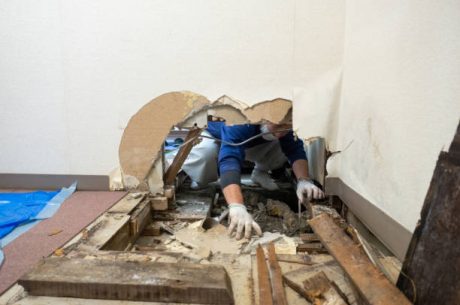
Comprehensive mold remediation: IICRC-certified technicians following S520 mold remediation standards. Careful hardwood removal with preservation attempts when viable. Complete subflooring remediation or replacement. Moisture source identification and correction. Post-remediation verification testing with written reports. Documentation suitable for regulatory compliance, insurance claims, and tenant notifications. Coordination with property managers and owner schedules.
Tenant relocation coordination: Assistance identifying comparable temporary housing for displaced tenants. Coordination with property managers on relocation logistics and costs. Documentation of relocation expenses for insurance claims and accounting. Support maintaining positive landlord-tenant relationships during remediation.
Preventive inspections for rental properties: Annual or pre-tenancy mold inspections identifying problems before tenant occupancy. Moisture mapping detecting elevated readings suggesting developing problems. Written reports with findings and recommendations. Proactive service preventing the $100,000-$400,000 liability scenarios that occur when mold under hardwood floors is dangerous for renters goes undetected.
Insurance claim support: Detailed documentation supporting landlord insurance claims. Technical explanations helping adjusters understand mold issues. Scope justification demonstrating necessity of recommended remediation. Advocacy for maximum coverage within policy limits.
Expert witness services: Professional testimony for landlords or tenants in mold litigation. Objective technical assessment of causation, damages, and appropriate remediation. Expert reports meeting legal admissibility standards. Deposition and trial testimony when cases proceed to litigation.
Why choose PuroClean for rental property mold:
Rental property expertise: Over a decade serving Santa Rosa Beach landlords, property managers, and vacation rental companies. Deep understanding of rental market challenges, vacation rental turnaround requirements, and long-term lease considerations. Experience working within rental business constraints while ensuring proper remediation.
Rapid response capability: 1-2 hour emergency response throughout 30A corridor. Understanding that rental properties require faster response than owner-occupied homes due to tenant rights and business income concerns. Equipment and staffing enabling immediate mobilization when mold under hardwood floors is dangerous for renters requires urgent intervention.
Documentation focus: Comprehensive written reports suitable for insurance, legal proceedings, regulatory compliance, and tenant notifications. Understanding that rental property mold creates documentation requirements exceeding owner-occupied property needs. Attention to detail protecting landlords legally while ensuring tenant safety.
Cost-effective solutions: Honest assessment of preservation vs. replacement options. Efforts to minimize costs while ensuring complete contamination elimination. Understanding rental property economics and working within landlord budgets when possible without compromising remediation quality.
Vacation rental schedule accommodation: Ability to schedule work around booking calendars when possible. Weekend and evening work availability minimizing rental income disruption. Understanding peak season pressures and working efficiently to restore rentability quickly.
Don’t let mold destroy your rental business.
If tenants have reported musty odors, respiratory symptoms, or visible mold, if you’re preparing property for new tenants and want pre-tenancy inspection, if you manage vacation rentals and need rapid response to guest complaints, or if you want annual preventive inspections protecting your rental investment, professional services prevent the six-figure liability scenarios proving mold under hardwood floors is dangerous for renters.
Call PuroClean of Santa Rosa Beach at (850) 399-3380 for immediate rental property mold assessment and remediation. We provide 24/7 emergency response, comprehensive documentation, rapid turnaround, and honest guidance protecting both your tenants and your rental business from the catastrophic consequences of subflooring mold contamination.
The seven liability risks showing why mold under hardwood floors is dangerous for renters prove that rental property mold is the most serious operational hazard landlords face, surpassing property damage, theft, or any other risk in potential financial impact.
Let PuroClean of Santa Rosa Beach provide the expertise ensuring your rental properties remain safe for tenants, compliant with legal obligations, and protected from the devastating liability that inadequate mold response creates.
Call (850) 399-3380 today. Protect your tenants, protect your business, protect your financial future from rental property mold disasters.

 PuroClean of Santa Rosa Beach