


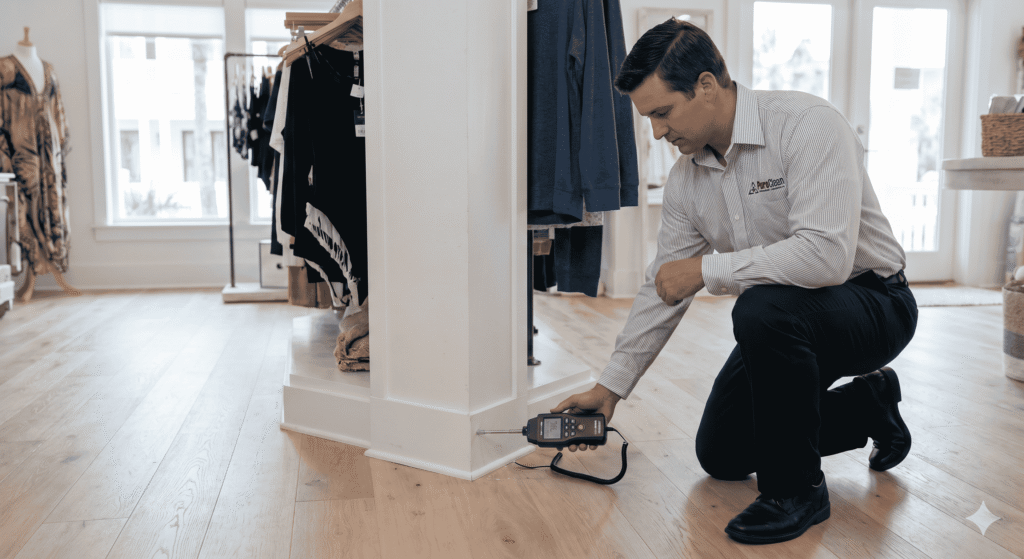
If you’ve discovered mold in your coastal home, the urge to find a fast, “hands-off” solution is understandable. Many homeowners in the Panhandle turn to ozone generators, hoping a “shock treatment” will wipe out the problem. You might be feeling overwhelmed by the musty smells and worried about your family’s health. It’s frustrating to think you’ve found a solution, only to wonder: does ozone kill mycotoxins, or are you just masking a much larger threat? The reality is that while ozone is a powerful oxidant, it is often ineffective—and even dangerous—when used as a DIY mold remedy.
Is ozone effective for business water damage recovery or home mold issues?
While ozone is sometimes used in controlled business water damage recovery for odor neutralization, it is not a remediation tool. Ozone can kill the surface “bloom” of mold temporarily, but it does nothing to address the root cause: moisture. In the humid environment of Santa Rosa Beach, if the moisture source isn’t fixed, the mold will return within 24 to 48 hours, regardless of how much ozone was pumped into the room.
Why does ozone fail to kill mycotoxins under hardwood floors?
A common misconception is that ozone gas will permeate all surfaces. However, ozone is highly reactive and often dissipates before it can reach deep-seated contaminants. It specifically fails to kill mycotoxins under hardwood floors or behind baseboards because the gas cannot reach the required concentration in those tight, porous spaces. Professional commercial drying services in Destin and Santa Rosa Beach focus on physical removal and structural drying rather than gas-based “shortcuts.”
Are ozone generators safe for residential use according to the EPA?
The EPA warns against residential ozone use in occupied spaces. Ozone is a known lung irritant that can exacerbate asthma and other respiratory conditions. Furthermore, when ozone reacts with materials found in Florida homes—like synthetic carpets or rubber gaskets—it can create secondary pollutants like formaldehyde. This makes the indoor air quality worse than the mold problem you were originally trying to solve.
Does ozone meet IICRC commercial standards for mold remediation?
No. IICRC commercial standards (specifically the S520) emphasize “source removal.” This means the mold and its toxic byproducts (mycotoxins) must be physically removed from the environment through HEPA vacuuming, damp wiping, or the removal of contaminated materials. Relying on ozone is considered an “encapsulant” or “sanitization” attempt that skips the most vital step: getting the toxins out of the building.
The Risk of DIY Mold Treatment in Santa Rosa Beach
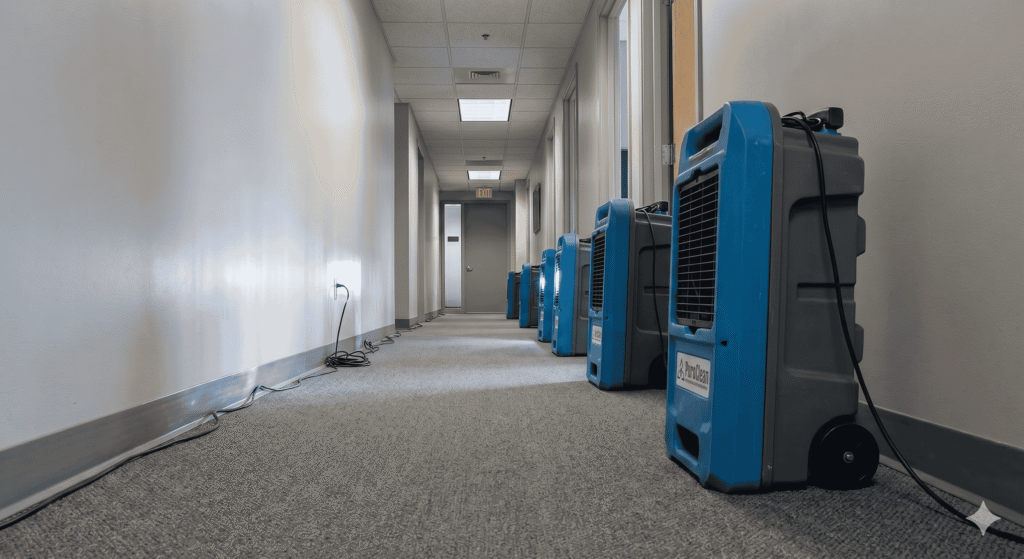
The “dangerous truth” about DIY treatments in our area is that they often delay professional intervention. In the time spent running an ozone machine, mold can spread from a single closet to the entire HVAC system. For warehouse water damage in Santa Rosa Beach or large luxury homes, this delay can result in thousands of dollars in additional structural damage. Professional office building flood restoration and residential remediation ensure that OSHA post-flood workplace safety and health standards are actually met.
Why Mycotoxins Remain a Threat After Ozone Use
Mycotoxins are the toxic secondary metabolites produced by certain molds, like Stachybotrys chartarum (black mold). Even if the mold spore is “killed” or made non-viable by ozone, the chemical mycotoxin remains present in the dust and debris. If you don’t physically remove the spores, you are still breathing in the toxins. This is why we always recommend a professional insurance claim assessment to ensure your home is truly safe.
Frequently Asked Questions About Ozone and Mold
Can I stay in my home while an ozone generator is running? Absolutely not. You, your pets, and even your indoor plants must be removed from the premises. High levels of ozone are hazardous to all living organisms.
Will ozone get rid of the musty mold smell? It may temporarily mask the odor by oxidizing the organic compounds in the air, but since it doesn’t remove the mold source, the smell will return as soon as the machine is turned off.
What should I do instead of using ozone? The gold standard is professional mitigation: contain the area, establish negative air pressure, physically remove the mold, and dry the structure. View our water damage services to see the proper multi-step process.
Trust the Professionals at PuroClean of Santa Rosa Beach
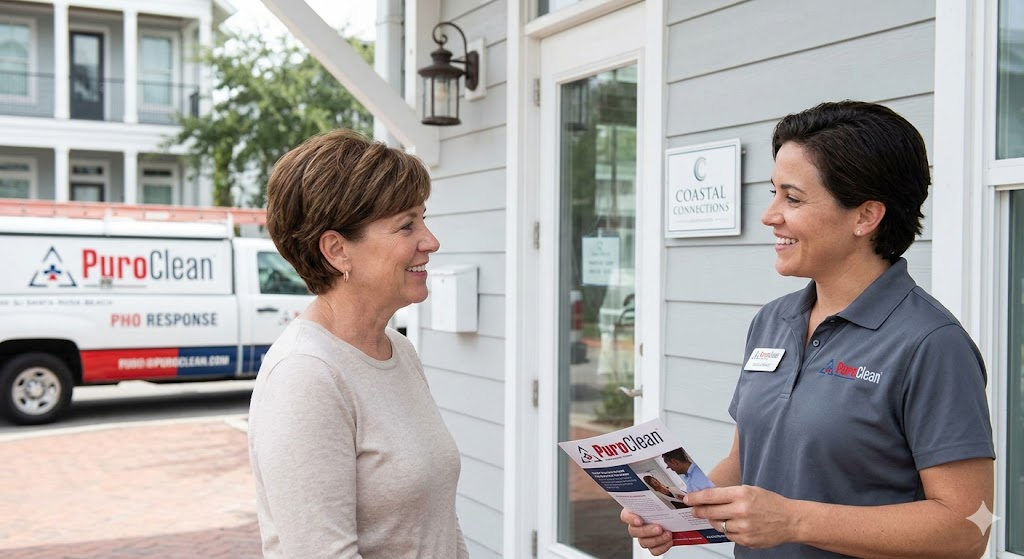
Don’t gamble with your health using ineffective DIY “air purifiers.” PuroClean of Santa Rosa Beach understands the unique challenges of the Emerald Coast. We are IICRC-certified and follow strict OSHA post-flood workplace safety protocols to ensure your home or business is not just “smelling fresh,” but is actually clean and safe.
We serve the entire local community, including:
- Santa Rosa Beach & 30A
- Destin
- Miramar Beach
- Freeport
- Panama City Beach
Call Now for a Free Assessment: (805) 975-0800
Request Help Online: https://www.puroclean.com/santa-rosa-beach-fl-puroclean-santa-rosa-beach/contact-puroclean/