


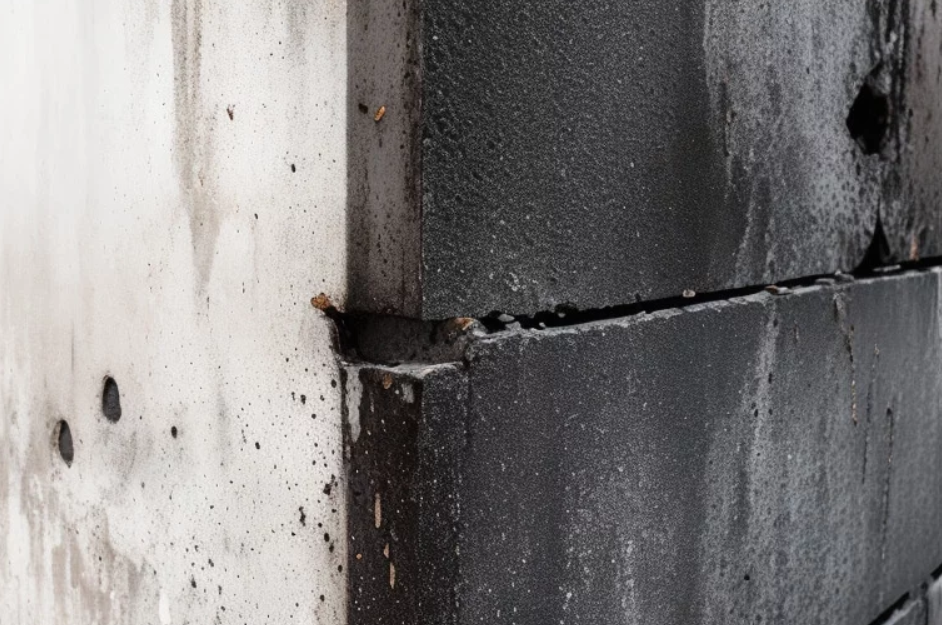
After a fire, most people use “soot,” “ash,” and “smoke damage” interchangeably — but what is soot compared to the other two matters more than you’d think, because each one requires a different cleanup approach entirely. Using the wrong method on the wrong residue doesn’t just fail to clean it; it can smear the damage deeper into the material and make professional restoration harder later.
What Is Soot?
What is soot, technically? It’s a fine, carbon-based residue created when materials like wood, plastic, fabric, or fuel don’t burn completely. Because combustion was incomplete, tiny carbon particles are released and settle onto walls, ceilings, furniture, and flooring throughout the property. We’ve covered the composition and health risks of soot in more detail in our guide, Is Soot Dangerous? What You Should Know — this post focuses specifically on telling it apart from ash and smoke residue.
What Is Ash, and How Is It Different From Soot?
Ash is the dry, powdery, typically gray or white remnant left behind after complete combustion — essentially the mineral leftovers of whatever burned (Oceanside Damage Restoration). Where soot is often oily, sticky, and prone to smearing, ash is generally easier to clean but can still be abrasive and, in some cases, mildly acidic on contact with surfaces over time.
What Is Smoke Residue, and Why Doesn’t It Behave Like Soot?
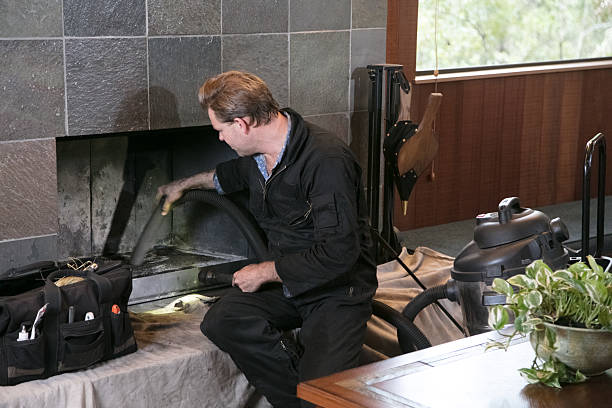
Smoke itself is airborne gases and microscopic particles released during combustion — not a solid residue at all until it settles. Smoke residue tends to penetrate porous materials, fabrics, and HVAC systems more deeply than soot because of how small and dispersed the particles are, and it’s frequently more responsible for lingering odor than soot is (Serve & Restore).
Why the Type of Residue Determines the Cleanup Method
Not all soot behaves the same way, which is part of why answering “what is soot” isn’t quite enough on its own. Dry soot, common from fast-burning, high-temperature fires, is powdery and relatively easier to remove. Oily soot, often the result of low-oxygen fires or burned plastics, is sticky and considerably harder to clean. Protein residue soot, common after kitchen fires involving food or grease, may be barely visible but carries a strong, persistent odor (Serve & Restore).
Why Getting This Wrong Costs You
Soot particles are microscopic and often oily, which means standard cleaning methods can smear them across a surface rather than lifting them off — pushing the residue deeper into porous materials and making the eventual professional cleanup more difficult and expensive (Oceanside Damage Restoration). Knowing what is soot, what is ash, and what is smoke residue before you start cleaning is what prevents that mistake.
PuroClean of Santa Rosa Beach: Identifying the Residue Before We Clean It
Because soot, ash, and smoke residue each require different techniques, PuroClean of Santa Rosa Beach identifies exactly what we’re dealing with before beginning any fire damage cleanup — dry chem sponges and specialized agents for soot, different methods entirely for smoke penetration and lingering odor. Our technicians serve homeowners and businesses across the 30A corridor and our Dothan, AL service area following IICRC-certified fire and smoke restoration protocols.
Frequently Asked Questions
What is soot made of? Soot is primarily fine carbon particles created by incomplete combustion, along with trace chemicals, metals, and dust that settle on surfaces after a fire.
Is ash more dangerous than soot? Not necessarily more dangerous, but different — ash is generally easier to clean, while soot’s oily, sticky nature makes it more prone to staining and smearing.
Can I clean soot and ash with the same products? No. Soot often requires dry cleaning methods before any liquid touches it, while ash can typically be vacuumed or gently wiped, though caution is still warranted.
Why does smoke odor linger even after soot is cleaned? Smoke residue penetrates porous materials and HVAC systems more deeply than soot, which is why odor often persists even after visible soot has been removed.
Get the Right Cleanup for the Right Residue
Whether you’re dealing with soot, ash, smoke residue, or all three after a fire, using the correct method from the start protects your property from further damage. PuroClean of Santa Rosa Beach provides IICRC-certified fire and smoke damage restoration for homeowners and businesses across Santa Rosa Beach, the 30A corridor, and Dothan, AL, with 24/7 emergency availability.
Contact PuroClean of Santa Rosa Beach today, or call (850) 399-3380 for 24/7 emergency response.
Available 24/7/365 | Contact Us Online | Google Business Profile | IICRC Certified | Insurance Preferred | Complete Smoke & Soot Damage Restoration