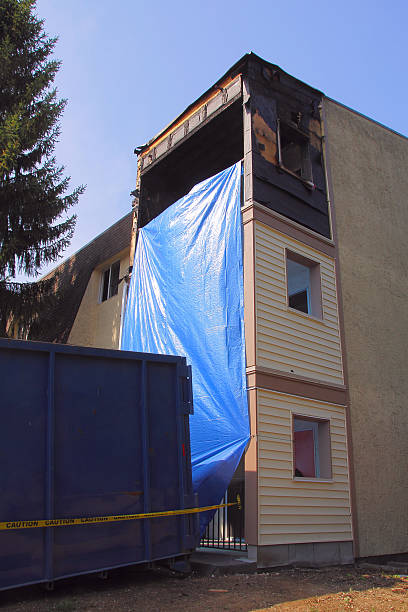
Hidden Dangers of Soot: Why You Need Fire Restoration Companies Near Me for Smoke Damage Restoration
After the fire trucks pull away, the visible charring on your walls is only a fraction of the threat—professional smoke damage restoration is essential to neutralize the invisible, toxic soot left behind. When homeowners urgently search for “fire restoration companies near me,” they often assume the worst damage is confined to the room where the fire started. In reality, pressurized smoke drives microscopic carbon particles, heavy metals, and chemical residues deep into drywall, insulation, electronics, and air ducts throughout the entire structure. At PuroClean of Santa Rosa Beach, we help property owners navigate the hidden aftermath of fires with science-backed smoke damage restoration that protects both structural integrity and indoor air quality.
Why Smoke Damage Restoration Is Critical Against Hidden Soot Dangers
Soot is dangerous because it consists of microscopic, acidic carbon particles coated in volatile organic compounds (VOCs), heavy metals, and toxic combustion byproducts that penetrate deep into human lungs and corrode building materials within hours.
Unlike plain campfire ash, modern residential fires burn synthetic materials—including PVC plumbing, polyurethane foam cushions, treated lumber, and vinyl flooring. According to the U.S. Environmental Protection Agency (EPA), fine inhalable particles ($PM_{2.5}$) found in smoke and soot can bypass the body’s natural respiratory defenses, aggravating asthma, triggering cardiovascular stress, and causing persistent eye and throat irritation.
Beyond human health risks, soot wages a silent chemical assault on your home:
- Rapid Acidic Corrosion: Soot carries a low pH. Combined with coastal humidity in Santa Rosa Beach and Panama City Beach—or warm southern air in Dothan, Enterprise, and Taylor—acidic soot begins etching glass, pitting chrome fixtures, and corroding circuit boards inside appliances within 24 to 72 hours.
- Permanent Surface Staining: Porous materials like painted drywall, grout, natural stone, and hardwood flooring absorb oily smoke residues. Without timely smoke damage restoration, discoloration sets permanently, forcing costly replacement rather than recovery.
- Hidden HVAC Recirculation: Even a localized kitchen fire can pull soot into return vents, coating ductwork and blower coils so toxic particulates recirculate every time your air conditioner runs.
Why Professional Smoke Damage Restoration Beats DIY Scrubbing
When confronting black streaks on walls or smoky odors in closets, grabbing household bleach, soapy water, and a standard vacuum is one of the costliest mistakes a property owner can make. Effective smoke damage restoration requires specialized chemistry and containment protocols because standard cleaning tools actually worsen the damage.
Wiping soot with a wet rag turns dry carbon into an acidic paste that smears permanently into drywall pores. Similarly, standard household vacuums lack sealed HEPA filtration, meaning they exhaust sub-micron soot particles straight back into your breathing zone.
Following the ANSI/IICRC S700 Standard for Professional Fire and Smoke Damage Restoration, certified specialists evaluate the exact fuel source before touching a single surface:
| Smoke Residue Type | Common Fuel Source | Physical Characteristics | Professional Restoration Method |
| Dry Smoke | Fast-burning wood or paper | Fine, powdery, non-greasy ash | HEPA vacuuming & vulcanized dry-sponging |
| Wet Smoke | Smoldering plastics, rubber, or foam | Thick, sticky, black smears with pungent odor | Specialized alkaline degreasing agents & hydroxyl treatment |
| Protein Residue | Evaporated kitchen grease & burnt food | Virtually invisible, yellow-brown film with extreme odor | Enzyme-based cleaners & thermal fogging |
| Fuel Oil Soot | Furnace puff-backs | Dense, oily, pervasive black film | Whole-home HEPA air scrubbing & duct decontamination |
How to Vet Fire Restoration Companies Near You
Typing “fire restoration companies near me” during a crisis returns dozens of ads and national call centers. To safeguard your health and streamline your insurance claim, verify that any contractor you invite onto your property meets strict professional benchmarks:
- Active IICRC Certification: Confirm that technicians hold credentials from the Institute of Inspection, Cleaning and Restoration Certification (IICRC), specifically in Fire and Smoke Restoration (FSRT) and Odor Control (OCT).
- Negative Air Containment & HEPA Air Scrubbing: Reputable crews immediately isolate affected zones using polyethylene sheeting and commercial air scrubbers to prevent cross-contamination during smoke damage restoration.
- Molecular Odor Neutralization: Avoid contractors who rely on heavy fragrances or ozone alone without source removal. True restoration uses hydroxyl generators, thermal fogging, and encapsulants after physical soot extraction.
- Insurance-Ready Documentation: As emphasized by NFPA residential fire safety and recovery resources, thorough photo inventories, moisture logs, and itemized scope sheets are vital for smooth claim approvals.

Frequently Asked Questions About Soot and Smoke Damage Restoration
How fast does soot cause permanent damage after a fire?
Acidic soot begins tarnishing metals and discoloring plastics within minutes to hours, and can permanently etch glass, marble, and painted drywall within 48 to 72 hours. Immediate smoke damage restoration dramatically reduces total recovery costs by saving surfaces that would otherwise need demolition.
Is it safe to stay in a house with minor smoke damage?
Even after a small fire, lingering soot and elevated VOC levels make indoor air unsafe—especially for children, older adults, and anyone with asthma or respiratory conditions. Until professional smoke damage restoration and HEPA air scrubbing are complete, it is safest to relocate temporarily.
Can soot be completely removed from carpets, drapes, and furniture?
In many cases, yes. Certified restoration teams use specialized ultrasonic cleaning, ozone or hydroxyl chambers, and HEPA extraction to salvage upholstered furniture, textiles, and electronics—saving irreplaceable keepsakes and lowering claim costs.
Does homeowners insurance cover professional smoke damage restoration?
Standard homeowners insurance policies generally cover sudden and accidental fire and smoke damage restoration, including soot extraction, HVAC cleaning, deodorization, and temporary living expenses (Loss of Use), minus your deductible.
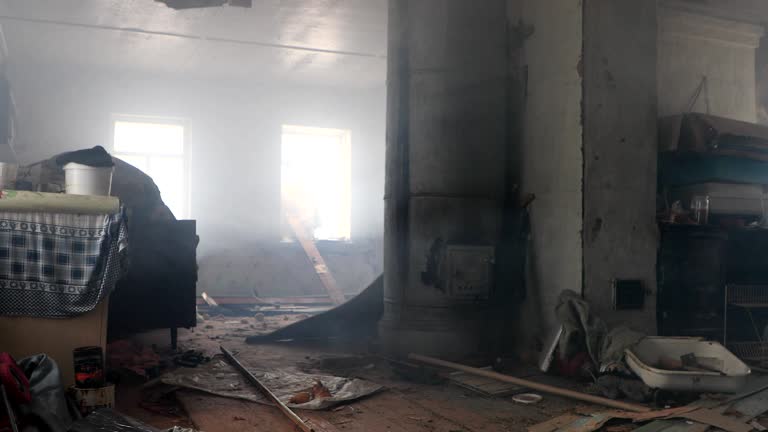
Call PuroClean of Santa Rosa Beach for 24/7 Smoke Damage Restoration
Don’t let hidden soot quietly compromise your indoor air quality or destroy your home’s finishes. PuroClean of Santa Rosa Beach stands out as a trusted regional authority in rapid, thorough smoke damage restoration and full-service fire recovery. Our IICRC-certified technicians combine hospital-grade HEPA filtration, targeted chemical neutralization, and compassionate customer care to bring your property back to pre-loss condition.
Proudly serving homeowners and businesses across Santa Rosa Beach, Panama City Beach, or further inland across Dothan, Enterprise, and Taylor, our emergency response teams are ready 24/7, 365 days a year. Contact PuroClean of Santa Rosa Beach today for immediate dispatch and a comprehensive smoke damage restoration inspection.
Contact PuroClean of Santa Rosa Beach or call (850) 399-3380 for 24/7 emergency response.
Available 24/7/365 | Contact Us Online | Google Business Profile | IICRC Certified | Insurance Preferred | Fire Damage Restoration Solutions