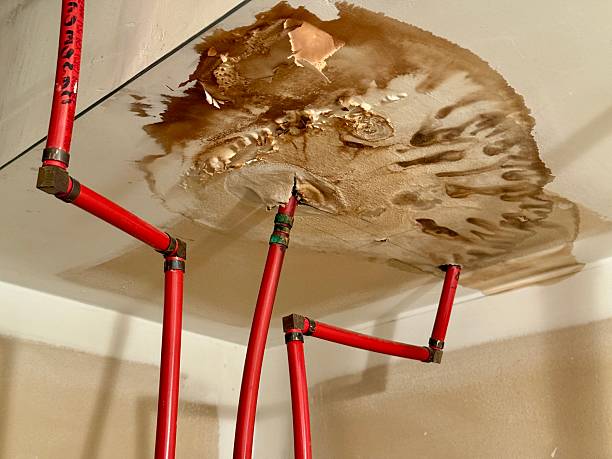
When water is spreading across your floor at 2 a.m., “24/7” is the part of the search you care about most. It’s also the part that’s easiest for a company to claim and hardest for you to verify. This guide walks through what 24/7 water damage restoration should look like from the first phone call to the last drying reading, so you know what to expect and what to ask.
Whether you typed “24 hour water clean up,” “24 hour water restoration,” or “24/7 water restoration,” you’re asking the same two questions: how fast can someone get here, and what happens once they do?
One honest caution up front. No company can promise a specific arrival time without knowing where you are, what the roads look like, and how many other emergencies are happening at once (during a storm, that’s a lot). Real 24/7 water damage restoration means a live person answers, dispatch starts immediately, and you get an honest ETA for your address.
The First Hour: What to Do While You Wait
Most of what you do before the crew arrives is about safety and documentation, not cleanup:
- Stop the source if it’s safe to do so. For a burst pipe or failed appliance line, that usually means the main water shutoff.
- Stay away from electrical hazards. If water has reached outlets, appliances, or a panel, don’t wade in. The CDC’s guidance on cleaning safely after a disaster covers protective gear and floodwater hazards in more detail.
- Take photos and video before moving anything. This record matters later for your insurance claim.
- Lift valuables off wet floors and set aside what you can safely move.
- Don’t walk through floodwater or sewage-affected areas. It can carry contamination.
Also keep in mind what a restoration crew can and can’t fix. The IICRC’s own description of its S500 water damage standard notes that correcting the underlying source of the water is the property owner’s responsibility, not the restorer’s. If a pipe failed, you’ll likely need a plumber in addition to a restoration team. Mitigation deals with the water already in your building.
Arrival: Safety Check and Water Classification
When technicians arrive, they start with a safety check and identify where the water came from. That matters because the source determines how it’s handled. The IICRC S500 standard is the industry reference for classifying water by contamination level, from clean supply-line water to contaminated water that can carry bacteria. Storm and floodwater that comes in from outside is generally treated as contaminated, which changes which materials can be saved.
Next comes moisture mapping: meters and sometimes thermal imaging to find water that has traveled into walls, subfloors, and insulation beyond what you can see. In a coastal home, that hidden spread is common.
Hours 1 to 24: Extraction First, Then Drying Begins
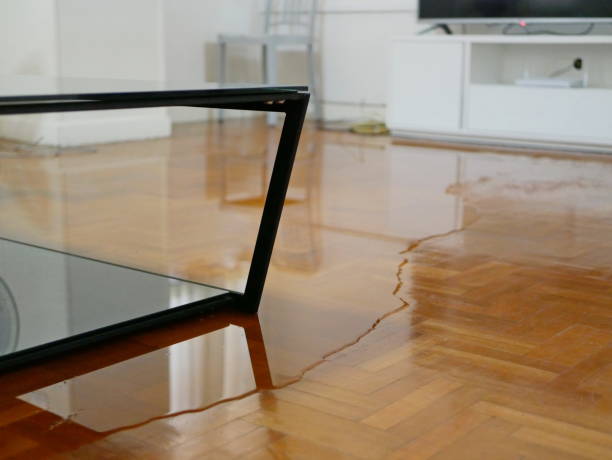
The order of operations matters. Standing water comes out first, using pumps and extractors. Then materials that can’t be dried in place, such as saturated carpet padding, are removed. Only then does the drying equipment go in: air movers and dehumidifiers positioned to pull moisture out of structure, not just air.
Speed matters here because of mold. The EPA’s guide to mold, moisture, and your home advises drying wet materials within 24 to 48 hours to prevent mold growth. That’s the real reason 24/7 water damage restoration exists: the clock starts when the water arrives, not when the office opens.
Days 1 to 5: Monitored Drying
Drying is not a fan left running in the corner. Technicians return to take moisture readings and adjust equipment until materials reach acceptable levels. PuroClean’s national water damage cost guide puts the typical drying cycle at three to five days. Sister franchises describe a wider range depending on severity: PuroClean of McLean’s guide to the restoration process and PuroClean of Linwood’s timeline article both note that larger or more contaminated losses can take longer.

After Drying: Repairs and Rebuild
Once materials are verified dry, the job shifts from mitigation to repair: replacing drywall, flooring, and insulation that couldn’t be saved. If you want to see how our full process fits together, our water damage restoration service page and Water Damage Recovery Guide for Santa Rosa Beach Homeowners cover the repair side. If carpet is involved, see our guide on flooded carpet cleaning for what can be saved and what can’t.
Why the First 24 Hours Matter More on the Gulf Coast
Warm, humid air slows drying, which makes the 24 to 48 hour window harder to hit without professional equipment. The Florida Department of Health’s emergency fact sheet on mold is a useful state-level reference for what to do after flooding.
Our area adds two local complications. Vacation rentals along 30A can sit empty between guests, so a slow leak may run unnoticed for days. And hurricane season can bring flooding that overwhelms local crews at the same time. If water has already reached the subfloor, see what to do about water under floorboards, and if you’re worried about what’s growing beneath hardwood, read about the timeline of mold growth under hardwood floors.
What to Ask When You Call a 24/7 Water Damage Restoration Company
- Who answers the phone at night? A live dispatcher, or a voicemail?
- What’s the realistic ETA for my address? Be wary of a guaranteed time given before they know where you are.
- Are you IICRC certified? Check the firm yourself in the IICRC certified firm directory rather than trusting a logo.
- How will you document the job? Photos, moisture readings, and a written scope all support an insurance claim.
- How will you verify the structure is dry? The answer should involve readings, not “it feels dry.”
For a broader checklist that applies to any restoration job, see our companion guide, Restoration Companies Near Me: 5 Questions to Ask Before You Hire.
PuroClean of Santa Rosa Beach: One Team From Extraction to Rebuild
PuroClean of Santa Rosa Beach provides 24/7 water damage restoration across Santa Rosa Beach, the 30A corridor, Dothan, and Enterprise. Our technicians work to the ANSI/IICRC S500 standard, and the same team can handle mitigation, drying, and repairs, so you aren’t coordinating between companies while your home is wet. PuroClean also operates nationally, and our corporate water damage restoration page describes the network’s approach.
Frequently Asked Questions
What does 24/7 water damage restoration include? Emergency dispatch, safety assessment, water extraction, removal of unsalvageable materials, structural drying with daily moisture monitoring, and repairs once the structure is dry.
How fast should a 24 hour water clean up crew arrive? There’s no universal standard, because it depends on your location and conditions. A trustworthy company gives you an honest ETA when you call, rather than a blanket promise.
How long does water damage restoration take to dry? PuroClean’s national guide cites three to five days as typical for drying, with larger or more contaminated losses taking longer.
Can I start cleanup before the crew arrives? Safe steps such as stopping the source, taking photos, and moving valuables are fine. Avoid floodwater, electrical hazards, and anything that might be contaminated.
Does PuroClean of Santa Rosa Beach serve Dothan and Enterprise? Yes. We serve Santa Rosa Beach, the 30A corridor, Dothan, and Enterprise.
Get 24/7 Water Damage Restoration From PuroClean of Santa Rosa Beach
Water doesn’t wait for business hours, and neither do we. PuroClean of Santa Rosa Beach provides IICRC-certified, 24/7 water damage restoration for homes and businesses across Santa Rosa Beach, the 30A corridor, Dothan, and Enterprise.
Contact PuroClean of Santa Rosa Beach or call (850) 399-3380 for 24/7 emergency response.
Available 24/7/365 | Contact Us Online | Google Business Profile | IICRC Certified | Insurance Preferred | Complete Water Damage Solutions