


Table of Contents
Coastal Restoration Challenges in 30A Communities Start With the Environment
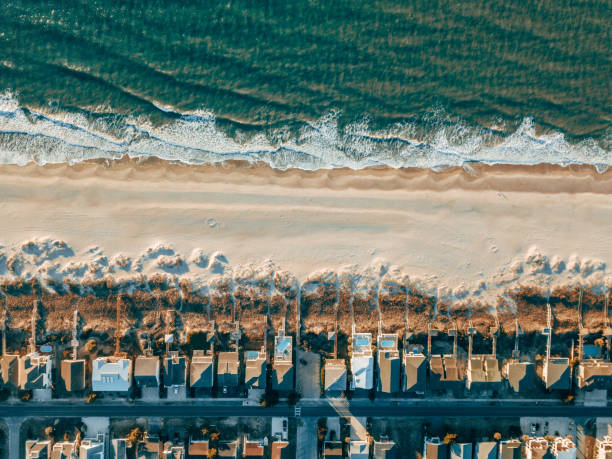
Coastal restoration challenges in 30A communities begin with the environment itself. Santa Rosa Beach and surrounding 30A neighborhoods face conditions that accelerate property damage. Salt-heavy air, high humidity, seasonal storms, and fluctuating temperatures all work together to weaken building materials.
Unlike inland homes, coastal structures absorb moisture more quickly. Wood swells, drywall softens, and metal components corrode faster. Damage often starts small and spreads quietly, especially in vacation homes that sit unoccupied for weeks at a time.
Property owners often underestimate how quickly these conditions can turn a minor issue into a full restoration emergency.
Persistent Moisture Creates Hidden Damage
One of the most common coastal restoration challenges in 30A communities is ongoing moisture intrusion. High humidity allows condensation to form inside walls, crawl spaces, and attics.
This moisture creates the perfect environment for mold growth. Even homes that appear clean and well maintained can develop mold behind baseboards or under flooring. According to the Environmental Protection Agency, mold can begin growing within 24 to 48 hours of water exposure, especially in warm coastal climates.
Moisture damage also weakens insulation and framing, reducing energy efficiency and indoor comfort.
Salt Air Accelerates Structural Deterioration
Salt air is a silent but aggressive threat along 30A. It penetrates porous materials and speeds up corrosion. Metal fasteners, HVAC components, and electrical connections are especially vulnerable.
Over time, salt exposure compromises roofs, balconies, railings, and exterior finishes. Coastal restoration challenges in 30A communities often involve repairing damage that started years earlier but only became visible after failure occurred.
Routine inspections help, but once corrosion sets in, professional restoration becomes essential.
Storm Surges and Heavy Rain Increase Flood Risk
Tropical storms and hurricanes create another layer of risk. Even weaker systems can bring heavy rain and localized flooding. Drainage systems become overwhelmed, and water finds its way indoors through doors, windows, and foundations.
Floodwater often carries contaminants, which adds a biohazard element to restoration. The Federal Emergency Management Agency emphasizes that floodwater can contain sewage, bacteria, and chemical pollutants.
Coastal restoration challenges in 30A communities often require both water damage mitigation and sanitation services to fully restore safety.
Vacation Rentals Complicate Damage Detection
Many properties along 30A serve as short-term rentals. While profitable, this creates unique restoration challenges. Damage may go unnoticed between guest stays, and early warning signs are easily missed.
Small leaks, HVAC issues, or humidity buildup can progress rapidly. By the time a problem is discovered, the damage is often extensive.
For rental owners, delayed restoration also means lost bookings and negative reviews. Fast response is critical to protecting both property value and income.
Mold Growth Is a Year-Round Threat
Mold is not limited to storm season. Coastal humidity allows mold to thrive year-round. Bathrooms, kitchens, laundry rooms, and air ducts are common problem areas.
The Centers for Disease Control and Prevention warns that mold exposure can cause respiratory symptoms and allergic reactions, particularly in children and older adults.
Coastal restoration challenges in 30A communities often include mold remediation that requires containment, air filtration, and removal of affected materials.
Professional remediation is essential to prevent recurrence and protect indoor air quality.
Older Coastal Homes Face Material Limitations
Many homes in Santa Rosa Beach were built before modern moisture-resistant materials became standard. Older construction methods may lack proper vapor barriers, drainage systems, or elevated foundations.
These limitations increase vulnerability to water intrusion and structural decay. Coastal restoration challenges in 30A communities often involve upgrading materials during the restoration process to meet current standards.
This proactive approach helps prevent repeat damage and extends the lifespan of the property.
Insurance Claims Can Delay Restoration
Another major challenge involves insurance claims. Coastal properties often carry specialized policies with exclusions or higher deductibles.
Delays in documentation, approval, or coverage disputes can slow down restoration efforts. Meanwhile, damage continues to worsen.
Experienced restoration professionals help document losses accurately and work directly with insurers to speed up the process. This reduces stress for property owners and helps restoration begin sooner.
Why Professional Restoration Matters in 30A
DIY repairs rarely address the root causes of coastal damage. Temporary fixes often fail under continued exposure to moisture and salt air.
Professional restoration teams understand local conditions, building codes, and environmental risks. Coastal restoration challenges in 30A communities require specialized equipment, moisture detection tools, and trained technicians.
This expertise ensures that damage is fully resolved, not just covered up.
How PuroClean of Santa Rosa Beach Solves Coastal Restoration Challenges
PuroClean of Santa Rosa Beach specializes in handling the unique restoration needs of coastal properties. Their team responds quickly to emergencies and understands how Gulf Coast conditions affect homes and businesses.
Services include water damage restoration, mold remediation, storm damage cleanup, and structural drying. Advanced equipment allows them to detect hidden moisture and prevent secondary damage.
By addressing problems at the source, PuroClean helps property owners protect their investments and restore peace of mind.
FAQs About Coastal Restoration Challenges in 30A Communities
What makes coastal restoration different from inland restoration?
Salt air, humidity, and storm exposure accelerate damage and require specialized restoration methods.
How fast should restoration begin after water damage?
Restoration should begin within 24 hours to reduce mold growth and structural deterioration.
Can mold return after remediation?
Yes, if moisture sources are not fully addressed. Professional remediation focuses on prevention.
Are vacation rentals more at risk for damage?
Yes. Gaps between stays can allow damage to progress unnoticed.
Does insurance cover coastal restoration?
Coverage varies by policy. Working with experienced restoration professionals helps streamline claims.
Call PuroClean of Santa Rosa Beach for Emergency Restoration
Coastal restoration challenges in 30A communities demand fast action and expert care. Waiting only increases damage and costs.
If your Santa Rosa Beach property has suffered water damage, storm impact, mold growth, or hidden moisture issues, PuroClean of Santa Rosa Beach is ready to respond 24/7.
Their experienced team restores coastal homes and vacation rentals quickly, safely, and thoroughly. Call today to protect your property and get back to normal without delay.