


Table of Contents
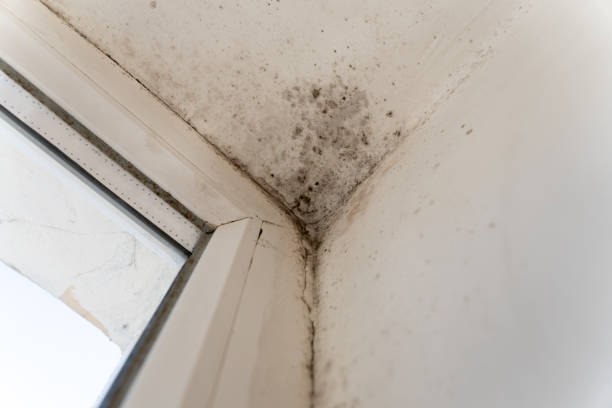
If you’ve noticed dark patches or a musty odor creeping up from your wood flooring, you may be facing black mold on hardwood floors, one of the most insidious problems homeowners encounter in humid coastal areas like Santa Rosa Beach, FL. Mold thrives in warm, damp environments, and once it finds a home beneath your hardwood, it spreads fast and silently.
The question is: should you handle black mold on hardwood floors yourself, or is it safer to call a professional? Let’s break it down.
Understanding Black Mold on Hardwood Floors
Black mold (scientifically known as Stachybotrys chartarum) isn’t just unsightly—it can be harmful to both your health and your home’s structure. When hardwood absorbs moisture from floods, leaks, or high humidity, it becomes a breeding ground for mold spores.
Left untreated, black mold can eat away at the wood fibers, causing warping, discoloration, and costly long-term damage. According to the EPA, porous materials like wood that have been mold-infested often need professional cleaning or removal to prevent regrowth.
Spotting the Early Signs of Black Mold on Hardwood Floors
Detecting black mold early can save you thousands in repair costs. Here’s what to watch for:
- Dark or greenish-black patches that spread over time
- A strong, musty smell in specific areas
- Warping or buckling wood planks
- Soft spots underfoot
- Allergy-like symptoms (sneezing, coughing, watery eyes)
If you’re noticing these signs in your Santa Rosa Beach home, the mold may have already penetrated below the surface.
The DIY Approach: Can You Handle Black Mold on Hardwood Floors Yourself?
Homeowners often search for quick fixes for black mold on hardwood floors: vinegar sprays, bleach solutions, or sanding. While these might seem to work at first, they rarely eliminate the problem. Mold spores burrow deep into wood fibers, beyond the reach of surface cleaning.
Here’s what typically goes wrong with DIY attempts:
- Incomplete removal: Surface cleaning doesn’t address hidden mold under planks or subflooring.
- Health risks: Black mold releases spores and mycotoxins that can cause respiratory irritation or worsen asthma.
- Cross-contamination: Without containment, spores spread to clean areas of your home.
- Hidden moisture: If leaks or humidity issues aren’t fixed, mold will reappear within weeks.
DIY methods might seem cost-effective, but they often lead to more extensive—and expensive—damage later on.
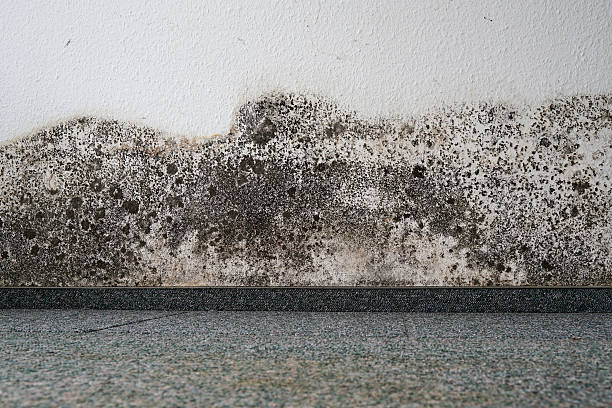
The Professional Approach: How Experts Handle Black Mold on Hardwood Floors
Professionals like PuroClean of Santa Rosa Beach use advanced mold remediation techniques that go far beyond what’s possible with household cleaners. Here’s what sets the pros apart:
- Moisture Detection – Experts use infrared cameras and moisture meters to locate hidden dampness under floors.
- Containment – They seal off affected areas to prevent spores from spreading.
- Air Filtration – HEPA filters capture airborne mold spores during cleanup.
- Deep Cleaning and Disinfection – Professional-grade antimicrobial treatments penetrate wood fibers.
- Structural Drying – Industrial dehumidifiers and air movers eliminate the moisture source.
- Restoration – Damaged wood is refinished or replaced as needed, restoring your floors to pre-damage condition.
This comprehensive process ensures that black mold on hardwood floors is gone for good—and your home’s air quality is restored.
DIY vs. Professional Mold Removal: A Real Comparison
| Aspect | DIY Mold Cleanup | Professional Mold Remediation |
|---|---|---|
| Effectiveness | Often removes surface mold only | Eliminates visible & hidden mold colonies |
| Equipment Used | Basic cleaners, bleach, sandpaper | HEPA vacuums, air scrubbers, moisture detectors |
| Health Risk | High – exposure to spores | Minimal – containment & PPE used |
| Cost | Initially lower | Long-term savings by preventing regrowth |
| Result Longevity | Temporary | Permanent if moisture controlled |
| Safety Compliance | None | Follows EPA & IICRC standards |
When comparing the two, it’s clear that professional help is the only way to completely resolve black mold on hardwood floors—especially in Florida’s humid Gulf Coast climate.
Why Black Mold on Hardwood Floors is Common in Santa Rosa Beach
Santa Rosa Beach’s proximity to the Gulf means high humidity and frequent storms—conditions that make hardwood flooring vulnerable to water intrusion. Even small plumbing leaks or storm flooding can create the perfect environment for black mold on hardwood floors.
Regular inspections and moisture control are key preventive steps. Dehumidifiers, proper ventilation, and quick water cleanup can reduce your mold risk significantly.
Preventing Black Mold on Hardwood Floors
Whether you’ve already had a mold issue or you’re looking to avoid one, prevention is critical. Here are some homeowner tips:
- Keep indoor humidity below 50%.
- Use exhaust fans in bathrooms and kitchens.
- Inspect plumbing and rooflines for leaks.
- Dry spills immediately.
- Schedule professional moisture inspections annually.
Prevention costs far less than mold remediation, especially in coastal regions like Santa Rosa Beach.
Health Concerns Linked to Black Mold on Hardwood Floors
Long-term exposure to black mold can cause respiratory problems, fatigue, skin irritation, and even neurological effects in sensitive individuals. Children, seniors, and people with allergies or asthma are particularly vulnerable.
If you suspect mold is affecting your indoor air quality, don’t delay. A professional inspection can help determine whether black mold on hardwood floors is the culprit.
Frequently Asked Questions (FAQs)
Q1: Can I remove black mold on hardwood floors with bleach?
Bleach can lighten stains on the surface but won’t kill mold deep inside wood fibers. It may also damage your floor’s finish.
Q2: How do professionals remove black mold on hardwood floors?
They use HEPA filtration, antimicrobial treatments, and controlled drying methods to eliminate mold completely and safely.
Q3: Is black mold on hardwood floors dangerous?
Yes. Mold spores can affect air quality and trigger allergies or respiratory symptoms.
Q4: Can I sand black mold off hardwood floors?
Sanding can spread spores into the air, making the problem worse. It’s only safe after professional containment and treatment.
Q5: How quickly can mold return after DIY cleaning?
If the underlying moisture issue isn’t fixed, mold can regrow within 24–48 hours.
Why Choose PuroClean of Santa Rosa Beach
When it comes to black mold on hardwood floors, trust the local experts who understand Florida’s unique climate challenges. PuroClean of Santa Rosa Beach provides fast, safe, and complete mold remediation using industry-leading equipment and EPA-approved disinfectants.
Our certified technicians are available 24/7 to inspect, remove, and restore your hardwood floors with minimal disruption to your home. We work directly with insurance companies and ensure every step meets IICRC standards for professional mold removal.
📞 Call PuroClean of Santa Rosa Beach today at (850) 399-3380 or visit our website to schedule your mold inspection.
Let our team restore your peace of mind—because your home deserves a clean, healthy foundation.
Available 24/7/365 | Contact Us Online | Google Business Profile | IICRC Certified | Insurance Preferred | Complete Mold Remediation Solutions