


Table of Contents
Water damage is an insidious threat that can compromise the structural integrity of your property and pose significant health risks. Understanding the difference between emergency water damage and gradual is crucial for effective restoration and prevention.
This article delves into the nuances of these two types of damage from water, elucidating the potential ramifications and the necessity of timely intervention and restoration strategies.
Understanding Water Damage
Water damage is a broad term that encompasses any destruction or degradation of property from water intrusion. Whether it manifests as sudden deluges or slow seepages, the repercussions can be severe, affecting everything from the building’s foundation to its electrical systems. Recognizing the various types is essential for implementing the appropriate restoration services.
Types of Water Damage
Water damage is typically classified into three categories based on the source and contamination level:
- Clean Water Damage: Stemming from sources like broken pipes or rainwater, this type of damage involves water that does not pose immediate health risks. However, if not addressed promptly, it can escalate into more severe forms.
- Gray Water Damage: Originating from appliances like dishwashers or washing machines, gray water contains contaminants that may cause illness. Quick intervention is required to mitigate its effects.
- Black Water Damage: The most hazardous, black water emanates from sewage backups or floodwaters. It contains harmful pathogens and requires comprehensive restoration and decontamination services.
Emergency Water Damage
Emergency damage refers to sudden, unexpected water intrusions that necessitate immediate action to prevent extensive property damage and health hazards. Common causes include natural disasters, burst pipes, and sudden roof leaks.
Causes of Emergency Damage
- Natural Disasters: Hurricanes, heavy rains, and floods can lead to instantaneous water inundation, overwhelming drainage systems and causing widespread damage.
- Plumbing Failures: Burst pipes or ruptured water heaters can release large volumes of water, quickly damaging surrounding structures.
- Roof Leaks: Structural failures or damage to roofing materials can result in rapid water intrusion during storms, necessitating urgent repair.
Implications of Emergency Damage
- Structural Damage: The force and volume of water can compromise structural elements, leading to potential collapse or foundation issues.
- Electrical Hazards: Water intrusion can create electrical hazards, posing risks of fire or electrocution.
- Mold Growth: The moisture from emergency water damage fosters mold growth, which can spread rapidly and pose significant health risks.
Gradual Water Damage

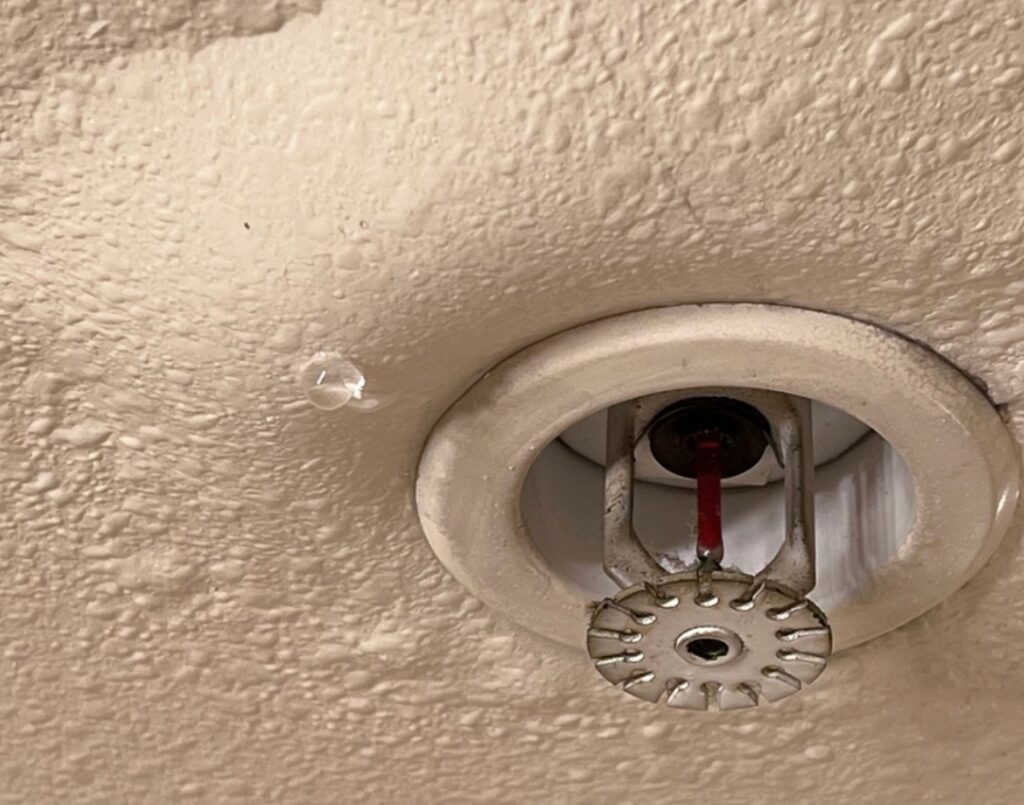
Gradual water damage occurs over time, often going unnoticed until significant damage has occurred. It typically results from minor leaks or seepages that persist over long periods.
Causes of Gradual Water Damage
- Leaky Pipes: Small leaks in plumbing systems may go unnoticed, allowing water to accumulate and cause damage slowly.
- Poor Drainage Systems: Inadequate drainage can lead to water pooling around foundations, eventually seeping into the building structure.
- Condensation: Areas with high humidity can experience condensation buildup, leading to gradual deterioration of surfaces.
Implications of Gradual Water Damage
- Material Degradation: Continuous exposure to moisture can lead to the deterioration of building materials such as wood and drywall.
- Increased Repair Costs: Since gradual damage often goes unnoticed, it can result in extensive damage that requires costly repairs once discovered.
- Health Risks: Persistent dampness fosters mold and mildew growth, exacerbating respiratory issues and allergic reactions.
Restoration Strategies for Water Damage
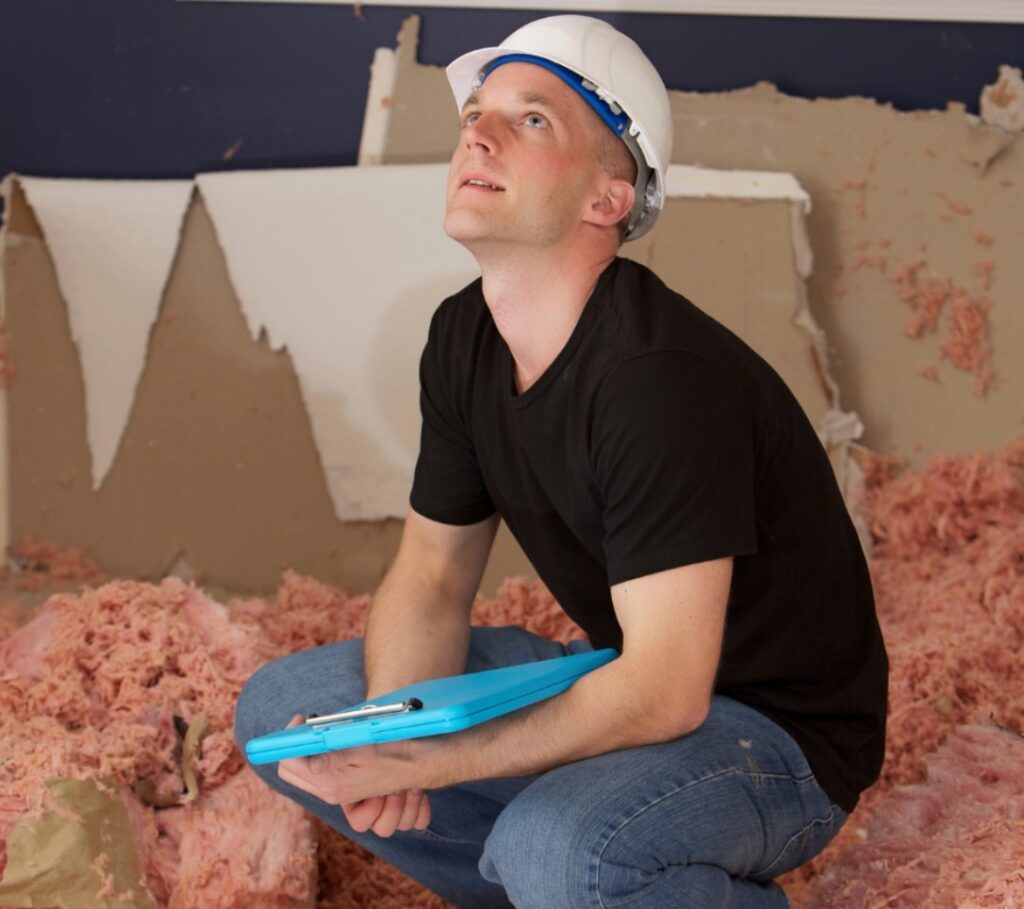
Effective restoration requires a tailored approach based on the type and extent of water damage. Engaging professional damage restoration services is critical to ensuring thorough remediation and preventing future issues.
Emergency Water Damage Restoration
- Immediate Water Extraction: Rapid water removal is crucial to minimizing further damage and facilitating drying.
- Structural Drying: High-powered drying equipment is employed to remove moisture from structural elements, preventing mold growth and structural compromise.
- Decontamination: If contamination is present, comprehensive cleaning and sanitization are necessary to eliminate health hazards.
Gradual Water Damage Restoration
- Leak Detection and Repair: Identifying and repairing the source of leaks is essential to prevent ongoing damage.
- Moisture Control: Implementing dehumidification and ventilation strategies helps control moisture levels and prevent mold growth.
- Material Replacement: Severely damaged materials may need replacement to restore the property’s integrity and aesthetic value.
Prevention Measures
Preventing water damage is more cost-effective than restoration. Implementing proactive measures can safeguard your property against emergency and gradual water damage.
- Regular Inspections: Conduct routine inspections of plumbing and roofing systems to identify potential issues before they escalate.
- Waterproofing: Apply waterproof coatings to vulnerable areas, such as basements and foundations, to prevent water intrusion.
- Adequate Drainage: Ensure gutters and drainage systems are clear and functioning efficiently to direct water away from the property.
Conclusion
Water damage, whether sudden or gradual, poses significant risks to both property and health. Understanding the distinctions between emergency and gradual water damage is essential for effective restoration and prevention.
Engaging professional water restoration services ensures comprehensive remediation and protects your property from future water-related issues. By implementing proactive measures and staying vigilant, property owners can mitigate the risks of damage and maintain the integrity and safety of their homes or businesses.
For expert emergency water damage restoration services in Santa Rosa Beach, contact Puroclean of Santa Rosa Beach today!