

Table of Contents
Living in Santa Rosa Beach has its perks: ocean breezes, sugar-white sand, and relaxed coastal charm. But alongside the beauty comes a serious threat—flash floods. These rapid, unrelenting surges of water can devastate homes, roads, and lives within minutes.
In this guide, we break down 15 alarming facts about flash flood events in the Santa Rosa Beach area. From understanding local risks to knowing what to do before and after a flood, consider this your essential flood-readiness manual.
1. Flood Risk Zones Exist Throughout Santa Rosa Beach
Even outside hurricane season, flash flood risks loom for Santa Rosa Beach and surrounding Gulf Coast communities like Miramar Beach and Dune Allen. Low-lying areas near the bay, coastal wetlands, and underdeveloped land are especially vulnerable during heavy rain.
2. Urban Development Increases Flooding Potential
As new homes and vacation rentals pop up along 30A, natural drainage systems are reduced. More roads and rooftops mean less soil to absorb rainfall, which worsens flash flood risks during storms.
3. Water Levels Can Rise 20 Feet in Minutes
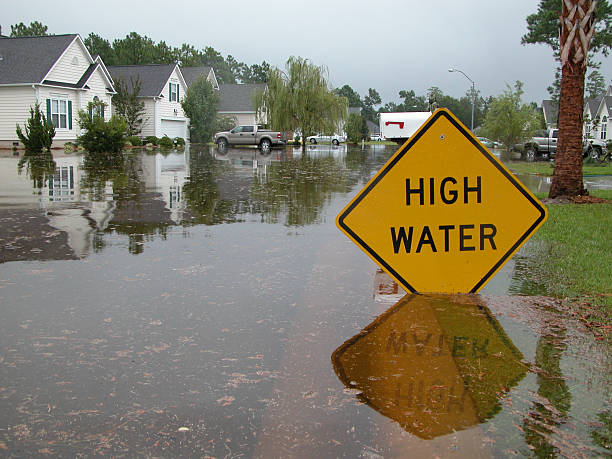
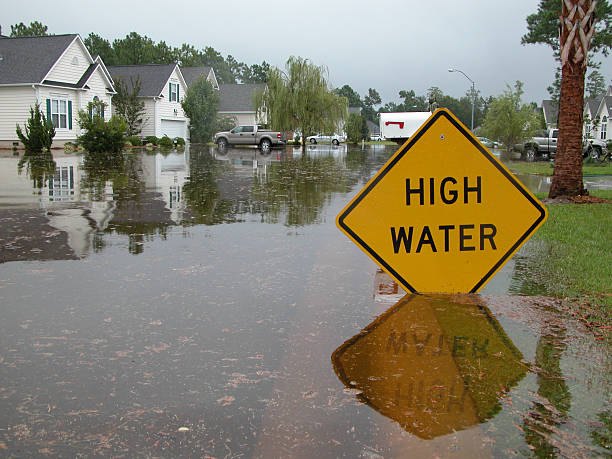
In severe weather, flash floods can send water soaring up to 20 feet. When drainage systems clog or the ground is already saturated, floodwaters rise fast, leaving little time to react.
4. Just 2 Feet of Water Can Sweep Away Vehicles
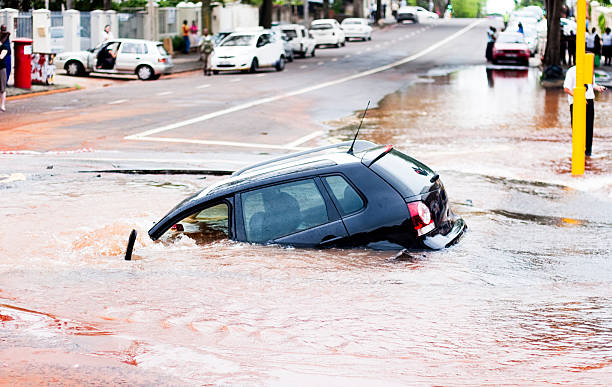
The U.S. National Weather Service warns that only 2 feet of floodwater can move vehicles. Never try to drive through standing water—your car can become a deadly trap.
5. 6 Inches of Fast Water Can Knock You Off Your Feet
During a flash flood, just 6 inches of moving water can topple an adult. Floodwaters are often filled with debris and bacteria, making them dangerous for anyone on foot.
6. Flash Floods Kill Over 70 Americans Each Year
From 2004 to 2013, flash flood events caused an average of 75 deaths per year in the U.S. Many of these tragedies were preventable with better awareness and earlier action.
7. Most Victims Tried to Outrun the Water
In many fatal flash flood cases, victims attempted to flee by car or foot instead of seeking higher ground. Your best defense? Go up, not out.
8. Vehicles Account for Two-Thirds of Flash Flood Fatalities
Cars offer a false sense of security during floods. Water pressure builds quickly, especially in lower-lying roads near the bay or inlets. Never underestimate water on the road.
9. One Foot of Water Can Cause $50,000+ in Damage
A single foot of water inside a 2,000-square-foot home can lead to more than $50,000 in damage. From soaked drywall to warped flooring and potential mold growth, the aftermath of a flash flood is financially and emotionally draining.
10. Flood Warnings Require Immediate Action
When the National Weather Service issues a flash flood warning, it means flooding is imminent or already occurring. Don’t delay. Move to higher ground and prepare to evacuate.
11. Flash Floods Strike Without Warning
Unlike hurricanes, which come with some lead time, flash floods can strike with zero notice, especially during pop-up storms. Santa Rosa Beach residents should keep a weather alert app on their phone at all times.
12. Thunderstorms and Hurricanes Are Major Triggers
The combination of high-intensity rain and poor drainage can lead to sudden flooding. Hurricanes like Michael and Sally proved how devastating flood damage can be—even miles inland.
13. Flooding Can Trigger Landslides
Heavy rain can destabilize soil, especially in sloped areas near the bay. That puts homes at risk for landslides or mudslides during or after a flood.
14. Repeated Flooding Causes Long-Term Damage
Some areas near Choctawhatchee Bay and Point Washington flood repeatedly due to poor drainage. Recurrent flash floods increase insurance costs, mold risk, and property devaluation.
15. Climate Change Is Increasing Flood Frequency
Warmer air holds more moisture, leading to heavier downpours and faster water accumulation. Santa Rosa Beach is already seeing more frequent and intense flood events tied to climate trends.
Flash Flood FAQs
Q: What’s the difference between a flash flood and a regular flood?
A flash flood happens quickly, often within 6 hours of intense rainfall, while regular flooding is more gradual.
Q: Should I evacuate during a flash flood warning?
Yes. Flash floods can escalate rapidly. Always follow evacuation guidance and move to higher ground immediately.
Q: Can floods affect beachfront properties?
Absolutely. Low elevation plus poor drainage make many coastal homes extremely vulnerable.
Q: How can I prepare for a flood in Santa Rosa Beach?
Install sump pumps, raise appliances, waterproof your basement (if applicable), and keep emergency supplies ready.
Q: Will my homeowner’s insurance cover flood damage?
Not always. You may need a separate flood policy. Check with your agent.
🚨 Why Choose PuroClean of Santa Rosa Beach for Flood Recovery?
When a flash flood strikes, you need more than just fans and towels. You need professionals who act fast to minimize damage, extract water, and prevent mold.
Here’s what makes PuroClean of Santa Rosa Beach your go-to:
- 24/7 Emergency Water Damage Response
- Licensed, insured, and certified restoration experts
- Advanced drying equipment and structural dehumidifiers
- Insurance claim assistance
- Local knowledge of Santa Rosa Beach’s flood-prone zones
Whether you’re dealing with soggy drywall, damaged flooring, or black water contamination, we’re here to help.
📞 Call PuroClean of Santa Rosa Beach at (850) 399-3380
🌐 Visit Our Website
Don’t wait for the next flash flood to catch you off guard. Stay informed. Stay safe. And know who to call when water strikes.