


Frozen pipes in winter may not be the first thing you associate with life in Santa Rosa Beach, but every few years, a cold snap proves that even coastal Florida isn’t immune to sudden plunges in temperature. When the Gulf breeze gets icy and overnight lows dip into the 20s, homeowners who weren’t prepared can wake up to burst pipes, soaked walls, flooded floors, and thousands of dollars in damage.
The truth is simple: frozen pipes can happen anywhere—including places that rarely see freezing temperatures. And when pipes freeze in milder climates, they’re often more destructive because homes here weren’t designed with harsh winters in mind.
If you’ve ever wondered whether frozen pipes in winter could affect your property—or if you want to make sure it never happens—this guide breaks down exactly what you need to know before temperatures take a sudden drop.
What Causes Frozen Pipes in Winter?
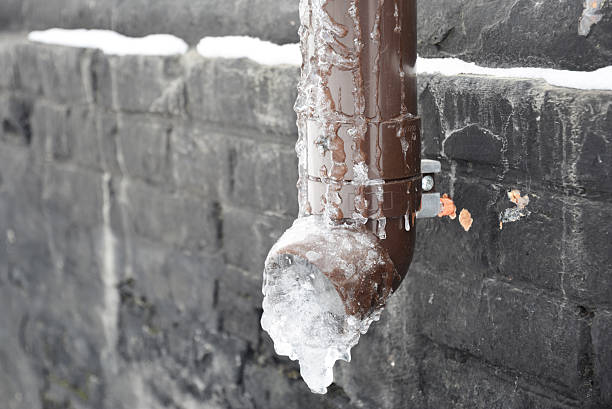
The science is straightforward: when water freezes, it expands. That expansion creates pressure inside your plumbing—sometimes exceeding 2,000 PSI—enough to cause pipes to crack or burst.
Homes in Santa Rosa Beach are particularly vulnerable because many plumbing lines run through:
- Attics
- Crawlspaces
- Garages
- Exterior walls
These areas tend to stay colder during a freeze, making frozen pipes in winter more likely than most homeowners realize.
According to research from the Red Cross, pipes are at risk once temperatures hit 20°F or below—something that has occurred during recent Gulf Coast winter cold fronts. (Source: American Red Cross)
Even a brief freeze can cause a pipe to rupture once temperatures rise again and the ice melts, unleashing water into your home.
Frozen Pipes in Winter: Warning Signs to Watch For
Knowing what to look for can help you catch a problem early and prevent a major flood.
You may have frozen pipes in winter if:
- Water pressure suddenly drops
- Your faucet only drips—or nothing comes out at all
- You hear unusual noises when running water
- You notice frost on exposed plumbing
- You smell a sewer-like odor from sinks or drains
These symptoms mean trouble is brewing behind the scenes. Ignoring them can lead to a pipe bursting and flooding your home.
Frozen Pipes in Winter: Areas Most at Risk in Santa Rosa Beach Homes
Even in warmer climates, some parts of your plumbing system remain vulnerable.
The most common locations include:
1. Exterior Hose Bibs
These freeze quickly because they’re exposed to outdoor air.
2. Attic Plumbing
Many Santa Rosa Beach homes have water lines running above ceilings—especially in newer builds.
3. Crawlspaces
Cool air circulates easily, making pipes colder than indoor temperatures.
4. Kitchen or Bathroom Pipes on Exterior Walls
Thin insulation can allow cold drafts to reach your plumbing.
5. Pool and Irrigation Lines
These often freeze first because they’re not part of the home’s heated interior.
Knowing where frozen pipes in winter tend to occur helps you focus your prevention efforts in the right places.
Frozen Pipes in Winter: 7 Essential Prevention Steps
While you can’t control the weather, you can protect your home. Here are the best proactive measures to avoid dealing with frozen pipes in winter.
1. Let Faucets Drip During Cold Snaps
Running water—even just a trickle—prevents freezing. This small step can save you from costly repairs.
2. Open Cabinet Doors
This allows warm air to reach plumbing under sinks, especially in kitchens and bathrooms located along exterior walls.
3. Seal Drafty Areas
Cold air sneaks through cracks around:
- Windows
- Doors
- Electrical outlets
- Sill plates
Sealing these gaps keeps your home warmer and greatly reduces the risk of frozen pipes in winter.
4. Insulate Exposed Pipes
Products like foam sleeves or pipe wrap are inexpensive and effective. The Department of Energy recommends insulation specifically for “unheated interior spaces.”
(Source: U.S. Department of Energy – https://www.energy.gov)
5. Keep the Heat On—Even When Traveling
Even if you plan to be away, keep your thermostat at 55°F or higher. Many frozen pipes in winter occur when homeowners turn off their HVAC while traveling.
6. Disconnect Garden Hoses
A connected hose can cause indoor pipes to freeze because water remains trapped in the line.
7. Know How to Turn Off Your Water
In an emergency, every second matters. Make sure you know how to shut off the main water supply to minimize damage from a burst pipe.
How to Thaw Frozen Pipes Safely
If you suspect you have frozen pipes in winter, act quickly—but carefully.
Do:
- Use a hair dryer, heating pad, or warm towels
- Open faucets to allow melted water to flow
- Start thawing near the faucet and work backward
Do NOT:
- Use open flames
- Use propane heaters
- Leave space heaters unattended
If a pipe is visibly bulging, call a professional. It’s close to bursting.
Why Frozen Pipes in Winter Are Especially Dangerous in Florida
In northern states, plumbing is designed with freezing temperatures in mind. In Florida, plumbing systems are not.
This means:
- Pipes are often closer to the surface
- Insulation is minimal
- Outdoor plumbing is more exposed
- Attics get colder than expected during hard freezes
As a result, frozen pipes in winter create more severe and costly home damage here than in colder regions.
When Frozen Pipes Lead to Water Damage
Sometimes, despite your best efforts, a pipe bursts. The aftermath can involve:
- Warped flooring
- Ceiling collapse
- Mold growth within 24–48 hours
- Electrical hazards
- Contaminated water spreading through the home
This is where emergency restoration becomes essential.
FAQ: Frozen Pipes in Winter
1. Can frozen pipes happen in Santa Rosa Beach?
Yes. Several recent cold fronts have caused pipe bursts across the Gulf Coast. Homes here simply aren’t built for freezing conditions.
2. How long does it take for a pipe to freeze?
A pipe can freeze in as little as 3–6 hours when temperatures drop below 20°F.
3. Will insurance cover damage from frozen pipes in winter?
Most policies cover sudden water damage from a burst pipe—but they don’t always cover negligence. Always take preventive steps.
4. What should I do if a pipe bursts?
Turn off your main water supply immediately, then call an emergency restoration team.
5. Can mold grow after frozen pipe damage?
Yes. Mold can start within 24–48 hours. Quick mitigation is essential to prevent long-term damage.
Need Help After Frozen Pipe Damage? Call PuroClean of Santa Rosa Beach Today
When frozen pipes in winter cause leaks, flooding, or structural damage, fast action is the only way to prevent mold growth and costly repairs.
PuroClean of Santa Rosa Beach provides:
- 24/7 Emergency Water Extraction
- Structural Drying
- Mold Prevention & Remediation
- Drywall, Flooring & Ceiling Restoration
- Odor Removal
- Full-Service Damage Cleanup
Our team arrives fast, works efficiently, and restores your home with compassion and expertise.
📞 Call now: (850) 399-3380
🌐 Fast, professional, and always ready when you need us most.
Available 24/7/365 | Contact Us Online | Google Business Profile | IICRC Certified | Insurance Preferred | Complete Water Damage Remediation Solutions